What is Gelsomino a Freddo? Acqua di Parma Gelsomino a Freddo is a floral-woody eau de parfum by Daphné Bugey. Its defining material is jasmine extracted using cold enfleurage, set against black tea, orris and a woody base. It belongs to Signatures of the Sun and comes in 50ml, 100ml and 180ml bottles. The reason…
What is Gelsomino a Freddo?
Acqua di Parma Gelsomino a Freddo is a floral-woody eau de parfum by Daphné Bugey. Its defining material is jasmine extracted using cold enfleurage, set against black tea, orris and a woody base. It belongs to Signatures of the Sun and comes in 50ml, 100ml and 180ml bottles. The reason to put it on your sampling list is that combination of flower and darker supporting notes, rather than a promise that a rare extraction method will automatically suit your skin.
Our take: the jasmine-and-tea idea is much more interesting than another generic claim of “luxury freshness”. It gives a buyer something specific to assess. Does the jasmine remain the part you enjoy after the opening? Do the tea and woods add the contrast you want? This is a guide to the documented composition and how to assess a purchase; it does not assign a wear-test score or claim hours of measured performance.
What cold enfleurage actually means
Acqua di Parma describes repeatedly layering delicate jasmine flowers onto purified shea butter under a master perfumer’s supervision. The butter takes up the flower’s aromatic character, providing the jasmine material used in the composition. The name “a freddo” refers to the cold process. That is the brand’s explanation of the ingredient, not proof that the finished perfume contains no synthetic materials.
The distinction matters. A listed perfume note describes a smell or an ingredient’s role; it is not a full formula. The finished product’s published ingredient list includes alcohol, fragrance and other components. It does not substantiate a precise flower count per bottle, a universal extraction time or a claim that machinery necessarily destroys every competing perfume. Those details should not be used to inflate the value of a bottle without evidence.
Enfleurage is the useful story here because it gives the jasmine a specific production context. It is less useful as a blanket ranking of perfumery techniques. Buy the result you enjoy, not a contest between “natural” and “synthetic”. A complex raw material still needs a well-judged composition around it, and an impressive manufacturing description cannot tell you whether the scent will work in your daily routine.
The notes: jasmine, black tea and woods
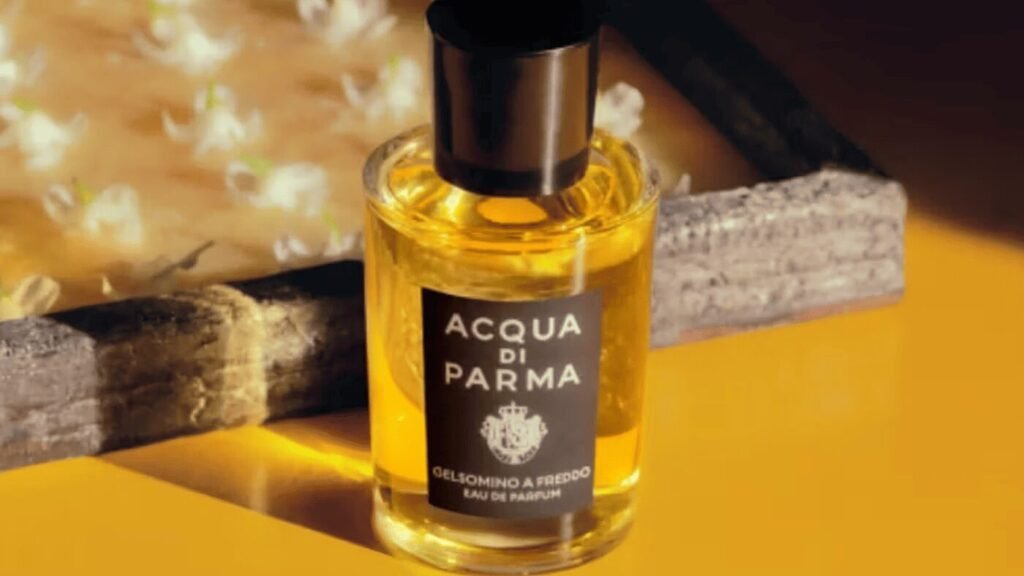
The official top notes are Italian lemon, pink pepper and artemisia. The heart combines jasmine enfleurage essence, black tea essence and orris concrete. The base lists guaiac wood, cypriol and a patchouli fraction. The brand places it in the floral-woody family and describes honeyed nuances alongside the contrast between bright jasmine and smoky supporting notes. Those are more informative reference points than simply calling it fresh, sensual or sophisticated.
For the opening, focus on the balance between the citrus, pepper and herb rather than looking for three isolated smells in a fixed sequence. A note pyramid is a way of explaining a composition; it is not a timetable. The fragrance need not announce each ingredient separately, and your impression of a listed material can differ from someone else’s. That is why the first spray should start a comparison rather than end it.
The heart is the decisive part for a jasmine buyer. Black tea and orris give you two useful comparison points: whether the floral impression feels too sweet for your taste, and whether you enjoy its darker or softer surroundings. At the base, assess the woods and patchouli against the jasmine you liked at the start. Do not buy only for a bright opening if the later scent is the part you will wear for most of the day.
Daphné Bugey and Signatures of the Sun
Acqua di Parma credits Daphné Bugey with the fragrance. The published description explains the contrasting materials, but does not give a verified eighteen-month development schedule or a count of rejected formulas. The composition is a more solid basis for discussing her work than inventing a behind-the-scenes process. Jasmine, tea, orris and woods give the perfume a clear structure for a reader to understand and compare.
Signatures of the Sun is the collection context, while the product name and concentration identify the bottle. Do not confuse Gelsomino a Freddo Eau de Parfum with a different product carrying a similar jasmine name, or an Ambrosia Extrait listing. Check the complete name before comparing price, concentration and volume. A search result containing “Gelsomino” is not necessarily the Acqua di Parma perfume in this guide.
The house is part of LVMH’s perfumes and cosmetics portfolio. Its Italian heritage and extraction story do not make it an independent counterexample to corporate perfumery. There is no need to manufacture that opposition: the material choice and the finished design are enough to make this release worth examining on their own.
Bottle, sizes and UAE buying options
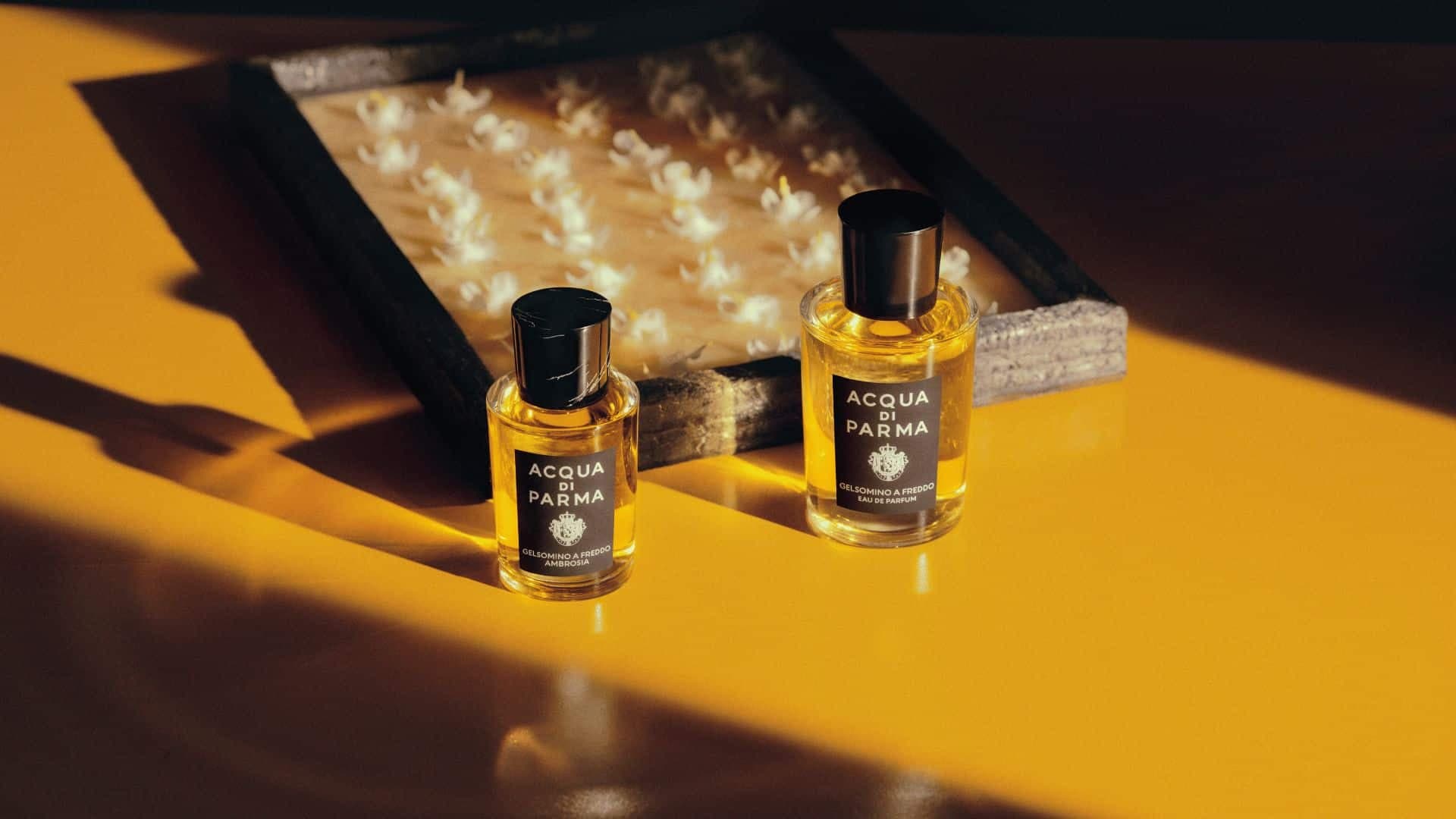
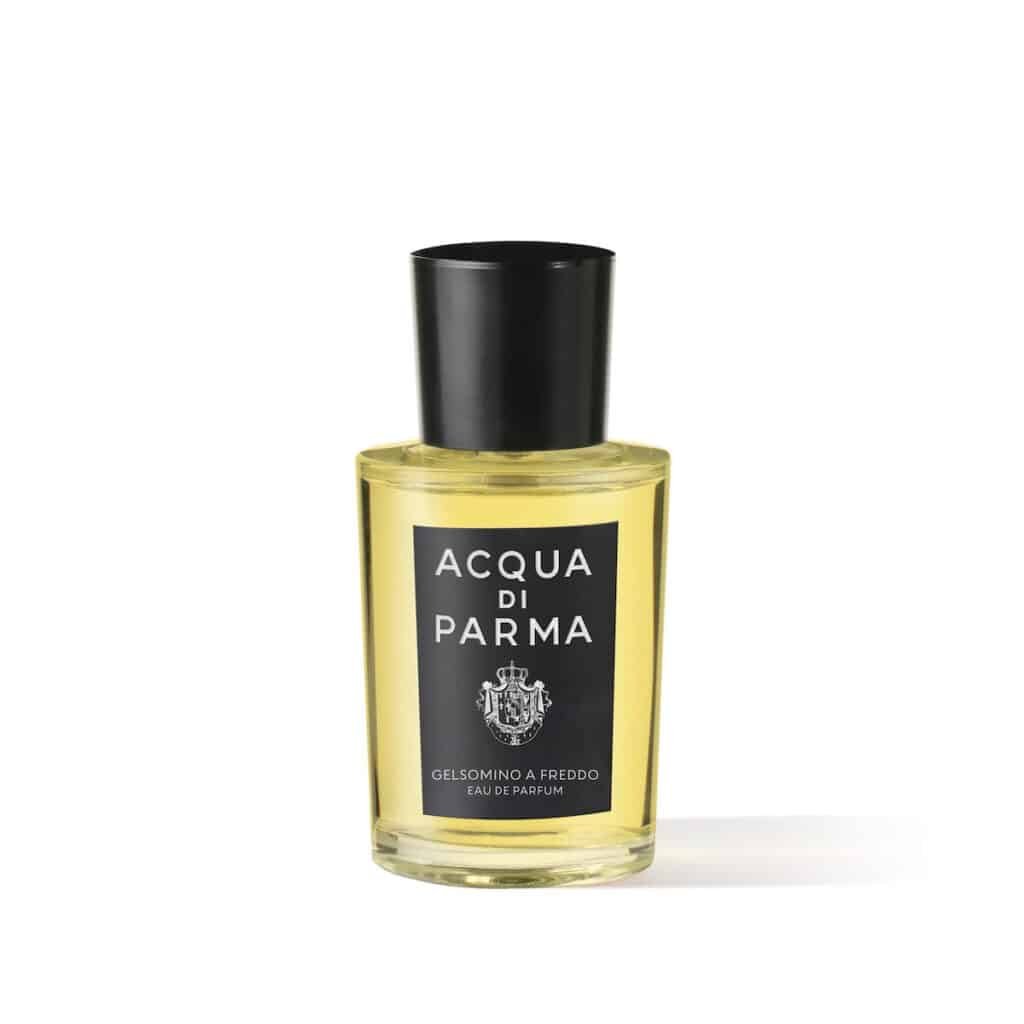
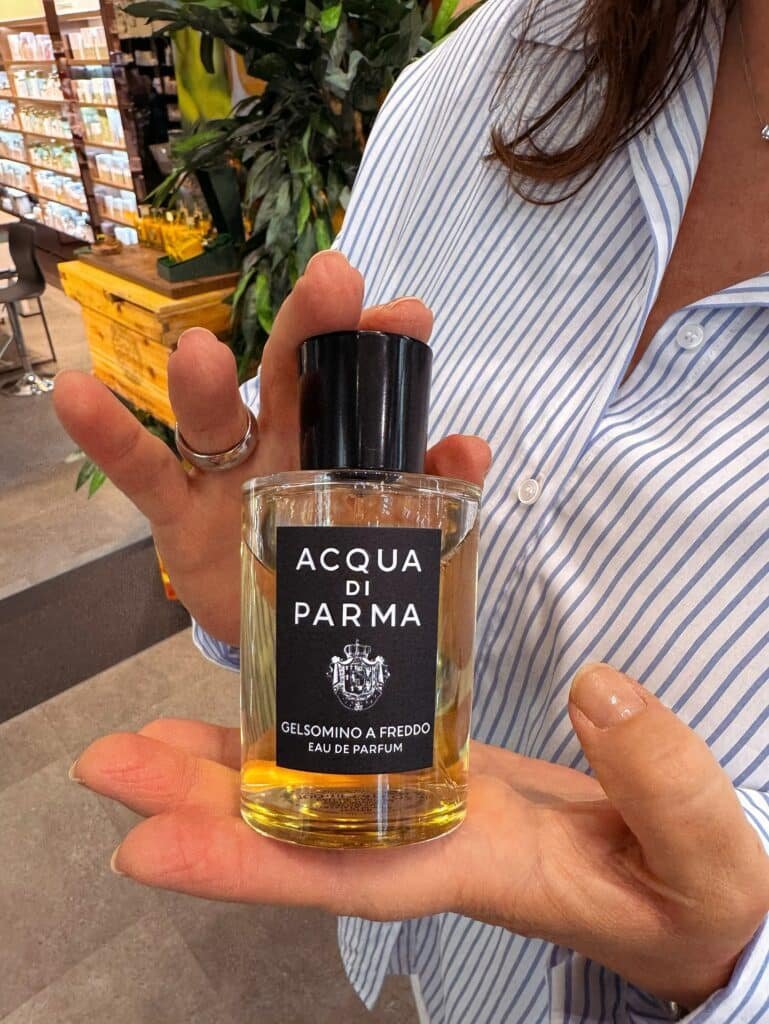
The official presentation uses a transparent bottle, a redesigned label and an updated hatbox. The product page offers 50ml, 100ml and 180ml sizes. It does not describe every bottle as individually numbered or supplied with an enfleurage authentication certificate. Check the packaging of the item offered by your seller, particularly if the listing photographs are generic or show a different size.
Ounass UAE has a 100ml product listing. Use that as a local buying reference, then check its live price, availability and delivery options at checkout. Do not transfer a Canadian or European official price into an AED claim, or assume a Saudi retailer’s listing establishes UAE stock. The country, bottle size and concentration must match before the comparison means anything.
Compare cost per millilitre only after you have chosen the right perfume. A larger bottle can look cheaper per millilitre yet be a worse purchase if you rarely use it. A sample or the smaller size is the sensible first step for an unfamiliar fragrance. Delivery speed, instalments and promotions are seller-specific terms, not permanent characteristics of the perfume. Check returns before opening or spraying the bottle.
Longevity and projection: what to test
There is no verified skin-wear measurement here establishing eight, ten or twelve hours of longevity. Nor does the extraction method prove an arm’s-length projection or superiority to synthetic ingredients. Our recommendation is to test the fragrance through a normal day before buying a large bottle. Record when you apply it, how much you use and when you stop noticing it, rather than borrowing a precise number from an untested review.
A paper strip is useful for an initial comparison, but the purchase decision needs more than the first impression at a counter. If you sample on skin, follow the product instructions and avoid layering it over another perfume. Assess the opening and the later scent separately. Check the current packaging ingredient list if you need to avoid an ingredient; the brand says ingredient listings can change.
Projection and personal enjoyment are different questions. A scent can remain close to you and still be satisfying, while a more noticeable fragrance can become tiring in a shared office or car. Decide how present you want it to be in the setting where you will actually wear it. The best purchase is the one that fits that use, not the one associated with the loudest performance claim.
How to assess it in UAE conditions
Test in your actual routine: an air-conditioned office, a commute, an indoor dinner or time outdoors. The contrast between those settings is more useful than a generic “summer scent” label. Do not infer a UAE longevity result from a reviewer’s experience in another climate. If you mainly wear fragrance indoors, the outdoor temperature alone is a poor reason to rule a floral-woody composition in or out.
For a comparison, keep the dose and setting similar and give each perfume its own test. Assess whether you still enjoy the jasmine after the citrus opening and whether the tea-and-wood direction suits the occasion. If you want a straightforward clean musk or a sharp citrus cologne, this is not the most direct note profile to start with. If floral contrast is what interests you, it earns a place on the shortlist.
Compare by taste, not prestige
When comparing jasmine perfumes, decide which part matters: a prominent flower, tea-like contrast, a softer powdery impression or a woody finish. Then use the published notes to choose samples and your own wearing comparison to decide. A brand’s nationality, a higher price or the word “artisanal” does not establish better longevity or a better fit. Gelsomino a Freddo’s documented combination is distinctive enough without claiming that every alternative is less authentic.
We would spend the time on sampling before spending extra on the largest bottle. The story is attractive, but the useful question is whether that jasmine-and-tea contrast remains enjoyable after the opening. It is also a fragrance to use, not a guaranteed appreciating asset. Resale speculation and a supposed certificate should not substitute for checking the seller, the bottle identity and your own preference.