Walk through the streets of Al Quoz today and you’ll find a district humming with creative energy — a far cry from the days when it was simply a grid of industrial warehouses and workshops. In just over two decades, this once utilitarian part of Dubai has evolved into Dubai’s Art Central, the beating heart…
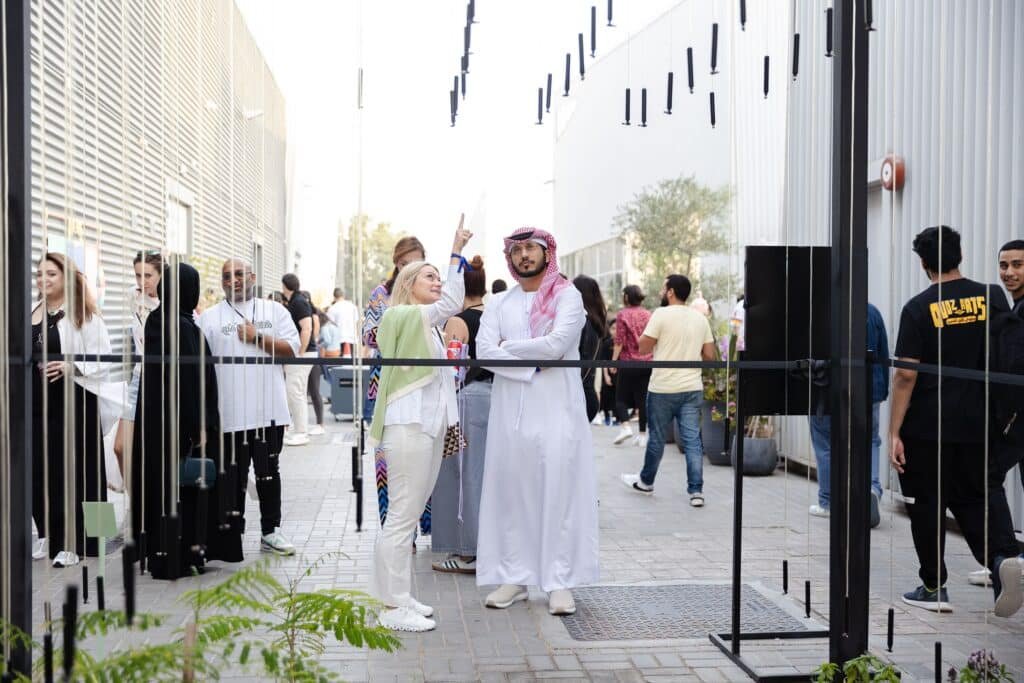
Walk through the streets of Al Quoz today and you’ll find a district humming with creative energy — a far cry from the days when it was simply a grid of industrial warehouses and workshops. In just over two decades, this once utilitarian part of Dubai has evolved into Dubai’s Art Central, the beating heart of the city’s contemporary art scene. Here, concrete façades hide world-class galleries, innovative studios, and cultural spaces that draw visitors, collectors, and creatives from across the globe.
Alserkal Avenue — the beating heart of Al Quoz Art Central — was developed by Abdelmonem Bin Eisa Alserkal on what were originally thirty-nine industrial warehouses. Ayyam Gallery became the district’s first contemporary art gallery in 2008, followed by Carbon 12 in 2009; other galleries quickly followed suit, and the compound doubled in size in a 2012–2015 expansion to roughly 500,000 square feet. In March 2017, Alserkal Avenue unveiled Concrete, its multipurpose events space designed by Rem Koolhaas’s Office for Metropolitan Architecture (OMA) — OMA’s first completed project in the UAE.
This transformation hasn’t happened by accident. It’s the result of vision, community, and a shared belief that art belongs not only in museums but in the daily rhythm of urban life.

The Rise of a Creative Hub
The shift began in the early 2000s, when artists and gallerists started to see potential in Al Quoz’s spacious warehouses and affordable rents. At first, the migration was quiet — a handful of studios and experimental galleries setting up in forgotten corners of the district. But word spread quickly through Dubai’s growing creative circles, and Al Quoz began to attract a diverse mix of talent.
Today, the area is an eclectic patchwork of spaces where oil paintings share walls with digital installations, and live performances unfold next door to workshops on traditional crafts. It’s a place where creative boundaries dissolve, and collaboration thrives.

Key Art Venues in Al Quoz
Alserkal Avenue: The Epicentre
If Al Quoz is Dubai’s art central, Alserkal Avenue is its nucleus. This cultural district, developed in 2008, now houses more than 60 contemporary art galleries, creative studios, and cultural initiatives. It’s a place where you can step from an immersive video installation into a sculpture workshop, or from a photography exhibition into a panel discussion with artists and curators.
Alserkal Avenue is also known for its event programming. Annual and seasonal exhibitions bring together emerging and established talent, while international collaborations connect Dubai’s art scene to cultural hubs in London, New York, and beyond. It’s a platform that gives local voices a global stage.

The Third Line: Championing Middle Eastern Art
Founded in 2005, The Third Line has become one of the most influential galleries in the region. Its focus on contemporary Middle Eastern art has helped elevate regional voices in the global art market. Representing a carefully curated roster of established and emerging artists, The Third Line is known for exhibitions that challenge, provoke, and inspire.
Its role goes beyond sales. Through artist talks, publications, and participation in international art fairs, The Third Line has been instrumental in reshaping perceptions of Middle Eastern creativity and diversity.
Leila Heller Gallery: Bridging Worlds
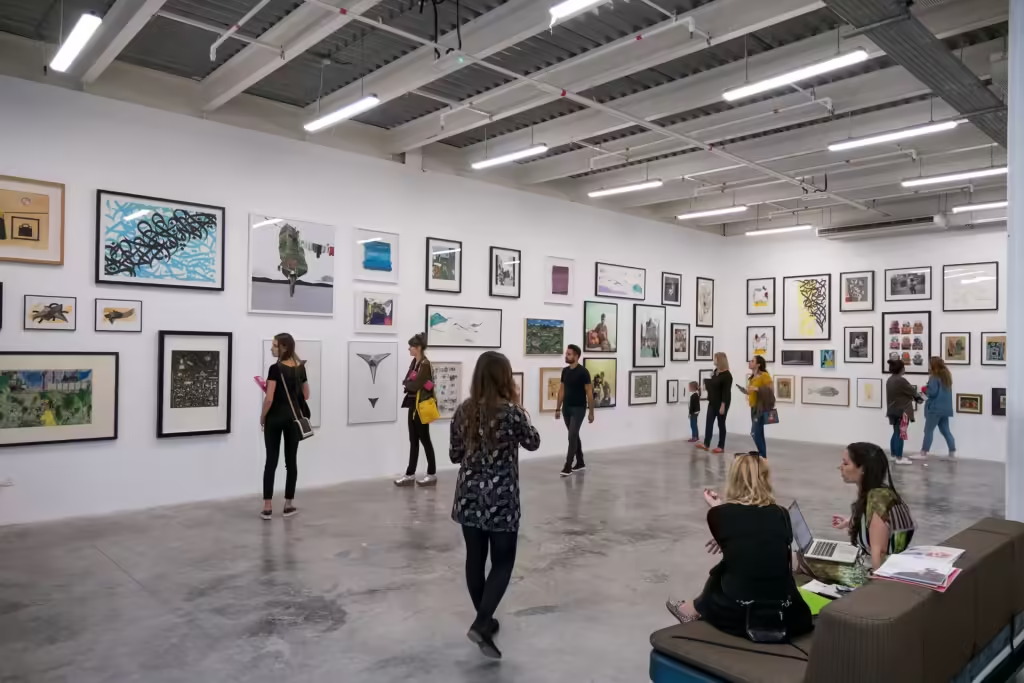
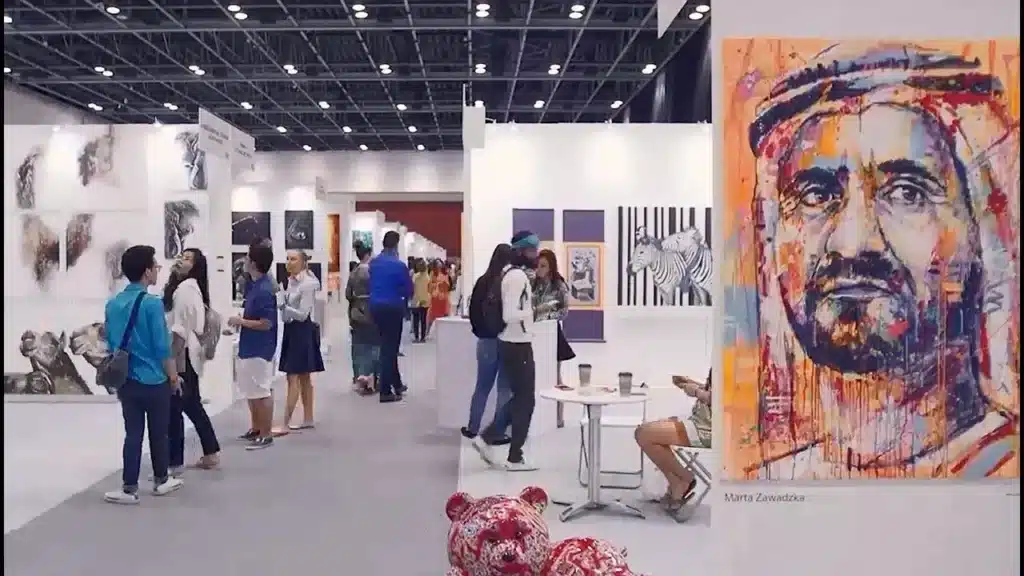
The Dubai outpost of the Leila Heller Gallery adds an international dimension to Al Quoz Art Central. With roots in New York, the gallery blends global and regional perspectives, showcasing artists from around the world alongside notable Middle Eastern names. Its exhibitions range from cutting-edge contemporary work to historically significant pieces, creating conversations between past and present, East and West.
More Galleries Worth Seeking Out
Beyond The Third Line and Leila Heller, the district’s original wave of galleries is still very much active: Ayyam Gallery (the first to open in Al Quoz, in 2008) and Carbon 12 (one of the region’s most consistently experimental contemporary spaces, since 2009) anchor the older end of the Avenue, while Gallery Isabelle van den Eynde and Green Art Gallery both became the first galleries from the region to be selected for Art Basel’s Art Statements section — a genuine mark of international credibility for Dubai’s art scene.
Cultural Events That Define the District
Al Quoz is more than a collection of galleries — it’s an experience. The district’s events draw crowds from across the UAE and further afield, providing opportunities for art lovers and newcomers alike to engage with the scene.

Alserkal Art Week
Held twice a year, Alserkal Art Week transforms the avenue into a hive of creative activity. Openings, performances, and workshops run from morning until late at night. Visitors can meet artists, watch live demonstrations, and explore exhibitions that reflect both local narratives and global trends.
Quoz Arts Fest
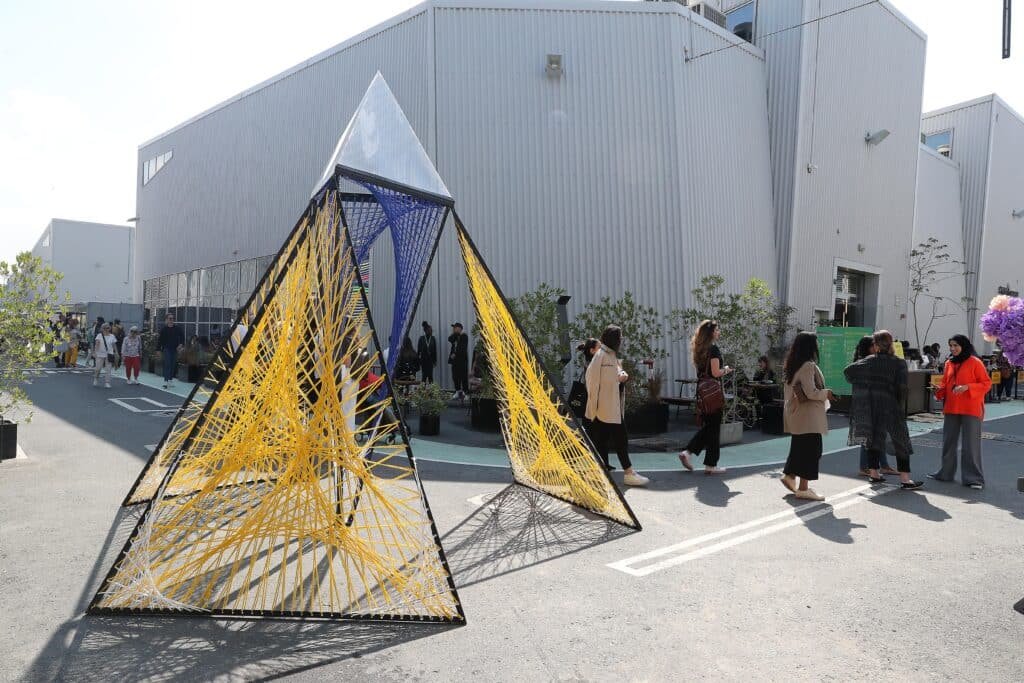
An annual celebration of art and community, Quoz Arts Fest brings together live music, street performances, interactive installations, and hands-on workshops. Its 2022 edition alone drew around 40,000 visitors over two days across close to 200 activations — a scale that puts it among the UAE’s biggest free cultural gatherings. It’s a reminder that art here isn’t confined to white walls — it spills into the streets, inviting everyone to participate.
Diversity and Innovation
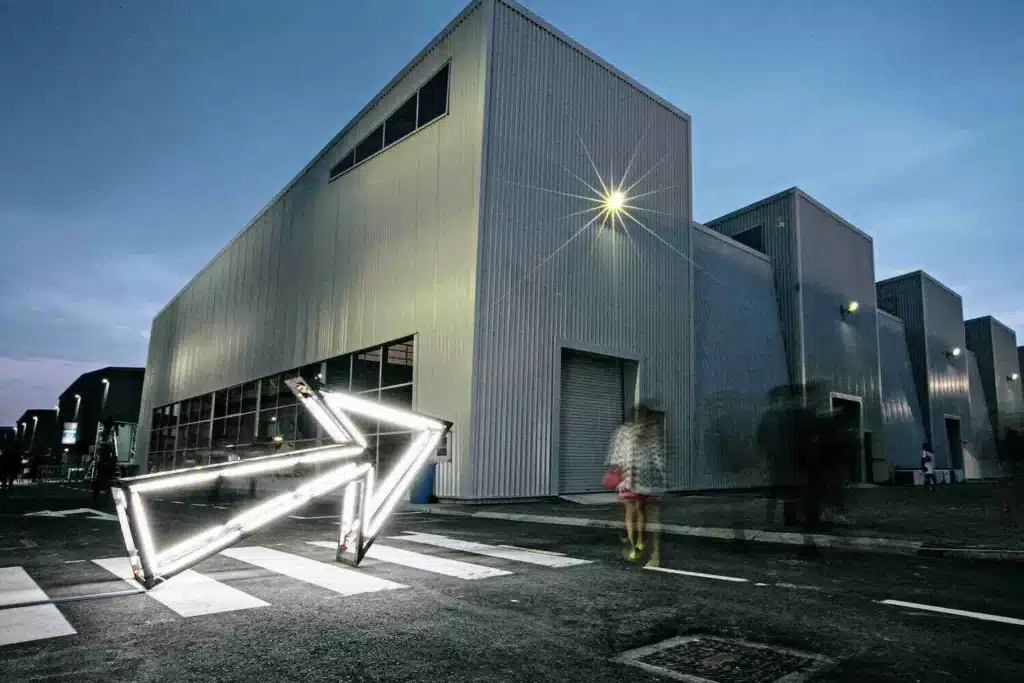
What makes Al Quoz stand out is its willingness to embrace every shade of artistic expression. Contemporary painting, street art, conceptual installations, and traditional craftsmanship coexist in an open, collaborative environment. This diversity attracts a global audience while staying rooted in the region’s cultural heritage.
Al Quoz is also a place of experimentation. Pop-up exhibitions, artist residencies, and interdisciplinary collaborations ensure that the scene never feels static. The district has become a proving ground for new ideas, where the risk of innovation is met with community support.
Planning Your Visit
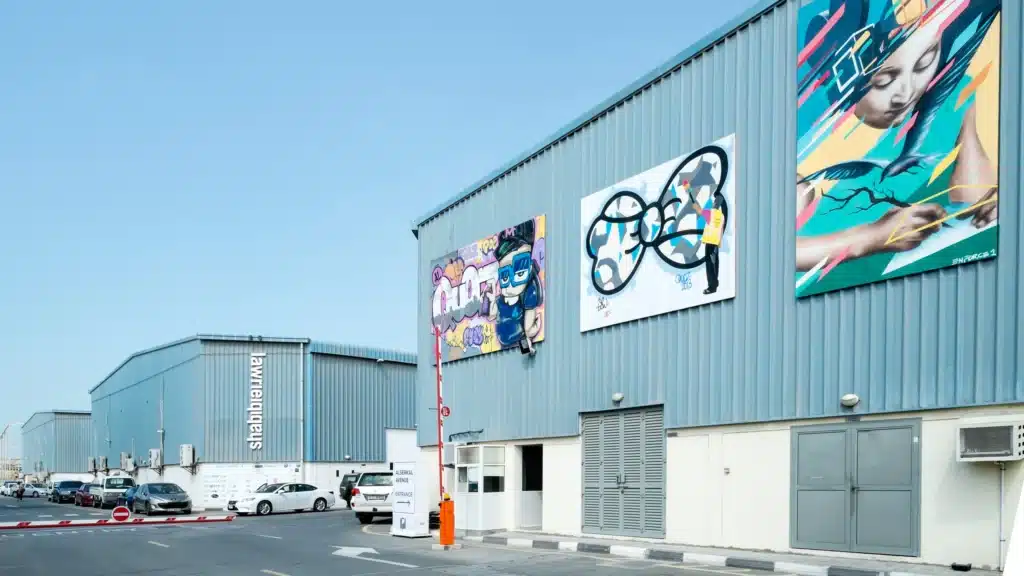
Alserkal Avenue sits in the Al Quoz 1 industrial area and is reached through three entrances, on 17th Street, 6A Street and First Al Khail Street. The nearest metro stop is Onpassive Metro Station (formerly Al Safa) on the Red Line, about a 5-minute taxi ride, 10-minute bus ride or 30-minute walk from the Avenue — RTA’s dedicated bus 110 runs the route every 12 minutes from the Al Safa Bus Terminus. Driving in from Sheikh Zayed Road, take the Al Manara exit into Al Quoz, then First Al Khail Street and 17th Street; parking is not permitted inside the Avenue itself, but more than 500 RTA-metered spaces (code 364C) surround it. Galleries are typically free to enter and most keep gallery hours from Tuesday to Saturday, while cafés, studios and the Avenue itself stay open later into the evening — check individual gallery listings before visiting, since hours vary venue to venue.
Looking Ahead: The Future of Al Quoz Art Central
Dubai’s leadership has made cultural development a national priority, and Al Quoz is central to that vision. Plans for the coming years include expanded public spaces, better infrastructure for visitors, and more dedicated areas for large-scale installations and performances.
As the UAE strengthens its position as a global cultural destination, Al Quoz Art Central will continue to be the place where the city’s creative identity is forged and celebrated. It’s a district that has already proven the transformative power of art — and its story is still being written.