In the dimly lit heart of East London in 2010, a cultural moment quietly unfolded in the corner of a dilapidated boiler room. A webcam, hastily taped to a wall, streamed a live DJ set onto the early internet. No stage, no crowd barriers, no press. Just raw music, sweat, and energy pulsing through underground…
In the dimly lit heart of East London in 2010, a cultural moment quietly unfolded in the corner of a dilapidated boiler room. A webcam, hastily taped to a wall, streamed a live DJ set onto the early internet. No stage, no crowd barriers, no press. Just raw music, sweat, and energy pulsing through underground London. That evening wasn’t merely a one-off event; it was the genesis of what would become one of the most transformative platforms in modern music history: Boiler Room.
This now-global phenomenon has since reinvented the way audiences experience club culture, while democratising access to the underground music scene. But how exactly did a grimy, hidden-away room in Hoxton become the epicentre of an international movement? The story of Boiler Room is more than just music livestreams. It’s about trust, intimacy, disruption, and the deep cultural resonance of authenticity in a digitally saturated world.
The Unlikely Origins
The concept began almost as an accident. Blaise Bellville, a creative entrepreneur with an eye for untapped trends, was running a magazine called Platform. Alongside Thristian Richards and Femi Adeyemi, he decided to try something new: stream a live DJ session from the backroom of Platform’s East London office. With no budget, they used a borrowed webcam, aimed it at a turntable setup, and hit record.
The response was immediate and electric. In a time before Instagram Live or TikTok DJ sets, Boiler Room offered a voyeuristic glimpse into an authentic underground experience. People tuned in from around the globe. Word spread rapidly, not through expensive marketing campaigns, but via blogs, forums, and friends sharing links. For a generation growing tired of over-commercialised music festivals and sanitised media, Boiler Room felt real. It was.
Disrupting the Traditional Model
Before Boiler Room, access to electronic music’s most intimate moments was restricted. Exclusive clubs, opaque guest lists, and expensive tickets meant many fans never experienced the beating heart of the scene. Boiler Room dismantled these barriers. It offered front-row access to legendary sets by streaming them directly into homes, bedrooms, and headphones worldwide.
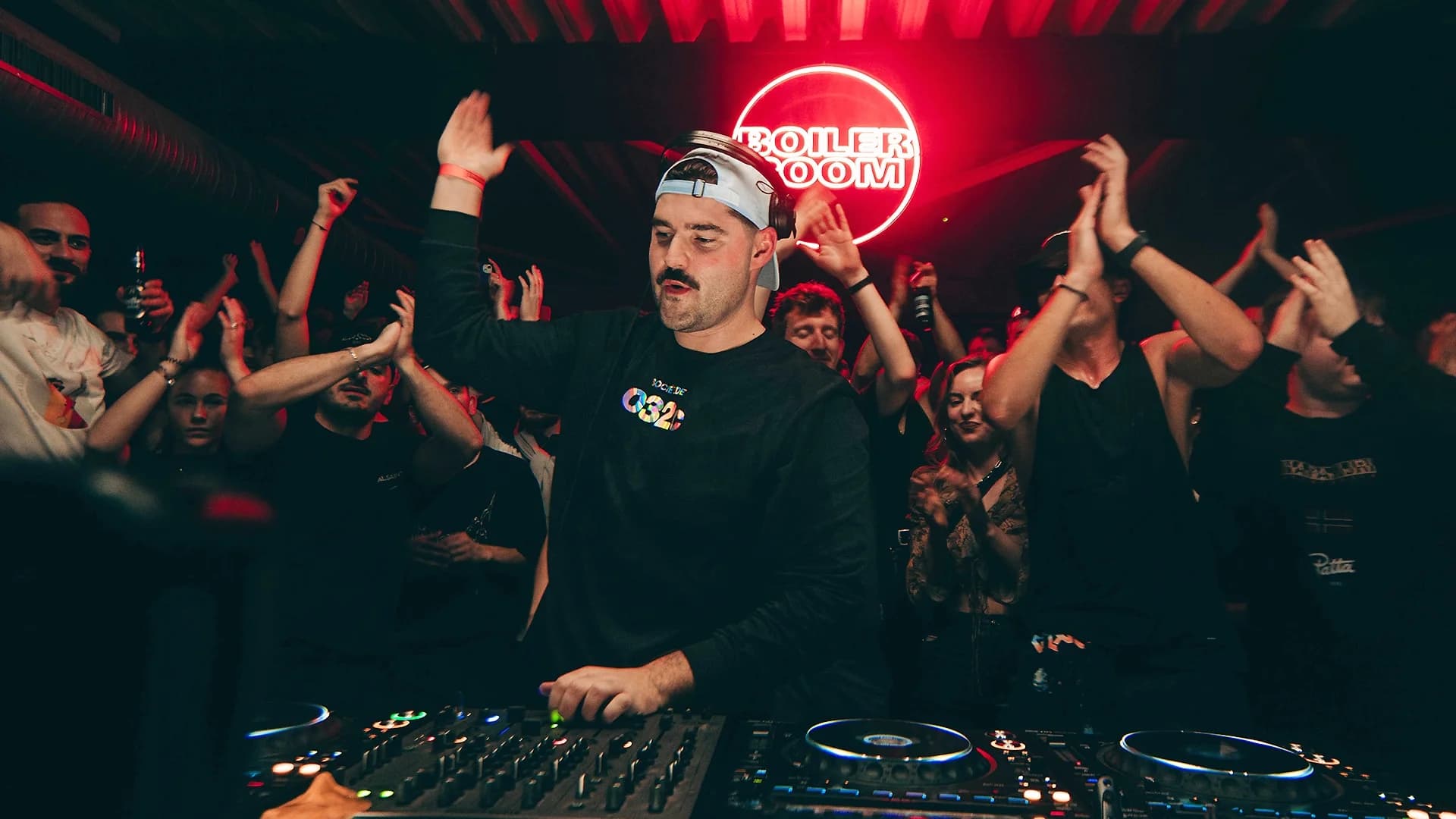
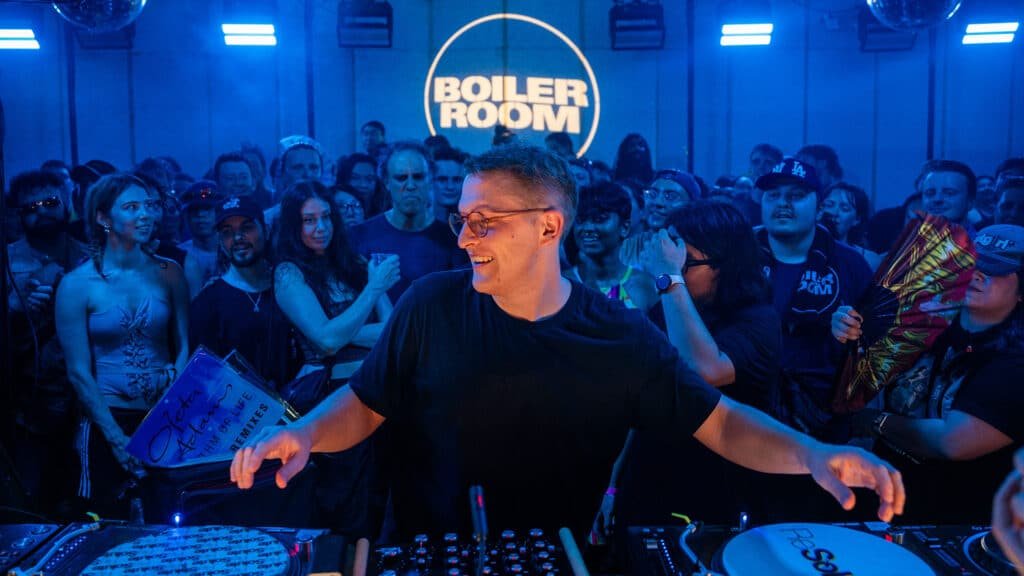
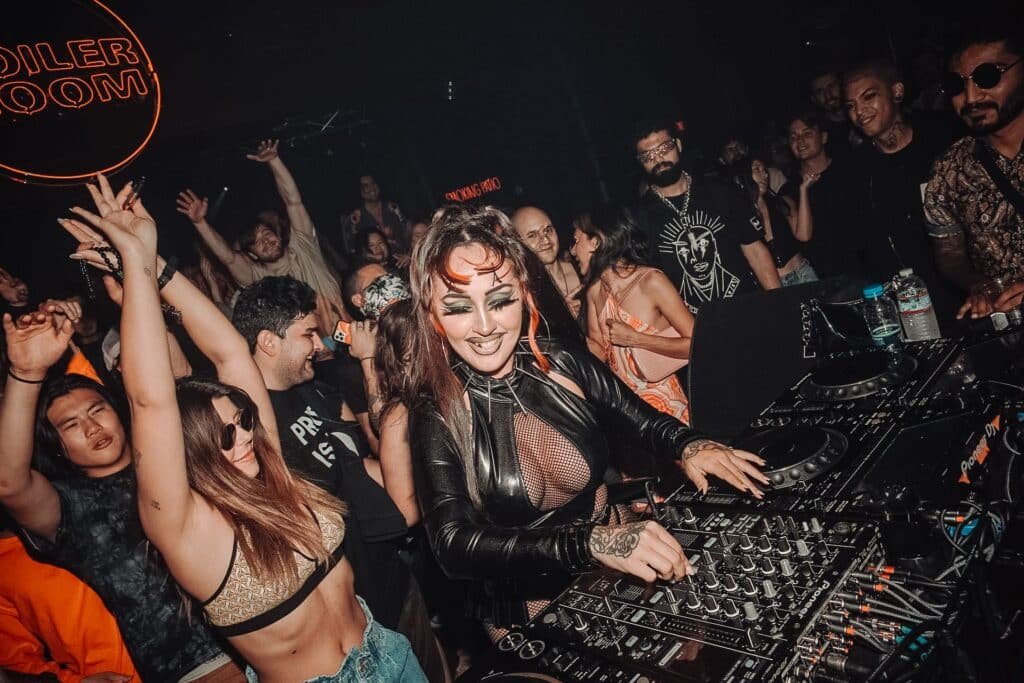
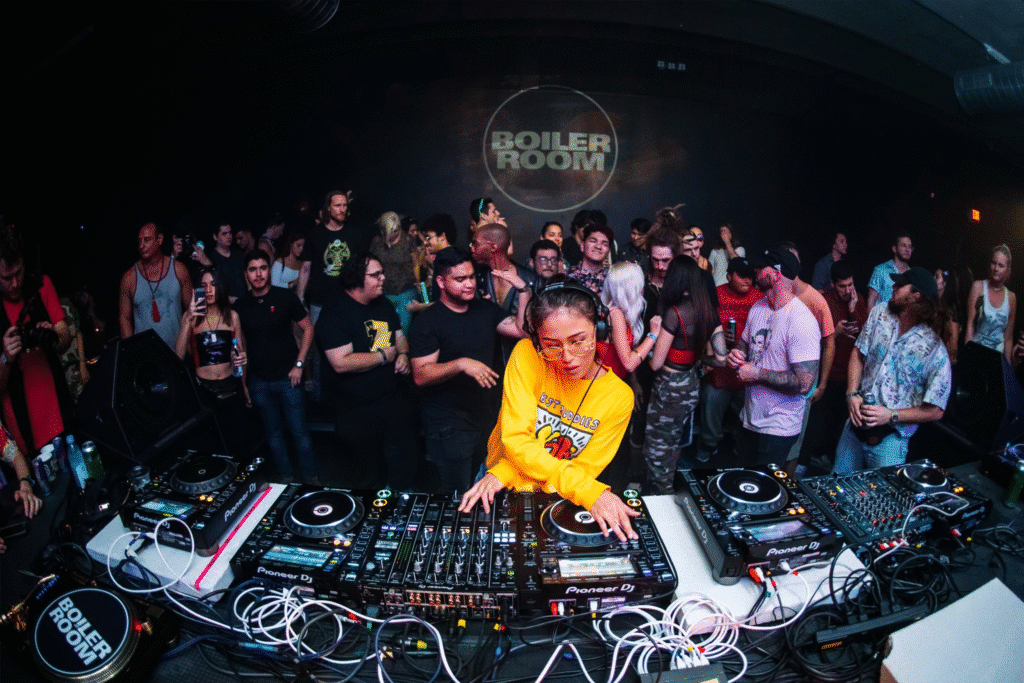
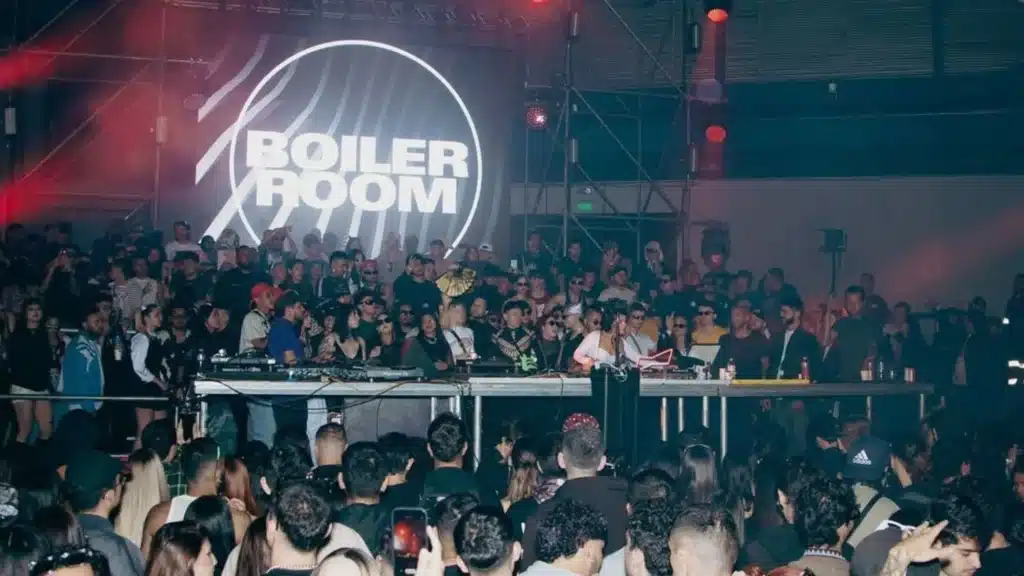
The visual format was stripped back: a static camera, the iconic Boiler Room logo behind the decks, and dancers circling the DJ. But that minimalism became its trademark. The camera focused on the artist, not the audience, shifting the narrative away from celebrity culture and back to the music.
This was more than a technical breakthrough. It was a philosophical stance. Boiler Room wasn’t interested in the glitz. It celebrated the sweat. It celebrated the sound.
Scaling a Boiler Room Subculture
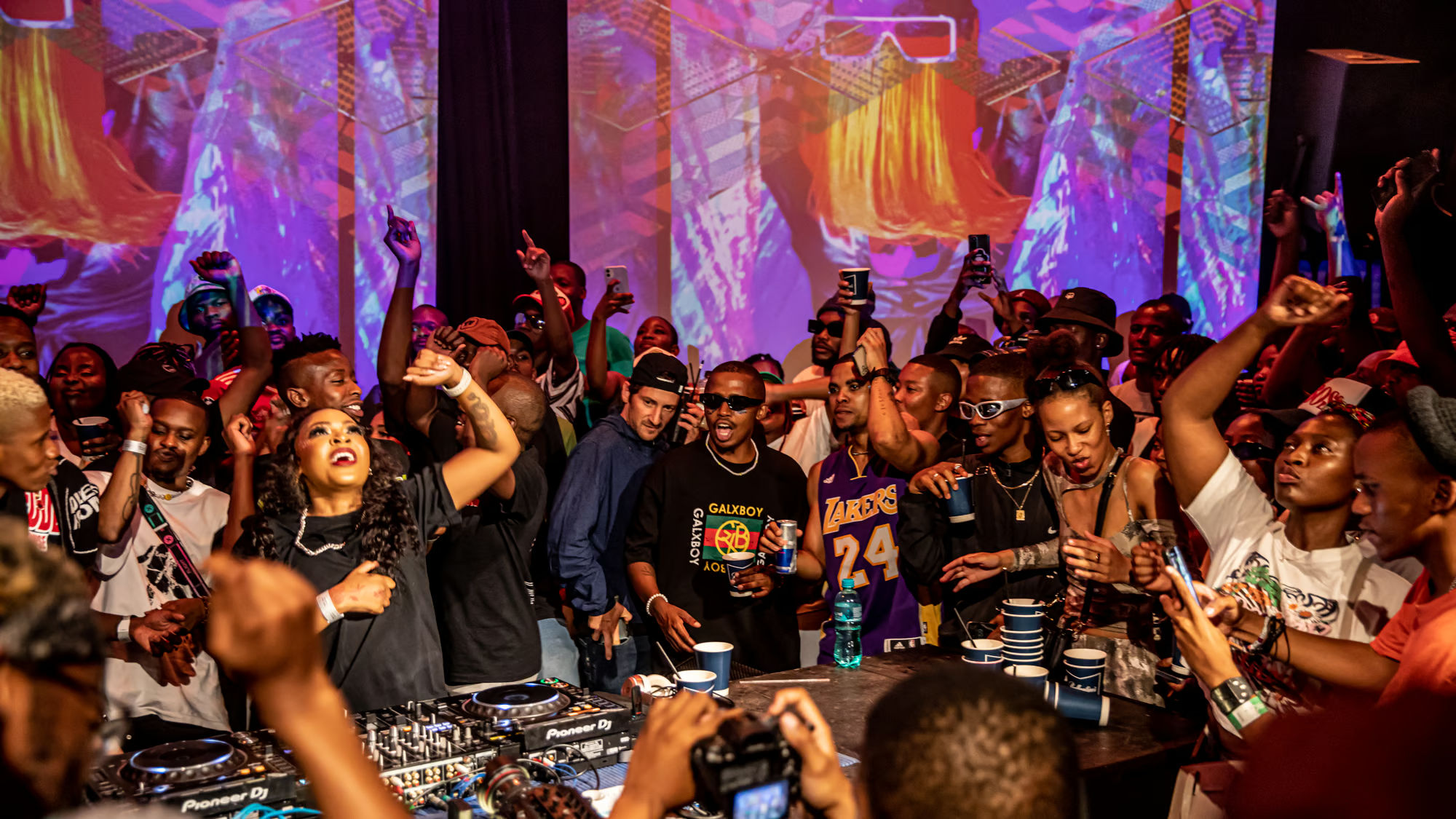
As its popularity surged, Boiler Room quickly evolved beyond London. It became a passport to global underground scenes, hosting events in Berlin, Los Angeles, Tokyo, Johannesburg, and São Paulo. Each city brought its own sonic identity, and Boiler Room curated these with care and cultural sensitivity.
In New York, it delved into hip-hop, in Berlin, it captured the essence of minimal techno, and in Johannesburg, it showcased gqom and kwaito. Unlike many Western media platforms, Boiler Room didn’t impose a centralised narrative. It allowed each scene to tell its own story. Local artists were given equal billing alongside international headliners. This approach not only elevated lesser-known talent but also validated entire subcultures in front of a global audience.
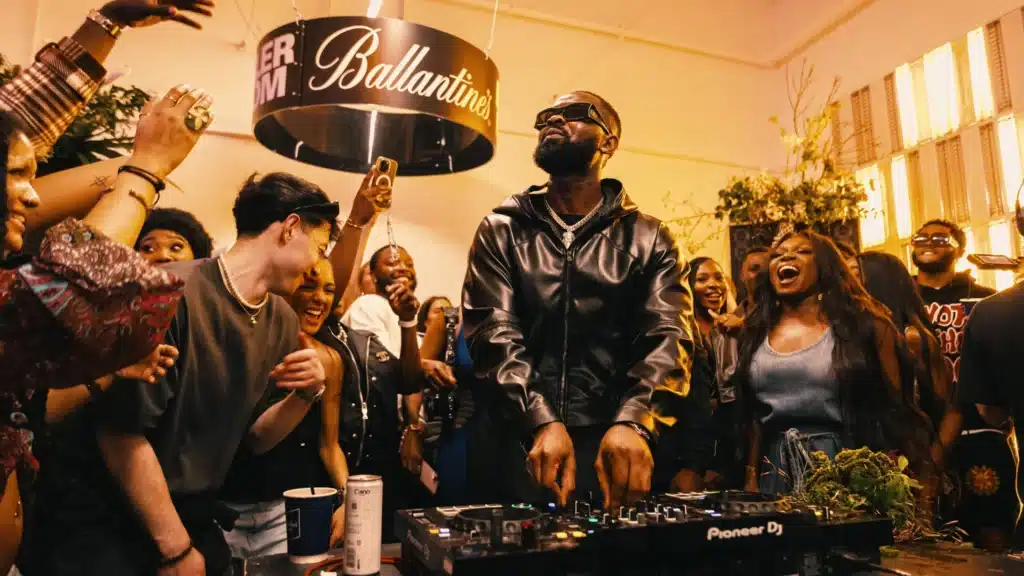
Boiler Room events remained physically intimate, being invite-only and hosted in unconventional venues such as warehouses, record shops, rooftops, and basements. Yet digitally, they were massive. Hundreds of thousands of people tuned in live, while millions would eventually watch the recorded sets on YouTube.
The Media Evolution
By the late 2010s, Boiler Room began embracing its identity as a full-fledged media company. Livestreams continued to be its backbone, but it expanded into documentary filmmaking, branded content, and even original video series. The launch of 4:3, its video platform dedicated to music films and visual storytelling, signalled this shift.
4:3 wasn’t just a streaming service. It was a curated space for avant-garde music films, artist interviews, and experimental content. It allowed Boiler Room to deepen its engagement with music culture beyond the club night. Importantly, it also positioned the platform as a competitor not just to other music blogs or video platforms, but to mainstream broadcasters.
Boiler Room also dabbled in television-style programming. Its productions retained the rawness that fans had come to love but were elevated in quality and narrative depth. This evolution turned the brand into something larger than a YouTube channel. It became a kind of television network for global youth culture, one that didn’t rely on cable boxes but ran 24/7 on laptops and smartphones.
Boiler Room Is More Than Music
The impact of Boiler Room reaches far beyond club culture. It has played a pivotal role in documenting musical history as it unfolds. In an era where live music moments often evaporate into memory, Boiler Room provides a permanent, searchable archive. One can trace the evolution of genres, track the career arc of artists, and revisit legendary performances with a few clicks.
Boiler Room has also championed social causes. It has used its platform to spotlight queer collectives, amplify marginalised voices, and support initiatives around mental health and racial justice. This isn’t performative. It’s embedded in the DNA of the brand. Diversity, representation, and grassroots support aren’t buzzwords—they’re the foundation upon which Boiler Room stands.
The intimacy of its format makes political statements even more potent. When a trans artist takes over the decks in a tiny Parisian warehouse, it isn’t framed as tokenism. It’s framed as normal. That’s powerful. That’s culture-shifting.
Challenges and Controversies
As with any cultural institution, Boiler Room hasn’t been without controversy. There have been criticisms about its early lack of diversity, questions about gentrification within underground scenes, and debates around commercialisation. Some early adopters lamented that the brand “sold out” as it partnered with major sponsors or began charging for events.
However, the platform has been responsive. Its programming has diversified. Its events have become more inclusive. And while partnerships have increased, they’ve largely stayed in line with the brand’s ethos. Unlike many platforms that lose their soul when scaling, Boiler Room has managed to evolve without erasing its origins.
The Boiler Room Legacy Being Written
Today, Boiler Room represents far more than a music livestream platform. It’s a living document of global youth culture. It has created a decentralised, bottom-up approach to music broadcasting that stands in stark contrast to top-down, label-driven systems.
It also offers a lesson in brand-building for the digital age. Boiler Room never relied on algorithms. It relied on authenticity. They never chased trends. It made them. They never pandered to mass audiences. It trusted that niche audiences, when treated with respect, would grow organically.
This model—based on real people, real spaces, and real music—has proven sustainable in an era of fleeting virality. That sustainability is rare. And it’s instructive.
Last Drop: From Boiler Room to World Stage
There’s something poetic about the name itself. A boiler room is a place of pressure, of heat, of unseen intensity. And in many ways, that’s exactly what Boiler Room has captured. It brings to light the hidden corners of global music culture and gives them a spotlight.
Boiler Room didn’t become a TV nightclub by chasing television. It became one by rewriting what broadcast even means. In doing so, it has forever changed the relationship between music, media, and the dancefloor.