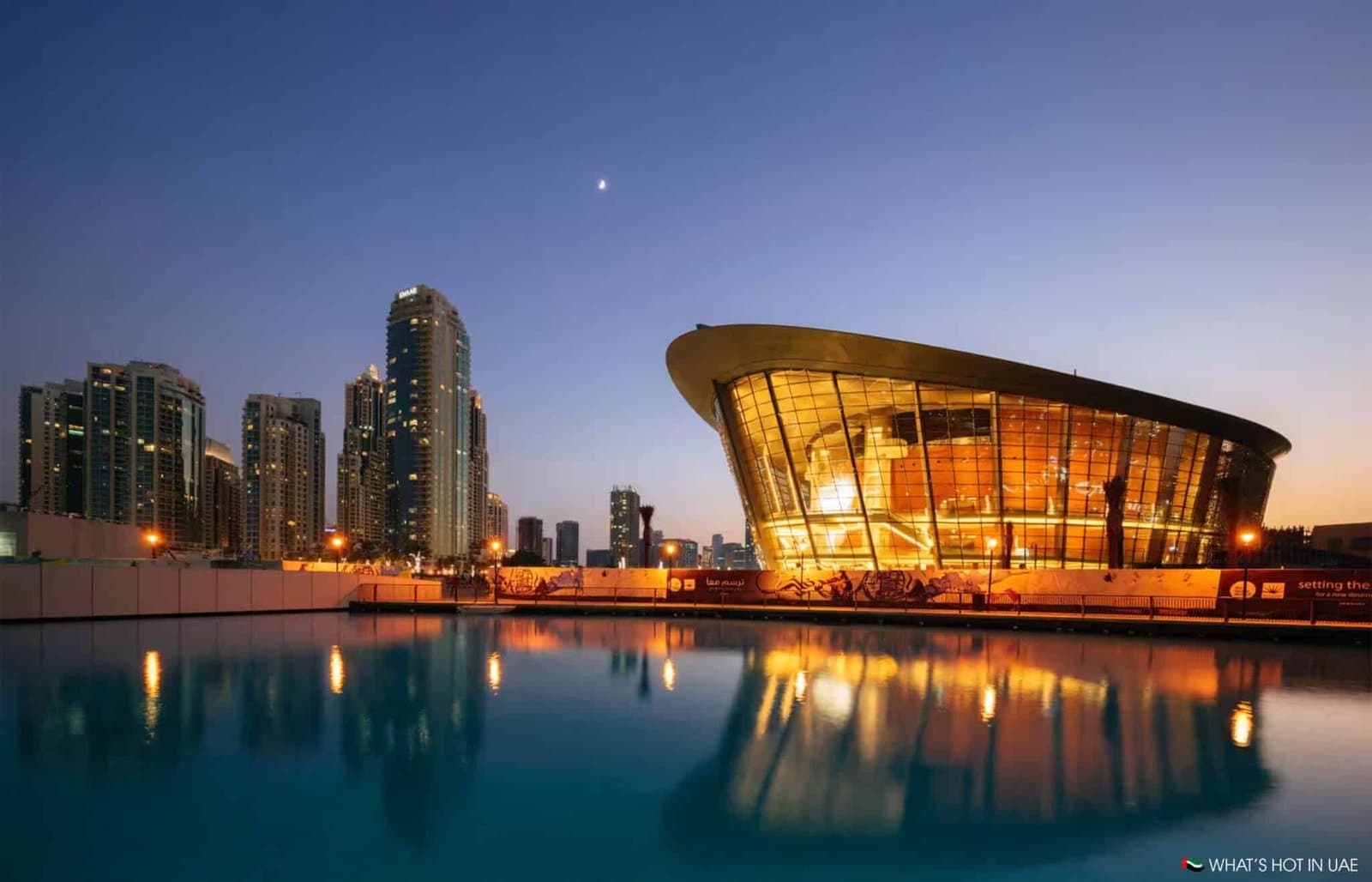
Dubai Opera is a performing-arts venue in Downtown Dubai with a dhow-inspired design and an auditorium seating up to 2,000. Its distinguishing feature is the ability to change between theatre, concert-hall and flat-floor formats. This guide explains the building, its spaces and how to choose a visit. A show, an architecture tour and a private…
Dubai Opera is a performing-arts venue in Downtown Dubai with a dhow-inspired design and an auditorium seating up to 2,000. Its distinguishing feature is the ability to change between theatre, concert-hall and flat-floor formats. This guide explains the building, its spaces and how to choose a visit. A show, an architecture tour and a private event are different bookings.
Looking for the current programme? See our full Dubai Opera 2026 tickets and schedule guide for what’s on, how to book, and practical visitor tips.
Our reason to choose Dubai Opera is a particular performance in a purpose-built setting. The architecture makes the visit interesting, but it cannot make every production equally worthwhile for every audience. Start with the artist or show, then compare the actual seat, timing and access. For the current programme, use the schedule guide above; this page focuses on the venue itself.
Dhow-Inspired Architecture and History
Dubai Opera’s official history identifies Atkins as the designer and Janus Rostock as lead architect. The dhow-inspired form refers to the Arabian Gulf’s maritime heritage. The venue opened on 31 August 2016 and was developed by Emaar Properties. These are specific design and history facts, rather than a claim that the architecture wins every comparison with other theatres.
The operator publishes a size of 650,000 square feet. That figure should not be confused with auditorium capacity or the floor area available in one event configuration. A building can contain public foyers, performance space and operational areas; the published headline size does not give a visitor access to all of them. For a booked function, use the named room’s own layout and capacity.
For architecture-focused visitors, the exterior and the internal tour offer different experiences. Viewing the building from a permitted public position does not include backstage entry. A tour is the clearer choice when the interest is the design and spaces rather than a performance. Reserve the actual available tour instead of assuming an ordinary concert ticket gives a guided look around the whole building.
Choose the Performance, Not Just the Venue
The name does not restrict the programme to opera. The official site describes theatre, ballet, orchestral concerts and contemporary music, with the auditorium also available for other formats. Choose the actual listing for the performance style you enjoy. A familiar singer’s concert, a ballet and a musical can have different runtimes, intervals and audience expectations even within the same building.
A calendar announcement establishes the billed production, not a review of its delivery. We do not assume every show sells out within hours or that every touring company will use the same staging as an overseas run. Check the named cast or company where supplied, the performance date and the description of the version presented. A tribute, screening and live appearance should not be treated as interchangeable.
Our preference is to choose the programme before the prestige. If the artist or story does not interest the group, an impressive venue will not solve that mismatch. Compare two realistic options, including timing and the final ticket price. The separate Dubai Opera shows and tickets guide is the place to start for the current calendar.
How the Three Auditorium Formats Differ
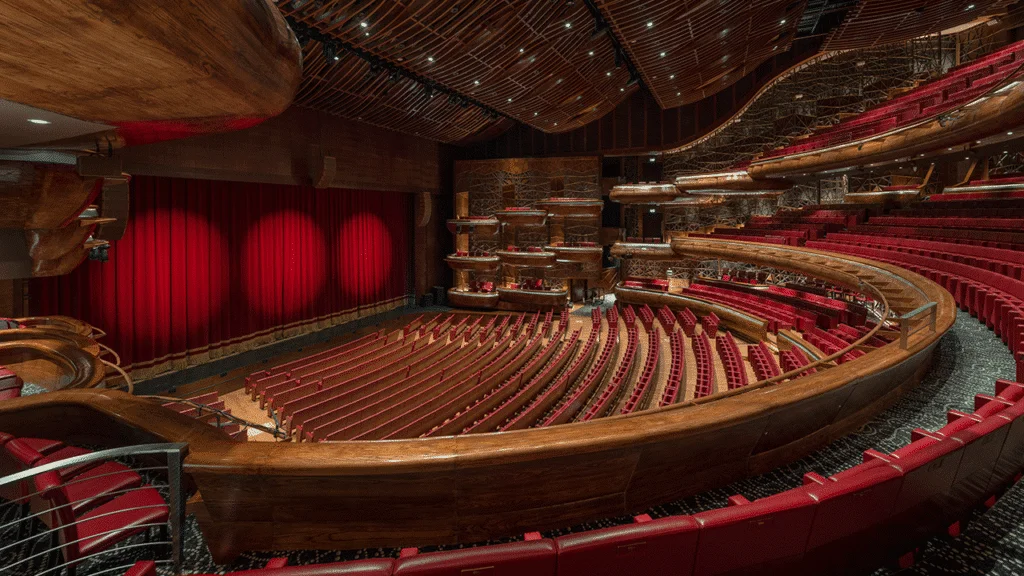
AtkinsRéalis describes three modes: theatre, concert hall and flat floor. Its project account gives the flat-floor form as 2,000 square metres for uses such as exhibitions and galas. That is distinct from the auditorium’s maximum seat count. A capacity headline should never be copied into every event layout without checking the chosen configuration.
The operator describes an acoustic shell formed by towers and overhead reflectors in concert mode. That is a specific design feature; it does not justify a claim of better sound than Vienna’s Musikverein or London’s Royal Albert Hall. Different productions also use different sound setups. For the reader, the useful consequence is to check what is being staged, not infer the exact listening experience from a generic architectural description.
An organiser should distinguish installed capability from the package quoted for the event. Lighting, sound, staging, rehearsals and staffing can have their own technical brief and costs. A visitor should make the equivalent distinction with seating: the layout shown for the booked performance matters more than a permanent plan copied from another night. Confirm any restricted view or special configuration before payment.
Five Distinctive Venue Spaces
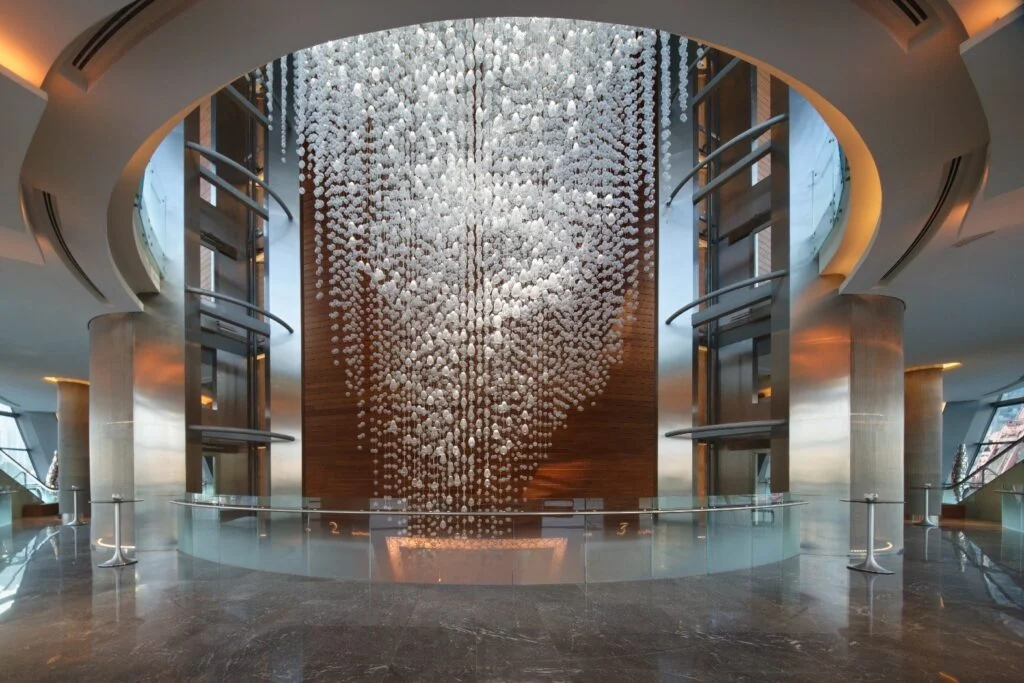
The current venue page identifies the Auditorium, Studio, Promenade, Garden and Grand Circle Foyer. The Studio is on the Grand Circle; the Garden is an open-air event space; the Grand Circle Foyer features the Symphony Chandelier. These spaces serve different functions. They are not five rooms that every ticket holder can use freely throughout the evening.
The event determines which space you need. A main-stage performance directs the audience to its auditorium seating, while a reception or private dinner can use a different area. Confirm the exact location on the invitation or booking. Arriving at the correct building is only the first step; a venue with several spaces needs a clear room name and event reference.
For private hire, compare the setting with the practical requirements. An outdoor garden can suit a reception but brings weather and production considerations; an indoor foyer or Studio offers a different layout. Ask about seating versus standing capacity, accessible routes, catering and sound conditions in the written proposal. Do not assume multiple events can operate simultaneously without any effect on your booking.
Celebrating Regional Cultural Heritage
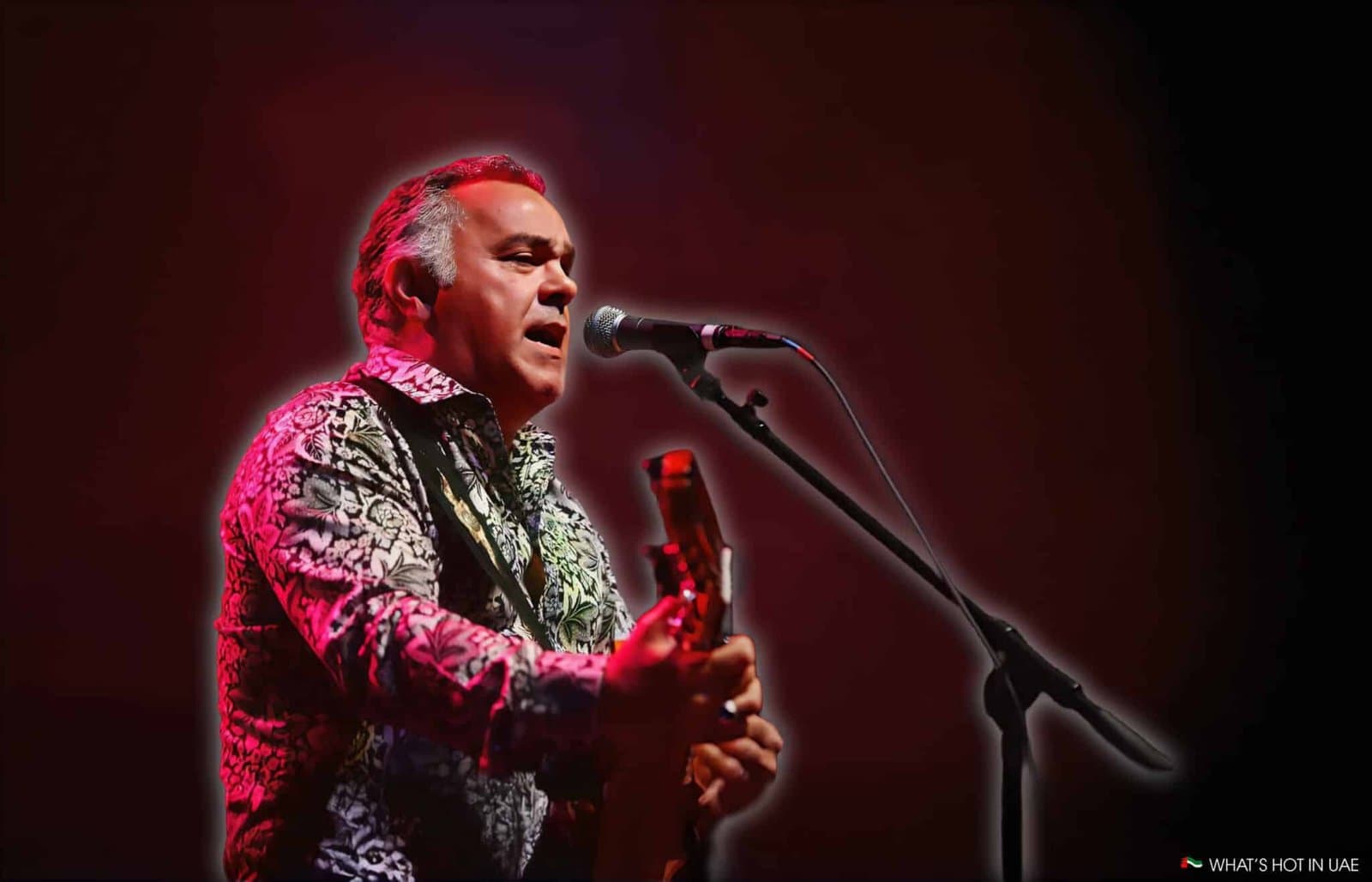
The dhow reference gives the architecture a local connection, while the programme can bring different traditions to the same stage. That is the interesting combination: a recognisable Dubai building that hosts several art forms. A current regional music or performance listing is more useful than an unsupported statement that every season runs a particular heritage programme.
For a regional artist, read the announced format closely. A solo recital, ensemble performance and orchestral arrangement can offer different interpretations. The programme may identify instruments, guests or the production company; those details help make a choice. Do not assume an international collaboration, premiere or educational partnership unless it is actually named in the event information.
The same care applies to cultural workshops. Use a dated programme and its participant requirements rather than arrive expecting an open class. A venue’s broad cultural role does not mean a workshop is included in a performance ticket. For a family or school group, the useful question is which activity is available, who it suits and what the booking covers.
Corporate Events and Private Functions
Dubai Opera offers venue hire for corporate gatherings, galas and private celebrations. Its enquiry form asks for the event type, chosen venue and proposed date. Treat that as the start of a proposal, not confirmation that a preferred date or technical setup is available. The programme and preparation requirements can affect what is possible.
Give the team a useful brief: approximate attendance, seating or standing format, catering needs, performance or presentation content, timing and accessibility requirements. Ask which services are included and which need another supplier or fee. A stage, screen or artist meet-and-greet should not be assumed from the venue’s name. Include rehearsal and setup time in the enquiry when relevant.
Compare the written proposal as a complete event, rather than a room-price headline. Guest flow, registration, transport, technical production and the end-of-night plan all matter. Confirm the cancellation and payment milestones before signing. The building’s reputation cannot guarantee a launch’s media coverage or commercial success; the programme and arrangements remain the organiser’s job.
Plan a Downtown Evening Around the Show
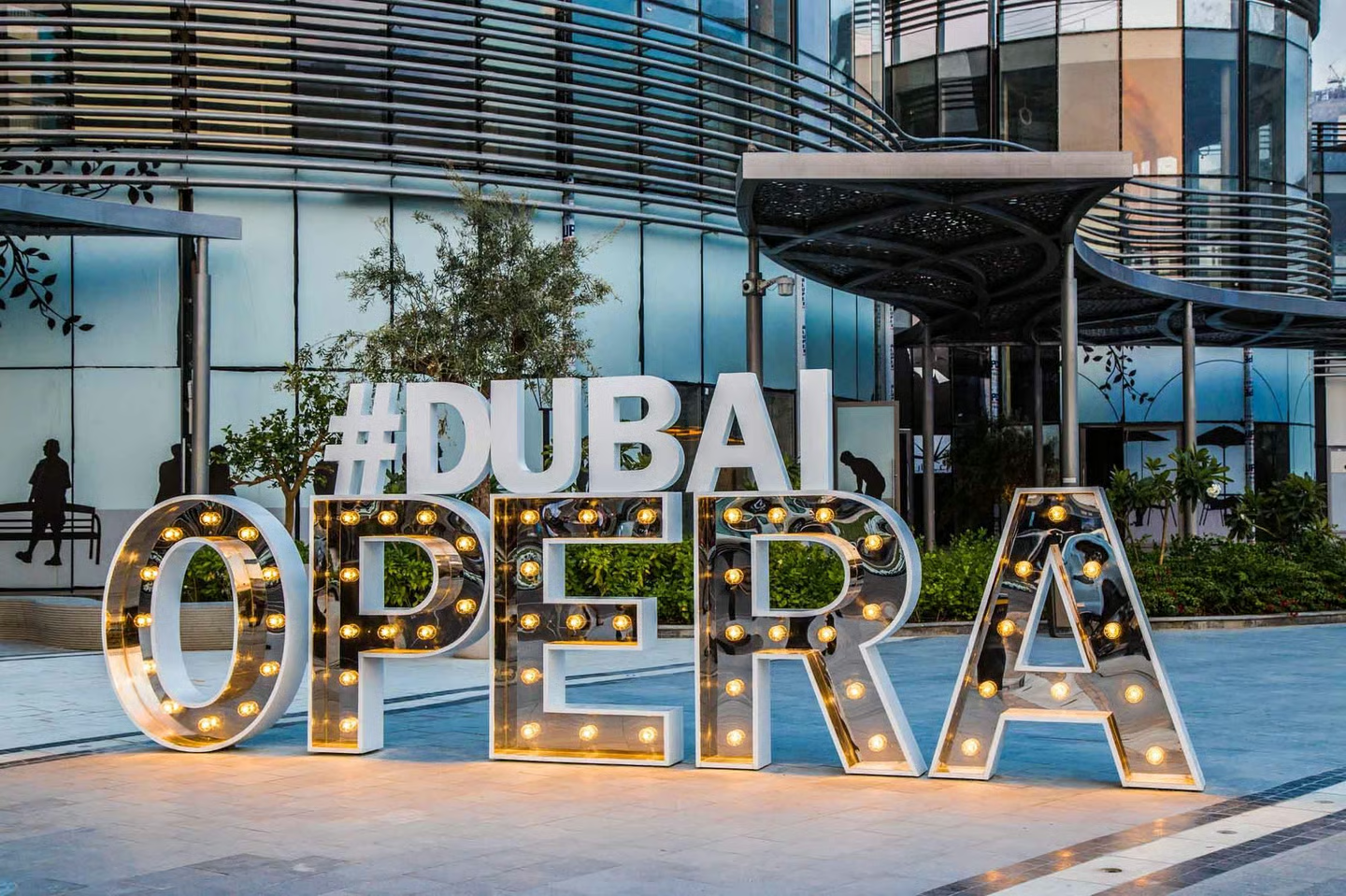
For visitors, the most useful Downtown plan is the one that leaves enough time for the performance. Decide whether dinner is before or after the show, and check the restaurant’s last seating and the performance runtime. A nearby address can still require a walk, an entrance search or a wait. Do not schedule the curtain time as your arrival time.
If travelling by Metro, include the final part of the journey from the station to the venue. If driving or taking a taxi, use the actual drop-off and parking information for the chosen evening. A public event can change traffic and pickup demand. Arrange the return as well as the arrival, particularly when the performance or dinner finishes late.
There is no visitor benefit in claiming unsupported increases in hotel occupancy, property values or tourism revenue. A more useful comparison is the cost and timing of your own evening: ticket, meal, transport and any parking. Decide where an upgrade matters and where it does not. A better-positioned seat can be more relevant than adding unrelated luxury extras.
Architecture and Backstage Tours
The Grand Tour is the operator’s architecture and backstage product. The published description includes design, artworks and backstage areas, with tour-and-dining options also advertised. Use the chosen booking’s conditions and available date. A theatre is a working venue, so a visitor should not infer unlimited access from a broad promotional list.
Choose a tour if the building itself is the main interest; choose a performance if the artist or production is the main reason to go. They can complement each other, but they are not substitutes. A backstage tour is not an artist meeting, a rehearsal invitation or a seat at that evening’s show unless the purchased product explicitly includes it.
Plan the visit around the confirmed tour duration and arrival instructions. Check what is included in any dining option and whether it applies at the same time as the tour. Keep the confirmation available and ask about accessible routes before booking if needed. An old timetable or a previous package description should not control a new reservation.
What Makes a Booking Worthwhile?
Our comparison starts with the fit between the programme and the visit. The building’s multi-format design is a real distinction, but an award or a superlative does not answer which performance to choose. Read the artist, production, seat and event details before treating a famous venue as an automatic recommendation for the whole group.
The practical value of a review is specific evidence: the production version, what the reviewer attended and when. A general venue profile cannot establish that the sound, service or sightline will be perfect at every show. This guide is based on published venue and designer information, not a firsthand assessment of every performance or an acoustic test against other concert halls.
For value, compare the exact seat and final price rather than a category name alone. Different events can use different configurations, and a premium label may reflect location rather than an extra service. Ask the booking team about the actual view or access if it is unclear. Choose an upgrade because it solves a need, not because the word premium appears on the ticket.
Families, Accessibility and Ticket Collection
Family suitability belongs to the show, not the building. Check minimum age, parental guidance, runtime and the event’s entry rules. A theatre capable of staging a family production can also host material intended for adults. Bring the specific requirements into the booking rather than assume every programme is suitable because the venue has cultural or educational activity.
The operator’s accessibility page describes designated wheelchair and carer spaces, lifts to all levels and accessible restrooms on the Stalls level. Ask the team about the selected configuration and the route needed for your seat. The right enquiry before purchase is more useful than a blanket statement that every location or service suits every requirement.
For ticket collection, use the published box-office instructions. Mobile and print-at-home tickets can be presented for scanning without exchange. Collection by someone other than the registered purchaser requires pre-arranged authorisation. Check the actual delivery method on the booking so a ticket handover does not become an avoidable delay at the door.
Current Shows, Tours and Private Hire
The official site separates the current season from past seasons. Use that distinction when an artist or production appears in search: a historic performance page is not a new announcement. Match the year, date, time and venue to the current booking route. This is particularly important when a recurring production or a returning artist has several versions of an event listing.
We do not infer future building upgrades, virtual-reality projects or new international partnerships without an announcement. Those are different claims from a published show programme. For someone planning a visit, the confirmed calendar has more immediate value than an unsupported prediction. Check the exact event and the product being sold rather than rely on the article’s publication year alone.
Keep the purpose of the three main booking routes clear: performance tickets buy a show, tours buy the stated visit, and venue hire starts a private-event proposal. The same building can serve all three without combining their benefits. A room enquiry does not reserve a performance seat, and a concert ticket does not provide private hire or unrestricted backstage access.
Our Verdict: Match the Venue to Your Visit
Dubai Opera is worth considering when the programme interests you or the architecture is the reason for the visit. Our choice would be a specific show with a seat and timetable that suit the group, rather than an evening built around generic prestige. The venue’s strongest documented feature is adaptability: theatre, concert hall and event floor are genuinely different configurations.
The most useful booking checklist is short: verify the dated listing, exact seat or space, final price, age conditions, arrival instructions and any accessibility arrangement. For a tour, add duration and package inclusions. For private hire, add setup, supplier and contract requirements. These details make the visit concrete and prevent a famous name from replacing an actual plan.
Use the venue history for the building, the space descriptions for its rooms and the current programme for a show. Keep those sources in their roles. A researched profile can explain the venue well without inventing firsthand experiences, comparing untested acoustics or promising that every performance will be unforgettable.
Frequently Asked Questions
The main auditorium can accommodate up to 2,000 guests, depending on the configuration.
Dubai Opera hosts concerts, theatre productions, ballet, comedy shows, weddings, galas, and corporate events.
It is located in Downtown Dubai, near the Burj Khalifa and Dubai Fountain.
Dining reservations and performance tickets are separate unless the named product says otherwise. The current Grand Tour page advertises dining options at Bisou and Alba. Check the actual restaurant, seating time and package inclusions before combining dinner with a show.