Dubai’s property market has spent the past few years as one of the world’s great growth stories, and in 2026 that story is entering a new, more grown-up chapter. After a red-hot run, the market has shifted from breakneck boom to something steadier and more selective. Here is an honest, up-to-date read on where prices…
Dubai’s property market has spent the past few years as one of the world’s great growth stories, and in 2026 that story is entering a new, more grown-up chapter. After a red-hot run, the market has shifted from breakneck boom to something steadier and more selective. Here is an honest, up-to-date read on where prices are, what is driving them, and what it means whether you are buying to live, to invest, or just watching from the sidelines.
The Numbers: A Market That’s Cooling, Not Crashing
The headline for the first half of 2026 is maturity, not mania. Dubai recorded roughly 80,000 residential sales worth over AED 220 billion in H1 2026 — a strong figure by any historical standard, but down from the frantic peak of H1 2025 (around 92,000 transactions worth AED 262 billion). Volumes easing off a record high is not the same as a downturn; it is a market coming back to earth.
On price, growth has clearly decelerated. Average values are up around 9–10% year-on-year as of mid-2026, a marked slowdown from the 12–18% gains of the previous phase. Splitting by segment tells the real story: off-plan homes averaged about AED 2,030 per square foot (up roughly 12% year-on-year), while ready homes sat near AED 1,691 per square foot (up about 5.6%). Buyers are back in a position to negotiate, take their time, and do proper due diligence.
Villas Are Still Winning
If there is one clear trend, it is that villas continue to outperform apartments. Limited supply of quality family homes in established communities — think Arabian Ranches, Dubai Hills, Palm Jumeirah and the newer Palm Jebel Ali — keeps pushing villa values up faster than the flats. Research houses such as ValuStrat forecast citywide capital values rising around 10% across 2026, with villas potentially appreciating closer to 17%. For end-users, that scarcity is why family homes hold value; for investors, it is where the momentum still sits.
What’s Actually Driving It
Mega-Projects and Confidence
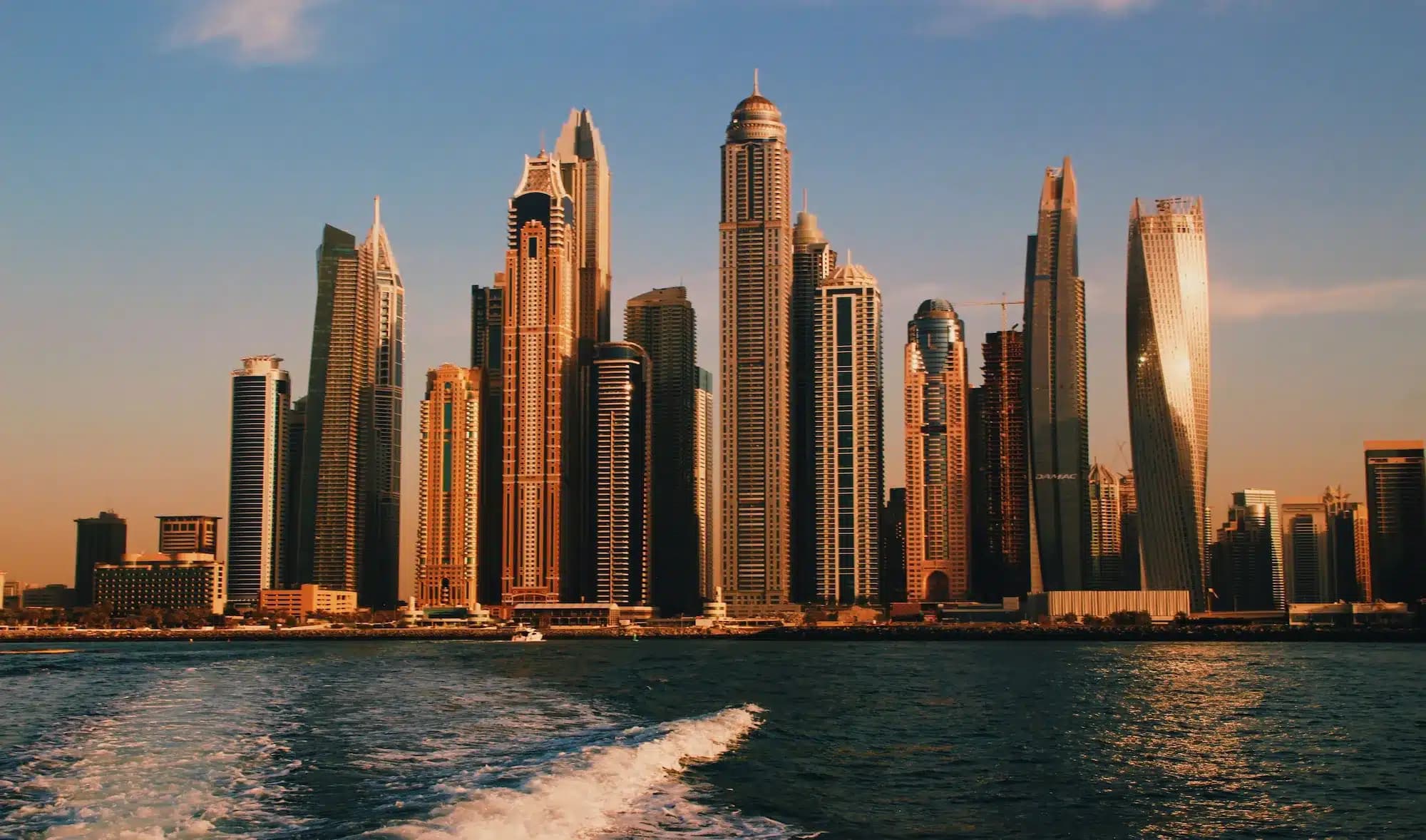
Dubai keeps building the future it sells. Landmark developments like Marsa Al Arab around the Burj Al Arab, the revived Palm Jebel Ali, and the long-anticipated Dubai Creek Tower continue to anchor investor confidence — each one a statement that the city is still expanding its luxury and lifestyle ceiling.
Residency, Tax and Safety
The fundamentals that pulled global money in have not changed. There is no annual property tax and no capital gains tax, the Golden Visa ties long-term residency to property investment, and Dubai’s ranking among the world’s safest big cities keeps drawing families relocating from less stable markets. Add steady population growth and you have real, resident-led demand underpinning the investor demand.
So, Is It a Bubble About to Burst?
It is the question on everyone’s lips, and the honest answer is: the market is normalising, not collapsing. Some segments — particularly oversupplied clusters of investor-grade studios and one-beds — may see prices flatten or dip as new supply lands. Prime villas and well-located, well-built stock look far more resilient. The era of guaranteed double-digit flips is fading; the era of choosing carefully on fundamentals has arrived. Update (July 2026): the picture has grown more mixed since regional tensions flared in June — The Guardian reported that luxury villa sales fell sharply, down roughly 19% month-on-month in May, with some sellers cutting asking prices on high-end stock. It is a reminder that the top of the market is more sensitive to geopolitical headlines than the mid-market apartment segment, which has stayed comparatively steady.
The Bottom Line for 2026
Dubai property in 2026 is a story of quality over quantity. Growth is slower, buyers have more power, and location, developer reputation and build quality matter more than ever. For end-users, it is arguably the most sensible buying environment in years. For investors, the easy money is gone — but those who pick the right community and the right unit still get a rare combination of yield, tax efficiency and lifestyle that few global cities can match.
Figures are drawn from H1 2026 market reports and forecasts; property data varies by source and moves quickly, so always confirm current numbers and take independent advice before buying.
Where to Look in 2026
With the market rewarding fundamentals over hype, the smart money is following liveability and supply. A few areas stand out for different buyers:
For Capital Growth: Established Villa Communities
Arabian Ranches, Dubai Hills Estate, Jumeirah Golf Estates and Palm Jumeirah keep their edge because you simply cannot make more of them quickly. Limited quality villa stock plus strong family demand is the classic recipe for resilient prices.
For the Long Game: Palm Jebel Ali and Dubai South
The revived Palm Jebel Ali and the master-planned Dubai South (anchored by the new Al Maktoum airport expansion) are the city’s next frontier. Higher risk and a longer horizon, but this is where early buyers have historically been rewarded when the infrastructure catches up.
For Rental Yield: Well-Run Apartment Communities
Areas like Jumeirah Village Circle, Dubai Marina and Business Bay still deliver some of the strongest gross yields globally, though buyers should be selective as new supply lands and favour quality buildings with proven management.
Frequently Asked Questions
Is Dubai property going to crash in 2026? The evidence points to a slowdown and normalisation, not a crash. Growth has cooled to single digits and some oversupplied apartment segments may soften, but prime and villa stock remains resilient.
Do foreigners pay tax on Dubai property? There is no annual property tax and no capital gains tax in Dubai. The main one-off cost is the Dubai Land Department transfer fee (typically 4%), plus agency and registration fees.
Can buying property get me a visa? Yes. Property investment at the qualifying threshold can secure a UAE Golden Visa, granting long-term renewable residency — one of the biggest drivers of foreign demand.