Part of our complete guide to Fashion in the UAE. When people picture GCC fashion, streetwear rarely springs to mind first. The region has long been synonymous with luxury couture, designer retail and a polished sense of style that turned cities like Dubai into global fashion capitals. But over the past few years, a new…
Part of our complete guide to Fashion in the UAE.
When people picture GCC fashion, streetwear rarely springs to mind first. The region has long been synonymous with luxury couture, designer retail and a polished sense of style that turned cities like Dubai into global fashion capitals. But over the past few years, a new wave of creatives and independent labels has quietly rewritten that story. Dubai Streetwear has also started making its mark, reshaping the city’s fashion identity in unexpected ways.
Key Takeaways
- Dubai Streetwear is emerging as a significant movement, blending regional influences with contemporary styles.
- Independent labels like Amongst Few, The Giving Movement, and Les Benjamins redefine the fashion landscape in Dubai.
- Shabab and Love Closely incorporate cultural elements into wearable designs, reflecting local youth culture.
- Events like Sole DXB and venues like Dubai Design District foster the local streetwear scene.
- The Giving Movement publishes sustainability and charity commitments; those should be distinguished from an independent audit.
Dubai’s streetwear scene includes locally founded labels and brands with wider regional or international roots. The six names below should not all be described as Dubai-born. Les Benjamins identifies itself as Istanbul-based; Love Closely lists Toronto as its headquarters. Their influence can still be relevant to Dubai. Our interest is the design, cultural connection and what you can actually compare, rather than assigning every label the same origin story.
Amongst Few
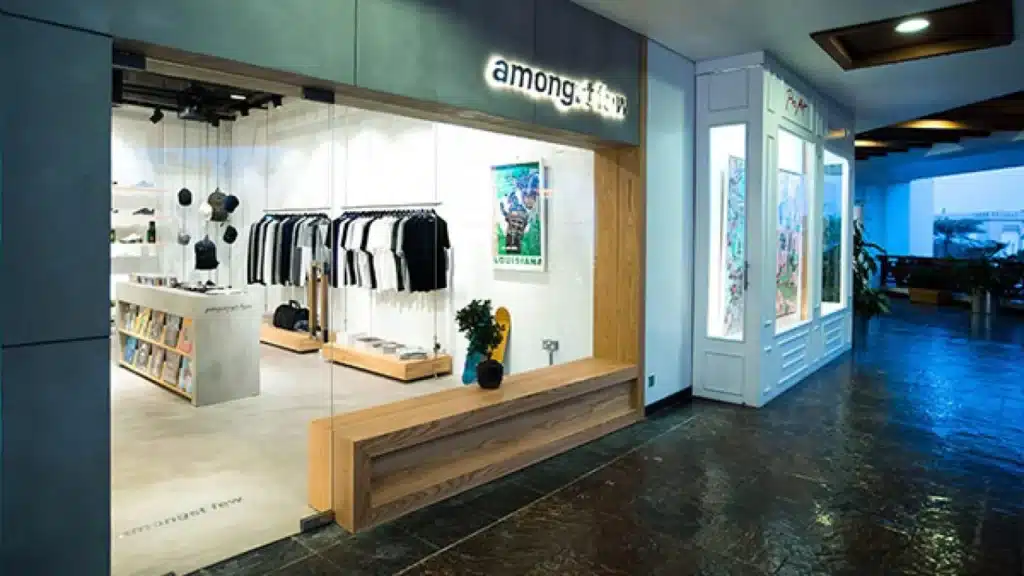
Long before regional streetwear entered the global conversation, Amongst Few was already defining its visual language. Founded in 2014 by Flo Moser and Mike Taylor, the label was one of the earliest to fuse Gulf cultural references with contemporary streetwear. Arabic typography, ghitra-inspired patterns, relaxed tailoring and workwear influences sit at the heart of its aesthetic. Beyond the clothing, the brand helped shape Dubai’s creative ecosystem through its café and concept store, a gathering point for artists, musicians, skaters and designers. Collaborations with the NBA and the Reebok Club C 85 “Magic Carpet” — inspired by traditional carpet craftsmanship — only cemented its influence.
The Giving Movement
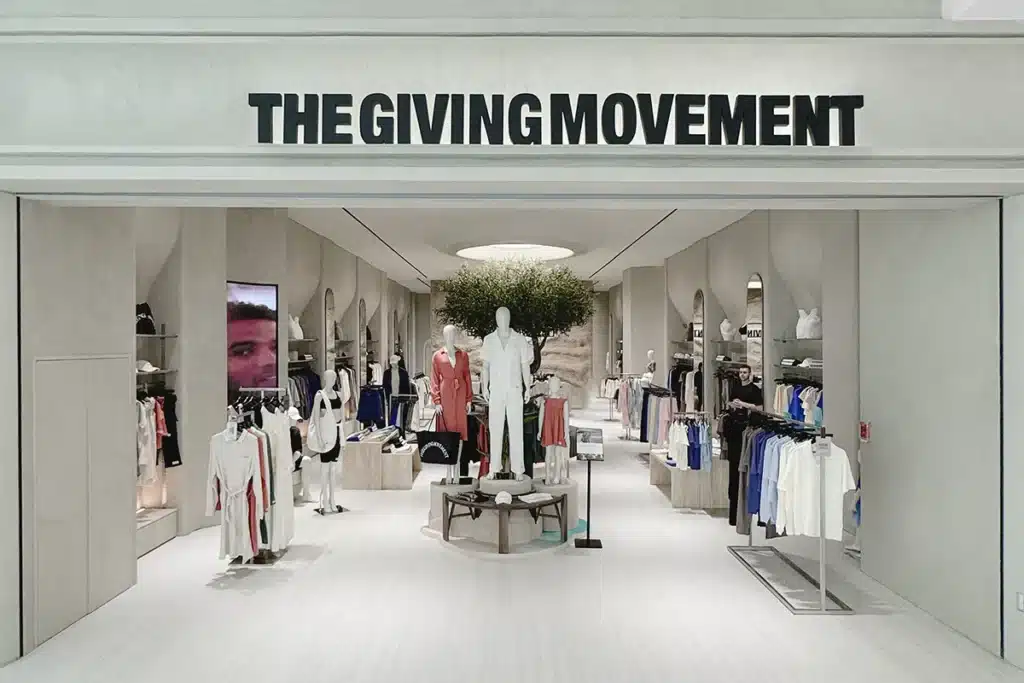
The Giving Movement’s own story dates its launch to April 2020 under Dominic Nowell-Barnes and describes local UAE sourcing and production alongside charitable and sustainability aims. Those are the brand’s published commitments, not an independent audit by WHIUAE. For a purchase, compare the particular item’s fabric, fit and care label. Our view is that the coordinated basics are the clearest way to understand its clothing proposition, rather than assuming a purpose statement makes every garment the same material or value.
Les Benjamins
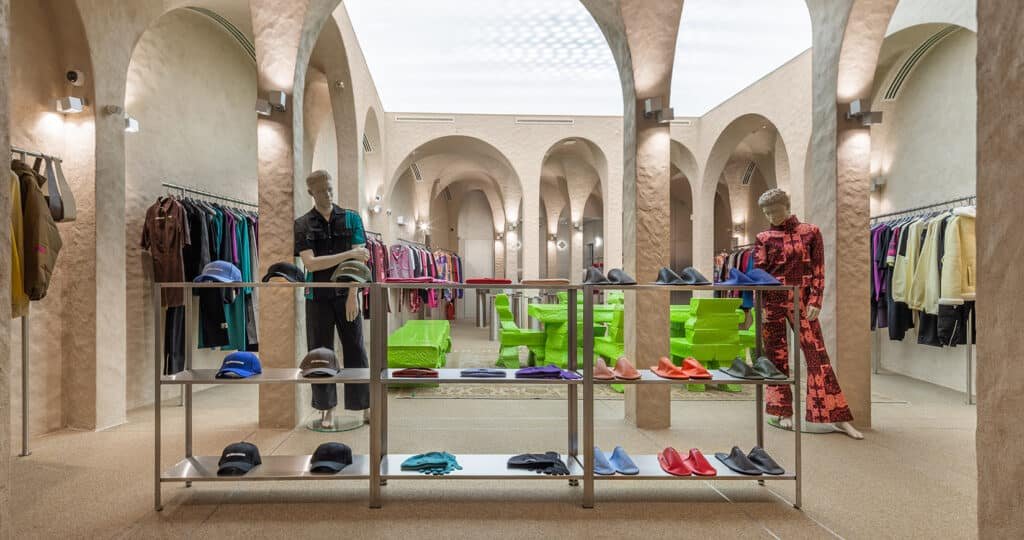
Les Benjamins identifies itself as an Istanbul-based label founded in 2011 by Bünyamin Aydın. It belongs in this discussion through its regional influence, not because it began in Dubai. Its collection narratives explore identity and cultural exchange; El Gringo is one example in the brand’s own catalogue. If that storytelling interests you, compare the actual motif and garment rather than treating every Eastern reference as interchangeable decoration.
Shabab
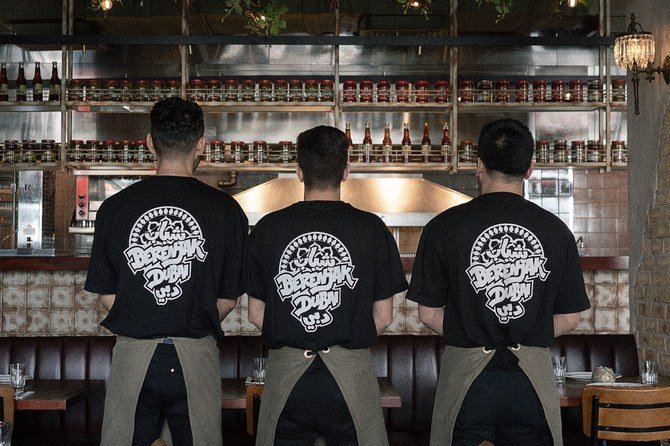
Shabab Intl is closely associated with photographer and creative Cheb Moha. Vogue’s interview-led profile discusses his role and the label’s place in the Gulf scene. Its football jerseys, combat trousers and hoodies give the reader more concrete reference points than a generic claim of “authenticity”. Our preference is to start with a piece whose graphic or cut speaks to you, then check its fit and materials; a community story does not replace the garment.
Love Closely
Love Closely connects regional cultural references with an international brand base. Its company profile lists Toronto and identifies Taha Yousuf among the team; it should not be folded into a claim that every label here is Dubai-founded. Its clothing uses poetry, artwork and contemporary silhouettes. For a buyer, that is a reason to examine the actual graphic and its meaning, not evidence that every piece has the same fit or that a celebrity appearance guarantees quality.
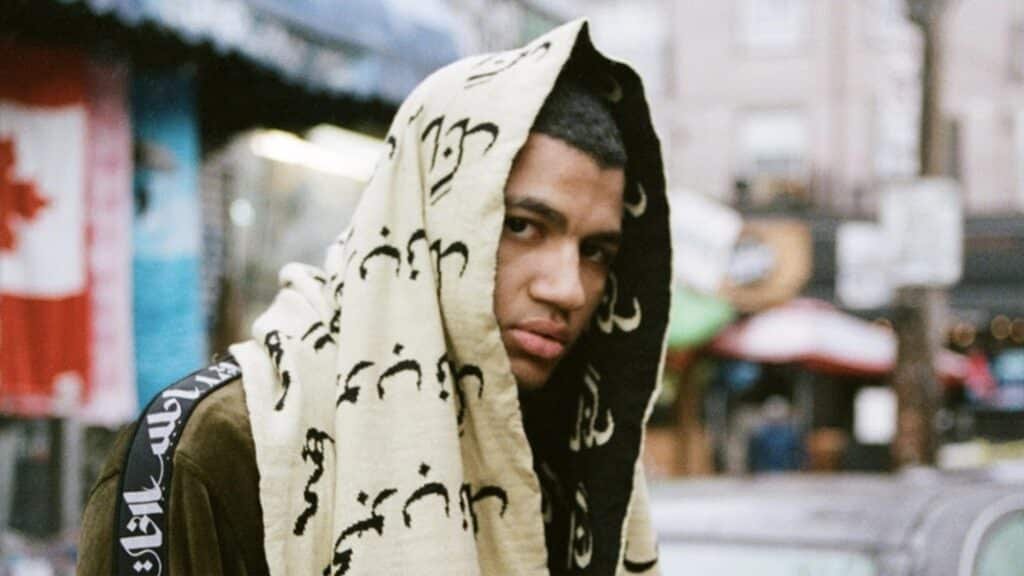
Precious Trust
Precious Trust’s own account places its founding in 2018 under Wathek Allal and connects the Dubai label with Algerian heritage. That cultural connection should not be mistaken for a claim about the founder’s birthplace. The label’s identity gives it a distinct place in the scene; compare the current garments, their cut and construction rather than treating heritage as a measurable quality certificate.
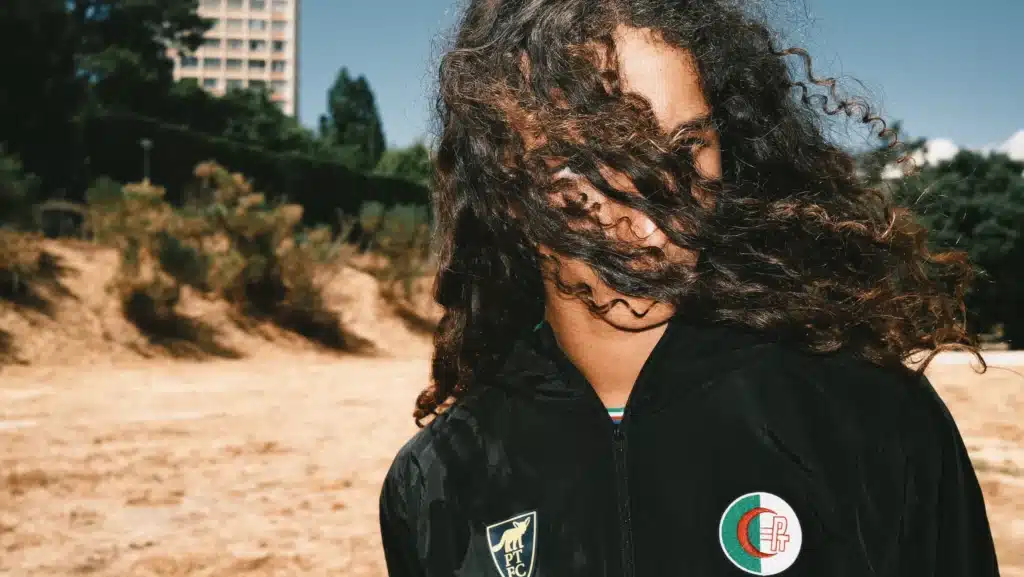
Where to discover Dubai’s streetwear scene
To explore the scene, use Sole DXB’s official programme for current events and the labels’ own channels for releases. A past festival appearance does not prove that a brand is exhibiting or selling the same collection at the next edition. Dubai Design District is another creative-community reference, but its studios, shops and events have their own schedules. Our approach is to choose one label or programme you actually want to see, then confirm the current location and access information.
Beyond the six above, keep an eye on SN3 Studio (founded by Ahmed Shareef, Abdallah Abbas and Mahdi Jali, celebrating Sudanese and African creativity), Moonlanding (Sudanese art director Marrwan Elhussein’s whimsical, oversized-tee label) and Peace Venue (founded by Dubai dentist-turned-designer Abdullah, with recent collections debuting at Sole DXB itself) — three more homegrown names building genuine followings in the same scene.
Frequently asked questions
What is Dubai’s streetwear scene like?
Dubai’s streetwear scene has grown into a genuine movement, blending oversized tailoring, graphic design, music culture and regional influences. Locally founded and internationally connected labels contribute to the scene; they do not all share a Dubai origin.
Which Dubai streetwear brands have celebrity fans?
Love Closely’s own media archive identifies French Montana, Riz Ahmed and Maluma among its wearers. It also identifies producer OVO 40 wearing its trousers in Drake’s “What’s Next” video; that is not the same as saying Drake wore them. Celebrity styling is a cultural reference, not proof of a garment’s quality or current availability.
Are there sustainable streetwear brands in Dubai?
Yes. The Giving Movement publishes local-production, charity and sustainability commitments. Assess the actual garment’s composition and the brand’s evidence rather than treating this guide as an independent environmental audit.
Where can I discover Dubai streetwear brands?
Sole DXB and Dubai Design District (d3) are great starting points, alongside concept stores and the labels’ own Instagram-led drops, which are often the quickest way to shop new releases.
For an online order, compare the published measurements with a garment you own, then check composition, care, delivery and returns. A graphic tee, a heavyweight hoodie and a technical set serve different purposes in UAE weather. Our pick would be the piece you can explain and wear, rather than the one with the most celebrity names attached. The best way to support the scene is to know which label you are buying from and what the actual item offers.