The best UAE photo route depends on the picture you want: skyline, architecture, heritage or landscape. This guide compares those settings and separates public viewpoints from ticketed venues. It also flags access changes that matter before you travel. I’d take a small route with time to find a good frame over a long checklist spread across several emirates. The photograph matters more than the number of pins on your map.
Choose two or three locations in the same area and give each a purpose. In Downtown Dubai, the Burj Khalifa supplies scale; in Al Fahidi, narrower lanes offer detail and texture. A coastal scene needs a different plan from a desert silhouette or a paid pool photograph. Start with the setting, then check access, opening times and whether the light falls in the direction you need. Sunrise and sunset are useful starting points, but cloud, haze and the building’s orientation change the result. Leave enough time to move safely and respect other visitors. A phone can make a strong photograph without a tripod, drone or staged scene. I’d rather leave with three pictures worth keeping than twenty rushed versions of someone else’s shot. The suggestions here are planning and composition choices, not a guarantee of access or empty locations.
Choose the shot, then check the permission
My simplest recommendation is a phone or small handheld camera and a route you can enjoy without setting up a production. A visitor ticket and a professional photo permit are not the same thing. These three venues show why that distinction matters.
| Setting | What a personal visit allows | What I’d leave out or arrange first |
|---|---|---|
| Louvre Abu Dhabi | The museum’s photography guidance allows handheld cameras. No flash in the galleries; selfie sticks are only permitted outside the galleries and under the dome. | No visitor tripod setup or large equipment. Commercial-product and special-occasion shoots are not covered by ordinary visitor photography; editorial and commercial work require the museum’s approval process. |
| Sheikh Zayed Grand Mosque, Abu Dhabi | Personal photographs with non-professional equipment at designated photo stops, respecting worshippers and staff instructions. | Professional equipment and commercial or media work require a Centre permit. Choose respectful poses and appropriate clothing, not a staged celebration shoot. |
| AURA SKYPOOL, Dubai | Personal photos during an admitted visit. At our 20 October check, the venue remains closed for renovation and advertises bookings from 24 November. | Professional photography or video needs prior written approval and a signed agreement. A future reservation is not permission to bring a crew or to film other guests without regard for privacy. |
Read the actual policies before taking equipment: Louvre Abu Dhabi photography guidance, the Mosque Centre’s visitor code, pages 5–6, and AURA’s photography terms. These are venue conditions, not a substitute for any additional location or aviation permission.
For a portrait at the Louvre, there is also a different route: its own Photography Experience service operates during museum hours, with personalised sessions on request. Museum admission is required; ask at the booth next to the Boutique about the session and its price. That service does not mean visitors can bring an outside commercial shoot without approval.
Why the UAE is a Dream for Instagram Lovers
The UAE offers a useful contrast between dense city skylines, older neighbourhoods, coastline and desert. That contrast is what I’d use to build a set of photographs: one wide view, one architectural detail and one scene with a sense of place. Pick those subjects for the images you want to make, not an alleged popularity ranking.
Compare the subjects rather than chasing a popularity score. Architecture works well when the frame gives it room; a heritage district rewards smaller details; a landscape depends more on the light and safe access. None requires a promise that a photograph will go viral.

1. Burj Khalifa – Dubai
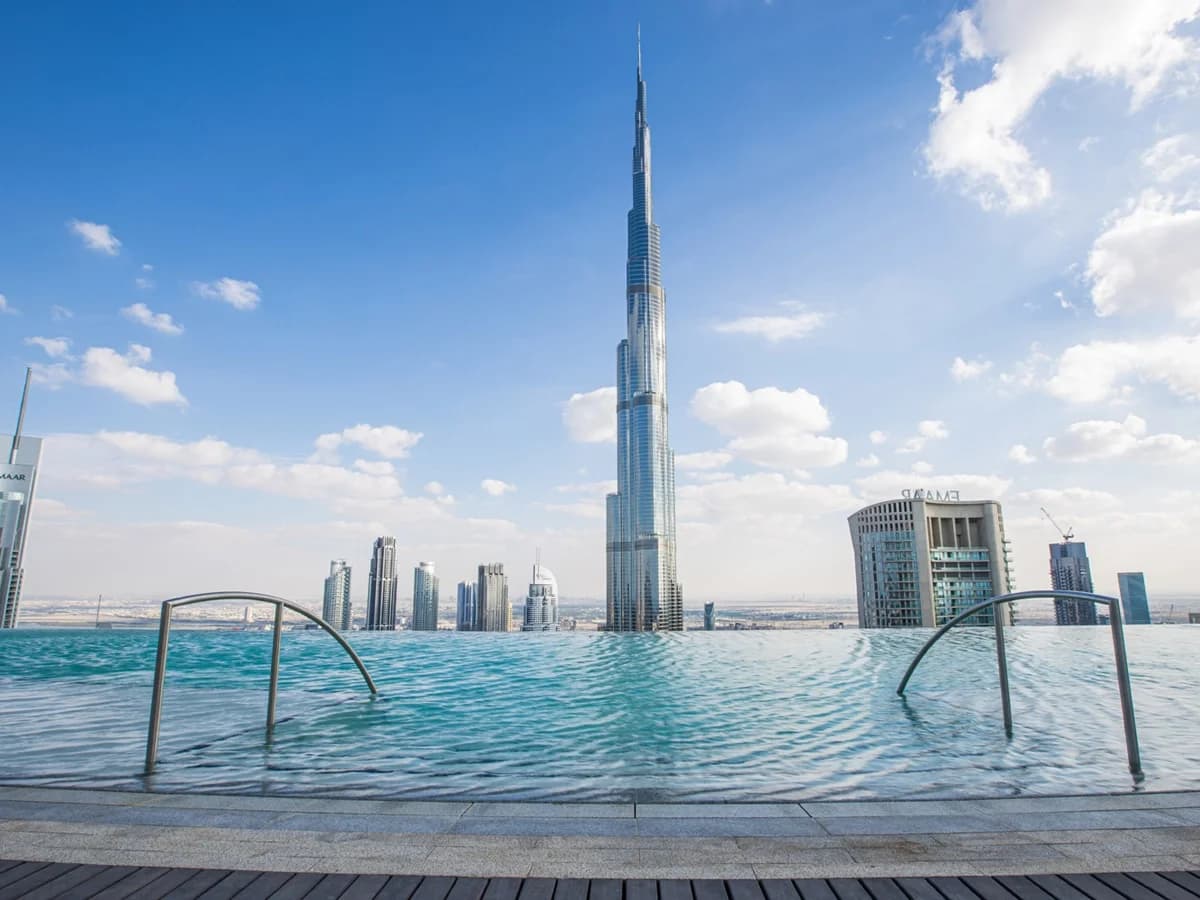
No list could possibly start without the Burj Khalifa. Towering at 828 metres, it’s not just the world’s tallest building but an essential backdrop for any UAE Instagram tour.
- Best Shot: From the Dubai Fountain area, capturing the full height of the Burj against a sunset sky.
- Top Tip: Visit around golden hour for that perfect soft light.
2. Sheikh Zayed Grand Mosque – Abu Dhabi
This architectural marvel offers pure photographic bliss. The pristine white marble, intricate gold detailing, and reflective pools create ethereal frames at every angle.
- Shot to look for: domes, colonnades and reflections from the designated visitor photo stops. Follow the route; a photograph online does not establish that its position or pose is permitted.
- Top tip: plan around an available visitor session and the mosque’s dress code, not just sunset. For women, bring loose, non-transparent clothing covering the body and arms and a head covering. Do not assume knee-length clothing is sufficient.
3. Al Fahidi Historical Neighbourhood – Dubai
Step back in time with a visit to Al Fahidi, a maze of sand-coloured wind towers, narrow alleyways, and traditional courtyard houses.
- Best Shot: The winding lanes with fluttering Emirati flags and old lanterns.
- Top Tip: Visit in the morning to beat the crowds and capture serene, empty streets.
Related: Hidden Gems in Dubai You Must Visit
4. The Desert – Dubai, Abu Dhabi, and Sharjah
The rolling dunes of the UAE desert are simply breathtaking. Whether you opt for a camel ride, a vintage Land Rover safari, or a simple barefoot wander, the desert offers infinite photo ops.
- Best Shot: Sunset silhouettes on a dune ridge.
- Top tip: steady the camera without entering an unsafe position. A tripod is an optional tool only where permitted, not something to bring automatically to the museums and religious sites elsewhere in this guide.
5. Dubai Miracle Garden
A rainbow explosion of over 150 million blooming flowers, sculpted into everything from Disney characters to full-sized Emirates A380 aircraft. It’s a visual feast.
- Best Shot: Underneath the flower tunnel or beside the giant teddy bear installation.
- Top tip: the operator describes a seasonal opening, typically late September or October to April or May. Check the current season before travelling; summer closure is part of its maintenance cycle.
6. Jumeirah Beach and Burj Al Arab
Capture the ultra-luxurious Burj Al Arab from Jumeirah Public Beach for a classic, unbeatable Instagram shot.
- Best Shot: Frame it during sunrise for soft pastel hues.
- Top Tip: Use a wide-angle lens to get both the beach and hotel perfectly in frame.
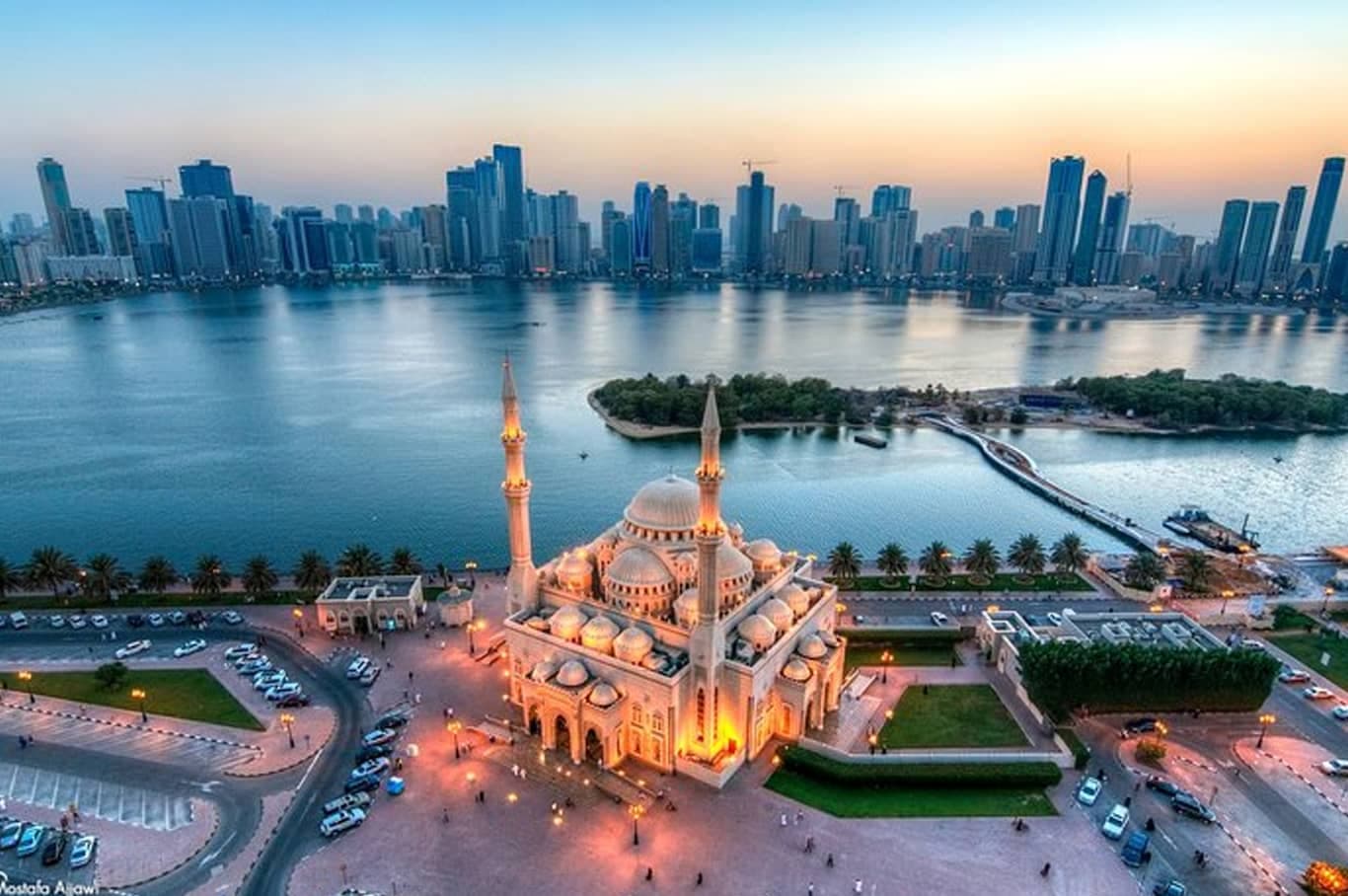
7. Al Noor Island – Sharjah
A hidden gem often overlooked! Al Noor Island offers modern art sculptures, butterfly houses, and whimsical landscapes.
- Best Shot: The illuminated trees at dusk.
- Top Tip: Perfect for those looking to blend art, nature, and light in one photo.
8. Hatta Dam – Dubai
For those craving a little adventure with their aesthetic, Hatta Dam delivers deep turquoise waters surrounded by rugged mountains.
- Best Shot: Rent a colourful kayak and photograph against the dramatic rock backdrop.
- Top Tip: Visit early in the morning when the water is at its stillest.
9. The Louvre Abu Dhabi
Designed by Jean Nouvel, the Louvre’s latticed dome filters the sunlight into soft beams, creating a truly magical setting.
- Best Shot: Underneath the “Rain of Light” dome.
- Top Tip: Capture reflections off the water for a dreamy effect.
10. AURA Skypool – Dubai
AURA is on the 50th floor of The Palm Tower. Its current experiences page says the venue is closed for renovation and bookings open from 24 November. It is a future booked option, not a place to arrive for a swim today. Check the actual date, allocated view and admission conditions before committing.
- Best Shot: Floating in the pool with the Dubai skyline stretching endlessly behind you.
- Top tip: book an available future session and confirm the allocated view. An advertised morning slot does not guarantee an empty pool.

Insider Tips for Capturing Perfect UAE Shots
Time Your Visit
The UAE’s light can be harsh during midday, so the best times to shoot are during:
- Golden hour: the low-angle light around sunrise and sunset. Its useful duration varies with the date and conditions; it is not a guaranteed one-hour appointment.
- Blue Hour: Just before sunrise or after sunset when the sky turns a deep blue.
Dress to Impress (But Respectfully)
- Bold colours pop against neutral desert tones.
- Flowing dresses create stunning movement in windier settings.
- In mosques or cultural sites, follow the named venue’s dress code. At Sheikh Zayed Grand Mosque, women need long, loose, non-transparent clothing and hair coverage; the Centre also requires modest dress for men.

Bring the Right Gear
- Smartphone gimbals like DJI Osmo Mobile 6 are brilliant for smooth video captures.
- Drone photography: consult the current GCAA requirements and the relevant local aviation authority before any flight. Registration, operating permission and temporary restrictions are separate checks.
A drone is optional equipment, not a requirement for this route. Choose ground-level compositions unless the flight and photography permissions for the actual location have been established. Venue rules can be stricter than general aviation registration requirements.
Lesser-Known But Highly Instagrammable Spots
Al Seef waterfront – Dubai
For a waterfront photograph without relying on an old attraction announcement, consider the accessible Creek-side promenade at Al Seef. Frame the boats, water and surrounding buildings from a permitted public position. It offers a different subject from the Palm skyline; allow time to walk the area rather than expecting a fountain performance.
Saadiyat Island Beach – Abu Dhabi
I’d choose Saadiyat for a coastal frame rather than another skyline photograph. Select an admitted public-beach or hotel-beach visit and check its hours and camera rules; neither an empty beach nor ideal sunrise light is guaranteed. A hotel’s stretch of sand is not automatically public access.
Wadi Shees – Sharjah
Lush date palm groves, natural pools, and stone walkways — a rare green oasis amid rocky landscapes.
Museum of the Future – Dubai
The Museum of the Future’s silver, calligraphy-covered exterior remains an architectural subject. The operator currently states that exhibitions are temporarily closed, with selected experiences separate. Do not assume entry to the atrium or exhibitions for a photograph. Use a permitted exterior viewpoint and check access rather than stepping into roads or private areas for the frame.
Alserkal Avenue & Dubai Design District (d3) – Dubai
Alserkal Avenue is in Al Quoz, while Dubai Design District is a separate destination. Pairing them requires a transfer, not a short walk between neighbouring galleries. Our choice is to give one district enough time for its buildings and current public programme. Obtain permission before a shoot inside a gallery or store, and do not assume public art means unrestricted commercial filming.
More architectural subjects to consider
These are existing destinations, rather than a list of places still awaiting their first opening. Access to a restaurant, museum gallery or marine-life attraction has its own booking and photography rules. Choose the subject and the permitted visit before taking equipment.
- The Link at One Za’abeel (Dubai): an existing elevated structure and dining destination. Photograph it from a permitted viewpoint; entering a restaurant requires its own reservation or visitor arrangements.
- SeaWorld Abu Dhabi: Combining marine life, futuristic architecture, and thrilling experiences.
- Zayed National Museum (Abu Dhabi): its falcon-wing-inspired architecture is an existing subject. The museum opened to the public on 3 December 2025; confirm the chosen visit and photography rules.
Frequently Asked Questions
What are the most Instagrammable spots in Dubai for 2026?
For contrasting Dubai subjects, I’d choose Burj Khalifa, Al Fahidi and Al Seef. Louvre Abu Dhabi and Sheikh Zayed Grand Mosque belong in a separate Abu Dhabi plan. AURA advertises future bookings while closed for renovation, and Museum of the Future exhibitions remain temporarily unavailable; check access before choosing an interior or pool photograph.
Are there any hidden gems for photography in Dubai?
Look beyond the headline skyline: public art at Alserkal, architectural details in Al Fahidi and permitted waterfront viewpoints can provide a different frame. There is no need to invent a “secret lounge” or assume access to a private rooftop. Confirm the actual visitor policy before building a route around an indoor location.
Do Dubai attractions allow professional cameras?
Check the named venue rather than treating every camera alike. Louvre Abu Dhabi permits handheld cameras but not visitor tripod setups or flash in galleries. Sheikh Zayed Grand Mosque requires a Centre permit for professional equipment and commercial or media photography. AURA requires prior written approval and a signed agreement for professional photography or video.
Are drones allowed at Instagrammable places in Dubai?
Do not assume registration or an old permit allows a drone flight. GCAA and DCAA rules, approved areas and any temporary suspension must all be checked before operating. Use their current instructions for the specific activity; a photogenic location is not evidence that drone filming is permitted there.
What time of day is best for photos in Dubai?
I’d start around sunrise or sunset for softer light, but choose the actual viewpoint and permitted opening time first. Golden-hour duration, haze, cloud and the direction of light vary; a museum or mosque does not open early simply because sunrise makes a good photograph.
Final Thoughts
Our strongest recommendation is to make the route smaller and the choices more deliberate. Pick a skyline, heritage or landscape subject, check access, and leave room for the light to change. A distinctive UAE photograph comes from the frame and timing, not from repeating an unsupported ranking or entering a closed venue.