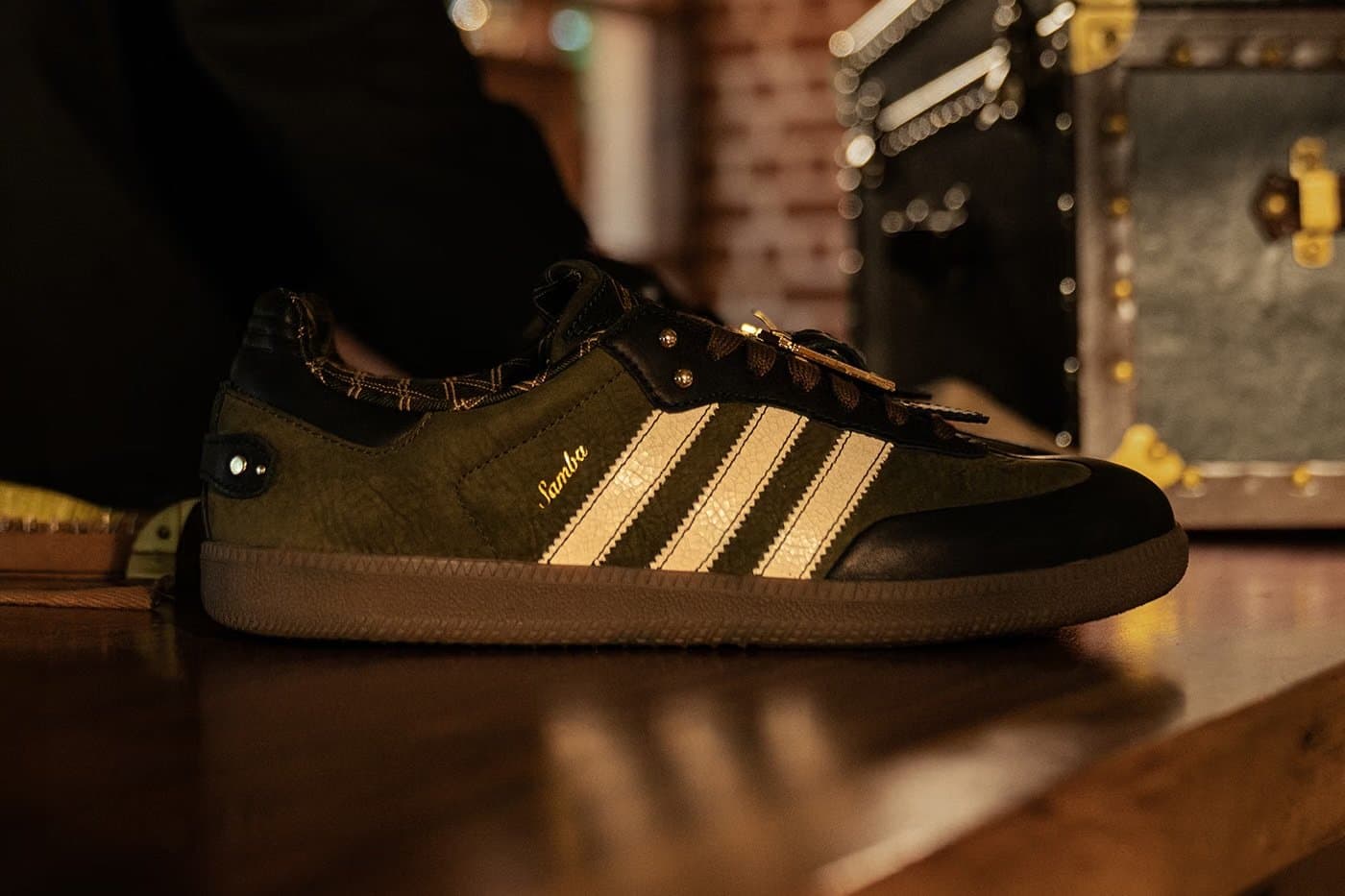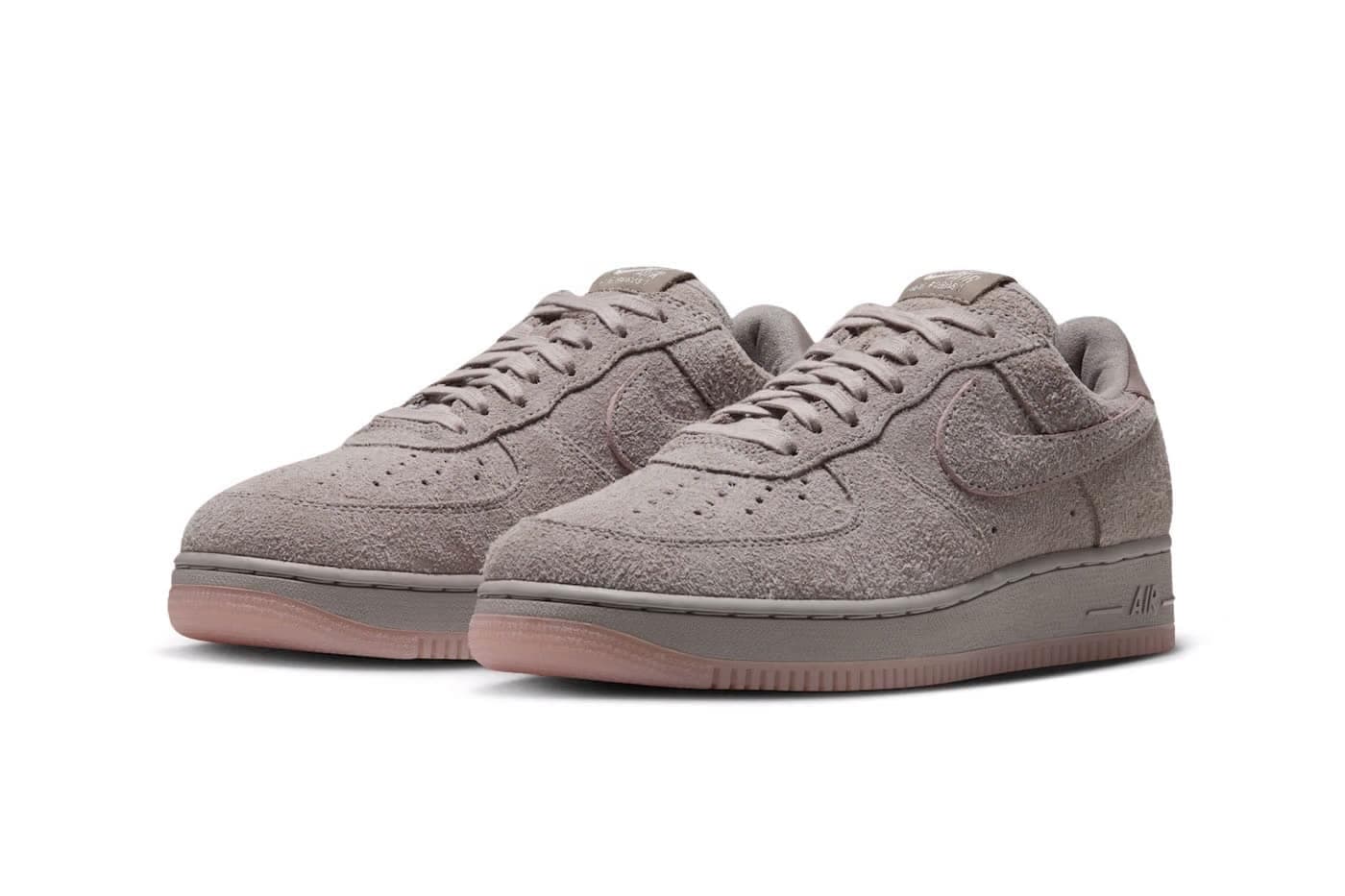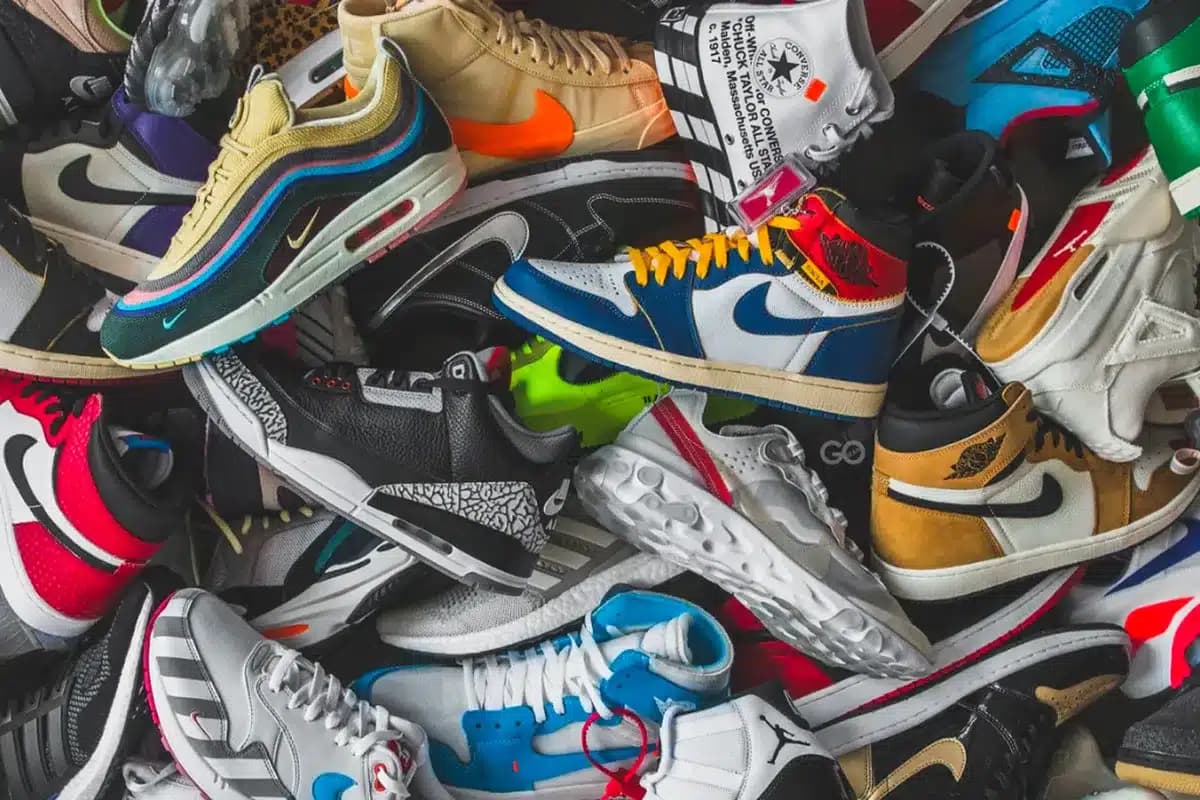
Part of our complete guide to Sneakers in the UAE. Sneaker culture in the UAE is easier to understand through its stores, collections and creative events than through a stereotype about wealthy buyers. Sole DXB describes itself as a community platform for youth and contemporary culture, while the country’s footwear retail includes sportswear, fashion and…
Part of our complete guide to Sneakers in the UAE.
Sneaker culture in the UAE is easier to understand through its stores, collections and creative events than through a stereotype about wealthy buyers. Sole DXB describes itself as a community platform for youth and contemporary culture, while the country’s footwear retail includes sportswear, fashion and resale. Our view is that those routes belong in the same conversation: a basketball player, a collector and someone buying an everyday pair can care about different parts of the scene without one being the only authentic audience.
Why people wear and collect sneakers
A useful starting point is the reason someone wears or collects a shoe. Sport, music, fashion, a particular designer and a personal memory can all matter. A luxury purchase is one route into the scene, not a demographic description of everyone in it. We would judge the product and the person’s interest rather than assume a price tells us their cultural knowledge. A general-release pair worn regularly can have as much personal meaning as a rare edition kept in its box.
Stores, sport and creative communities
Malls and major retailers are visible parts of UAE shopping, but visibility does not establish the entire history of the local scene. Music, basketball, skating and creative communities should not be erased because the luxury storefronts are easier to photograph. Sole’s own community positioning gives a concrete reason to look beyond a shopping-only account. For readers exploring the scene, compare retail spaces with events and conversations about footwear; do not infer everyone’s motives from the surroundings in which a shoe is sold.
Different buyers, different priorities
There is no single buyer profile to assume here. A student saving for one pair, a player replacing a court shoe and a collector looking for an older release have different needs. Ask what matters to the buyer: fit, design, edition, availability or a particular history. An assertion that UAE consumers are generally older, wealthier and unaffected by trends needs representative evidence. The practical article contribution is to explain the different routes into the scene rather than pretend that one demographic defines it.
Buying channels, product identity and provenance
For shopping, separate the model, edition and selling arrangement. A brand’s own page can identify a shoe and local price; another retailer can have a different size selection; a resale offer adds condition and provenance. Those distinctions are useful regardless of the buyer’s budget. A collaboration label does not establish scarce production or superior comfort, and a mall setting does not certify every pair sold there. Match the actual product and the terms of the particular offer.
The Authenticity Imperative: Combatting Counterfeits in Dubai
When buying, ask for the exact product code, actual pair photographs and a clear condition description. A box label or neat stitching can help identify questions, but neither independently proves authenticity. If the seller offers authentication, ask what process applies and what remedy is available if the pair is misdescribed. Keep the invoice and listing. For a local dispute, the Dubai Consumer Rights site is an official reference; an overseas private transaction can involve different protections.
The Allure of Exclusivity: Drops, Collaborations, and Limited Access
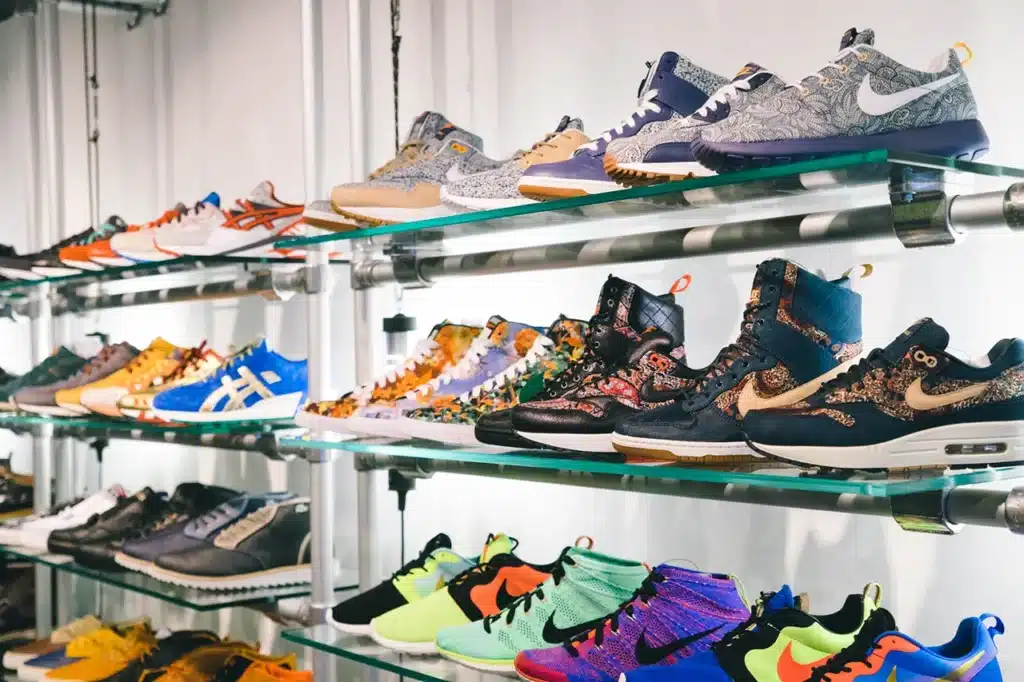
Read exclusive carefully. It can mean a retailer colourway, a regional release, an event allocation or a documented limited edition; those are different claims. A model offered in one restricted colour can still be available elsewhere in ordinary colours. Our advice is to buy the design you actually want and verify the edition, rather than treat the label as proof of a future premium. A shoe’s place in your rotation is a more concrete decision than whether other people will later call it a grail.
What brands should explain to local buyers
For a brand, the useful approach is to identify the actual audience and context of a release. A performance shoe needs different information from a collector edition or a fashion collaboration. Local product details, accessible purchase terms and honest cultural connections are more useful than claiming every UAE shopper expects luxury positioning. An event can show a creative partnership; a store can show a retail offer. Neither automatically establishes a representative national preference or a formula that guarantees a campaign will succeed.
Physical shopping versus online comparison
Physical shopping has a clear practical benefit: you may be able to inspect the actual pair and try the fit before paying. Online shopping can provide a wider comparison and clear product identifiers. Neither channel is automatically dominant or better for every buyer. Choose based on the actual offer, size availability and terms. If visiting a shop, confirm the code and size first; the Dubai sneaker-store guide gives leads, not a guarantee that every branch has every release.
Look for a specific, verifiable design story
The strongest cultural story is a specific one that can be checked: a named designer, a genuine collaboration, an event programme or a documented product idea. Do not replace that with claims about an older, richer audience or a universally refined taste. As a reader, ask what the collaboration actually changes about the shoe. As a brand, make those changes and the local purchase route clear. A familiar silhouette can earn interest through a useful or expressive design without requiring a claim that it represents the whole country.
Sole DXB 2026 and the wider community
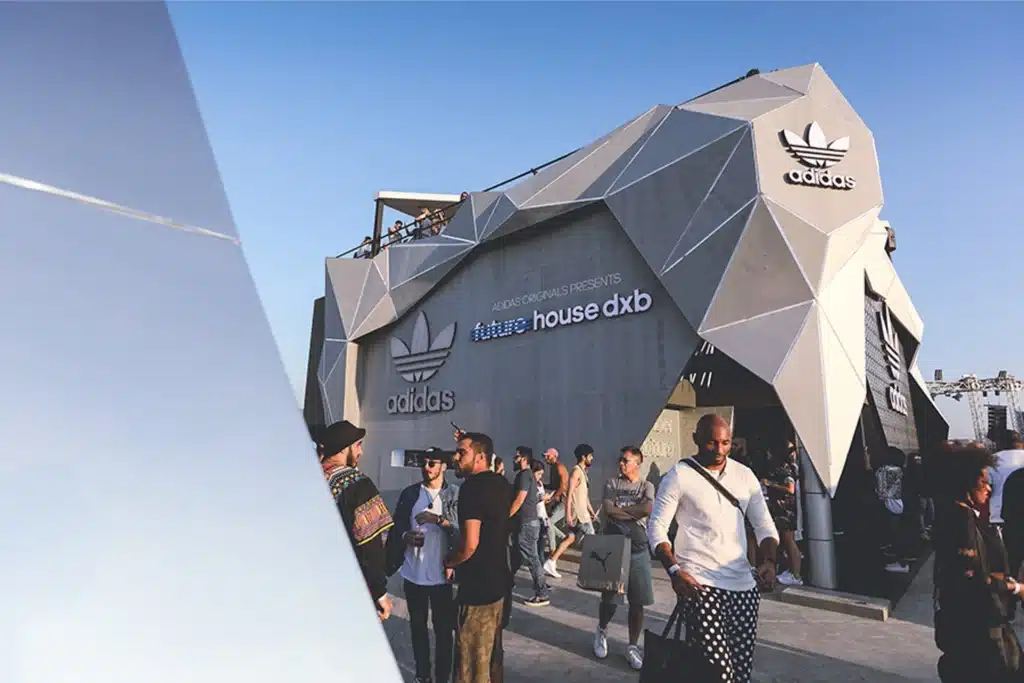
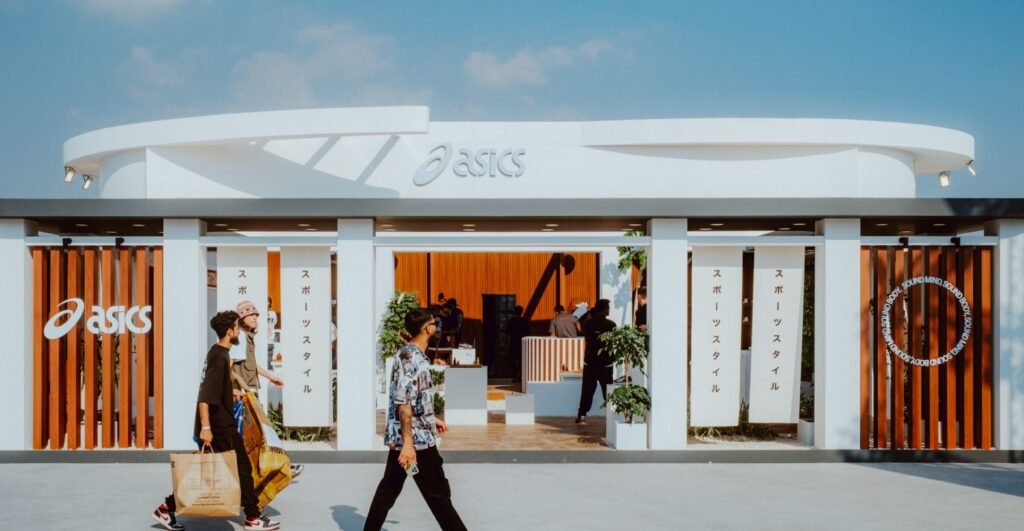
Sole DXB’s website lists 11–13 December 2026 for the next event and says more announcements are coming. That is a concrete date to track; it does not establish an unannounced lineup, ticket arrangement or sneaker allocation. We would follow the organiser’s current programme before making plans. More broadly, a cultural event is evidence of activity and community, not proof that every global brand uses Dubai as a formal testing ground for launches elsewhere.
Curating Your Collection: Timeless Styles & Climate-Conscious Choices
A useful collection begins with what you will wear or what you genuinely want to preserve. Choose a few models for distinct purposes rather than buy several because each is described as essential. Consider fit, maintenance, outfit use and storage alongside the design. A pair you use often can be the more rewarding purchase than an expensive edition that stays boxed. If collecting the history is the purpose, document the exact edition and included package rather than assume every similar-looking retro has the same story.
Iconic Silhouettes & Premium Collaborations: What Resonates in the UAE
Compare a familiar sportswear silhouette, a designer sneaker and a collaboration by their actual design. A fashion-house logo does not guarantee better comfort or longer life; a general release does not automatically lack interest. We favour choosing one clear reason for each purchase: a shape you like, a useful fit or an edition that matters to you. That keeps the collection intentional without pretending those preferences are a measured ranking of what every UAE consumer buys.
Comfort Meets Style: Adapting to the UAE Climate and Lifestyle
For outdoor walking in warm weather, check how the actual pair fits and feels rather than assume every mesh or lightweight shoe performs equally. Air-conditioned interiors, commuting and court use are different contexts. If a model is mainly a style purchase, keep that separate from a claim about training or long-distance comfort. We would try it with normal socks, check heel movement and forefoot pressure, and choose the shoe for the activity it will actually be used for. A technical-looking upper is not a climate test.
Conclusion
Our verdict: the UAE scene is worth exploring through the shoes, the people and the specific cultural spaces around them. Sole DXB provides one documented community reference; brand retail, multi-brand shopping and resale provide different buying routes. None supports reducing everyone to a luxury demographic. Choose the pair for your own use or collection, verify the actual offer and treat the cultural story as something to understand rather than a guaranteed price premium. That is a more useful way to engage than trying to buy a supposed national taste.
Start with the Sneakers section for individual model guides, then use the store guide for actual shopping leads and Sole’s own site for event announcements. Keep those sources separate: a cultural event page is not a retailer inventory list, and a product guide is not proof that every named shop has stock. The combination gives a practical route into the scene without inventing access, market statistics or firsthand visits.
How to read a sneaker release guide
Start with the model and edition. A retro is a later release of an existing design; a new colourway changes the colour treatment; a collaboration adds a named partner. Those labels can overlap, but they are not interchangeable. The same familiar shape may appear in several releases with different materials, branding or packaging. If a particular story is the attraction, check which edition actually carries it rather than assume every shoe with the same model name does.
Next, identify the market and the kind of date. An announcement, first launch, wider release and restock can all appear in coverage of the same shoe. A UK date does not automatically become a UAE date, and a past launch does not tell you what is in stock today. We prefer a guide that gives the exact code and market over one that simply tells everyone to hurry. A clear distinction saves a reader a wasted trip or a wrong purchase.
Finally, separate the retail reference from the offer you can buy. An original US price is useful history, but the current delivered AED total is the practical comparison for a UAE order. A resale asking price is another kind of information, not evidence of a completed sale. Keep size, condition and seller terms alongside the number. That lets you decide whether the actual pair makes sense for your use rather than judge it on a launch headline alone.
A manufacturer’s style code is especially useful when a colourway has several nicknames. Compare the code on the shoe and box with the actual product listing. A familiar nickname alone does not identify the edition.