The Nike Vomero Premium is a maximum-cushion road trainer with a 55mm heel stack, ZoomX foam and two exposed Air Zoom units. Its launch was in October 2025, not 2024. Our view is that it belongs on a shortlist for someone deliberately seeking a substantial training platform, rather than someone looking for a light, low-profile…
The Nike Vomero Premium is a maximum-cushion road trainer with a 55mm heel stack, ZoomX foam and two exposed Air Zoom units. Its launch was in October 2025, not 2024. Our view is that it belongs on a shortlist for someone deliberately seeking a substantial training platform, rather than someone looking for a light, low-profile racer. This is a researched product guide, not our own running test. The useful comparison is the actual fit, weight, intended use and current regional offer.
Related: check our Dubai Sneaker Stores and Buying Checks for where to buy authentic releases and avoid fakes.
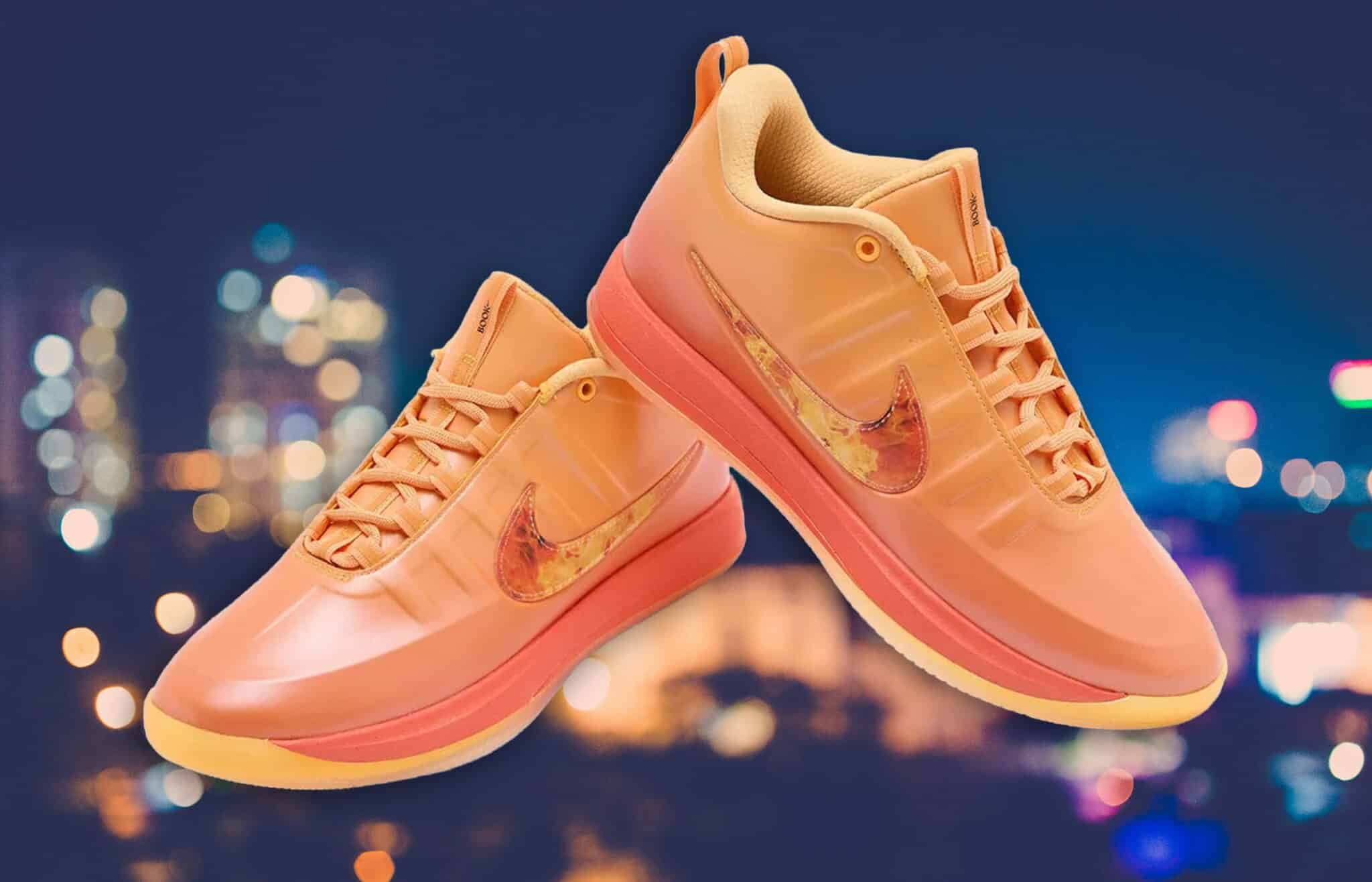
From the exaggerated midsole geometry to the finely tuned ZoomX cushioning system, Nike Vomero Premium is built to do one thing above all else: elevate your comfort without slowing your stride. At 55mm in the heel, it’s the tallest runner in the Nike line-up to date — and one of the most technically nuanced.
But make no mistake — this is no gimmick. Behind every visible design cue is intentionality. Nike isn’t just pushing foam; it’s pushing ideas.
Faith Kipyegon and the Breaking4 Narrative
It’s telling that Olympic champion Faith Kipyegon has been spotted training in the Nike Vomero Premium during her Breaking4 sessions. For the uninitiated, Breaking4 is Nike’s evolving legacy project, one that challenges perceived limits of human performance — and this time, it’s the women’s mile in the spotlight.
Nike’s launch account includes Faith Kipyegon’s use of the model in her training context. That is an attributed athlete account, not proof that every runner benefits identically or should use it for intervals. The construction can explain why the shoe is considered for cushioned training; personal suitability still needs an assessment of the actual pair and intended runs.
The training story does not turn the shoe into a universally appropriate race model. The important purchase questions are whether you want this much stack, whether the fit feels secure and whether the weight suits your preferred runs. No original wear or injury-prevention test was conducted for this article.

Design Philosophy: Loud but Logical
The Nike Vomero Premium is unashamedly bold. From the side profile, its ZoomX midsole curves upward into a sculpted wall of foam, giving the silhouette an unmistakable presence on the road or in the gym. But this isn’t style over substance. Nike’s design team approached the Vomero Premium with restraint where it matters.
The upper, for example, is clean and classic — a simple Swoosh on the midfoot, minimal overlays, and lightweight engineered mesh that keeps the foot cool without compromising lockdown. It’s a runner’s shoe through and through, just dressed like something you’d proudly wear on a post-run coffee run.
The large AIR lettering gives the upper a more conspicuous graphic treatment than a quiet daily trainer. Our view is that it suits someone comfortable with the shoe’s overall visual scale; the lettering itself does not supply a running-performance result. The cushioning, fit and intended road use remain separate checks.
ZoomX and Zoom Air: A Dual Threat
The Vomero Premium doesn’t rely on full-length Zoom Air like some of Nike’s other performance models. Instead, it positions Zoom Air pods at the heel and forefoot, allowing them to expand and contract independently with each stride. This segmentation gives the foot more adaptive cushioning across varying terrains.
ZoomX and the exposed Air Zoom units identify the cushioning arrangement. We have not independently established that it feels springy without being too springy, retains every runner’s preferred ground feel or is always stable. Compare the actual shoe with a trainer you know, and treat a high-stack design as a distinct choice rather than an automatic improvement.
Nike presents the Premium around recovery miles and easy runs. That is the design brief, not a guarantee of faster recovery, fewer injuries or improved training volume for every runner. A product specification should not become a personal health promise. Choose by the intended use and fit, and seek relevant independent running evidence if the underfoot feel is central to the purchase.

How It Compares to Other Nike Models
Pegasus Premium and Vomero Premium use different cushioning layouts and stack profiles. Compare their actual specifications rather than infer a universal ride result. The Vomero’s two exposed Air Zoom units and 55mm heel give it a distinct construction. A runner who prefers a lower platform or lighter shoe may favour another model even if this one has more cushioning material.
It also feels distinct from carbon-plated racers like the Alphafly. There’s no plate in the Vomero Premium. It’s not built for records. It’s built for longevity. For recovery runs. For slow miles that stack up over time, and for sessions when your legs need a bit more help absorbing the effort.
The model’s substantial platform and weight should be part of the decision. A maximum-cushion label does not prove that it feels quick or light to everyone.
A Shoe That Speaks to Modern Runners
We’re in the age of “comfort-meets-function”. More runners — recreational and elite alike — are demanding protection, style, and performance in equal measure. And that’s exactly where the Nike Vomero Premium lands.
Its release gives Nike’s road-training range another cushioning option. That is enough to assess without an unverified prediction about where all running culture is heading.

Stack Height: A Distinct Training Choice
More stack is one design choice, not proof that lower-stack running is obsolete or that every runner needs thicker soles. No injury-rate dataset is supplied here to establish a causal benefit. We would compare the shoe with your actual use and preferences rather than buy it because an article says thickness is necessary for survival.
Nike identifies a 55mm heel stack. The brand describes a wide platform and rocker geometry, but that does not establish a measured reduction in pronation for the individual wearer. A fitting and relevant use evidence are more useful than assuming a broader-looking sole guarantees control. The Premium and Plus remain different models, so do not transfer every feature between them.
The result? A shoe that feels indulgent, but performs with discipline.
Technical Specs That Speak Volumes
Nike has released precise numbers that underline the shoe’s purpose:
- Heel stack height: 55mm
- Forefoot stack height: 45mm
- Heel-to-toe drop: 10mm
- Midsole foam: ZoomX (full-length)
- Air units: Segmented Zoom Air in heel and forefoot
- Brand weight reference: approximately 351g in men’s US10; compare like-for-like sizes.
The construction puts the shoe in a maximum-cushion training category, but the listed weight matters too. Nike’s product specification gives approximately 351g in men’s US10, rather than the earlier 296g claim. Compare measurements made in the same size before treating one trainer as lighter than another. A lightweight foam does not make the complete shoe weightless.
The two Air Zoom units sit at the forefoot and heel within the ZoomX arrangement. That explains the construction without claiming we measured a rolling-wave ride or perfect independence on every surface. If you are interested in the feel, seek a documented running test or try the exact shoe rather than infer a personal result solely from the exposed components.

Heritage Meets Performance
The large AIR graphic recalls the visual language associated with Nike’s basketball footwear, while the Premium remains a road-training product. That is a design comparison, not evidence of a shared construction or a measured running benefit. Assess the actual shoe’s specification rather than infer function from a graphic reference.
The Uptempo was one of the boldest silhouettes in basketball history. It changed what was acceptable in terms of visual loudness. By referencing it here, Nike signals a shift in running: that flamboyance no longer needs to be separate from function.
It’s a reminder that the Nike Vomero Premium doesn’t need to apologise for its proportions. It celebrates them.
Project Dreamweaver and the Vomero Plus
The companion Vomero Plus is also released, with a full ZoomX midsole and a lower heel stack. Nike’s announcement gave 7 August 2025 for the Plus, followed by the Premium’s October launch. The two should be compared as separate current products, not an upcoming model and its hypothetical companion.
With a 45mm stack height, it still sits in the high-cushion tier, but its weight and responsiveness are calibrated for wider appeal. And perhaps more importantly, it was informed by insights from Project Dreamweaver — Nike’s athlete-led initiative focused on female runners preparing for Olympic qualification.
The result is a shoe that’s been tested and refined by athletes who aren’t full-time professionals, but who train with elite-level commitment. It brings the Vomero family closer to the lived experiences of real runners.

Release Schedule and UAE Pricing
Nike has announced the following global release dates:
- Vomero Plus launch: 7 August 2025.
- Vomero Premium launch: 2 October 2025 at selected retailers; 16 October 2025 globally.
A dated current UAE offer is more useful than a predicted launch price. The Black/Anthracite/Volt/Iron Grey Premium listing, HQ2050-001, showed AED449 reduced from AED1,099 when checked on 11 October 2026. That is one colourway’s page reference, not every Premium’s price or a guarantee that your selected size remains available.
- Plus pricing: check a current exact-edition UAE offer; no universal AED895 price is established.
- Premium reference: HQ2050-001 showed AED449 from AED1,099 on Nike UAE when checked; other editions can differ.
Check the selected size and basket total before comparing a local offer with an overseas order. A sale on one colourway does not establish the price of another, and the Plus needs its own comparison. Read the seller’s delivery and returns terms, especially if ordering a size or high-stack model you have not tried.
The Verdict So Far
Our buying view is to consider the Premium for a deliberately cushioned road-training choice, with its stack and weight accepted as part of the design. It is not an automatic recommendation for every runner. Compare fit, preferred underfoot feel and relevant independent use evidence before paying; a brand athlete’s training account is useful context, not your own test result.
A secure fitting and the right intended use matter more than a promise that the platform feels practical to everyone.
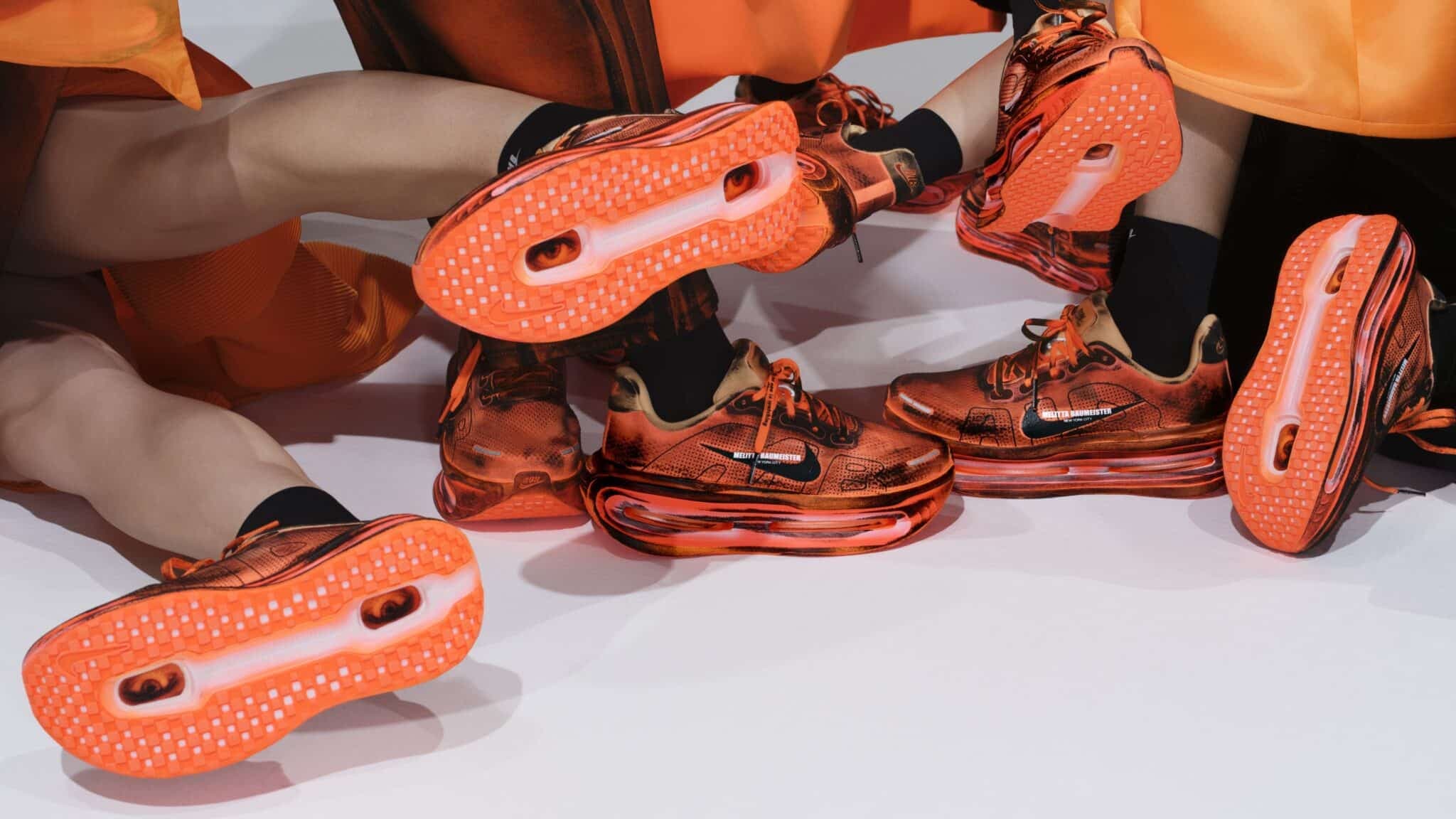
For a design-led edition within the same family, see our Melitta Baumeister Nike guide. Its collection story and price are separate from this general Premium model. For racing, check the applicable event’s footwear requirements rather than assume every high-stack road trainer is competition eligible.

Frequently Asked Questions
What is the Nike Vomero Premium?
It is a maximum-cushion road trainer with a 55mm heel, full-length ZoomX and exposed Air Zoom units at the heel and forefoot, as specified by Nike.
How much cushioning does the Vomero Premium provide?
Nike specifies a 55mm heel and ZoomX with two Air Zoom units. Those establish the construction, not a universal comfort or injury-prevention result for every runner.
What is the difference between the Vomero Premium and Vomero Plus?
Premium uses the taller 55mm heel and two exposed Air Zoom units. Plus has a 45mm heel and full ZoomX midsole. A claim that one always feels softer or firmer would need a relevant comparative test.
When is the Nike Vomero Premium releasing in the UAE?
The announced dates were 2 October 2025 at selected retailers and 16 October 2025 globally. Nike UAE now has edition-specific offers; HQ2050-001 showed AED449 from AED1,099 when checked, with selected-size availability needing confirmation.
Is the Nike Vomero Premium suitable for elite runners?
Nike’s launch account describes elite-athlete use, including Kipyegon, but the shoe is not limited to elites. Suitability depends on intended training, fit and preferred feel; that athlete account does not guarantee the same personal outcome.