More on the opening film: the Cannes record for Once Upon a Time in Gaza lists a 90-minute film set in 2007, involving student Yahya, dealer Osama and a corrupt policeman. It records the Nasser brothers’ 2025 Un Certain Regard directing prize. Those specifics help distinguish the film from a generic documentary about present-day Gaza.…
The 2026 Reel Palestine Film Festival has concluded. Cinema Akil’s programme description gives 23 January to 1 February for its 12th edition at Alserkal Avenue. This page records that programme and the filmmakers behind it. For a new screening or edition, use Cinema Akil’s current calendar rather than treating the old festival dates as available bookings.
Reel Palestine gives Dubai audiences a concentrated programme of Palestinian cinema. Its value is the opportunity to see different filmmakers, periods and forms alongside one another, rather than treating a single film as an explanation of an entire culture. The 2026 edition combined fiction and documentary with opportunities for discussion. That range is the reason to follow the festival: the films can ask different questions without being reduced to one message.
Our recommendation is to approach the programme through individual films. A historical drama, an intimate family story and a documentary may share a setting or concern while asking quite different things of the viewer. Choose the subject and form that interest you, then read the synopsis and screening details. This guide introduces the 2026 selection and its directors, with practical ways to choose between the announced films. The individual work is the starting point; the programme gives you a route towards it.
Reel Palestine at Cinema Akil
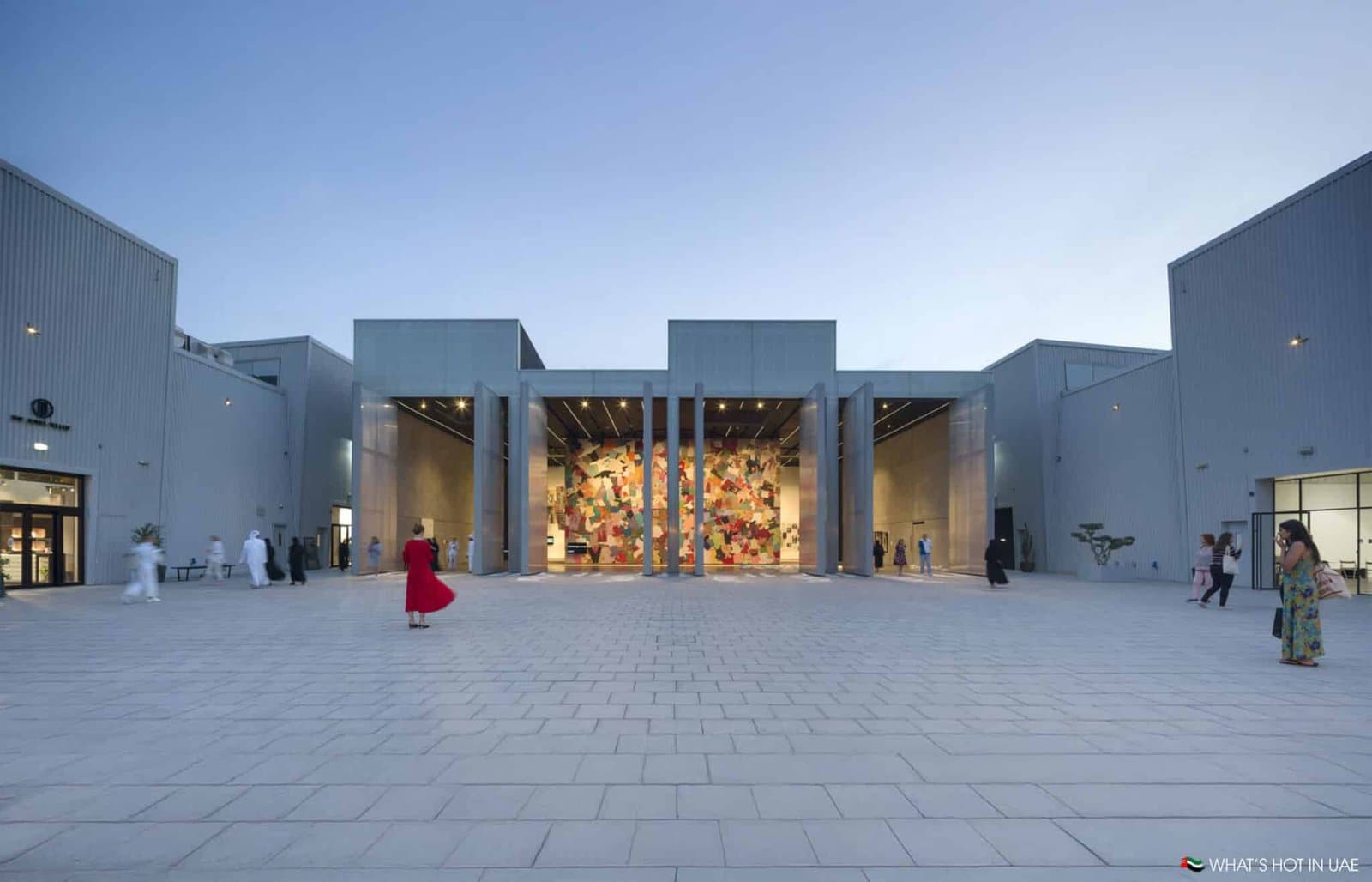
Cinema Akil is the festival’s Dubai home in Alserkal Avenue, Al Quoz. That makes it part of an active arts neighbourhood, but the cinema screening and an Avenue-wide event are different bookings. Check the exact film, screening time and venue when choosing a ticket. A festival overview is useful for discovery; the individual listing determines what you will actually see.
The completed 2026 edition
The official 2026 programme describes the festival as running from 23 January to 1 February. Its page heading displays a different date span, so the programme text is the reference used here. The edition is over in either case. Anyone looking for current Cinema Akil events should move to the live calendar and read the individual screening listing, including language, subtitles and any age classification.
Why a focused film programme matters
A focused film festival can make room for stories that receive less space in a commercial multiplex programme. That is a useful reason to attend, but it is not a reason to assume every film speaks for all Palestinian experiences. Directors make different choices about point of view, time, humour and form. Read the films as distinct works and let those differences shape the discussion rather than expecting one consistent tone throughout the programme.

Choosing between the films
The 2026 selection offered several ways into the subject, including historical fiction, family narratives and documentary. A useful way to choose between them is to ask what you want from the screening: a particular period, a director’s work, a view of daily life or an opportunity to discuss filmmaking. Where a listing includes a conversation, read who is attending and how it is scheduled; a festival association alone does not guarantee a live discussion at every screening.
Once Upon a Time in Gaza
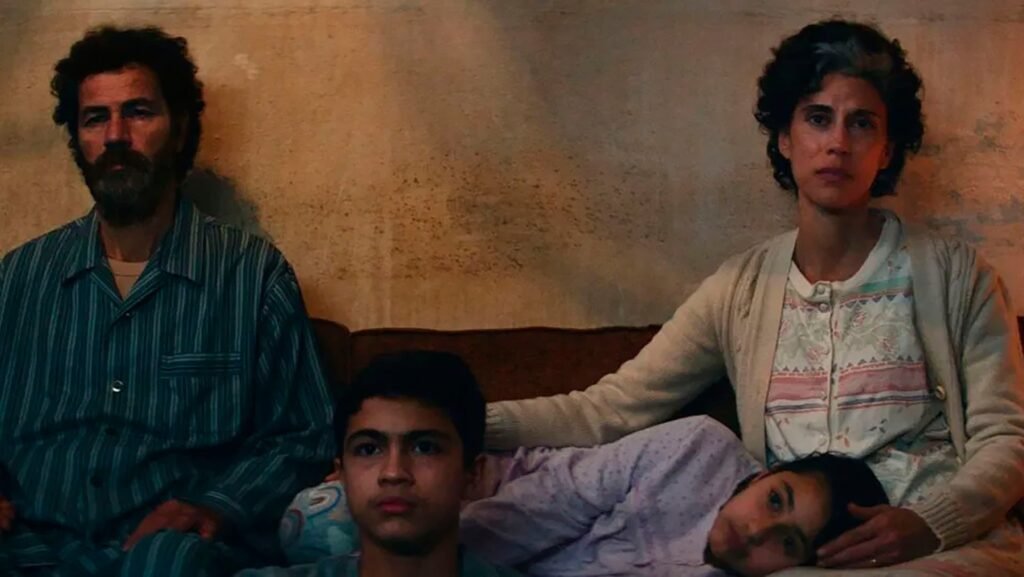
The edition’s announced opening film was Once Upon a Time in Gaza, directed by Arab and Tarzan Nasser, with actor Majd Eid named for the programme. For viewers following the brothers’ work, this makes the director credit a useful route into the selection. Read the film’s synopsis and trailer before deciding whether its subject suits you. A programme introduction can establish the booking and creators; it cannot replace watching the film or justify an invented verdict on its acting.
Academy Award-Nominated Voices: Annemarie Jacir and Cherien Dabis
Annemarie Jacir’s Palestine 36 and Cherien Dabis’s All That’s Left of You were also included. They offer different points of entry: the former is set in British Mandate Palestine in 1936, while the latter follows a family across generations. Those settings are more useful to a prospective viewer than an unsupported award label. The festival programme is a starting point for finding the films; each work deserves its own reading.
Diversity in Storytelling: Documentaries, Shorts, and Fresh Perspectives
Documentary gives the programme another kind of encounter. It asks viewers to consider how a film records, remembers and presents people’s lives, rather than treating fiction and documentary as interchangeable evidence. When choosing a screening, check its synopsis and filmmaker. When discussing it afterwards, distinguish what appears on screen from what you already know or infer. That produces a more attentive conversation than assuming every film has the same purpose.

The Cultural Heartbeat: How Palestinian Cinema Challenges Perceptions & Fosters Dialogue
The cultural value of a programme like this lies partly in access: people can encounter works they might otherwise miss. It also lies in comparison. Seeing different approaches to a subject can reveal how framing, editing and narrative time affect a viewer’s understanding. That is an argument for engaging with the films closely, rather than a claim that a festival supplies a definitive history or that every work represents an entire population.
Reading different points of view
Look for whose perspective a film uses and what falls outside it. A family story may place public events alongside everyday decisions; a documentary may stay close to one person or return to a remembered place. Those are choices about storytelling. Asking why a filmmaker made them is more useful than assigning all Palestinian cinema the same mood or assuming a film’s subject automatically explains its artistic quality.
Making your own viewing selection
A festival also brings works into conversation with one another. For a future edition, a balanced personal selection could pair a feature with a documentary or a shorts programme, depending on what is announced. That is our viewing suggestion, not a promised package. Leave room to think between screenings. Fitting the largest number of titles into a day is not necessarily the best way to engage with difficult material.

Following the cinema beyond the festival
The festival’s recurring relationship with Cinema Akil gives interested viewers a place to follow the programme. For residents, that makes it worth watching the cinema’s calendar throughout the year rather than waiting only for a festival. A relevant film may receive a separate run or appear in another programme, but availability needs its own listing; inclusion in the 2026 archive does not guarantee a current screening.
Planning an Alserkal Avenue visit
Alserkal Avenue is useful context for a cinema visit: galleries and other cultural activity can make the trip more than one screening. Keep the actual film booking as the anchor, though. Choose a meal or another stop around its start time and allow room to reach the cinema. An Avenue event ticket and a Cinema Akil booking should not be assumed to cover one another.
Choosing a screening with friends
For people attending with friends, choose a film everyone understands they are booking. Read the synopsis, running time and subtitles together rather than selecting only by a familiar festival name. Afterwards, let different reactions remain different. A worthwhile film conversation does not require a unanimous verdict, and a programme about a shared subject can still contain sharply different artistic approaches.
Following the filmmakers
The director credits give readers a more precise way to explore the programme. Follow a filmmaker’s work across more than one title and look for changes in subject, form and perspective. This is especially useful when a festival combines established directors with newer voices. A name on the programme establishes a credit; it does not support an invented award nomination, biography or claim that the director was present at every screening.
Annemarie Jacir and Palestine 36
Annemarie Jacir directed Palestine 36. The film’s official site identifies its 2026 Oscar shortlist status; being shortlisted is different from receiving a final Academy Award nomination. The film’s 1936 setting also provides a clear reason to choose it if you are interested in how cinema approaches a historical period. Read the work on its own terms rather than assuming an award status settles its meaning or your response to it.
Cherien Dabis and the Nasser brothers
Cherien Dabis directed All That’s Left of You, while Arab and Tarzan Nasser directed Once Upon a Time in Gaza. Their names should not be compressed into a generic claim that all are Academy Award-nominated filmmakers. The useful comparison concerns their different stories and filmmaking choices. For a viewer building a personal watchlist, choose the works that interest you and verify current screening or distribution availability separately from the festival archive.
For a current booking, open Cinema Akil’s calendar, choose the individual screening and check its venue, start time, subtitles and access terms. The 2026 festival details above are historical. Our recommendation is to use the archive to discover films and directors, then use a live listing to decide when and where to watch them.
More on the opening film: the Cannes record for Once Upon a Time in Gaza lists a 90-minute film set in 2007, involving student Yahya, dealer Osama and a corrupt policeman. It records the Nasser brothers’ 2025 Un Certain Regard directing prize. Those specifics help distinguish the film from a generic documentary about present-day Gaza. If you choose it, allow room for the story’s setting and characters instead of expecting every scene to explain the wider history. Its competition record is a verified credit, not a substitute for your own response to the film.
Matching a film to your interests: someone interested in a historical period has a different starting question from someone choosing a family story. For Palestine 36, that question might concern the relationship between a character’s decisions and the period around them. For All That’s Left of You, it might concern how a family carries a history across generations. These are suggested ways to approach the announced subjects, rather than scene-by-scene reviews. Read the official synopsis first and resist turning a filmmaker’s subject into a verdict before you have watched the work.
Before taking children or a mixed-language group: check the individual film’s classification, spoken language and subtitle listing. A festival hosted in an arts neighbourhood is not automatically a family activity, and a programme overview does not supply those details for every screening. If the listing is unclear, ask the cinema before paying. Check whether a discussion follows the film and allow for that extra time when arranging pickup. A little preparation makes it easier to concentrate on the work instead of discovering at the door that the booking does not suit your group.