Choose UAE restaurants by specific practices: LOWE’s ingredient reuse, The Growhouse’s indoor farm and Wild & The Moon’s plant-based format. BOCA is closed; Farmhouse is temporarily closed.
For sustainable dining in the UAE, we would start with a restaurant that can explain a specific practice: what it grows, how it uses ingredients or where its food waste goes. LOWE and The Growhouse offer concrete examples. Wild & The Moon publishes its plant-based and packaging commitments. BOCA remains an important historical example, but its DIFC restaurant has closed; Farmhouse by Syrco is also currently listed as temporarily closed. Choose an operating venue for dinner and judge environmental claims by what the business actually does.
The Rise of Sustainable Dining
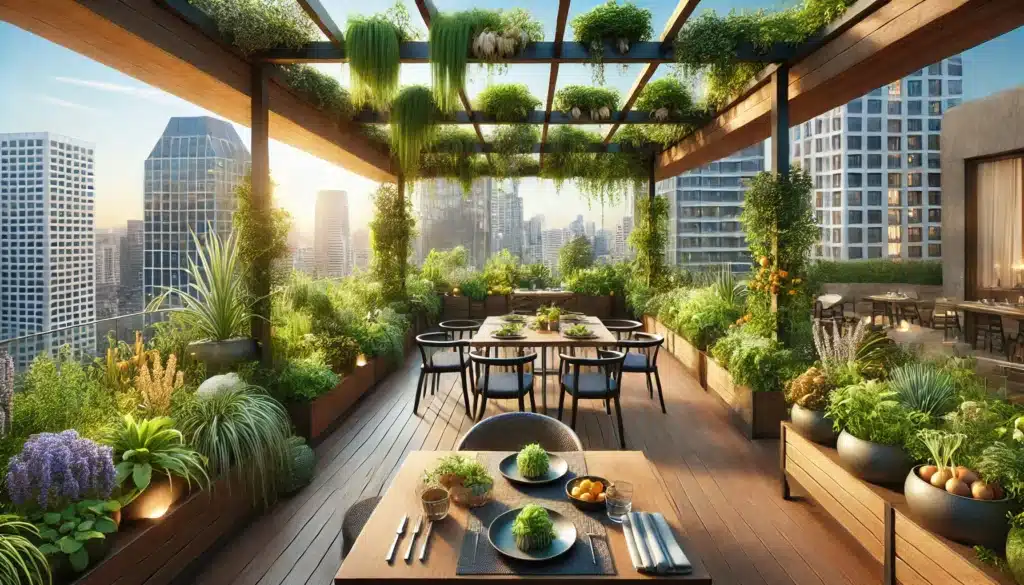
A local ingredient, a vegan dish and compostable packaging answer different questions. Our preference is a restaurant that names the ingredients and describes its working practices, rather than one that relies on “eco-friendly” as a complete explanation. The useful comparison is between specific choices: an indoor farm supplying part of a menu, a kitchen using otherwise discarded ingredients, or a café replacing particular packaging. None establishes that every part of the business has no environmental impact.
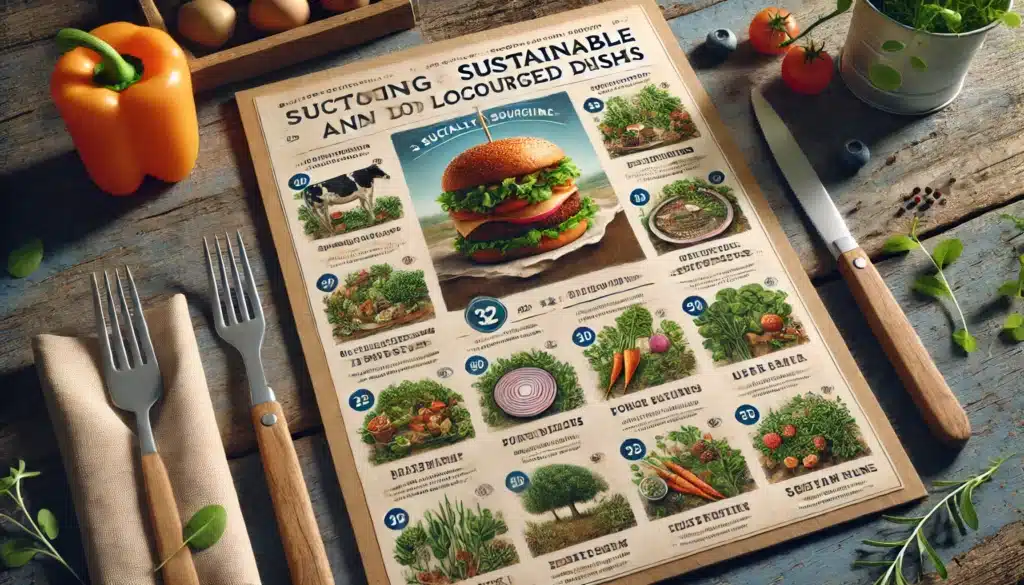
Key Sustainable Restaurants in the UAE
1. Boca, Dubai
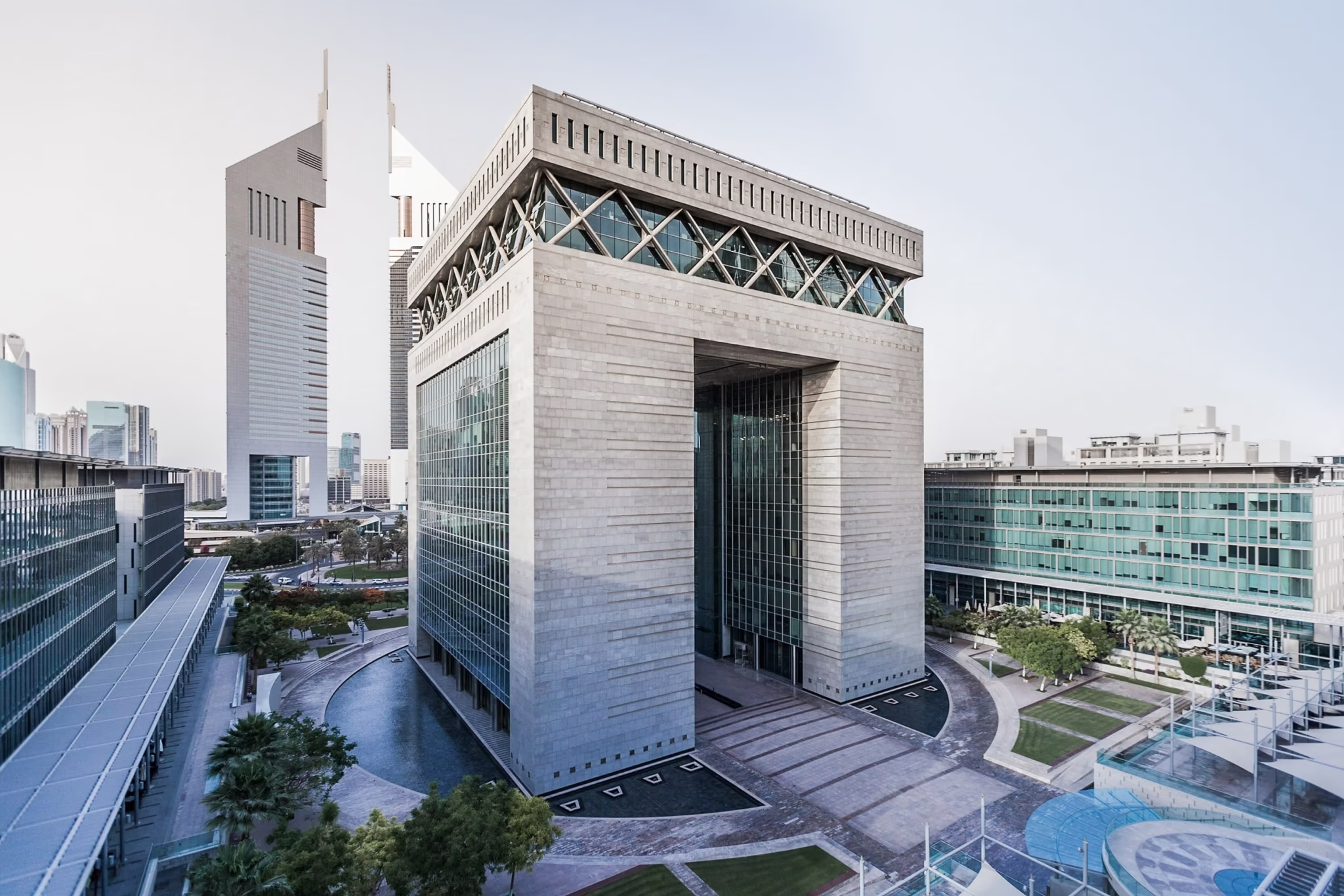
BOCA’s DIFC restaurant closed after its final service on 31 March 2026. The operator’s announcement describes its work with farmers, growers and suppliers, and discussions about a next chapter. Keep BOCA in mind as an example of the district’s responsible-sourcing work, not as a table you can book at the former address. A future concept needs its own confirmed venue and opening details before it becomes an active recommendation.
Update: Boca’s DIFC restaurant closed on 31 March 2026 after almost 12 years; the team has teased an evolved “Boca 2.0” but no new address was confirmed at the time of writing, so check current status before planning a visit.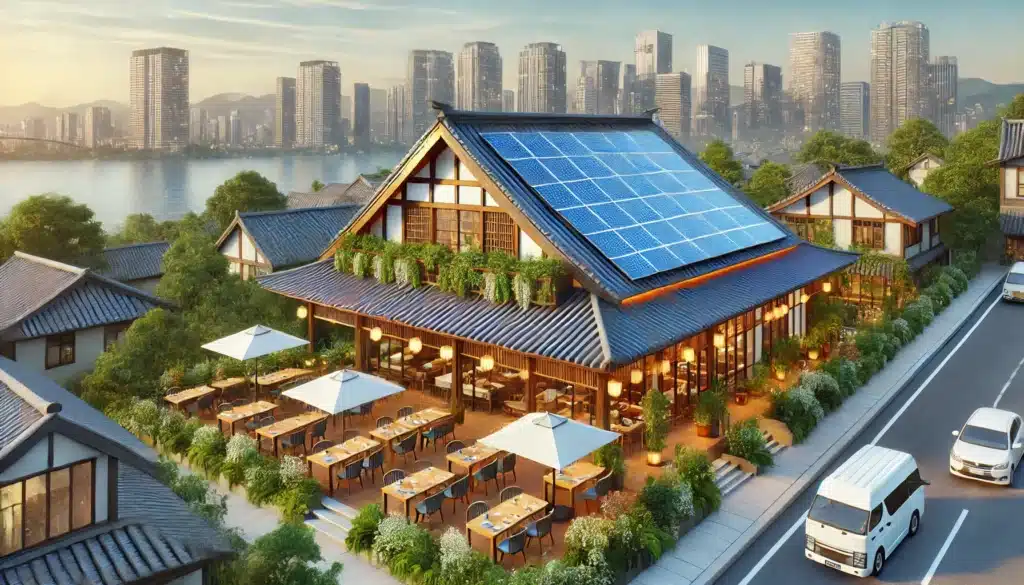
2. Wild & The Moon, Dubai
Wild & The Moon’s published commitments describe plant-based recipes, using juice and nut-milk pulp in crackers, and packaging made with plant-derived materials. We would choose it for a plant-based café order and compare the actual ingredients and packaging offered. These are the operator’s stated practices; they do not prove that every ingredient is UAE-grown or that packaging will break down in any bin. The practical question is how the local waste service handles that material.
3. Farmhouse, Ras Al Khaimah
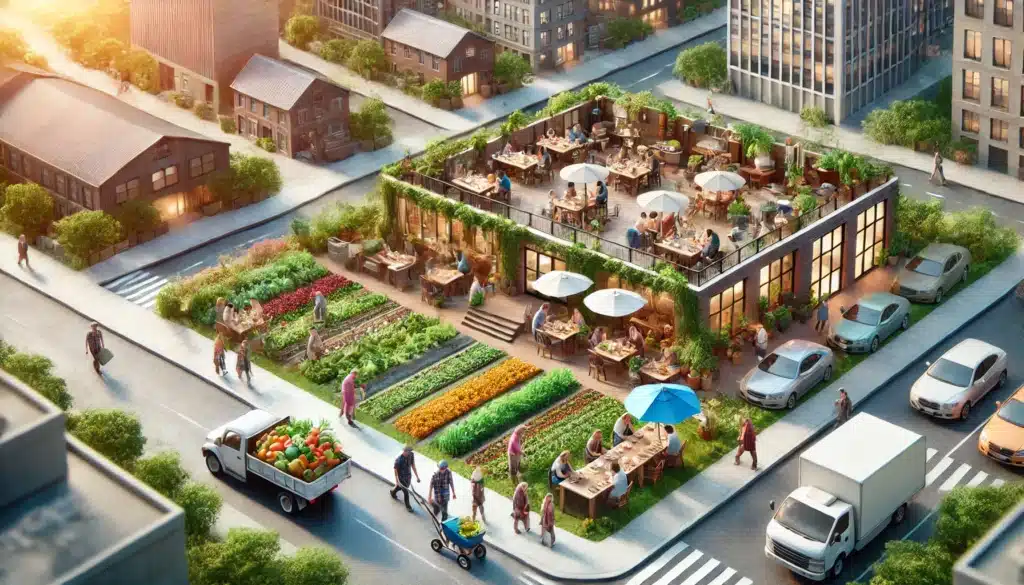
Farmhouse by Syrco at The Ritz-Carlton Al Wadi Desert remains listed as temporarily closed. The hotel says the reimagining began on 27 July 2026, with reopening expected in October. An expected month is not confirmation that it has reopened. The operator describes seasonality and carefully sourced ingredients; the menu and ingredient information attached to the reopened restaurant should decide a future meal there. Wait for reopening and the new menu before making the journey for this restaurant.
4. One Life Kitchen & Café, Dubai
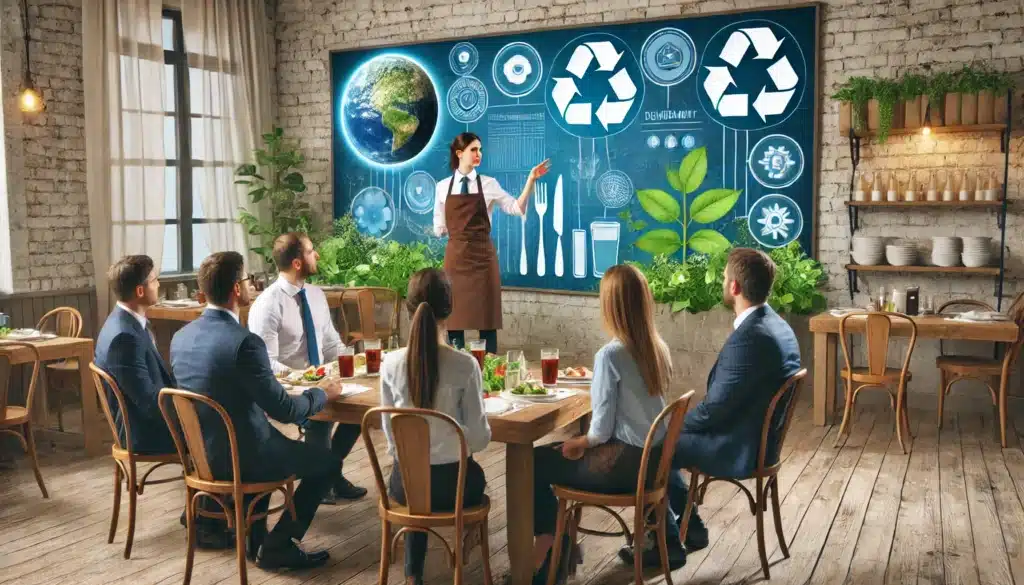
For One Life’s growing-and-dining proposition, choose The Growhouse at Warehouse 7, Alserkal Avenue, rather than assuming the same farm operates at its d3 café. Visit Dubai describes an indoor farm whose plants and herbs supply the kitchen, plus a local-produce market and workshops. One Life’s own site lists d3, JVC and The Growhouse as separate locations. Our pick here is the Alserkal branch because the growing element is part of that specific visit. Contact it on +971 4 257 3984.
5. LOWE, Dubai
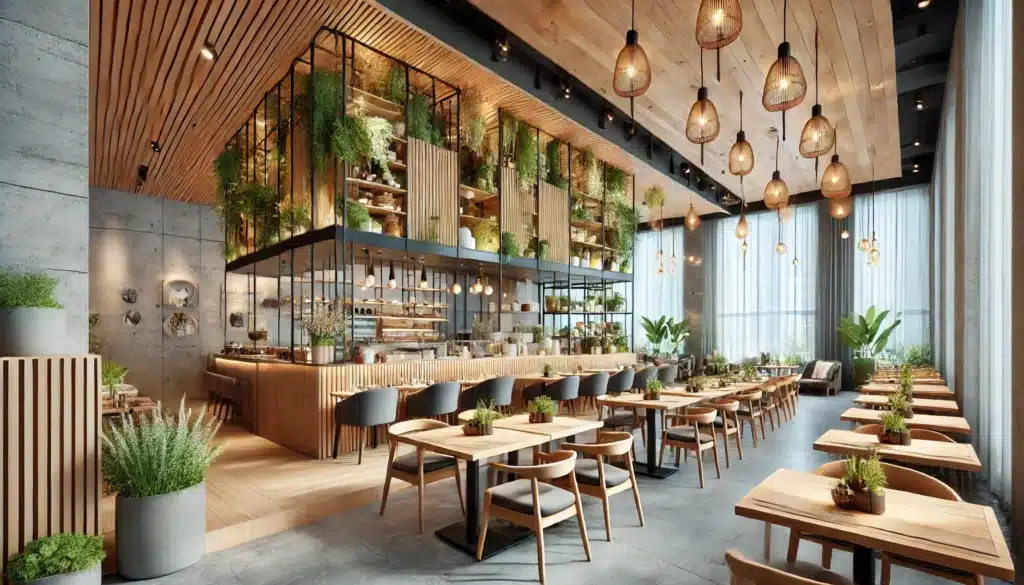
LOWE is at KOA Canvas, Wadi Al Safa 3, near Al Barari. Its current Michelin listing describes composting organic waste for its kitchen garden and Waste NOT dinners built around would-be waste products. That gives it a stronger claim in this guide than a blanket assertion that every fish is sustainably caught or every meat ethically sourced. We would choose LOWE for a meal centred on the kitchen’s ingredient-use approach; ask about the next Waste NOT event if that is the reason for booking.
Sustainable Practices in UAE Restaurants
Use these five questions to compare a restaurant’s published claims with the meal you are choosing:
1. Sourcing Local and Organic Ingredients
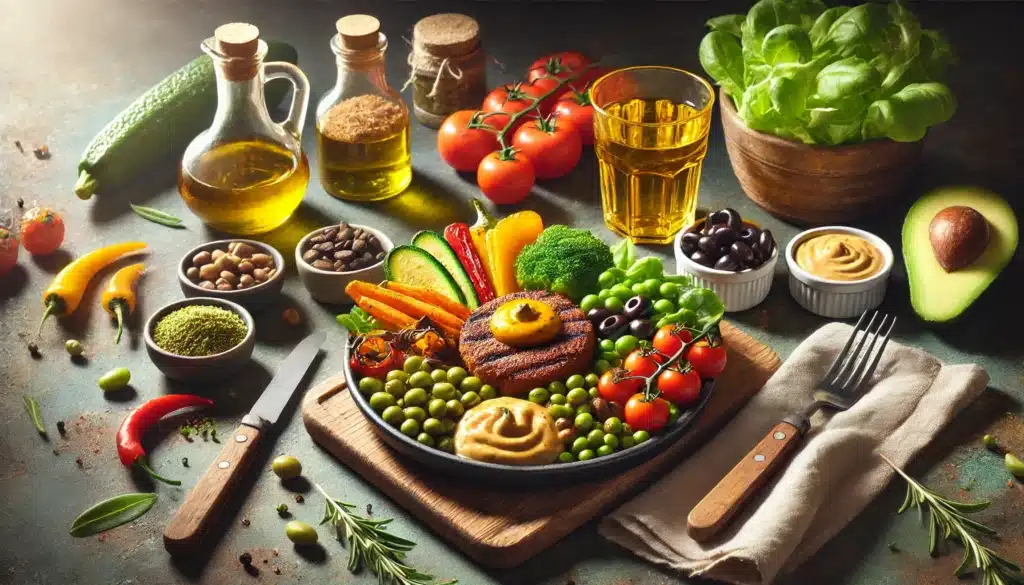
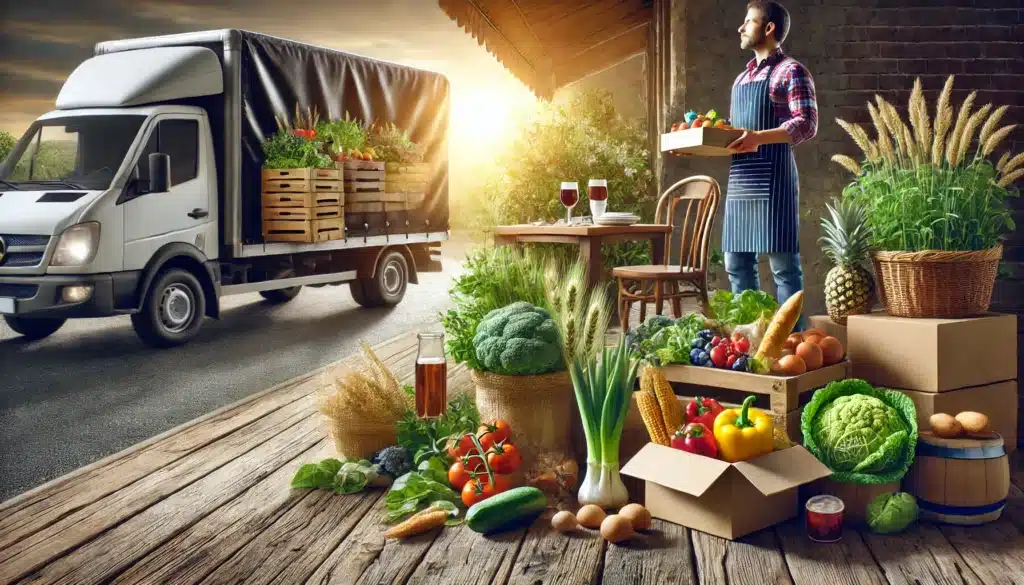
What is local, and what is organic? Ask which ingredients come from a named UAE grower and whether an organic claim applies to a particular product. Local and organic are different descriptions. Distance alone does not establish the full footprint of growing, storage and transport. We would favour a clear supplier or ingredient explanation over a broad claim that everything is free of harmful chemicals.
2. Waste Reduction
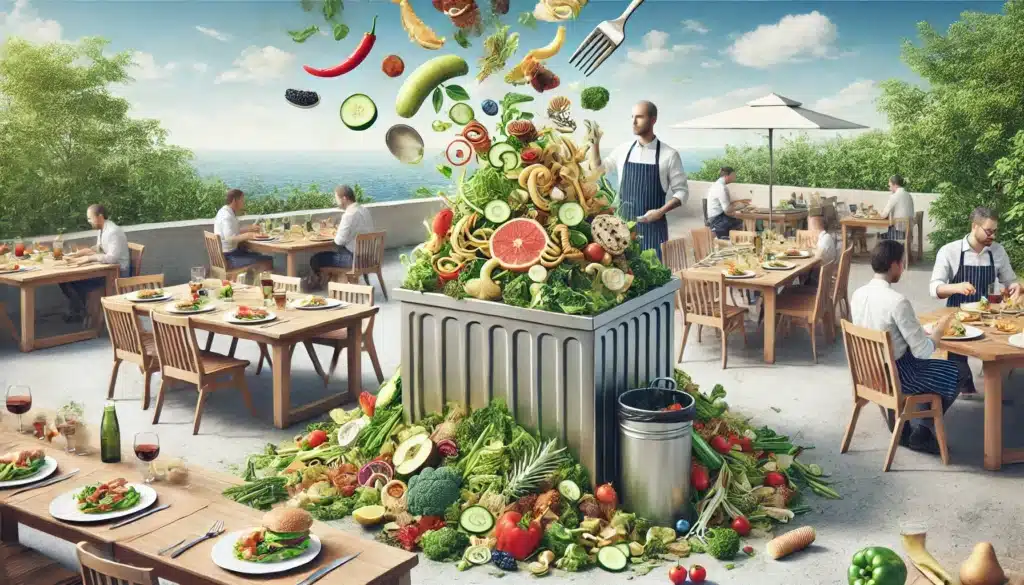
What happens before food becomes waste? Compare portion choices, ingredient use and the handling of surplus with what happens to unavoidable scraps. LOWE’s Waste NOT approach and Wild & The Moon’s pulp crackers are specific examples of ingredient reuse. Composting is a separate practice, not proof that a kitchen never produces waste. Order for the table’s appetite rather than treating a large spread as compulsory.
3. Eco-Friendly Packaging
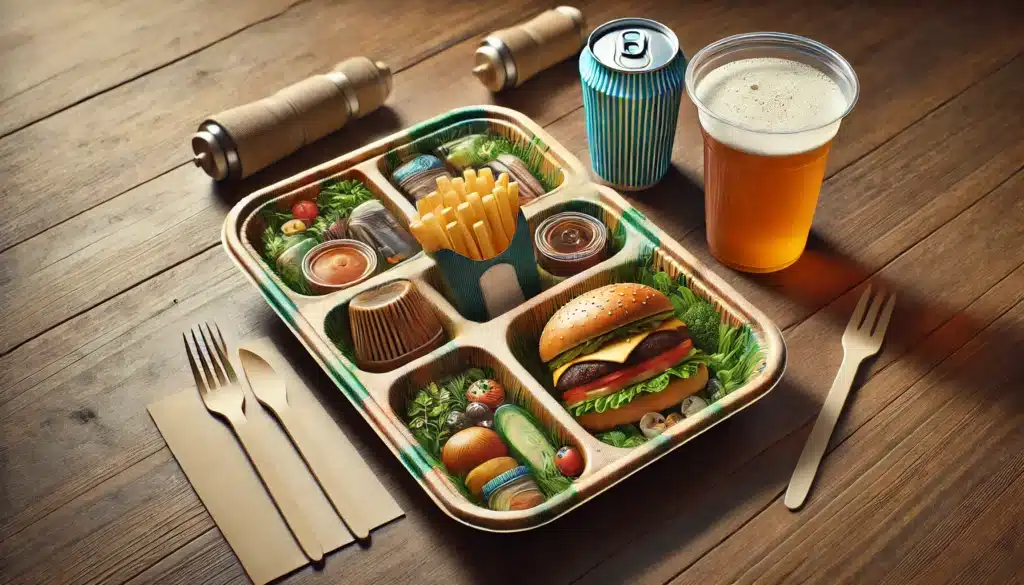
How is packaging collected? Reusable, recyclable, biodegradable and compostable are not interchangeable labels. Ask which material is used and where it goes after the meal. For a takeaway, choose only the cutlery and packaging you actually need. A plant-derived container still needs the appropriate collection and treatment; its label alone is not a reason to discard it carelessly.
4. Energy and Water Conservation
Which energy and water measures are documented? A business can describe efficient equipment or water-saving systems, but a landscaped dining room does not prove either. Compare a named measure with a measurable result where the operator publishes one. Avoid awarding a restaurant an energy claim simply because its menu uses local vegetables or its hotel has a wider sustainability programme.
5. Education and Community Engagement
Can diners engage with the practice? A farm visit, workshop or specific event gives customers a clearer connection to the work than a slogan. The Growhouse’s growing space is one reason we include it. Check the current programme and booking arrangements before travelling for an activity; ordinary café opening does not guarantee a workshop takes place that day.
Impact on the Culinary Landscape
Our recommendation is simple: choose a current restaurant with a specific, published practice and a menu you want to eat. LOWE is the stronger pick for ingredient-use work; The Growhouse for its indoor-growing element; Wild & The Moon for a plant-based café format. BOCA belongs in the historical context, and Farmhouse needs a confirmed reopening. A meal does not need an inflated environmental promise to be a good choice. Judge the detail, then the dish.
Facts checked on 9 October 2026.