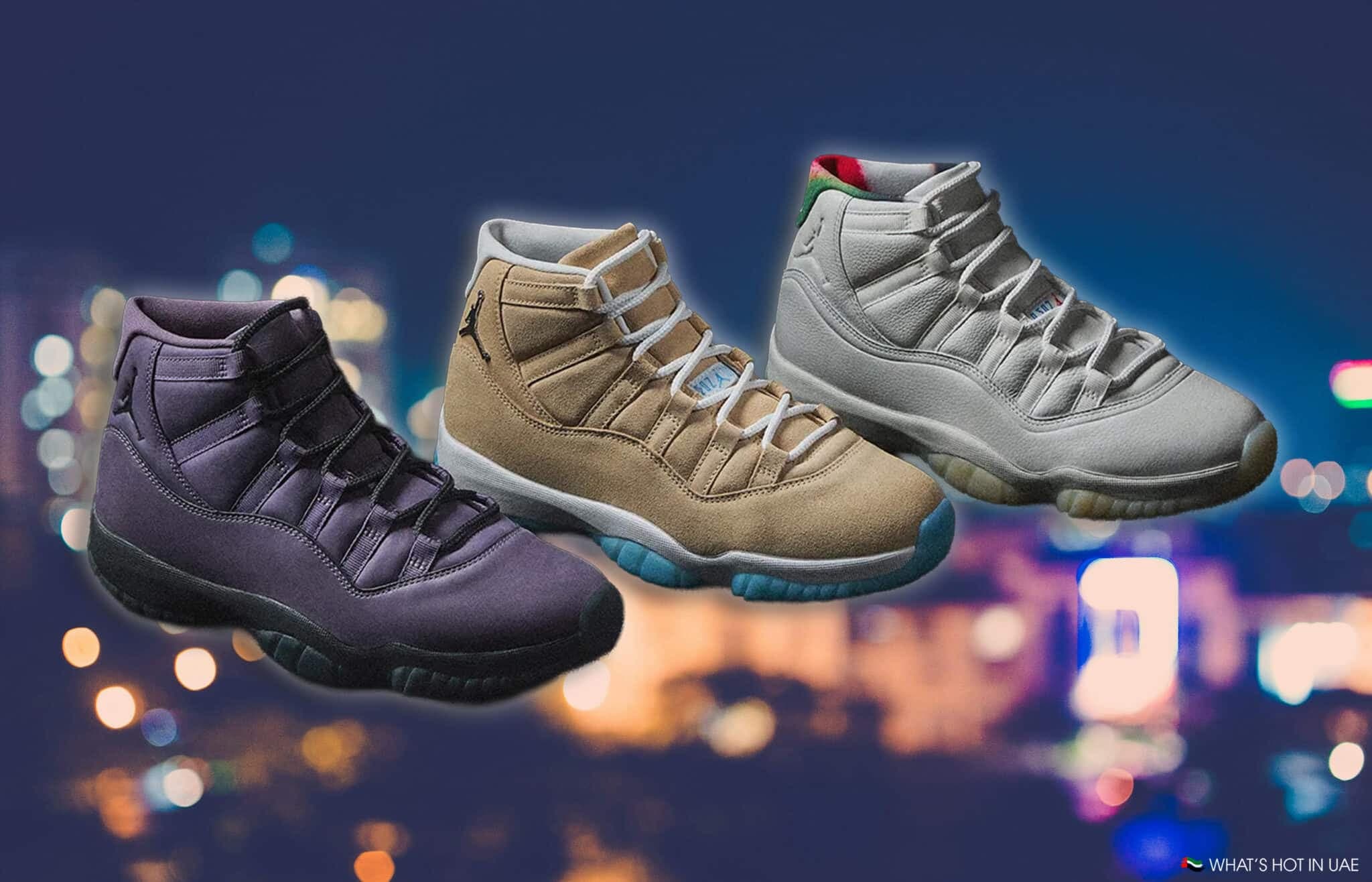
Why Michael Jordan changed sneakers: AJ1, AJ3 and AJ11 design history, original prices, the Air Ship distinction and the athlete-brand model behind the appeal.
Michael Jordan’s claim to the sneaker crown rests on three things: a remarkable playing record, designs with identities of their own and a partnership that made the athlete central to the product. Put an Air Jordan 1, 3 and 11 beside one another and the design argument becomes clear. Add the basketball story and the cultural reach, and this is a much stronger case than a resale price or a famous logo alone.
Three Jordans that explain the appeal
Start with these three original models. Nike’s archives identify their designers, release years and original US retail prices; the final column offers our styling choices.
| Original model | Original release, designer and US price | What makes it distinct | Our style choice |
|---|---|---|---|
| Air Jordan 1 | 1985; Peter Moore; US$65 | The high-top outline and contrasting panels that anchor the original look. | A first pair with a direct connection to the beginning. I’d keep the outfit simple and let the colour blocking work. |
| Air Jordan 3 | 1988; Tinker Hatfield; US$100 | Elephant-print detailing gives it a different visual character from the AJ1. | My strongest all-round style pick here: enough detail to be interesting without needing a loud outfit. |
| Air Jordan 11 | 1995; Tinker Hatfield; US$125 | The glossy patent-leather treatment makes the contrast immediate. | A statement pair. I’d choose it when that shine is the point, rather than expect it to disappear into an outfit. |
The dates and prices describe the original models in Nike’s archive. A later retro has its own release, reference and current offer. If you are buying rather than studying the history, identify that exact edition, size and condition before comparing prices.

The Rise of Air Jordans: A Cultural Revolution
The Nike relationship began in 1984, and Nike’s Air Jordan 1 archive identifies the shoe’s original release as 1985, with Peter Moore as designer. That separates the agreement and development period from the retail debut. The model’s bold colours and basketball association gave it a clear identity, while later fashion and music connections widened the audience. Our view is that this combination—not just a single advertisement—is what gave the line staying power.
The Air Ship and the Air Jordan 1 play different roles in the Banned story. Sotheby’s account identifies the Air Ship as Jordan’s first Nike NBA game shoe while the AJ1 was being developed. It connects the 1984 black-and-red colour controversy to the Air Ship, then identifies the AJ1 on his feet in the famous later advertisement. The real sequence is more interesting than treating every early photograph as the same shoe.

The Legacy of Michael Jordan in Sneakers
Tinker Hatfield’s 1988 AJ3 gives the line a second unmistakable identity through elephant print and the Jumpman association. His 1995 AJ11 takes a different direction with patent leather. That range is central to Jordan’s appeal: a retro can be compelling because it preserves a distinctive older design. Our Tinker Hatfield profile explores the designer’s wider story.
The sporting foundation is substantial. NBA’s career profile records six championships, five NBA MVPs and six Finals MVPs. Those achievements give the signature line a career story that extends beyond an advertising character.

Enduring Popularity and Resale Culture
Resale prices are a poor shortcut to understanding Jordan’s influence. A seller’s ambitious asking price is not a completed sale, and an exceptional collectible is not a sensible benchmark for an ordinary retail pair. I’d compare the exact edition in the same size and condition, then include delivery and any applicable charges in the amount I am prepared to pay. I would not pay extra just because a listing calls something rare.
Collecting and wearing also answer different questions. An unworn pair with its original packaging may matter to a collector; someone buying a daily shoe needs to care about fit and usable condition. Neither purpose requires a four-figure purchase. My advice is to decide which job the shoe has before opening resale listings. That makes it much easier to walk away from a pair whose story is better than its value to you.

Marketing Genius: The Jordan Brand
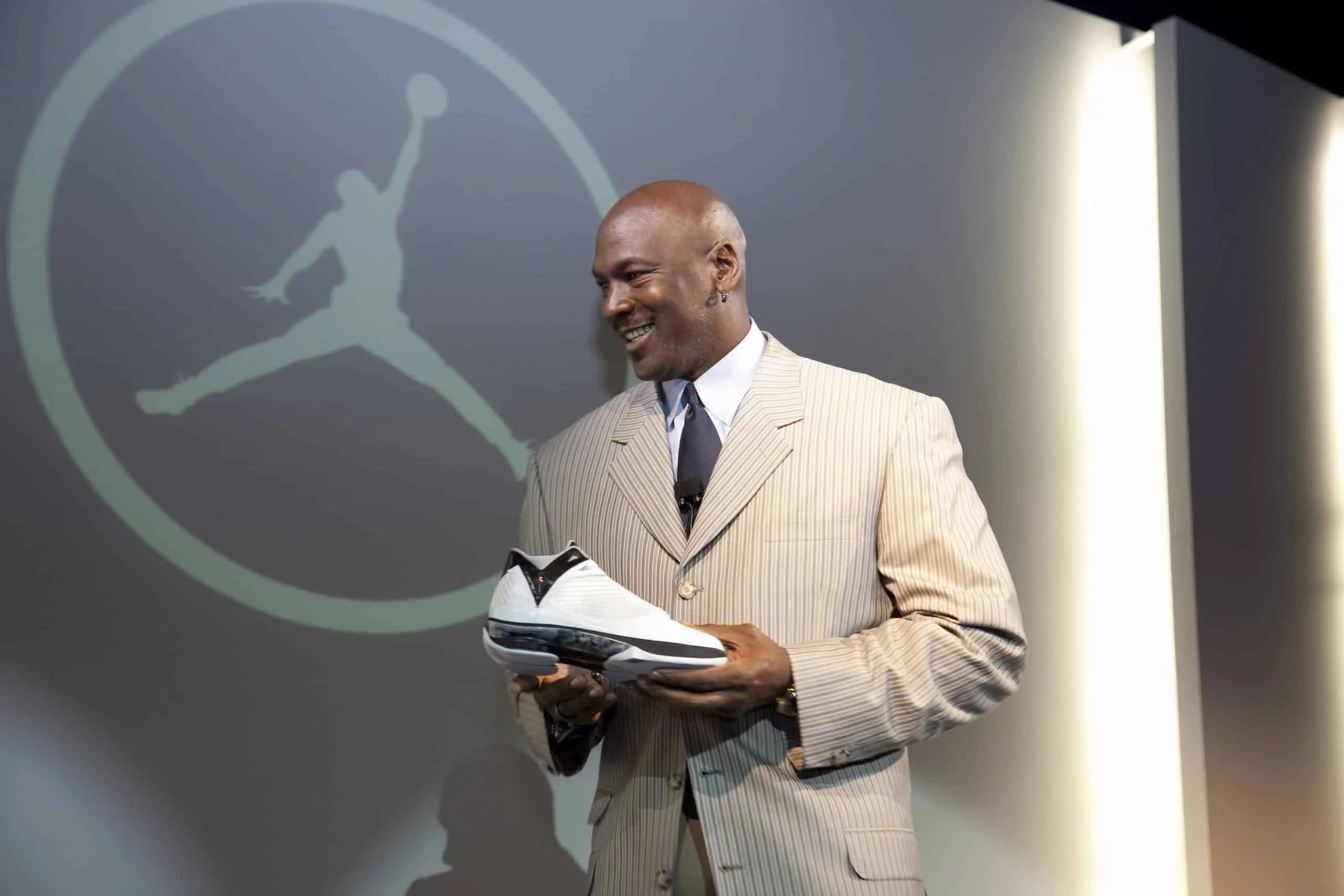
The Jumpman makes the athlete immediately recognisable without spelling out his name. Nike’s AJ3 archive ties the model to his 1988 Slam Dunk contest appearance, while the AJ11 archive connects its patent-leather design with his return to a full season and its later Space Jam visibility. The branding has specific moments and designs behind it.
Familiar shapes also leave room for reinterpretation. Colour and material changes can give an older silhouette a different mood while retaining its identity. Our Nike history places the Jordan partnership within the wider company story.

Community and Culture: The Jordan Effect
A collection becomes more interesting when its owner can explain the choices. I would rather hear why someone loves the AJ3’s elephant print than have them recite a resale quote. Basketball history, design and personal taste give people different ways into the same line. There is no requirement to own the rarest collaboration to take part.
For a UAE reader, the next step is comparing actual pairs and talking through the terms. Our UAE sneaker-culture guide provides local context; use it alongside the store guide below to find a route into the models that appeal to you.

The Impact of Collaborations and Editions
Collaborations are most interesting when they change how you see a familiar shoe. Travis Scott and Off-White interpretations are part of the Jordan story, but a collaborator’s name does not replace looking at the design. I’d judge the shape, colours and materials first. If the only attraction is the expectation that someone else will pay more later, I would leave the pair alone.
For a collaboration, judge what changed: shape, colours, materials, artwork or packaging. Then match the exact reference and condition to the price. A famous collaborator can make a design interesting, but the shoe still needs to earn its place in the collection.

The Athlete-Brand Business Model
The business shift was the athlete-led product relationship. In Temple University’s 2023 interview, sports-marketing scholar Thilo Kunkel explains how Jordan’s involvement in design and the recurring signature releases helped turn an endorsement into an athlete brand. He also describes nostalgia as a reason people return to retros: the product reconnects them with an athlete or an earlier moment. That helps explain why the archive can attract people who never watched Jordan play live.
Jordan’s business career also includes the Hornets. In his 3 August 2023 letter, he described handing over the controlling stake and moving from majority to minority ownership. It is a dated chapter in the entrepreneur’s story, distinct from the history of an individual shoe.

A Lasting Legacy: Influencing Future Generations
The AJ1, AJ3 and AJ11 show why the archive remains worth exploring. The original, the elephant-print statement and the patent-leather design offer different entry points; later models and collaborations give the story more branches.
For a first pair, our design pick is the AJ3: elephant print gives it an immediate identity without requiring a loud outfit. Choose the AJ1 for the origin story, or the AJ11 when its shine is the attraction. Then fit the actual edition and check its construction, condition and seller terms.

Why Jordan Gets Our Vote
Jordan gets our vote for the combination: sporting achievement, a broad design archive and an athlete-brand relationship with cultural reach. For a specific later colourway, read our Air Jordan 3 Pure Money guide; for local buying routes, use our Dubai sneaker store guide. The history makes the shoes worth exploring; your own taste should decide the pair.
Sources
Nike’s AJ1, AJ3 and AJ11 archives, Sotheby’s Air Ship account, the NBA career-profile honours and Jordan’s dated Hornets letter were checked on 16 November 2026. The athlete-brand analysis is attributed to Temple University’s 2023 interview with Thilo Kunkel. Styling choices are editorial judgment; this is not our own wear review.