

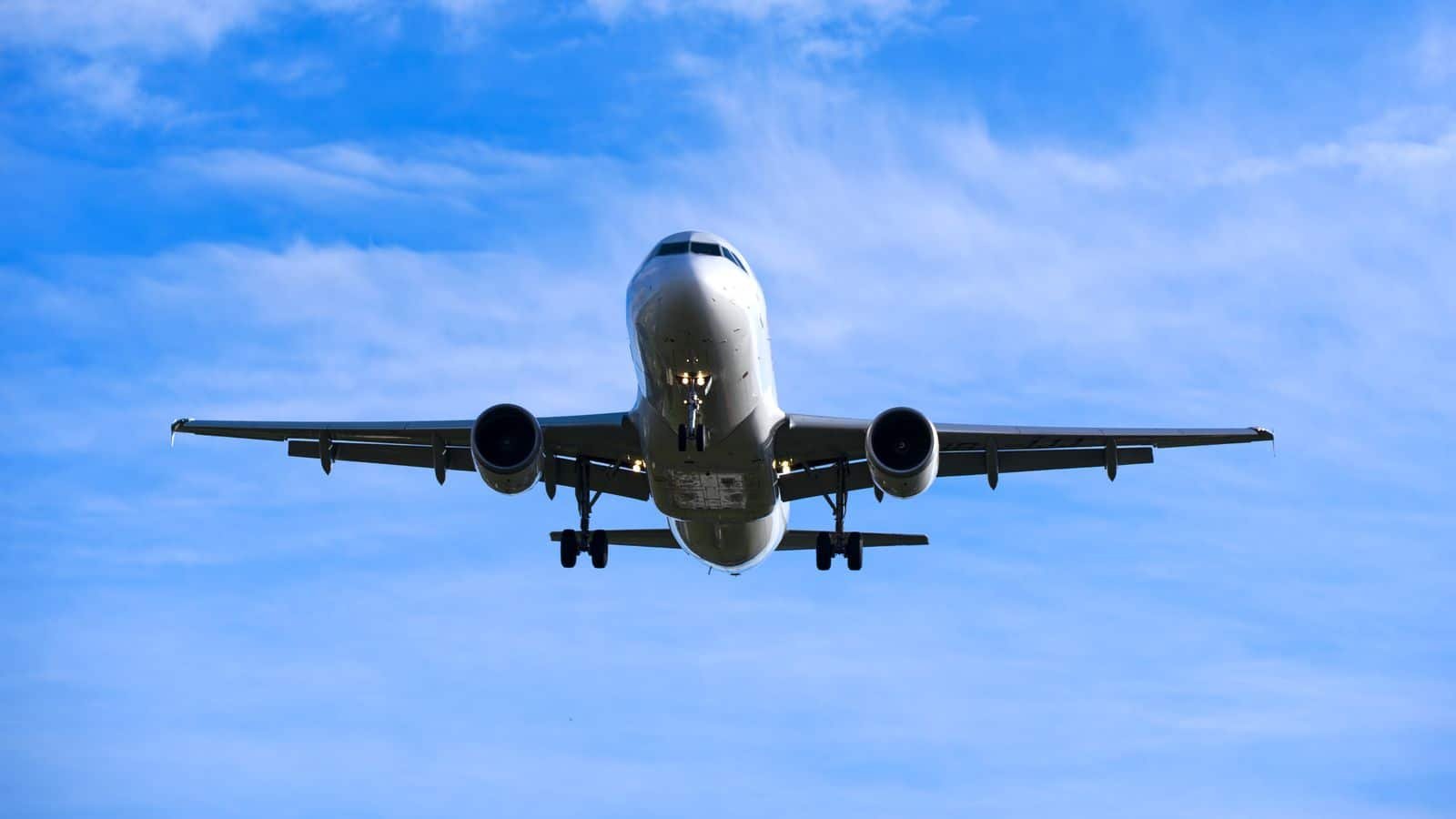
Airlines worldwide are scrambling after the airbus a320 recall triggered one of the largest aviation safety actions in years. Airbus ordered an urgent software rollback on more than 6,000 A320-family aircraft after investigators discovered that intense solar radiation could corrupt flight-control data. This revelation emerged during the busiest travel period of the year in the United States, amplifying the disruption across global networks and placing airlines under extreme pressure to maintain schedules.
I felt the industry shock ripple through pilots, engineers, and operations teams within minutes of the alert. The A320 family carries millions of passengers each week. Any issue involving this fleet sends immediate waves across airports, timetables, and airline operations. The recall hit fast, and every aviation team I spoke with echoed the same sentiment: “This came at the worst possible moment.”
JetBlue Incident Sparks Urgent Action
The recall traces back to a serious JetBlue incident on 30 October. Flight 1230 left Cancun for Newark before the aircraft experienced a sudden control issue. The jet dropped altitude without command and diverted to Tampa for an emergency landing. Several passengers went to hospital. Engineers soon identified corrupted flight-control data, which investigators linked to solar-radiation interference.
The discovery produced alarm throughout the industry because the A320 fleet relies heavily on its stability systems. Engineers told me the fault struck an area of the system that cannot tolerate compromised data. When critical data falters, the entire chain of flight-control logic enters risk territory. Airbus acted quickly, and regulators prepared immediate directives.
For a complete practical guide to life in the Emirates, explore our full Living in the UAE hub.
Airbus Orders Massive Software Rollback
Airbus instructed airlines to revert to a previous, stable version of the flight-control software. Two-thirds of the affected aircraft will undergo this procedure. Engineers say the fix takes several hours for each jet. It is simple in theory, but the sheer volume of jets creates a heavy operational load. Airlines must ground aircraft, reschedule crews, shift rotations, and cancel or delay flights.
The remaining aircraft present a bigger challenge. Hundreds require hardware changes. These jets will spend days or weeks in maintenance hangars, depending on parts availability and engineering capacity. A senior operations manager from Europe told me that hardware-affected aircraft “create the biggest bottleneck because slots are limited, and parts must move fast.”

Airlines Brace for Turbulent Weekend
The timing could not be worse. The recall dropped just before the United States’ heaviest annual travel weekend. Airports are already stretched, and airlines must manage sudden capacity drops. Several carriers have issued public warnings:
- Wizz Air confirmed multiple aircraft need immediate maintenance. The airline expects delays through the weekend.
- Air India told passengers to expect longer turnaround times and potential schedule disruption.
- Other airlines in Europe, Asia, and the Middle East are adjusting their weekend rosters and preparing for delays.
Some UAE-based aviation planners told me they expect ripple effects across regional routes. Airlines that use A320s for Gulf and South Asian networks will need strong contingency plans. Even a few grounded jets can destabilise tight regional schedules.
Why the A320 Recall Hits So Hard
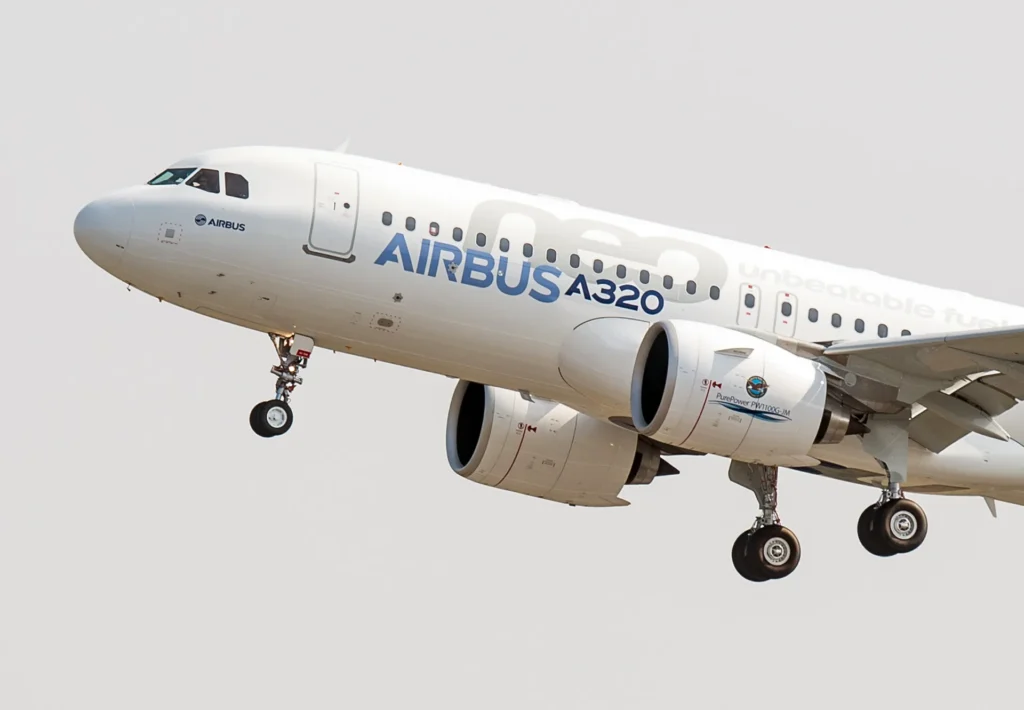
The A320 family dominates global aviation. More than 11,300 aircraft operate worldwide, and 6,440 belong to the core A320 model. These jets fly high-frequency routes in every major region. Low-cost carriers rely on them. National airlines depend on them for medium-haul coverage. When A320-family aircraft leave service, the network feels the impact immediately.
Airports see increased pressure on available stands. Crews face roster changes. Airlines use backup aircraft that may not match the original configuration. Passengers wait longer. Missed connections rise. The aviation system struggles when even small portions of the fleet pause.
A senior pilot described it clearly: “A320s keep the world moving. When they stop, everything slows.”
The Next Phase: Fixes, Delays, and Monitoring
Software rollbacks will progress first. Airlines want to return aircraft to service quickly, and engineering teams work round the clock to clear the backlog. The jets that need hardware changes will create a longer-term challenge. These aircraft must follow strict procedures, and regulators must approve every step.
Aviation analysts expect several weeks of disruption. Airlines with large A320 fleets may feel the strain longer. Many analysts also believe some airlines will struggle more than others based on maintenance infrastructure and fleet age.
Regulators will monitor all updates closely. The European Union Aviation Safety Agency is preparing an emergency directive to ensure global compliance. Other regulators, including those in the UAE, will issue their own notices.
How Passengers Will Feel the Impact
Travellers can expect two types of disruption:
- Short delays driven by scheduling changes and software rollbacks.
- Longer cancellations where aircraft require hardware modifications.
Most airlines encourage passengers to check their flight status often. Some carriers are offering flexible rebooking options. Travel agents across the GCC tell me they have seen a rise in customer inquiries since the recall went public.
Is Flying Still Safe?
Yes. Aviation works on rapid response and strict control. The airbus a320 recall proves the system functions exactly as intended. A fault emerges. Engineers trace the cause. Regulators mandate fixes. Airlines act fast. Safety remains the absolute priority.
The recall strengthens long-term confidence because it shows transparent action and strong oversight. A veteran engineer I spoke with said, “Aviation survives because we move fast when something looks wrong.”
Industry Reactions Behind the Scenes
Inside airline operations rooms, the atmosphere feels intense but controlled. Dispatchers revisit aircraft allocation tables. Pilots receive continuous technical updates. Engineers prepare parts inventories. Managers run cost simulations and delay forecasts.
Yet, despite the pressure, the tone remains focused. Aviation teams know how to handle disruptions. They understand the stakes, and they carry deep technical experience. Their coordination prevents issues from escalating.
A UAE operations director said something that stayed with me: “Aviation is resilient because people in this industry don’t panic. They act.”
What Comes Next for Travellers and Airlines
The coming days will reveal how much pressure the recall adds to global networks. Airlines must complete updates quickly. Regulators will track compliance. Maintenance teams will manage the hardware backlog. Passengers should expect rolling adjustments until all affected aircraft return to service.
The aviation industry moves fast during crises. The next updates will come as airlines stabilise their schedules and Airbus completes its investigation.


