The Airbus A320 recall covered here began on 28 November 2025—not in October 2026. By 1 December 2025, Airbus said most of roughly 6,000 potentially affected aircraft had received modifications, with fewer than 100 still requiring work. EASA subsequently replaced its emergency directive with a July 2026 directive that retains and clarifies the requirements.
My advice to a UAE passenger is straightforward: check your actual flight, not an old crisis headline. I would not cancel a booking because a 2025 disruption story still appears in search. Equally, I would not turn an airline’s restored timetable into a blanket declaration that every technical or investigative question is closed.
The timeline that matters
| Date | What the source records |
|---|---|
| 30 October 2025 | JetBlue Flight 1230 experienced a pitch excursion and diverted to Tampa; the NTSB formally opened its investigation on 31 October. |
| 28 November 2025 | Airbus announced precautionary action; EASA issued emergency AD 2025-0268-E. |
| 29 November 2025, 23:59 UTC | The emergency EASA directive became effective. |
| 1 December 2025 | Airbus reported most potentially affected aircraft modified, fewer than 100 remaining. |
| 22 July 2026 | Replacement EASA AD 2026-0134 became effective, retaining requirements and clarifying the computer/configuration and manual provisions. |
The original Airbus announcement, its 1 December progress statement, the superseded emergency directive and the replacement EASA record answer different questions. Read them with their dates attached. A progress statement from one weekend cannot establish today’s flight status.
What triggered the precautionary action?
Airbus said analysis of an A320-family event showed that intense solar radiation could corrupt data critical to flight controls. It requested immediate precautions through software and/or hardware protection. That is the manufacturer’s stated concern—not a reason to invent an independently confirmed final cause.
The NTSB preliminary report ENG26LA004 records JetBlue 1230, an A320-232 operating Cancun–Newark, losing approximately 100 feet while cruising at 35,000 feet before diverting to Tampa. It records 22 minor injuries: 18 passengers and four flight attendants. Its technical account identifies ELAC software design as a possible contributing factor and expressly says the information is preliminary.
I would stick to those findings rather than recycle dramatic descriptions of an uncontrolled plunge or declare the investigation solved. A serious event deserves precise reporting, not extra theatre.

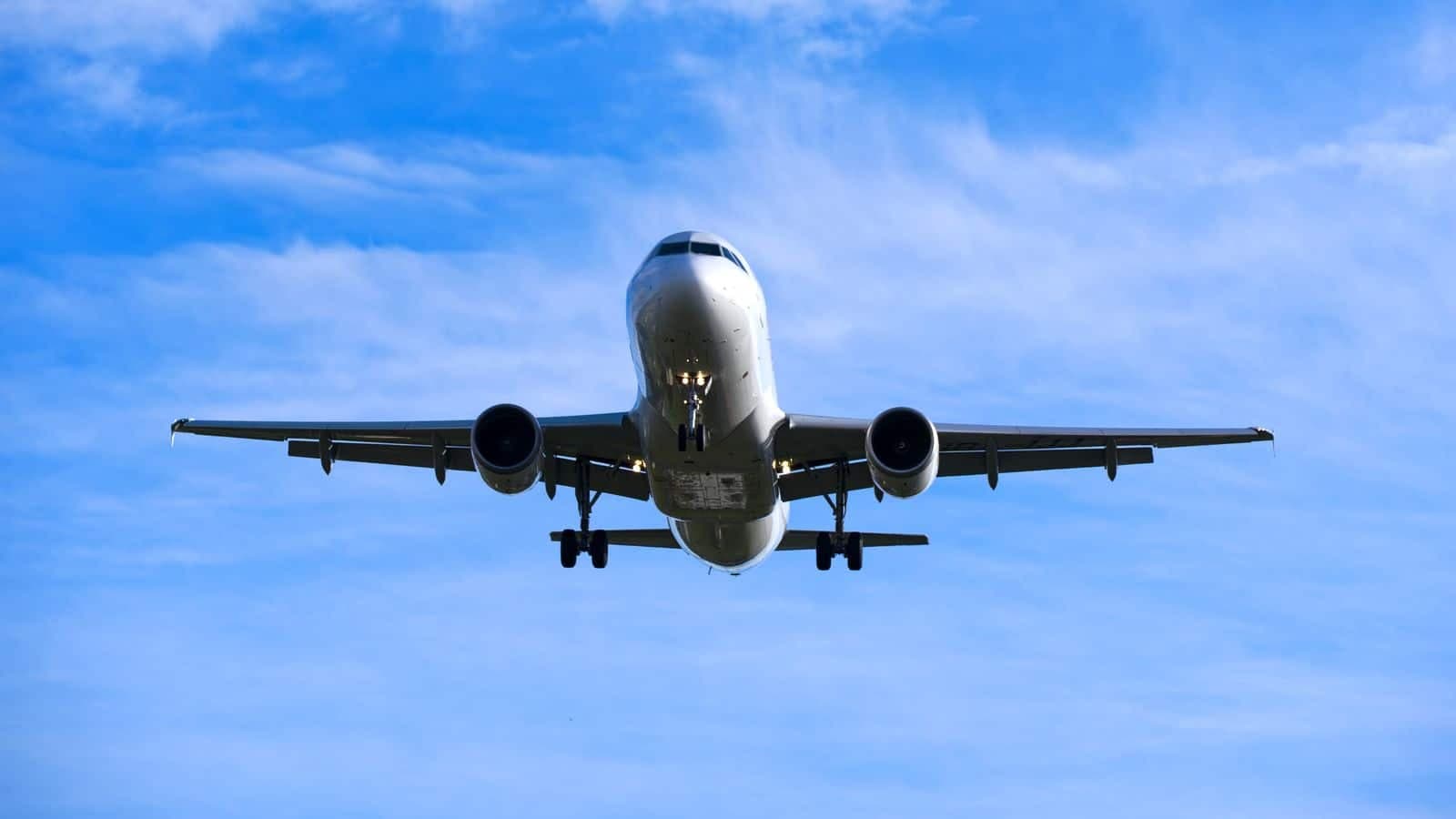
This retained Emirates aircraft image is general aviation context. It is not a photograph identifying an affected A320 or proof that the pictured aircraft was involved in this action.
Why “all A320s need the same fix” is wrong
The emergency directive distinguished aircraft with an affected ELAC and configuration from aircraft outside that group. For affected aircraft it required replacement or modification before the next flight after its effective time, with a limited no-passenger positioning-flight exception. It was not simply a uniform appointment for every aircraft carrying an A320-family label.
The earlier version of this article gave unsourced fractions for software-only fixes and broad predictions about weeks in hangars. Those figures are not retained as verified fleet facts. The applicable equipment and approved instructions matter; a passenger article cannot inspect an individual aircraft’s maintenance compliance.
The July 2026 follow-up is a real update—not a new mass-grounding claim
EASA AD 2026-0134, issued 8 July and effective 22 July 2026, supersedes the November emergency directive. It retains the requirements, refines the affected/serviceable computer definitions and clarifies related flight-manual and parts-installation provisions. The regulator’s record is the right place to check the current revision.
That changes how I would summarise the story: the acute 2025 disruption largely subsided, but continuing requirements did not disappear with the headlines. “Superseded” means another directive replaced the old one—not that the safety concern was imaginary or that the original requirements were simply withdrawn.
What happened to UAE operations?
Aletihad reported Etihad’s statement on 29 November 2025 that normal scheduled operations had resumed after the required update, with minimal disruption. Gulf News reported Air Arabia’s 30 November statement that updates across its affected aircraft were complete and its schedule was being restored.
Those are dated airline statements reported by the named outlets, not a fresh audit by this magazine. They support correcting the older “airlines are scrambling” framing. They do not promise that every subsequent flight operates normally, that every delay shares this cause or that an investigation has concluded.
What I would do before travelling
- Check the operating airline. Use the flight number and local departure date, especially for a codeshare. The company whose aircraft operates the sector is the useful starting point.
- Read the actual notification. Keep the airline’s message, booking reference and revised itinerary together. A search snippet is not a cancellation notice.
- Check the whole journey. If a changed arrival threatens a connection, ask about both sectors and whether the onward journey sits on the same booking.
- Ask before buying a replacement. Get the options for your booking, including any extra cost and what happens if you accept a proposed change.
- Keep evidence of necessary spending. Retain receipts and correspondence; they document what happened but do not guarantee reimbursement.
The official Etihad flight-status page and Air Arabia flight-status tool are current starting points. Recheck close to departure. I would not rely on a screenshot saved days earlier or assume a technical-advisory headline identifies the cause of a particular delay.
A useful message to send the airline
Please confirm the current status of flight [number] on [departure date] under booking [reference], including any revised connection. If it is disrupted, please confirm the reason recorded for my booking, the rebooking or refund options available, any additional payment, and which expenses require prior approval. Please provide the response in writing.
Keep booking details private when contacting official support. Refunds, assistance and insurance depend on the booking, route, policy and applicable rules; this article is not a determination of anyone’s entitlement. Our Living in the UAE hub provides broader resident guidance, not an airline disruption desk.
The reporting from the original November 2025 article
The original author described the alert’s impact on aviation teams and reported conversations with engineers, UAE planners, travel agents and operations staff. The following attributed comments are preserved from that report. They describe the reaction at the time; they are not new interviews, technical proof of causation or evidence of today’s disruption. Source records are awaiting editorial confirmation.
Aviation teams, quoted in the original report: “This came at the worst possible moment.”
A European senior operations manager, quoted in the original report: “create the biggest bottleneck because slots are limited, and parts must move fast.”
A senior pilot, quoted in the original report: “A320s keep the world moving. When they stop, everything slows.”
A veteran engineer, quoted in the original report: “Aviation survives because we move fast when something looks wrong.”
A UAE operations director, quoted in the original report: “Aviation is resilient because people in this industry don’t panic. They act.”
In particular, the operations manager’s bottleneck comment was a contemporary concern, not a verified prediction that today’s fleet still faces that backlog. I would keep that distinction visible rather than let a memorable quotation overrule a later manufacturer update.
Questions answered
Was the Airbus A320 recall a new October 2026 event?
No. The emergency fleet action covered here began on 28 November 2025. EASA later superseded its emergency directive with AD 2026-0134, effective 22 July 2026. That follow-up is not evidence of a new fleet-wide grounding today.
Did every A320-family aircraft need the same work?
No. The emergency directive distinguished affected computer/configuration groups. The exact aircraft, installed equipment and applicable approved instructions determine compliance, not the model name alone.
Does a normal flight schedule mean the investigation is finished?
No. Airline operational recovery, compliance with aircraft requirements and an accident investigation are separate matters. The retrieved NTSB report is explicitly preliminary.
Where should UAE passengers check a flight now?
Use the operating airline’s current flight-status and booking channels with the exact flight number and departure date. An old recall headline is not a live cancellation notice or a decision about refund eligibility.
My verdict: accurate dates beat alarm
I want the flight-specific answer, not more ominous adjectives. This was a substantial 2025 safety action with a documented operational response and a later regulatory follow-up. It should neither be presented as a new 2026 global travel emergency nor used to offer unconditional safety reassurance about a particular aircraft.
For a passenger, the decisive information is the current operating-airline notice and the options attached to the actual booking. For understanding the history, the dated Airbus, EASA and NTSB records are the foundation. Mixing those two jobs is exactly how an old article becomes misleading.
Sources, corrections and review scope
Updated 19 October 2026 against the linked manufacturer releases, regulator records, NTSB preliminary PDF, dated UAE airline statements and current flight-status routes. The July directive’s relevant PDF pages were read and rendered for inspection. Corrected the misleading 2026 crisis framing, malformed opening paragraph and unsupported maintenance predictions. Two body images and the hero were viewed and retained; the Emirates image is explicitly contextual. No individual maintenance inspection, final-cause determination, flight-status query for a named passenger, new interview or professional aviation-safety assessment is claimed. Author, original publication date and chosen indexing/canonical settings are unchanged.