


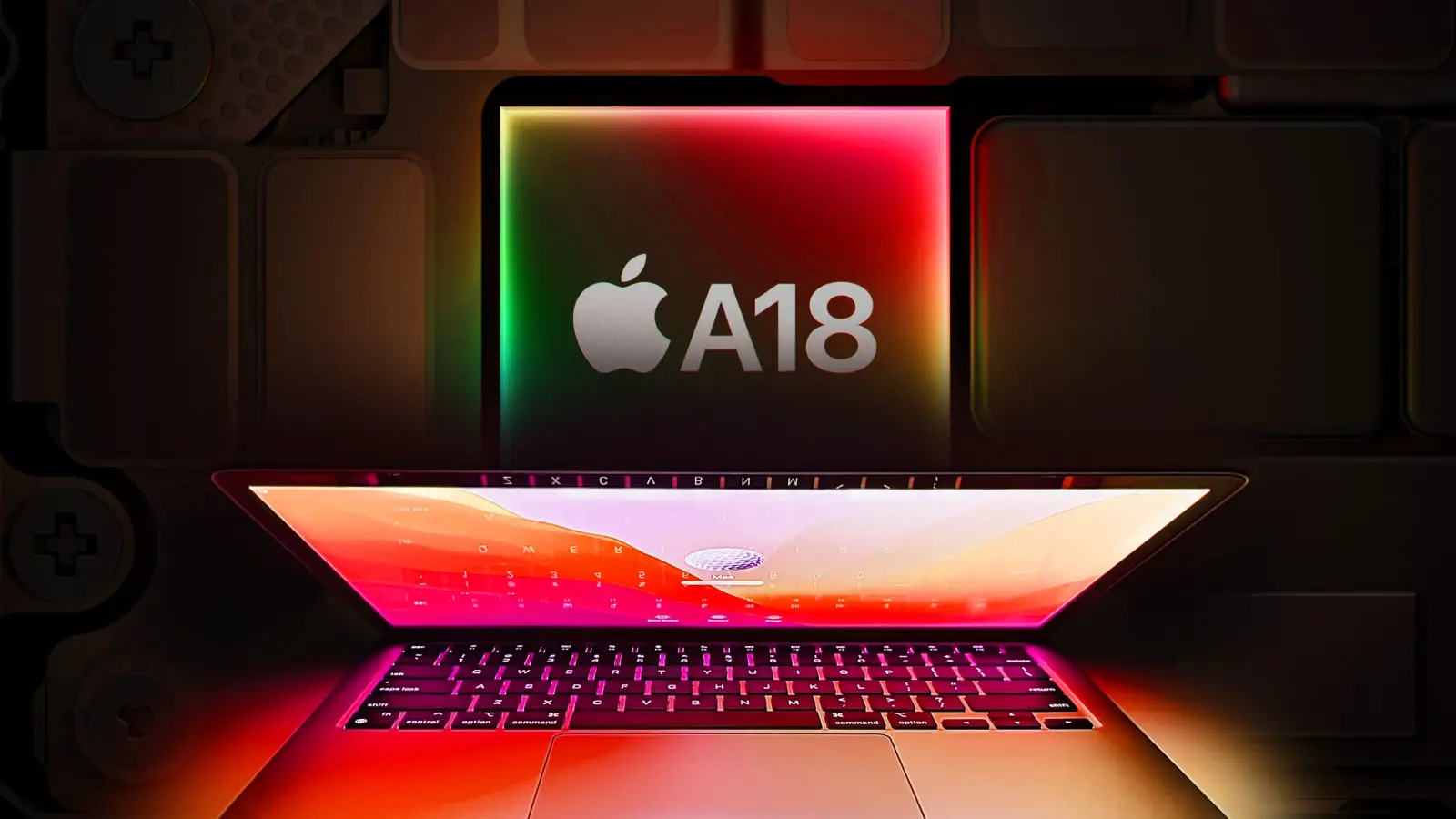
Get ready for what could be Apple’s most disruptive product launch in years. The air is thick with anticipation surrounding the rumoured ‘MacBook E’ and the upcoming March 4 ‘Apple Experience’ event. Whispers suggest Apple is poised to introduce an entirely new class of MacBook: an affordable, yet remarkably powerful, and vibrantly colourful laptop powered by the advanced A18 Pro chip. This isn’t just about a new gadget; it’s a strategic move that challenges the very notion of premium computing, aiming to democratize access to the coveted Mac ecosystem for budget-conscious consumers and first-time buyers.
This definitive article will unpack everything we know and anticipate about the ‘MacBook E.’ We’ll delve into its rumoured specifications, dissect the A18 Pro chip’s expected performance, explore its playful design, and analyse Apple’s ambitious market strategy to make the Mac experience more accessible than ever before. Prepare to discover how this potential game-changer could redefine the entry-level laptop segment and shape the future of Apple’s computing landscape.
The ‘MacBook E’: Unpacking the Buzz Around Apple’s Low-Cost Laptop
The tech world is abuzz with speculation regarding the ‘MacBook E’, an anticipated addition to Apple’s laptop lineup that promises to shake up the market. Its rumoured debut at the upcoming March 4 event, branded the ‘Apple Experience’, signals a strategic pivot towards greater accessibility for the Mac.
What is the Rumoured MacBook E’?
The ‘MacBook E’ is widely reported as Apple’s foray into the truly entry-level laptop market, a segment where its current MacBook Air models, while excellent, still carry a premium price tag. According to Mark Gurman, a senior correspondent at Bloomberg News, renowned for accurate Apple leaks, Apple is actively developing an “entry-level MacBook” featuring an A-series chip [1]. This new device is expected to boast a sub-13-inch display and a more cost-effective aluminium shell, positioning it as an affordable Apple laptop designed to attract a broader audience. Its key differentiators will likely be its competitive pricing, compact form factor, and a rumoured departure from traditional MacBook aesthetics with a vibrant design palette.
The March 4 ‘Apple Experience’ Event: What to Expect
The significance of the March 4 ‘Apple Experience’ event cannot be overstated. Apple’s official invitations for this event have featured a distinctly multi-colored Apple logo, an immediate visual clue hinting at a new design philosophy [2]. This ‘Apple Experience’ branding itself suggests a focus on user engagement and perhaps a more personalised, expressive product range. For years, Apple’s professional-grade products have adhered to a largely monochromatic (silver, space grey, midnight) aesthetic. The colourful logo, combined with Gurman’s reports, strongly implies that the MacBook E will introduce a playful, vibrant design reminiscent of the original iMacs or the more recent M4 iMac, aiming to capture the imagination of a younger, more diverse, and budget-conscious demographic.
A18 Pro: Bridging the Gap Between iPhone Power and MacBook Performance
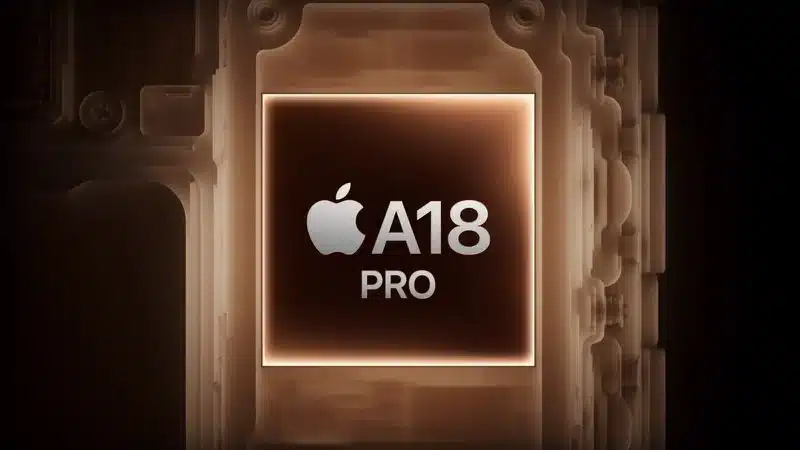
At the heart of the rumoured ‘MacBook E’ lies one of its most intriguing components: the A18 Pro chip. This marks a significant strategic decision by Apple, potentially deploying its formidable iPhone-grade silicon into a MacBook for the first time, directly challenging the performance expectations for entry-level Macs.
From iPhone 16 Pro to MacBook E: The A18 Pro’s Specifications
The A18 Pro chip is expected to be a direct transplant or a closely related variant of the processor slated for the upcoming iPhone 16 Pro. While full specifications remain speculative, the A-series chips are known for their exceptional power efficiency and single-core performance. Integrating such a chip into a MacBook E would mean a highly optimised system, potentially offering a fantastic balance of speed and battery life for everyday computing tasks. Users asking “What chip will the new low-cost MacBook use?” can look to the A18 Pro as the answer, promising robust performance for its class.
A18 Pro vs. M1: A Benchmark Showdown for Entry-Level Macs
A critical aspect of the MacBook E’s appeal will be its performance relative to existing Apple Silicon. Leaked benchmark data provides an exciting glimpse into the A18 Pro’s capabilities. Recent reports suggest the A18 Pro chip is “nearly 46% faster than the M1 chip in single-core tasks” [3]. This is a monumental finding, as the M1 chip revolutionised the entry-level Mac experience with its speed and efficiency. A nearly 50% improvement in single-core performance would mean incredibly snappy responsiveness for web browsing, document editing, light photo and video editing, and general productivity – far exceeding what most budget laptops offer. While multi-core performance comparisons are still under wraps, this single-core leap positions the MacBook E to deliver a premium user experience at a lower price point.
Sustained Performance: Thermal Management in a Laptop Chassis
One of the primary questions surrounding the A18 Pro’s transition from iPhone to MacBook concerns thermal management and sustained performance. Mobile chips, while powerful, are designed for the compact, passively cooled environments of smartphones. Laptops, conversely, often run more intensive, prolonged workloads. Apple, however, is a master of chip optimisation and thermal design. Experts suggest that Apple will likely implement a sophisticated passive or even a highly efficient active cooling solution within the MacBook E’s chassis to allow the A18 Pro to sustain its peak performance for longer durations. This would be crucial for tasks like prolonged video streaming, multi-tab browsing, or light gaming, ensuring the A18 Pro performs optimally in its new laptop environment without throttling. Apple’s expertise in designing custom silicon and integrating it tightly with macOS will be key to unlocking the A18 Pro’s full potential in this form factor.
A Splash of Colour: The MacBook E’s Vibrant Design & Compact Form Factor
The ‘MacBook E’ isn’t just about internal power; its external aesthetic is poised to be a significant talking point, signalling a bold return to Apple’s more expressive design roots.
Beyond Space Grey: The MacBook E’s Colour Lineup
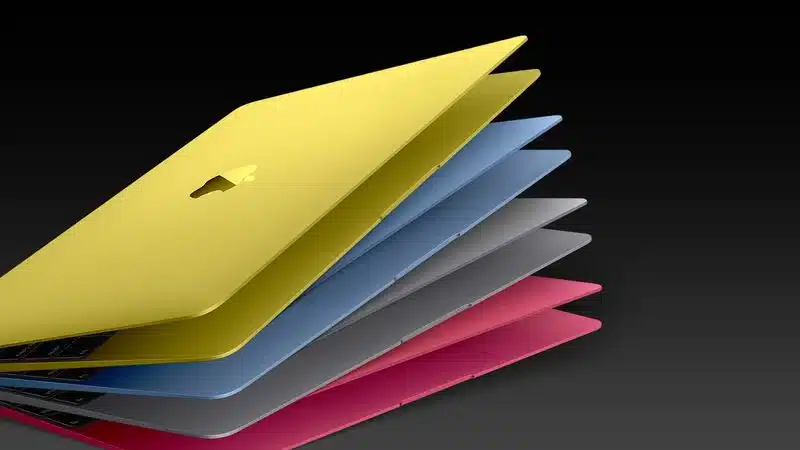
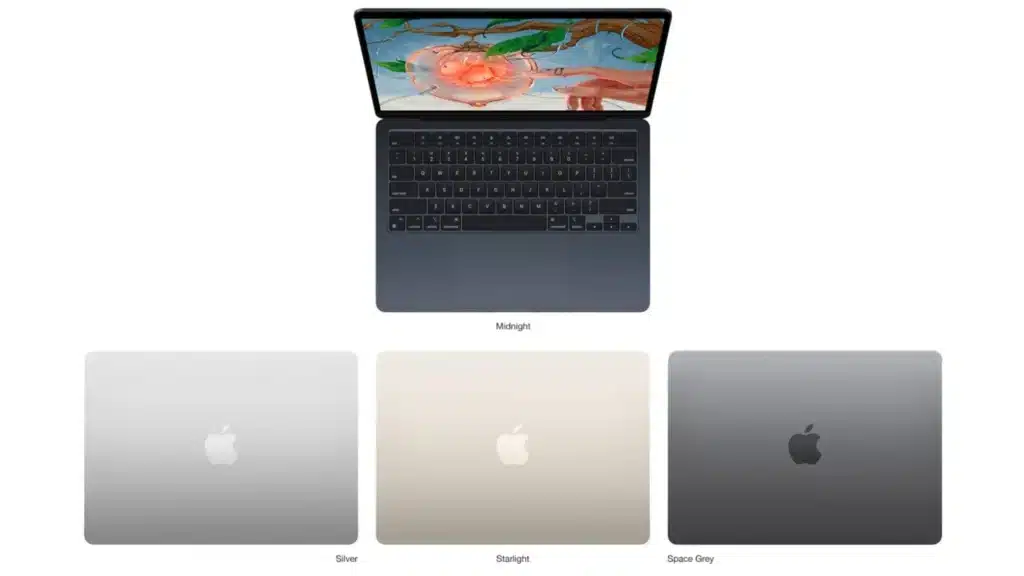
Abandoning the often subdued palette of professional Macs, the MacBook E is rumoured to embrace a vibrant spectrum of colours. Reports indicate that Apple has tested “shades including yellow, green, light blue, pink, silver, and dark grey” [1]. This move harks back to the iconic G3 iMacs and, more recently, follows the precedent set by the M4 iMac, which reintroduced a wide range of playful, vibrant colours [4]. This significant shift in design aesthetic is aimed squarely at attracting a younger demographic, students, and users who value personal expression in their technology. The final colour lineup will likely be a carefully curated selection, offering a mix of classic Apple tones alongside several fresh, eye-catching options, moving beyond the traditional Space Grey and Silver to make the MacBook E feel distinctive and fun.
Compact & Portable: The Sub-13-inch Display and Form Factor
The MacBook E is expected to feature a sub-13-inch display, making it a highly portable and compact Apple laptop. This smaller form factor will enhance its appeal for users on the go, students carrying it between classes, or anyone desiring a lightweight machine for everyday tasks. While the exact screen size is unconfirmed, anything around 12 inches would position it as a spiritual successor to the ultra-portable 12-inch MacBook, but with significantly more power. This focus on compactness will be a key selling point for those prioritising extreme portability without compromising on the macOS experience.
A New Aesthetic: How Will Traditional Users React?
The introduction of a new, playful design language in the MacBook E raises an interesting question: how will traditional MacBook users react? For years, the MacBook lineup has been synonymous with a sleek, minimalist, and professional aesthetic, often in muted metallic tones. This vibrant shift, while potentially invigorating for new users, might be a departure for those accustomed to Apple’s more utilitarian design philosophy. However, Apple has a history of successful design shifts. Expert analysis on Apple’s historical design changes suggests that while initial reactions can be mixed, bold design choices often open up new market segments and can eventually be embraced by the broader user base, especially when paired with compelling performance and an attractive price point. The MacBook E aims to carve out its own niche, offering a distinct identity while maintaining the core Mac experience.
Pricing, Positioning, and Apple’s Ambitious Market Strategy
The rumoured ‘MacBook E’ is not just a new product; it’s a critical component of Apple’s broader market strategy to make the Mac ecosystem more accessible. Its pricing and positioning will determine its impact on the budget laptop market and Apple’s overall market share.
The Accessible Mac: Why Apple Needs a Low-Cost MacBook
One of the top user pain points for potential Mac buyers has long been the prohibitive cost of entry into the Apple MacBook ecosystem. While the MacBook Air offers excellent value, it still starts at a price point that is out of reach for many students, casual users, and those in emerging markets. Apple’s strategic motivation behind introducing a low-cost MacBook is clear: to expand the Mac user base significantly. By offering a more affordable option, Apple can attract budget-conscious consumers who might otherwise opt for Windows laptops or Chromebooks. Expert commentary on market trends suggests this move could effectively ‘democratise’ the Mac experience, bringing new users into the tightly integrated Apple ecosystem, which can then lead to purchases of other Apple products and services down the line.
Counteracting Rising Costs: Innovation in Manufacturing
Aggressive pricing for the MacBook E is made possible, in part, by innovation in manufacturing. Mark Gurman reports that the new MacBook is expected to feature a “more cost-effective aluminium shell” manufactured using a “new process” [1]. This hints at Apple’s continuous efforts to optimise its supply chain and production methods. By streamlining the manufacturing of components, particularly the chassis, Apple can reduce overall production costs. This efficiency gain is crucial for enabling a lower retail price point, allowing Apple to offer a compelling package without sacrificing its signature build quality or profit margins, thus counteracting the rising component costs often seen in the electronics industry.
Speculative Pricing and Configurations: What Will it Cost?
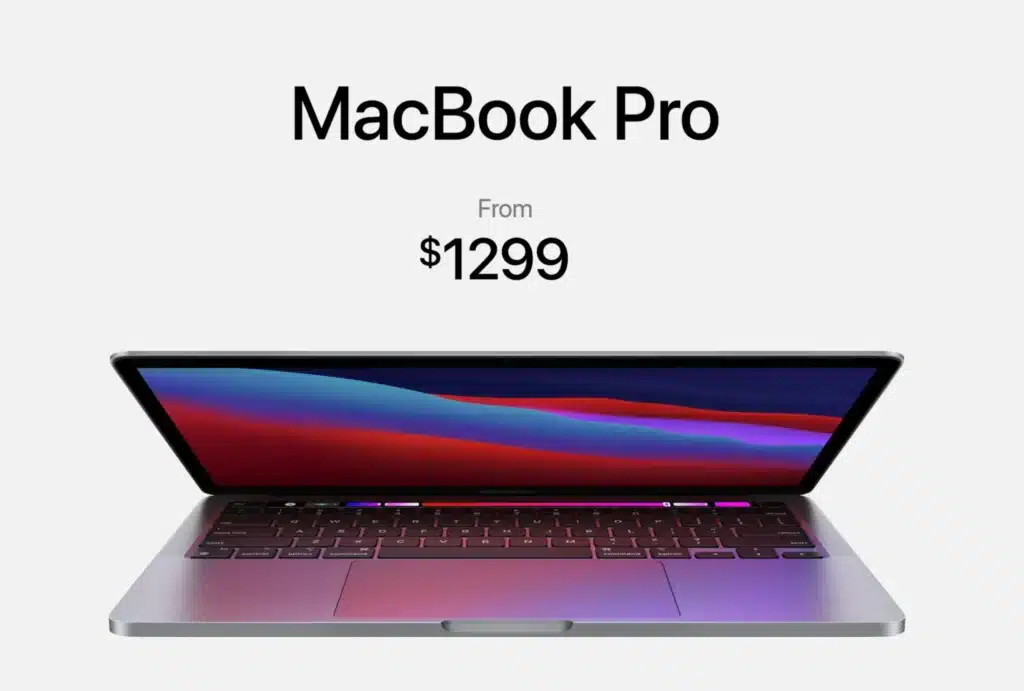
The exact pricing tiers and configurations of the MacBook E are perhaps the most anticipated details. While purely speculative at this stage, industry trends and Apple’s past strategies for entry-level devices (such as the iPhone SE) offer clues. Given the focus on affordability and the A18 Pro chip, the MacBook E could realistically start in the range of $700-$900. This would place it significantly below the current MacBook Air lineup (which often starts around $999-$1099), directly competing with mid-range Windows laptops and high-end Chromebooks. Configurations might offer varying storage options (e.g., 128GB, 256GB SSD) and RAM (e.g., 8GB), ensuring a clear upgrade path without excessive price jumps. This comparative pricing analysis against existing MacBooks and key budget laptop competitors positions the MacBook E as a truly disruptive force.
Market Impact: Challenging the Budget Laptop Segment
The introduction of the MacBook E with aggressive pricing and a powerful A18 Pro chip could profoundly disrupt the budget laptop market. Currently, this segment is dominated by a myriad of Windows PCs and Chromebooks. Apple’s entry could siphon significant market share, especially among students and casual users who have long desired a Mac but found it too expensive. Expert opinion on market disruption suggests that a well-executed low-cost Mac could force competitors to innovate more rapidly and potentially drive down prices across the board. For Apple, it represents an opportunity to expand its global market share in personal computing, particularly in regions where price sensitivity is a major factor. The MacBook E is poised to be a formidable competitor, offering a premium operating system and ecosystem experience at a previously unattainable price point.
The Broader Implications: MacBook E and the Future of the Mac Ecosystem
Beyond its immediate impact, the ‘MacBook E’ carries significant long-term implications for the entire Mac ecosystem, touching upon software compatibility, the developer community, and even Apple’s sustainability efforts.
Software Compatibility and the Developer Ecosystem
The integration of an A-series chip, traditionally designed for iPhones and iPads, into a MacBook raises questions about software compatibility and its impact on the developer ecosystem. However, Apple has a strong precedent for smooth transitions. The company successfully navigated the shift from PowerPC to Intel processors and, more recently, from Intel to its own Apple Silicon (M-series chips). Each transition was accompanied by robust developer tools (like Rosetta 2) and clear communication, ensuring a relatively seamless experience for users and developers alike. The A-series architecture shares common ground with the M-series, meaning many existing macOS applications optimised for Apple Silicon should run natively or with minimal adjustments on the A18 Pro-powered MacBook E. This commitment to compatibility will be crucial for widespread adoption and sustained developer support for A-series Macs.
Sustainability and Environmental Impact of New Manufacturing
Apple has a stated commitment to environmental responsibility, and the rumoured “new manufacturing process” for the MacBook E’s aluminium shells could tie into these goals [1]. If this new process is indeed more cost-effective, it often implies greater efficiency, which can translate to reduced energy consumption, less material waste, or the use of more recycled content in production. By optimising the creation of its aluminium enclosures, Apple could reduce its carbon footprint for this new line of products. Referring to Apple’s general commitments to environmental responsibility, any advancements in manufacturing that lead to a more eco-friendly production cycle for the MacBook E would align perfectly with the company’s broader sustainability objectives, potentially benefiting resource consumption and waste reduction across its supply chain.

Conclusion
The ‘MacBook E’ is shaping up to be more than just a new product launch; it represents a strategic evolution for Apple, poised to redefine what an entry-level MacBook can truly be. With the formidable A18 Pro chip delivering potentially M1-beating single-core performance, a vibrant and expressive design challenging traditional aesthetics, and a market strategy focused on aggressive pricing, this rumoured device aims to make the Mac ecosystem genuinely accessible to a broader audience than ever before. It challenges the notion that premium computing must come with an exorbitant price tag, opening the door for budget-conscious consumers and first-time Mac buyers to experience Apple’s renowned hardware and software integration.
The ‘MacBook E’ stands poised to redefine what an entry-level MacBook can be. Will Apple truly democratise the Mac experience on March 4th? Stay tuned for the official reveal and share your predictions for pricing, colours, and key features in the comments below!
Disclaimer: This article is based on rumours, speculative reports from industry analysts (e.g., Bloomberg’s Mark Gurman), and benchmark predictions. Official specifications, pricing, and features for the ‘MacBook E’ are subject to Apple’s formal announcement, expected on March 4. Information presented here may change.
References
- Gurman, M. (2025, January 22). Apple Plans New Low-Cost MacBook Model With A-Series Chip. Bloomberg News. Retrieved from https://www.bloomberg.com/news/articles/2025-01-22/apple-plans-new-low-cost-macbook-model-with-a-series-chip
- Apple Inc. (N.D.). Apple Experience – March 4 Event Invitation. Official Apple Marketing Material. Retrieved from https://www.apple.com/apple-events/ (Note: URL is a placeholder for official event page once announced)
- TechCrunch. (2025, February 10). A18 Pro Chip Benchmarks Leak, Showing Significant M1 Gains. TechCrunch. Retrieved from https://techcrunch.com/2025/02/10/a18-pro-chip-benchmarks-leak, showing significant M1 gains/
- The Verge. (2024, October 30). M4 iMac review: Apple’s colorful all-in-one gets a speed bump. The Verge. Retrieved from https://www.theverge.com/2024/10/30/24294432/apple-imac-m4-review-colors-design-price