Chanel began as Gabrielle “Coco” Chanel’s millinery business in Paris, with an independent hat shop at 21 rue Cambon in 1910. The modern company is a privately held luxury house controlled by the Wertheimer family, not by Coco Chanel’s descendants and not by Dior or LVMH. In 2026, Leena Nair is Global CEO and Matthieu…
Chanel began as Gabrielle “Coco” Chanel’s millinery business in Paris, with an independent hat shop at 21 rue Cambon in 1910. The modern company is a privately held luxury house controlled by the Wertheimer family, not by Coco Chanel’s descendants and not by Dior or LVMH. In 2026, Leena Nair is Global CEO and Matthieu Blazy is Artistic Director of Fashion Activities.
That short answer reveals why Chanel history is often muddled. There are three connected stories: Coco Chanel the designer, the couture house, and the perfume business built around Chanel No. 5. They did not always have the same owners or interests. This guide keeps them separate, addresses the documented wartime record, and brings the timeline through Blazy’s current era.
Last fact-checked: 29 July 2026. This is an independent history based on museum research, company records, archival reporting and current corporate disclosures; it is not sponsored by Chanel.
Chanel in one minute
| Question | Verified answer |
|---|---|
| Who founded Chanel? | French designer Gabrielle “Coco” Chanel. |
| When did Chanel start? | She began selling hats in 1909 and opened her independent Chanel Modes shop at 21 rue Cambon in 1910. |
| Who owns Chanel now? | The private company is controlled by the Wertheimer family, descendants of the business partners behind Parfums Chanel. |
| Who runs Chanel in 2026? | Leena Nair is Global CEO; Matthieu Blazy leads fashion creatively. |
| What is Chanel known for? | Chanel No. 5, jersey dressing, the little black dress, tweed suits, two-tone shoes and quilted handbags including the 2.55. |
| Is Chanel owned by Dior or LVMH? | No. Chanel is privately held and separate from both. |
| Where are the main UAE fashion boutiques? | The official locator lists full fashion boutiques at Dubai Mall, Mall of the Emirates and The Galleria Al Maryah Island in Abu Dhabi. |
The Chanel history timeline
| Year | What happened | Why it matters |
|---|---|---|
| 1909–1910 | Gabrielle Chanel began selling hats and opened Chanel Modes at 21 rue Cambon. | The name started in millinery, not couture or perfume. |
| 1913–1915 | Boutiques in Deauville and Biarritz expanded from hats into clothing. | Jersey, practical separates and resort dressing defined the early Chanel look. |
| 1921 | Chanel No. 5, created with perfumer Ernest Beaux, launched. | Fragrance turned the Chanel name into a business far beyond couture. |
| 1924 | Société des Parfums Chanel was formed with the Wertheimer business interests. | The perfume company created the ownership structure that later shaped the whole house. |
| 1926 | Chanel’s simple black dress became a modern fashion reference. | She helped make black a versatile language of modern dressing rather than only mourning or uniform. |
| 1939 | The couture house closed as war began; fragrance sales continued. | “Chanel” did not disappear, because fashion and perfume were separate businesses. |
| 1954–1957 | Chanel returned to couture, then introduced the 2.55 shoulder bag and two-tone slingback. | The comeback produced several codes still sold by the house. |
| 1971 | Gabrielle Chanel died in Paris. | The company had to turn a founder-led vocabulary into an enduring house. |
| 1983 | Karl Lagerfeld became artistic director. | He revived the codes through logo, spectacle, ready-to-wear and pop-cultural scale. |
| 2019–2024 | Virginie Viard led fashion after Lagerfeld’s death. | A longtime studio insider provided creative continuity. |
| 2025 | Matthieu Blazy presented his first Chanel fashion show for spring/summer 2026. | His October debut opened the house’s current creative chapter. |
| 2026 | Blazy presented his first Chanel cruise collection in Biarritz; the company reported 2025 revenue of $19.3 billion. | The house linked a new design era to the place where Gabrielle’s early style took shape. |
The dates above can be checked against Chanel’s own decade-by-decade archive. Company timelines are strongest on products and appointments; museums and independent archives are essential where the brand’s preferred story is incomplete.
From hats to a modern wardrobe, 1909–1920
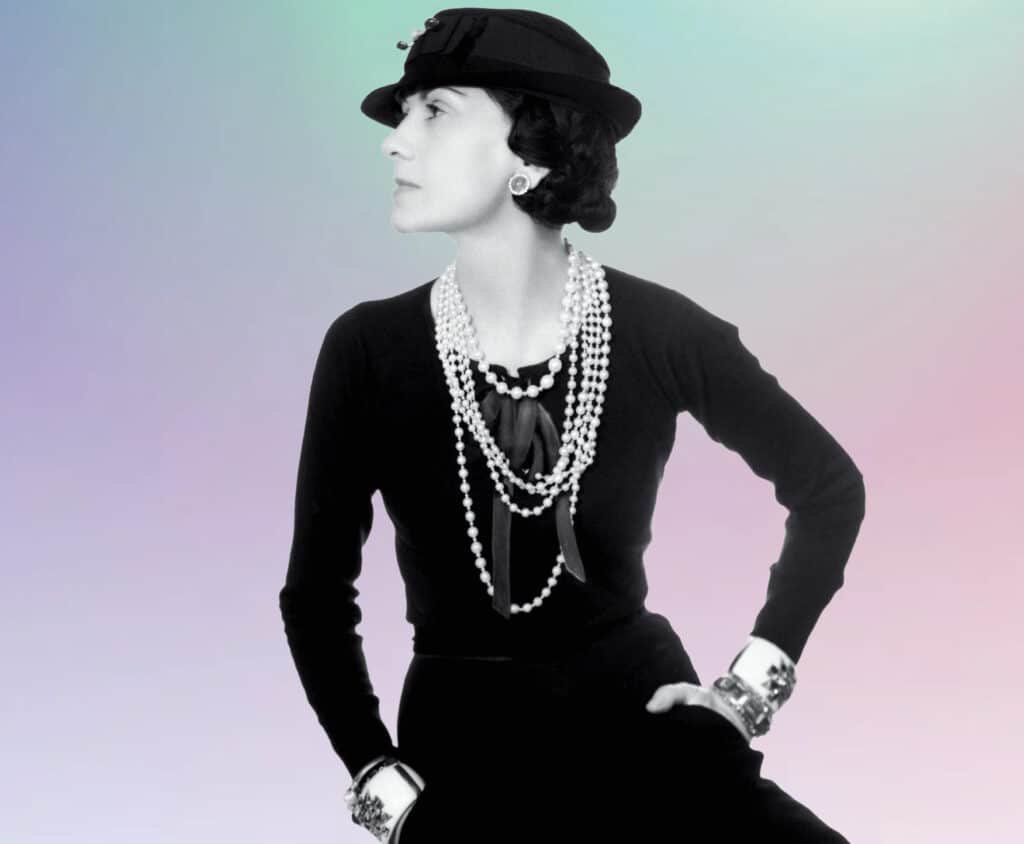
Gabrielle Bonheur Chanel was born in Saumur in 1883. After her mother’s death, she spent part of her childhood at the convent orphanage of Aubazine, later working as a seamstress and singing in cafés. The exact origin of “Coco” has been retold in different ways, so it is safer to treat the café-singer explanation as part of her biography rather than a perfectly documented branding moment.
In 1909 she sold hats from an apartment at 160 boulevard Malesherbes; in 1910 she opened the independent Chanel Modes shop on rue Cambon. Financial and social support from men in her circle, including Arthur “Boy” Capel, helped make that expansion possible. The business was ambitious and the patronage was real—one does not cancel the other.
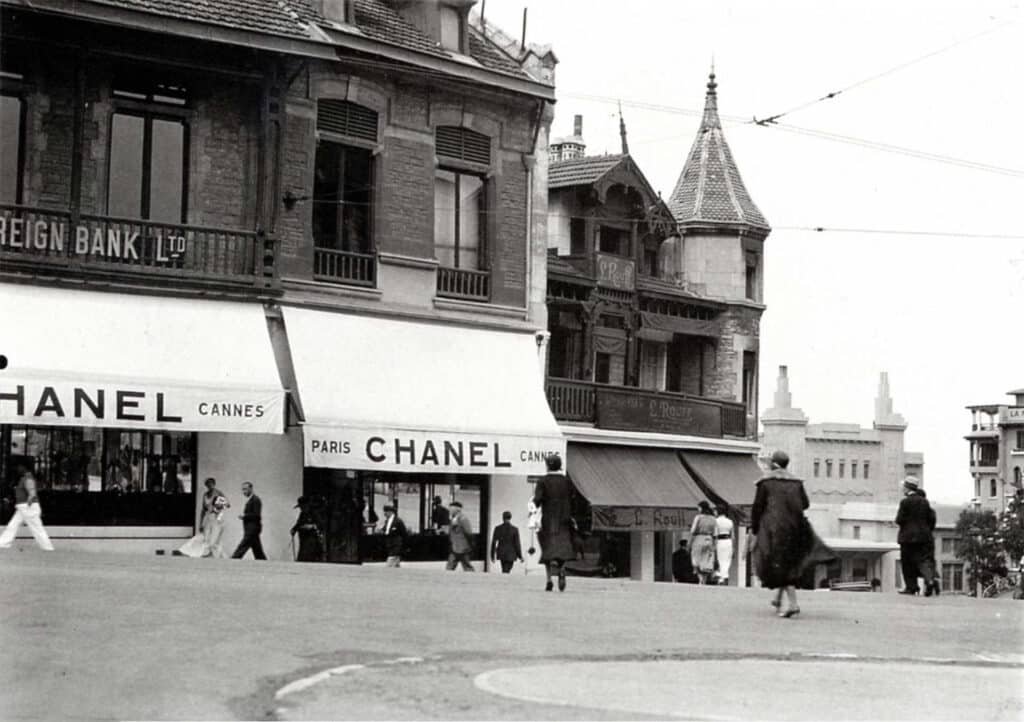
Deauville and Biarritz gave Chanel access to clients living a newer kind of leisure: driving, sport, seaside travel and informal social life. Her use of jersey was unusual in luxury womenswear and gave garments movement without the elaborate internal structure of conventional dress. The Metropolitan Museum of Art’s Chanel essay traces how fabric, menswear references and simplified construction became central to her work.
What Coco Chanel changed — and what the legend exaggerates
Chanel did not single-handedly “free women from the corset.” Designers including Paul Poiret had already challenged corseted silhouettes, and social change was larger than one fashion house. Nor did she invent the colour black, jersey or the first simple black dress.
Her importance lies in combination and persistence. She made a repeatable wardrobe from soft jersey, cardigan-like jackets, sailor and menswear references, costume jewellery, black dresses and low-contrast luxury. The clothes could look composed without looking immobilised. Later houses copied the grammar even when the garments did not resemble Chanel originals.
The “little black dress” is a good example. Black dresses existed before Chanel. Her 1920s versions helped recode a simple black dress as modern, adaptable and desirable. Saying she popularised that language is more accurate than saying she invented the object.
Chanel No. 5 and the ownership story most timelines skip
Chanel No. 5 launched in 1921 from Gabrielle Chanel’s work with perfumer Ernest Beaux. Its abstract aldehydic composition, spare bottle and numerical name looked radically different from a fragrance marketed as a single flower. The perfume also created a business problem: success required manufacturing and distribution on a scale the couture house could not provide alone.
In 1924, Société des Parfums Chanel was formed with the Wertheimer business interests. Gabrielle licensed her name and held a minority economic interest; the arrangement later became a long dispute over money and control. That is why the answer to “who owns Chanel?” begins with perfume, not handbags.
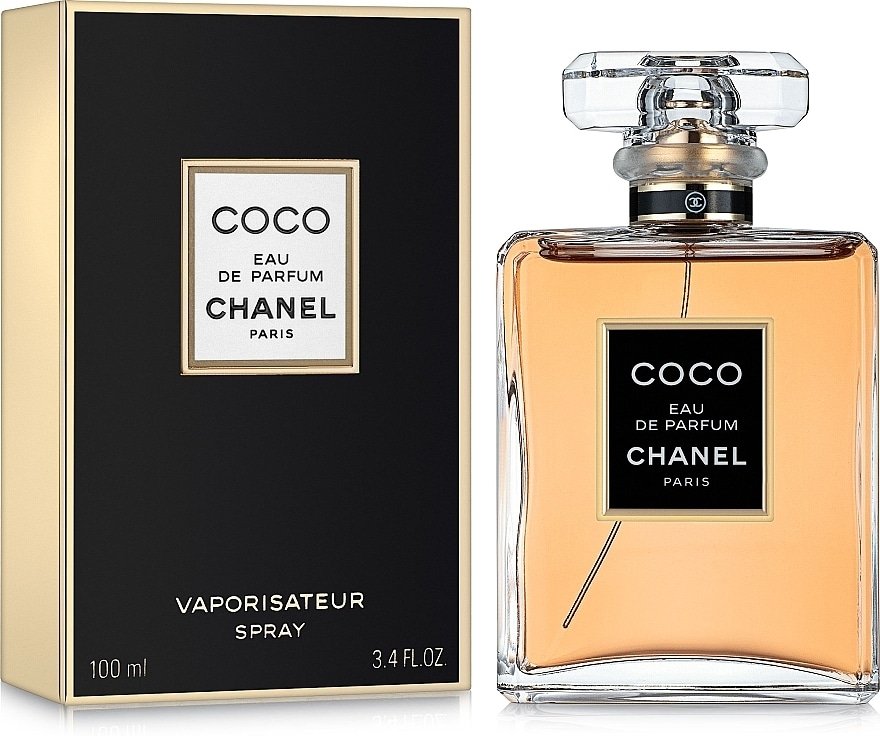
Today, Chanel is a private company controlled by the Wertheimer family. Brothers Alain and Gérard Wertheimer are descendants of Pierre Wertheimer; they are not related to Gabrielle Chanel. Leena Nair is Global CEO, a role confirmed in Chanel’s own 2026 corporate reporting.
The Second World War: closure, collaboration and disputed interpretation
The war cannot be reduced to “the house closed because it was not a time for fashion.” Chanel shut the couture operation in 1939, while the separately controlled fragrance business continued. During the German occupation of Paris, she lived at the Ritz and had a relationship with Hans Günther von Dincklage, a German intelligence officer.
French intelligence archives contain a file describing Chanel as an agent of the Abwehr, Nazi Germany’s military-intelligence organisation. The official responsible for the archive told The Guardian that the documentation identifies her as an agent. She also tried during the occupation to use antisemitic “Aryanisation” laws to gain control of Parfums Chanel from the Jewish Wertheimer owners; the Wertheimers had previously placed the business under a non-Jewish proxy.
The exact scope and motive of Chanel’s intelligence activity remain debated by biographers. Later evidence has also been examined for a possible connection to the French Resistance. That uncertainty does not erase the established facts: her relationship with von Dincklage, the Abwehr documentation and the attempted use of anti-Jewish law are part of the record. A responsible history distinguishes disputed interpretation from documented conduct.
The 1954 comeback and the codes that survived
Gabrielle Chanel returned to couture in 1954, when Christian Dior’s structured post-war silhouette dominated fashion. The first French response was cold, but American buyers responded to her easy suits and practical elegance. The comeback did more than restore a name: it established the cardigan jacket, braid-trimmed tweed suit, chain-weighted hems and contrasting shoes as a coherent system.
In February 1955 came the 2.55, named for its launch month and year. Chanel’s current product history confirms the quilted construction, chain strap and Mademoiselle turnlock. The shoulder strap mattered because it left the wearer’s hands free. In 1957, the two-tone slingback added another durable code.
Karl Lagerfeld did not preserve Chanel — he translated it
When Karl Lagerfeld took charge of fashion in 1983, Chanel had commercial strength in fragrance but a weaker claim on contemporary fashion. His answer was not quiet conservation. He enlarged the double-C logo, exaggerated chains and tweed, mixed high and low references and turned runway sets into global media.
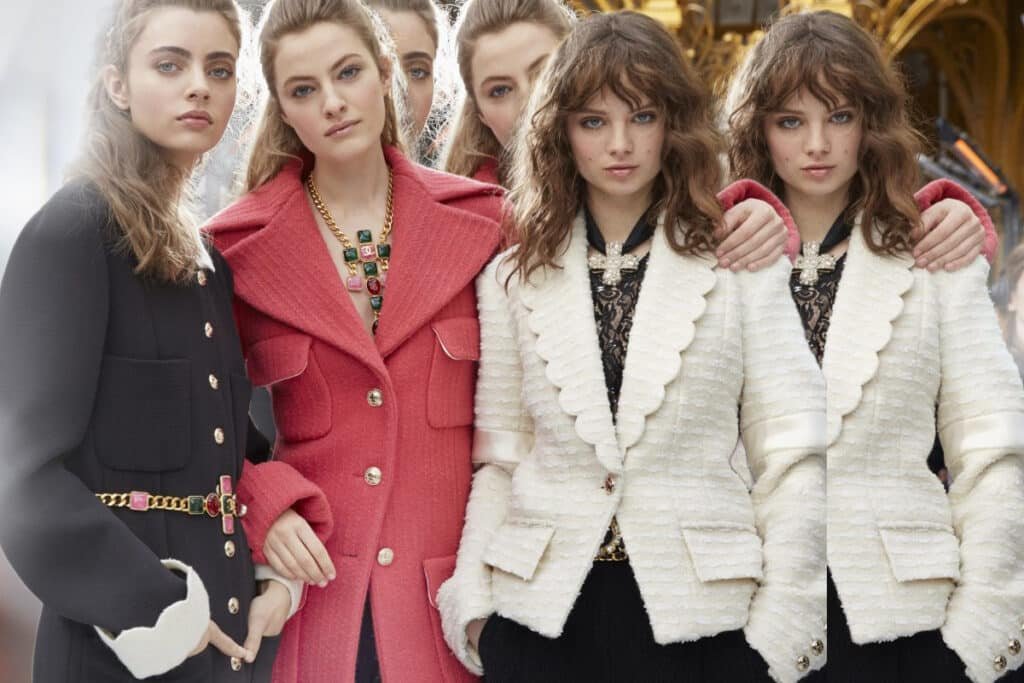
That translation is why a house associated with a founder born in 1883 could participate in sneaker culture, music videos and internet-era spectacle. Lagerfeld’s 36-year tenure was not a single aesthetic; it was a system for making the archive visibly new. After his death in 2019, studio director Virginie Viard succeeded him and led the house until June 2024.
Chanel in 2026: Matthieu Blazy, Leena Nair and a growing private company
Chanel appointed Matthieu Blazy in December 2024. He presented his first collection, spring/summer 2026, at the Grand Palais in October 2025. In 2026, his first cruise collection took the house back to Biarritz, where Gabrielle Chanel had opened her couture house in 1915.
The current company is larger and more diversified than the myth of a Paris atelier suggests. Chanel’s May 2026 financial release reported 2025 revenue of $19.3 billion, up 2% at comparable exchange rates, and more than 40 boutique openings during the year. Reuters reported that demand for Blazy’s reinterpretations was bringing first-time buyers into the privately owned brand.
Creative leadership and corporate leadership are separate. Blazy directs fashion; Leena Nair runs the global business. That two-part answer is more accurate than calling the creative director “the head of Chanel.”
Chanel boutiques in Dubai and Abu Dhabi
For full fashion assortments, the official locator currently lists Chanel at Dubai Mall, Chanel at Mall of the Emirates and Chanel at The Galleria Al Maryah Island in Abu Dhabi. The UAE also has department-specific fragrance, beauty, watches and fine-jewellery spaces.
Do not assume every point of sale carries handbags or ready-to-wear. Check the department list on the live store page and contact the boutique for a specific item or service. Opening hours and product availability change, so they have not been copied into a permanent history article.
Why Chanel still matters
Chanel’s endurance does not require turning Gabrielle Chanel into a flawless heroine. The design achievement is specific: she helped define a modern wardrobe in which comfort, repetition and recognisable codes could coexist with luxury. The business achievement is different: the Wertheimer partnership made fragrance global, then developed a private company capable of sustaining couture, craft suppliers, beauty, watches and a worldwide boutique network.
The complete history therefore contains both creation and conflict. It includes jersey and No. 5, but also ownership battles and wartime conduct; the 2.55 and tweed suit, but also Lagerfeld’s transformation of the archive; a founder’s myth, but also the executives, perfumers, studio teams and craftspeople who made the house survive her. That less romantic version is also the more interesting one.
How this guide was checked: Product dates and appointments were verified against Chanel’s official archive and current disclosures. Design history was cross-checked with The Met. Wartime wording distinguishes archival documentation from debated interpretation. Ownership and 2026 leadership were checked against company reporting and established financial journalism. UAE boutique links point to Chanel’s live locator.