The air is electric, the internet is ablaze, and a collective gasp of surprise and excitement has swept across the Marvel Cinematic Universe (MCU) fandom. After years of speculation, heartfelt goodbyes, and steadfast denials, the unthinkable has been confirmed: Chris Evans will indeed return as Steve Rogers, the beloved Captain America, in the highly anticipated…
The air is electric, the internet is ablaze, and a collective gasp of surprise and excitement has swept across the Marvel Cinematic Universe (MCU) fandom. After years of speculation, heartfelt goodbyes, and steadfast denials, the unthinkable has been confirmed: Chris Evans will indeed return as Steve Rogers, the beloved Captain America, in the highly anticipated Avengers: Doomsday. This isn’t just a comeback; it’s a seismic event poised to redefine the MCU’s future, intertwining legacy with new narratives, and leveraging the boundless possibilities of the multiverse.
This article cuts through the noise and speculation to provide a definitive, authoritative guide to this game-changing announcement. We’ll decode the official confirmations, dissect the first tantalizing glimpses, analyze Marvel’s strategic masterstroke, and explore the profound implications for the MCU’s complex timeline, existing heroes, and upcoming sagas. Join us as we unpack what Steve Rogers’ return means for the ultimate showdown in Avengers: Doomsday and beyond.
The Unthinkable Confirmed: Chris Evans’ Captain America is Back for Avengers: Doomsday
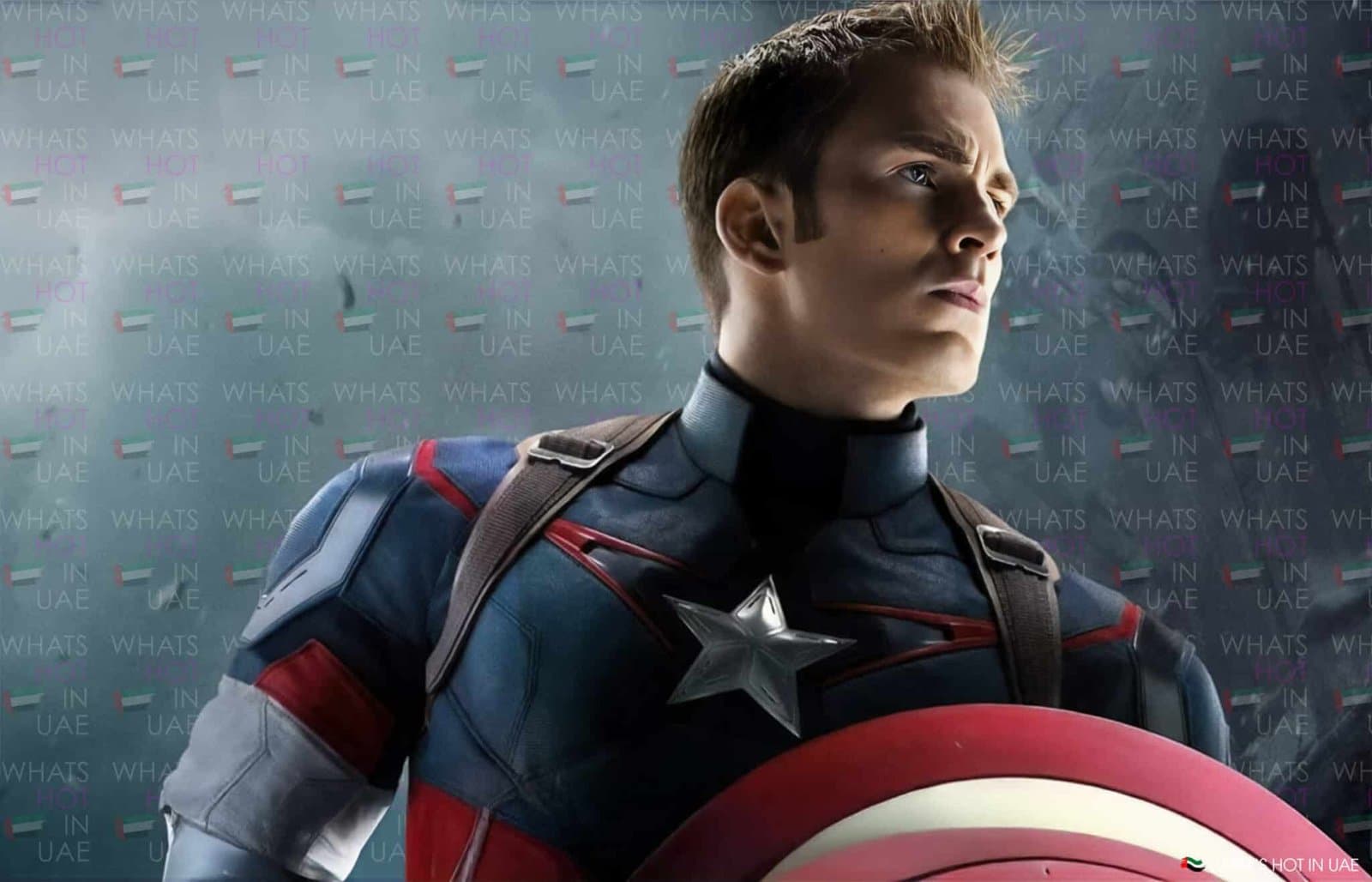
The biggest news in superhero cinema arrived like a bolt from the blue: Chris Evans is officially reprising his iconic role as Steve Rogers, Captain America, in Avengers: Doomsday. This confirmation puts to rest years of fan hopes and debates, setting a new course for the cinematic universe. Marvel Studios, ever the architect of grand surprises, unveiled this monumental return, sending shockwaves of excitement through the global fanbase. The news first broke via a detailed report from Variety, which has been at the forefront of tracking this monumental development [1].
Decoding the First Teaser Trailer: What We Saw
The official confirmation was accompanied by a reported first teaser trailer for Avengers: Doomsday, described in vivid detail by Variety [1]. The teaser opens with a familiar, yet heartbreakingly poignant, image: Steve Rogers, looking aged but resolute, on a classic motorcycle. His blue helmet, a symbol of his enduring heroism, rests on the handlebars. A somber piano rendition of the classic ‘Avengers’ theme plays, evoking a powerful sense of nostalgia and gravitas.
The trailer then cuts to a scene of domestic bliss, revealing a newborn, hinting at the peaceful life Steve had chosen at the end of Avengers: Endgame. However, this serenity is shattered by a looming threat, briefly glimpsed, signaling the impending conflict of ‘Doomsday’. The teaser culminates with an unequivocal message displayed prominently on screen: “Steve Rogers will return for Avengers: Doomsday,” followed by a countdown to December 2026. This powerful reveal cemented the certainty of his return and set the stage for an emotional journey.
The Road to Return: Evans’ Previous Statements & Marvel’s Pivot
The confirmation of Chris Evans’ return stands in stark contrast to his previous public statements. Following his heroic farewell in Avengers: Endgame, Evans had been quite firm about his decision to step away from the shield. In an interview with ScreenRant, he explicitly stated, “It was a good run, and we went out on a high note… It’s not something I’m actively pursuing or even thinking about” [2]. This categorical stance led many fans to believe his chapter as Captain America was definitively closed.
However, Marvel Studios has a storied history of expertly navigating such pronouncements. This pivot underscores an emerging trend in the entertainment industry: the strategic re-engagement of legacy characters to re-energize major franchises. Faced with the challenges of introducing new heroes and sustaining audience momentum post-Infinity Saga, bringing back a beloved, foundational character like Steve Rogers is a powerful move by Marvel Studios [3]. It acknowledges the deep connection audiences have with these figures and aims to leverage that nostalgia and goodwill to propel the next saga forward. This decision indicates a calculated shift in strategy, prioritizing impact and fan satisfaction.
Avengers: Doomsday Unveiled: Release Date, Cast, Initial Plot & Key Information
Avengers: Doomsday is shaping up to be a monumental event, not just for the return of Captain America, but for its expansive roster, ambitious plot, and crucial role in the evolving MCU narrative. Marvel Studios is orchestrating a grand tapestry, weaving together established heroes with exciting new entries, all converging on a single, apocalyptic threat.
Confirmed Release Date & Teaser Strategy
The much-anticipated Avengers: Doomsday is officially slated for release in December 2026. This timeframe positions it as a tentpole event, likely concluding the current saga or setting the stage for the next major arc. Marvel’s promotional strategy appears to be a multi-faceted approach, as reported by Variety [1]. Instead of a single, comprehensive trailer, the studio plans to release a series of character-focused teasers. This method allows each hero’s return or debut to be highlighted, building individual excitement before the collective spectacle. This staggered reveal helps manage overwhelming speculation by offering measured doses of official information, keeping fans engaged over an extended period.
The Assembled Roster: Returning Heroes & The New Threat
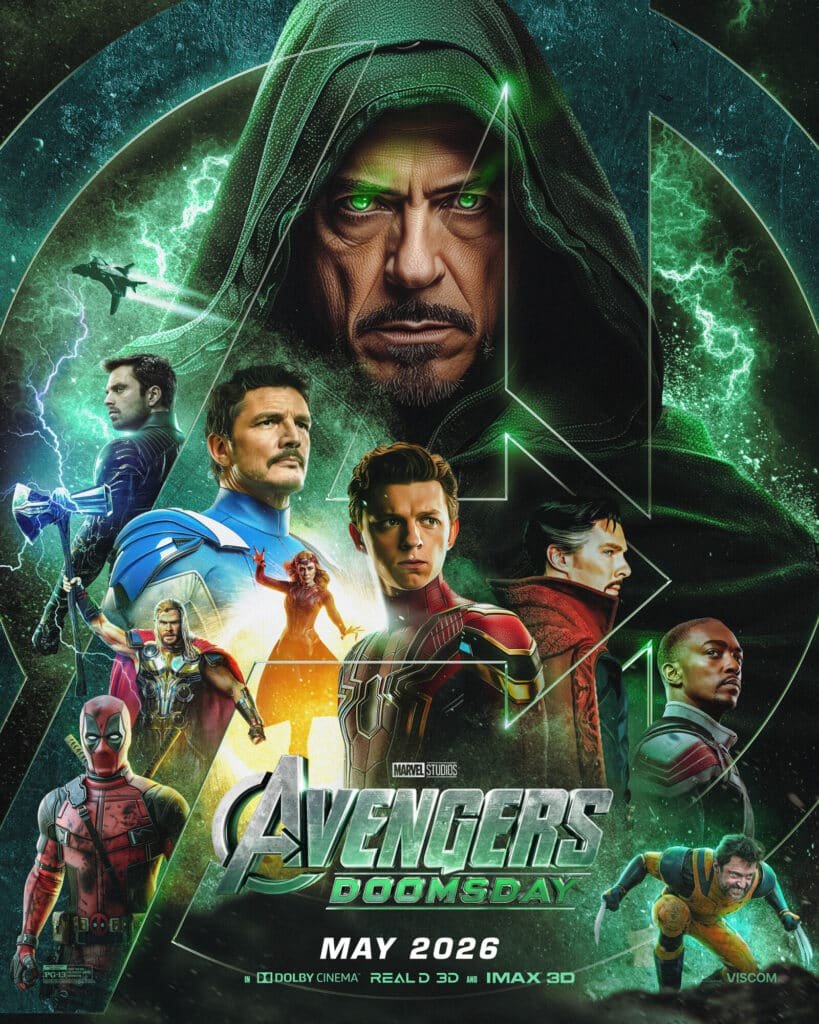
The cast for Avengers: Doomsday is nothing short of star-studded, promising a cinematic experience on an unprecedented scale. Beyond the confirmed return of Chris Evans as Steve Rogers, the film will see familiar faces such as Chris Hemsworth as Thor, Paul Rudd as Ant-Man, and Tom Hiddleston reprising his fan-favorite role as Loki. Sebastian Stan is also confirmed to return, undoubtedly playing a pivotal part in Steve Rogers’ reintegration.
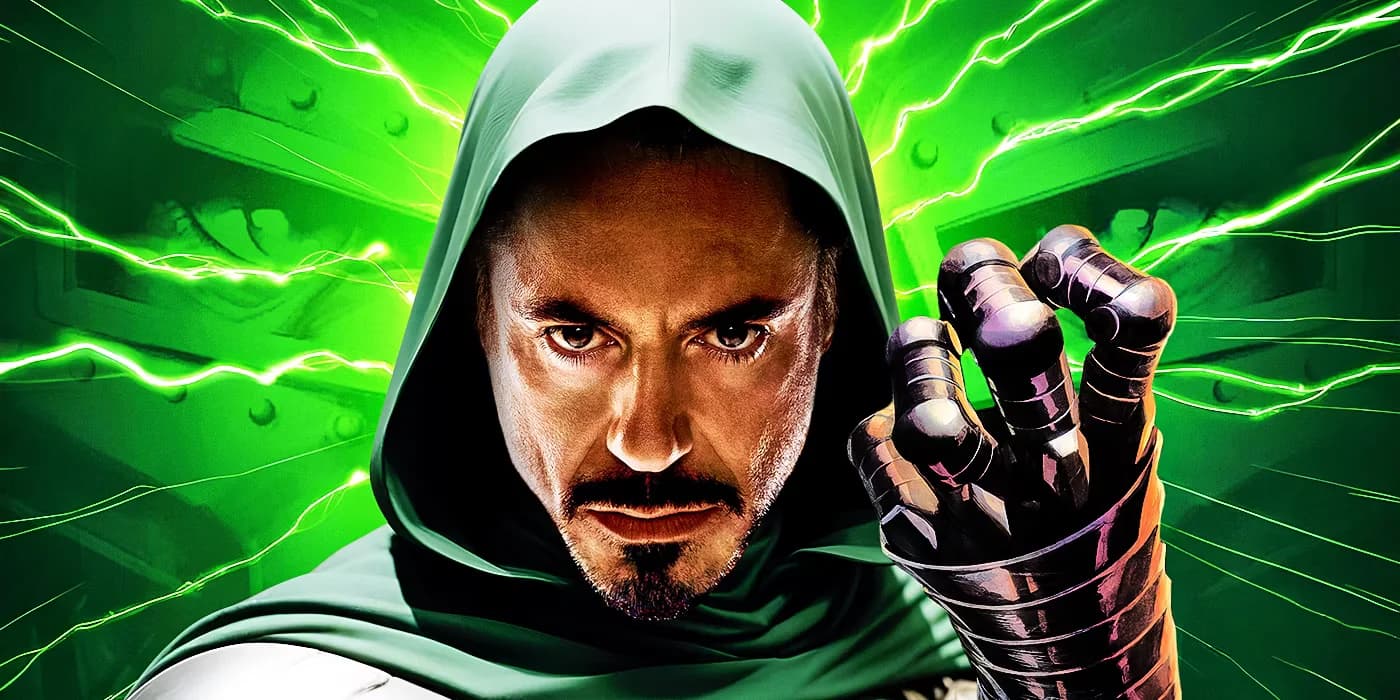
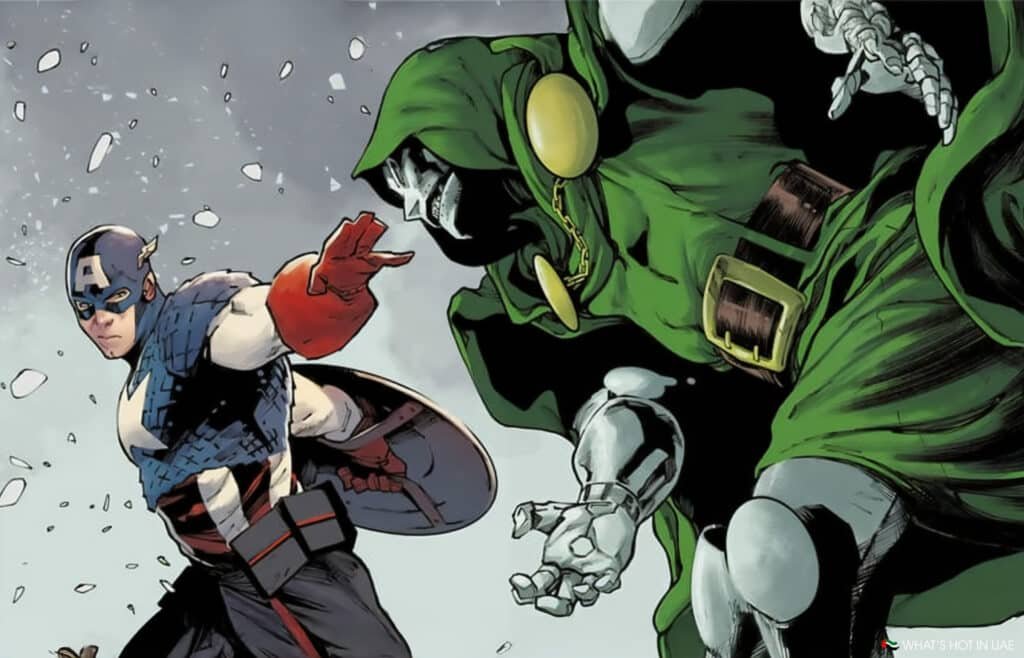
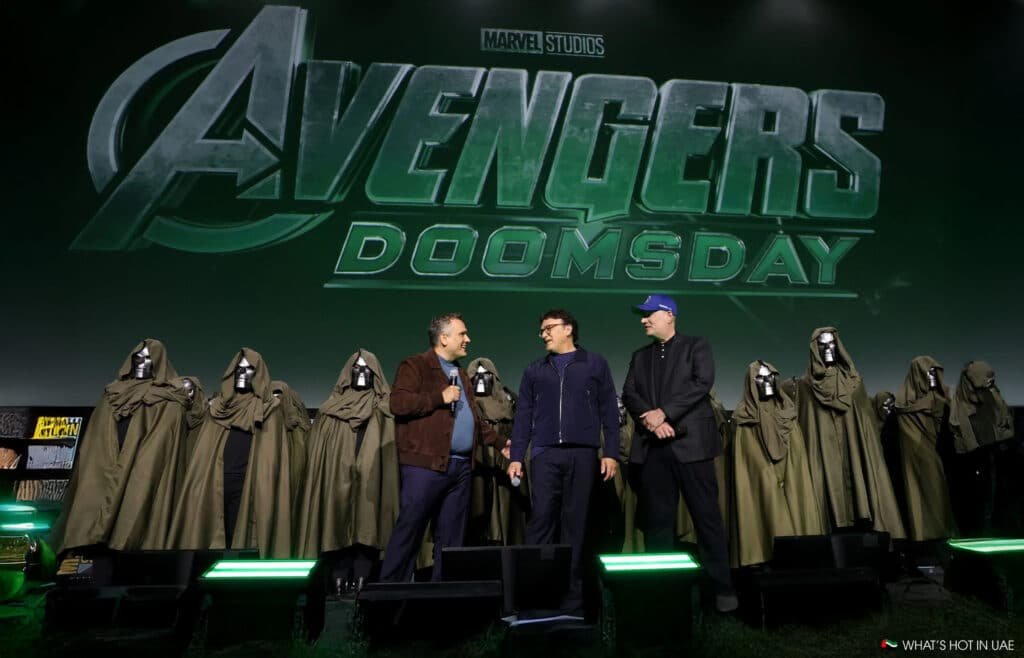
However, the most electrifying casting news centers on the ultimate villain: Robert Downey Jr. is set to return, not as Iron Man, but as the iconic antagonist, Doctor Doom [1]. This casting choice alone signals the immense stakes of Doomsday, pitting one of Marvel’s most formidable villains against a new generation of heroes and beloved returnees.
Further expanding the universe, Avengers: Doomsday will also feature a significant X-Men crossover, introducing a host of mutant heroes into the main MCU continuity. Initial reports, also from Variety [1], name Channing Tatum, Ian McKellen, James Marsden, Rebecca Romijn, and Alan Cumming among the confirmed X-Men cast members. This crossover is a long-awaited moment for fans and represents a massive step in Marvel’s strategic expansion.
Initial Plot Whispers: What ‘Doomsday’ Entails
While specific plot details for Avengers: Doomsday remain shrouded in secrecy, early reports and industry insiders offer intriguing glimpses into what “Doomsday” truly entails. The central conflict will undeniably revolve around Doctor Doom, portrayed by Robert Downey Jr. His reputation as a genius, sorcerer, and ruler of Latveria suggests a threat far beyond conventional villains, capable of challenging the Avengers on multiple fronts—intellectual, magical, and militaristic.
Speculation suggests that Doctor Doom’s machinations could be tied to the very fabric of the multiverse, perhaps exploiting its vulnerabilities or seeking to reshape it to his will. The X-Men crossover further hints at a multiversal threat, potentially bringing different realities into collision or requiring a united front from across various timelines. While these remain speculative, the sheer scale of the confirmed cast and antagonist promises a narrative event that will fundamentally alter the landscape of the MCU.
The Multiverse’s Ripple Effect: How Steve Rogers’ Return Re-shapes the MCU
The return of Steve Rogers is not a simple cameo; it’s a narrative earthquake that necessitates careful explanation within the established rules of the MCU, especially concerning time travel and the multiverse. Fans are eagerly asking: how will Steve Rogers’ return be explained after his Endgame ending, and what does this mean for the current Captain America, Sam Wilson?
The Post-Endgame Conundrum: Steve Rogers’ Original Ending
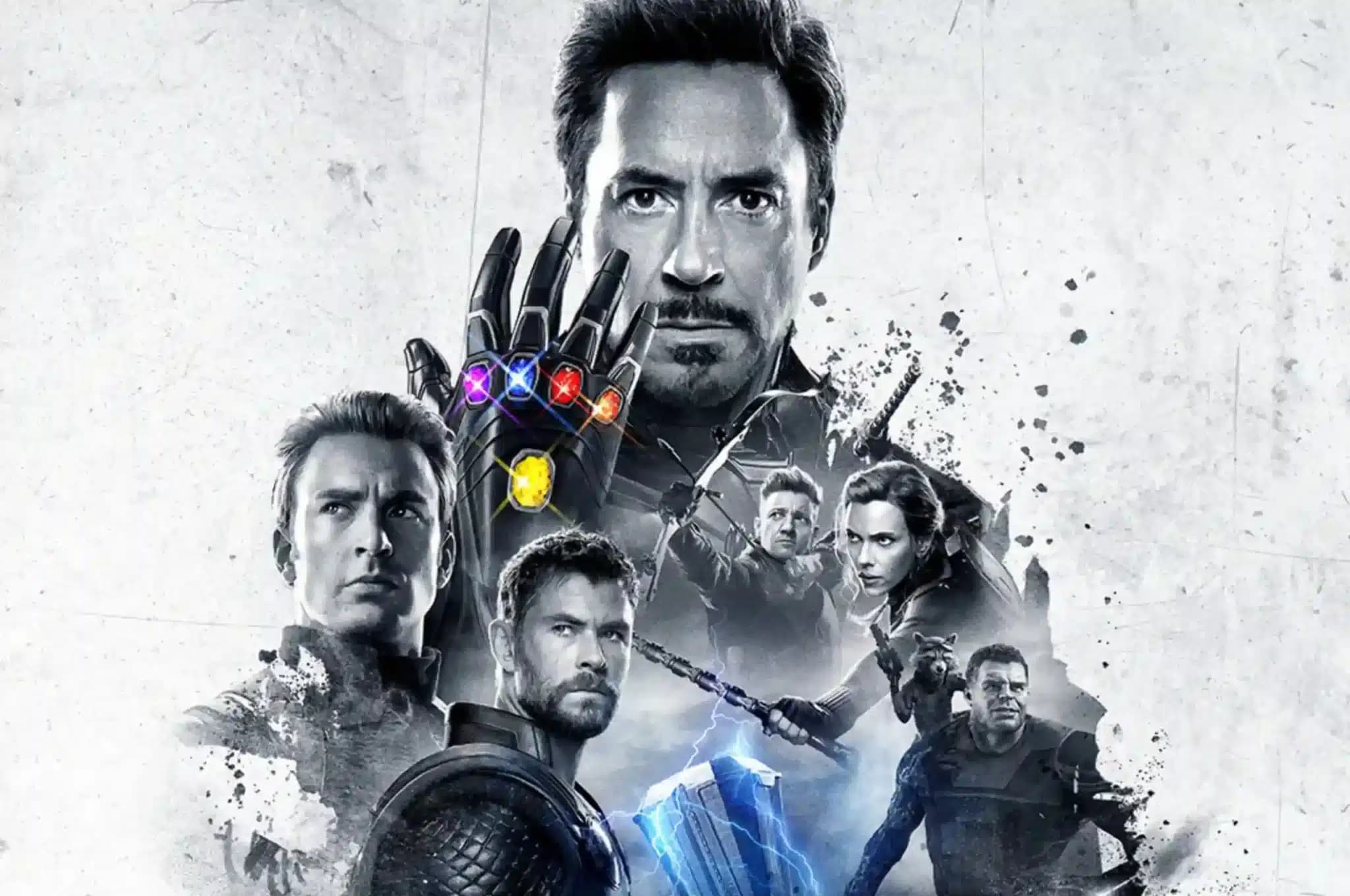
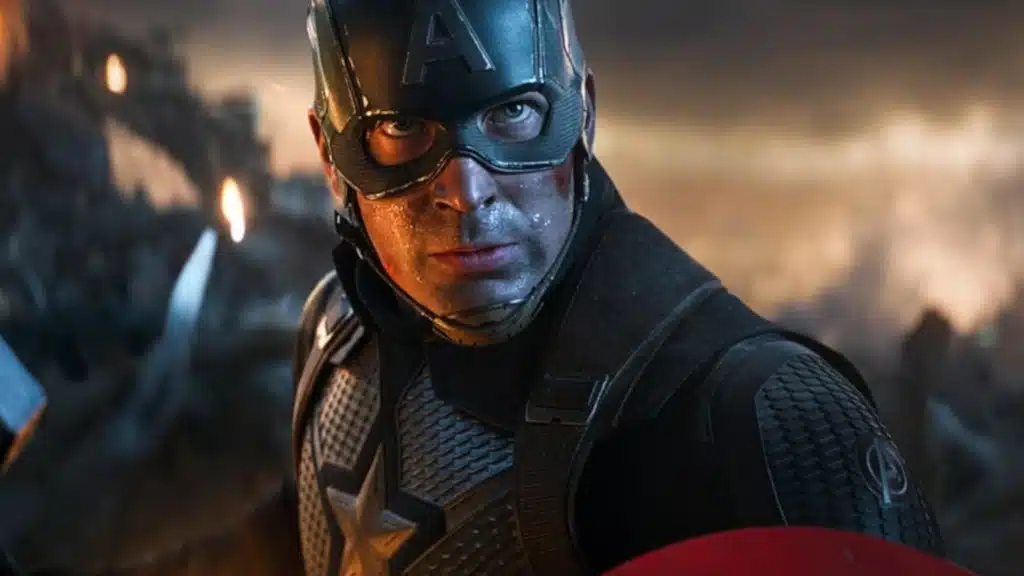
At the climax of Avengers: Endgame, Steve Rogers embarked on a mission to return the Infinity Stones to their original timelines. He accomplished this task but made a monumental decision: instead of returning to his present, he chose to live out a full life with Peggy Carter in an alternate past. He reappeared at the end of Endgame as an elderly man, passing his iconic shield—and the mantle of Captain America—to Sam Wilson [4]. This emotional and seemingly definitive conclusion brought closure to one of the MCU’s most beloved arcs. His journey was about finding peace and the life he was denied, a powerful testament to sacrifice and fulfillment.
Unpacking Potential Explanations: Multiverse, Time-Travel, or Variant?
The MCU has laid extensive groundwork for complex temporal and dimensional mechanics, offering several plausible explanations for Steve Rogers’ return without negating his Endgame ending.
- The Multiverse Theory: This is arguably the most compelling and widely discussed explanation. The “Sacred Timeline” was shattered in the Loki series, unleashing an infinite number of alternate realities [5]. The Steve Rogers we see returning in Avengers: Doomsday could be a variant from another timeline where events unfolded differently. Perhaps in his reality, he didn’t stay with Peggy, or he returned to the main timeline after Peggy’s passing, only to be pulled into a new crisis. This theory preserves the original Steve’s ending while allowing for Chris Evans’ return.
- Time-Travel Mechanics (Alternate Past): While Endgame established that changing the past doesn’t alter the present but creates new timelines, it’s possible this new Steve Rogers originates from a “different past” within the multiverse. He might be a Steve who completed his mission and was subsequently pulled into the “Doomsday” timeline, a distinct entity from the Steve who grew old with Peggy.
- Temporal Anomaly/Incursion: The threat of “Incursions” from Doctor Strange in the Multiverse of Madness could be at play, where two realities collide. Steve Rogers could be a survivor or a key figure from a reality facing an incursion, now seeking refuge or aid in the primary MCU.
Prominent fan discussions suggest that the variant theory, drawing heavily from the rules established in the Loki series [5], offers the cleanest narrative solution, honoring the emotional weight of Endgame while propelling new stories forward.
Sam Wilson’s Legacy: The Impact on the Current Captain America
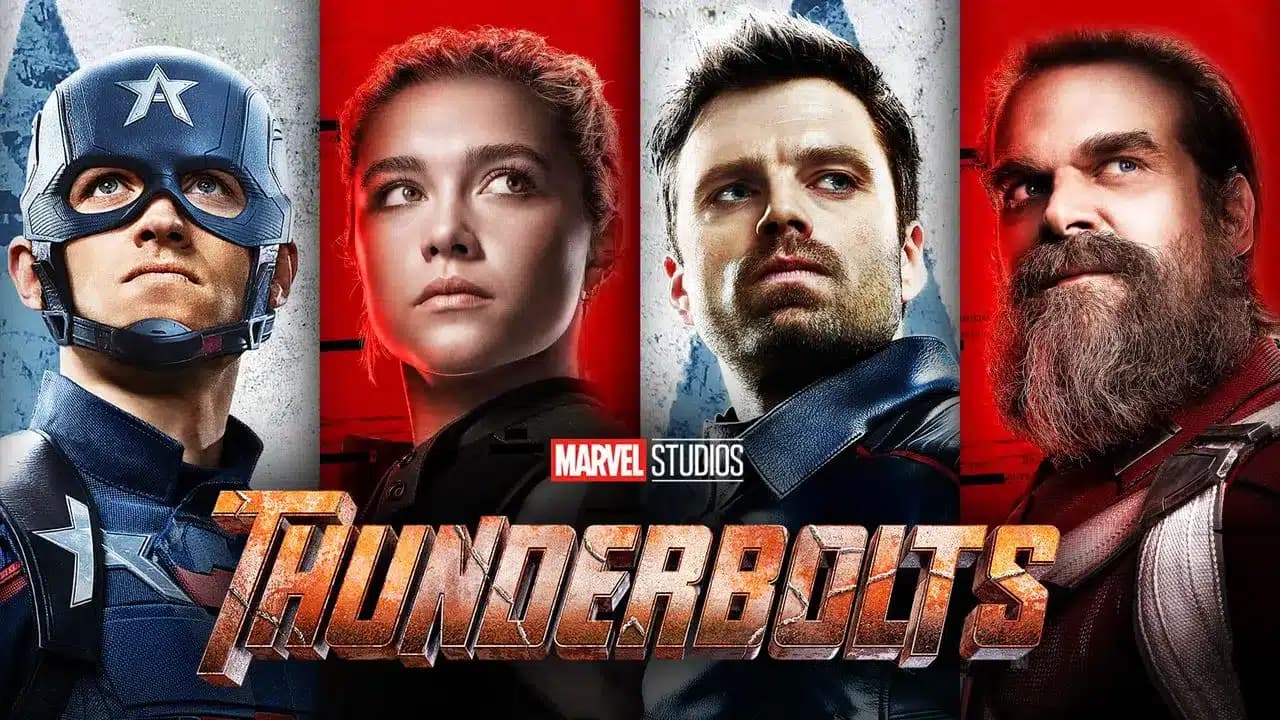
Steve Rogers’ return inevitably raises questions about the future of Sam Wilson (Anthony Mackie) as Captain America. Sam’s journey to embracing the shield, meticulously explored in The Falcon and The Winter Soldier, was a powerful arc about legacy, responsibility, and what it means to be Captain America in a modern world [6].
Marvel will likely navigate this delicate situation by ensuring both characters retain their significance. One possibility is that the returning Steve Rogers operates under a different mantle or with a different primary objective, perhaps focused purely on the multiversal threat of Doomsday. He might serve as a mentor or a powerful ally from another reality, offering a different perspective without overshadowing Sam’s established role as the current Cap. Alternatively, their dynamic could explore themes of co-existence, with Sam embodying the spirit of Captain America for Earth-616, while Steve tackles larger multiversal threats. The return will undoubtedly challenge Sam, offering both a potential source of wisdom and a test of his own leadership. Marvel’s success will lie in their ability to respect Sam’s hard-earned legacy while celebrating the return of the original.
Fan Frenzy & Critical Debates: Reactions to a Legacy Comeback
The announcement of Chris Evans’ return has ignited a fervent debate across fan communities and critical circles. The news elicits a broad spectrum of emotions, from unbridled joy and nostalgic excitement to cautious skepticism and concerns about the MCU’s creative direction. This polarized reaction highlights the complex relationship between legacy characters and the ongoing evolution of a cinematic universe.
Excitement vs. Skepticism: The Great MCU Debate
On one side of the debate, an overwhelming wave of excitement celebrates the return of a beloved hero. Many fans yearn for the “Infinity Saga” era, viewing Evans’ Captain America as a cornerstone of that golden age. For them, his return is a signal that Marvel is listening to its audience, promising a resurgence of the magic and emotional depth that defined the early phases. The prospect of seeing Steve Rogers back in action, especially against a formidable foe like Doctor Doom, is a powerful draw.
However, a significant contingent of fans and critics expresses skepticism. Concerns revolve around the potential for creative fatigue or an over-reliance on past successes. Is this return a sign of strength, demonstrating Marvel’s ability to pull off grand surprises, or a signal of desperation, indicating struggles to build compelling new franchises and elevate new heroes? Some worry that bringing back legacy characters might overshadow newer heroes like Sam Wilson’s Captain America or even undermine the emotional weight of Steve’s Endgame farewell. There’s a debate about whether such returns signify a lack of confidence in the current roster or a genuine creative opportunity to explore fresh narratives within the multiverse.
Popular Fan Theories & What They Mean for Doomsday
Beyond the “how” of his return, fan theories are running wild about Steve Rogers’ role in Avengers: Doomsday. These theories, prevalent across online forums and social media, suggest fascinating plot possibilities:
- The Multiversal Catalyst: Some believe Steve’s return isn’t just a variant, but the variant who actively brings other heroes or X-Men into the primary MCU reality, having witnessed multiversal collapse firsthand.
- The Unifier: Given the introduction of Doctor Doom and the X-Men, Steve Rogers might be the ultimate unifier, a figure trusted across different factions and realities, capable of rallying diverse heroes against a common enemy.
- The Sacrifice Play: While fans hope for a triumphant return, many speculate that this Steve Rogers’ journey might culminate in another heroic sacrifice, perhaps one that stabilizes the multiverse or protects his original timeline’s peace.
- The Mentor Figure: He could serve as a mentor, guiding Sam Wilson and other new Avengers, providing strategic insights from his unique experience across timelines.
While these remain fan theories, they underscore the profound impact of this announcement and highlight the deep engagement of the MCU fanbase in anticipating Avengers: Doomsday‘s complex narrative.
Marvel’s Strategic Play: Why Bring Back Captain America Now?
The decision to bring back Chris Evans as Captain America, alongside Robert Downey Jr. as Doctor Doom and a significant X-Men crossover, is not arbitrary. It represents a calculated and ambitious strategic play by Marvel Studios, aimed at re-energizing the MCU and setting a powerful new trajectory for its future.
Re-Energizing the Saga: A Nod to the Infinity Saga’s Success
Following the unprecedented success of the Infinity Saga, the MCU has faced a period of audience re-evaluation. While individual projects have been critically acclaimed, the overarching narrative cohesion and widespread cultural omnipresence of the Infinity Saga have been challenging to replicate. This has led to some segments of the audience experiencing a degree of “MCU audience fatigue.”
Marvel’s move to bring back beloved legacy characters, particularly Chris Evans’ Captain America and Robert Downey Jr. in a villainous role, can be seen as a deliberate strategy to rekindle that widespread enthusiasm. It’s a powerful nod to the elements that made the Infinity Saga so successful: compelling, long-standing character arcs, high stakes, and a sense of shared, evolving history. By re-introducing fan favorites, Marvel aims to tap into deep-seated nostalgia and demonstrate a commitment to delivering grand, impactful cinematic events that resonate with their core audience, effectively promising a “return to form” that marries the new with the best of the old.
Setting the Stage for New Eras: X-Men, Fantastic Four, and Beyond
Beyond just re-energizing existing fanbases, the confluence of Chris Evans’ Captain America, Robert Downey Jr.’s Doctor Doom, and the confirmed X-Men crossover in Avengers: Doomsday is a foundational element for Marvel’s next major narrative eras. This isn’t merely a nostalgic trip; it’s a strategic weaving of threads that will define the MCU for years to come.
The introduction of Doctor Doom, a perennial antagonist to the Fantastic Four in Marvel comic lore, explicitly signals the impending arrival of Marvel’s First Family into the MCU. The X-Men crossover, featuring iconic characters like Magneto and Cyclops, is the long-awaited gateway for the entire mutant universe. By integrating these beloved properties within an Avengers film, Marvel is creating a natural, high-stakes entry point for them, ensuring they are immediately relevant to the overarching narrative rather than existing in isolated corners. This approach allows Marvel to leverage the immense power of crossover events, building anticipation for the MCU’s Phase 5 and 6, and laying the groundwork for epic sagas that will rival, if not surpass, the scope of the Infinity Saga. The returning Captain America, therefore, becomes a bridge between Marvel’s past triumphs and its expansive, multiversal future.
Essential Viewing: How to Prepare for Avengers: Doomsday
With Avengers: Doomsday on the horizon, now is the perfect time for both seasoned fans and newcomers to refresh their memories and get fully immersed in the MCU’s rich tapestry. Preparing for this monumental film will enhance your viewing experience, particularly with the complex interplay of character returns and multiversal themes.
Catching Up: Key MCU Films to Revisit
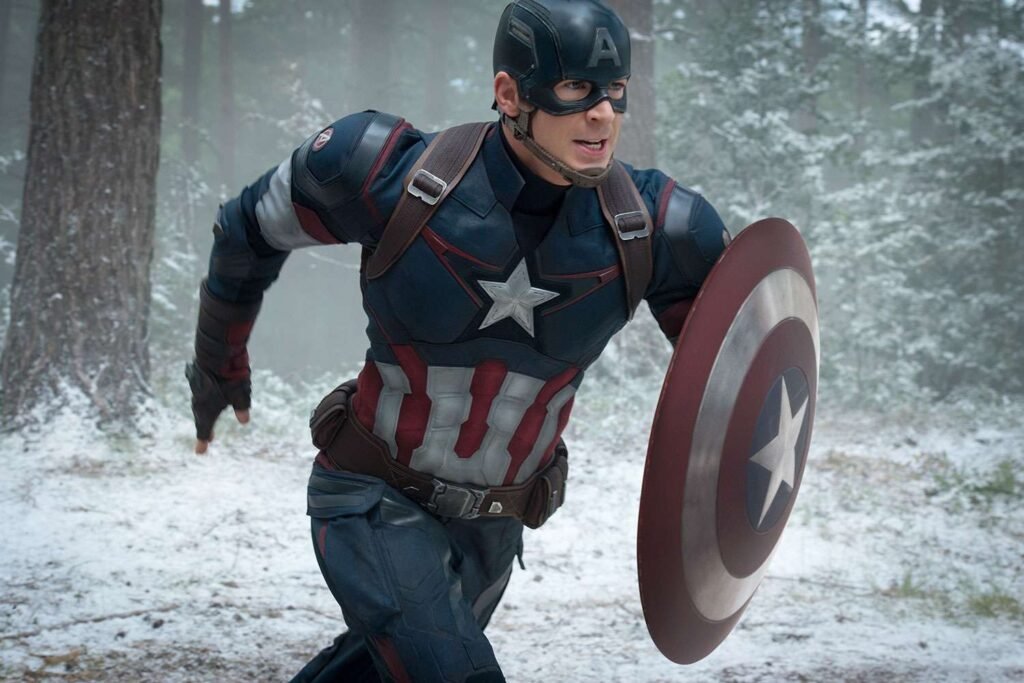
To fully appreciate Steve Rogers’ journey, understand the multiverse, and grasp the significance of other returning characters, a curated rewatch of specific MCU films is highly recommended:
- Captain America: The First Avenger (2011): To remember Steve’s origin, his values, and his powerful connection with Peggy Carter.
- Captain America: The Winter Soldier (2014): For a thrilling spy narrative and the evolution of Steve’s relationship with Bucky Barnes and Sam Wilson.
- Captain America: Civil War (2016): Essential for understanding the ideological divides among heroes and the weight of Steve’s leadership.
- Avengers: Endgame (2019): Crucial for revisiting Steve Rogers’ emotional farewell and the passing of the shield to Sam Wilson.
- Loki (Season 1, 2021): Absolutely vital for grasping the concepts of the multiverse, variants, and time-travel mechanics, which will undoubtedly be central to Doomsday.
- The Falcon and The Winter Soldier (2021): To witness Sam Wilson’s journey to becoming Captain America and understand the legacy he now carries.
These films will provide a robust foundation for the narrative complexities and emotional resonance of Avengers: Doomsday. Most of these titles are readily available on Disney+.
Securing Your Spot: Tickets & Online Viewing Options
As the December 2026 release date approaches, staying informed about ticket sales and viewing options will be key. For the theatrical release, major cinema chains will announce pre-sale dates well in advance. Keep an eye on the official Marvel website for global release schedules and updates on streaming service partnerships once the film has completed its theatrical run.
To purchase Avengers: Doomsday tickets once they become available, consult the websites of major cinema chains in your region. For audiences in the UAE, for example, Vox Cinemas is a primary destination. After its theatrical window, Avengers: Doomsday will undoubtedly be available for streaming on Disney+, following Marvel Studios’ established release pattern. Stay updated by checking the official Marvel.com site for the latest news on digital releases and streaming availability.
The confirmed return of Chris Evans as Steve Rogers in Avengers: Doomsday is a game-changing moment, signaling not just a triumphant comeback for a beloved hero, but a bold strategic re-calibration for the entire Marvel Cinematic Universe. From the tantalizing details of the first teaser to the earth-shattering implications of Doctor Doom’s arrival and the X-Men crossover, Avengers: Doomsday is poised to be an event of unprecedented scale and significance.
This definitive guide has cut through the anticipation, deciphering Marvel’s careful narrative choices and strategic ambitions. The blending of legacy with new frontiers, the intricate dance with multiversal continuity, and the promise of epic confrontations are all converging to shape a new era for the MCU. As we countdown to December 2026, the stage is set for a cinematic experience that will undoubtedly rewrite the rules once more.
What are your predictions for Steve Rogers’ return in Avengers: Doomsday? Share your theories and excitement in the comments below, and stay tuned for more official updates as we countdown to December 2026!
Disclaimer: This article contains speculative elements based on official announcements, industry reports, and fan theories surrounding the upcoming film ‘Avengers: Doomsday’. While efforts are made to present accurate and verified information, details about future cinematic releases are subject to change by Marvel Studios and their partners. The views expressed regarding fan theories and strategic analysis are those of the author and should not be taken as official statements from Marvel.
References
- Variety. (N.D.). [Details on Chris Evans’ return, teaser, X-Men crossover, RDJ as Doctor Doom, and multiple teasers]. (Specific article URL and title not provided in blueprint, general source cited).
- Chris Evans quoted in ScreenRant. (N.D.). [Details on previous non-involvement]. (Specific article URL and title not provided in blueprint, general source cited).
- Marvel Studios. (N.D.). Official Announcements. (General authority for official announcements).
- Russo, A., & Russo, J. (Directors). (2019). Avengers: Endgame [Film]. Marvel Studios.
- Herron, K. (Director). (2021). Loki [TV Series]. Marvel Studios.
- Skogland, K. (Director). (2021). The Falcon and The Winter Soldier [TV Series]. Marvel Studios.