Essential: Daft Punk’s ‘Human After All’ visual, 5 years post-split. Uncover its ‘Electroma’ origins & enduring legacy. Explore their creative genius now, UAE!
Five years. That’s how long it’s been since the iconic helmets of Daft Punk were officially hung up, leaving a void in the electronic music landscape that fans globally, and certainly here in the UAE, have felt profoundly. Just when the collective longing for new material seemed to peak, a surprise dropped: a brand-new visual for their track ‘Human After All’. But this wasn’t a comeback, nor was it new music. Instead, it was a masterful reimagining, an ingenious fusion of existing artistic elements that reignited conversations about their unparalleled creative genius.
This article dives deep into this unexpected visual release, exploring its origins in the duo’s avant-garde film ‘Electroma’, the visionary mind behind its editing, and what it truly signifies about Daft Punk’s enduring legacy in the post-split era. Prepare to unmask the layers of creative strategy and artistic intent that continue to captivate electronic music aficionados, cementing Daft Punk’s place as legends whose influence is, indeed, human after all.
In This Article
- The ‘Human After All’ Visual: A Timeless Reimagining Five Years On
- Unpacking ‘Electroma’: The Avant-Garde Film Behind the Visual
- Cédric Hervet: The Visionary Collaborator Behind the Edit
- Daft Punk’s Enduring Influence: Legacy Management in the Post-Split Era
- Beyond the Helmets: Thomas Bangalter and Guy-Manuel de Homem-Christo’s Individual Journeys
- Frequently Asked Questions
- Conclusion
The ‘Human After All’ Visual: A Timeless Reimagining Five Years On
The electronic music world collectively paused on 22nd February 2026, the exact five-year anniversary of Daft Punk’s confirmed breakup in 2021, as a new visual for their track ‘Human After All’ premiered. This wasn’t a signal of new audio, nor a reunion, but rather a powerful, retrospective artistic statement. It served as a poignant reminder of the duo’s profound impact and their unique approach to visual storytelling.
The release of this ‘Human After All’ music video, crafted from footage from their 2006 film ‘Electroma’, underscores a deliberate strategy. It highlights the enduring relevance of their 2005 album, ‘Human After All’, which, despite its initial mixed reception, has grown in appreciation over the years. This visual offers fans a fresh perspective on a beloved track, perfectly aligning with the melancholic yet hopeful essence of Daft Punk’s legacy.
- Release Date: 22nd February 2026, coinciding with the five-year anniversary of their split.
- Original Album: ‘Human After All’ was originally released in 2005.
- Purpose: To celebrate their enduring creative legacy, not to announce new music or a reunion.
- Format: A reimagining of existing ‘Electroma’ footage, providing a unique artistic crossover.
Unpacking ‘Electroma’: The Avant-Garde Film Behind the Visual
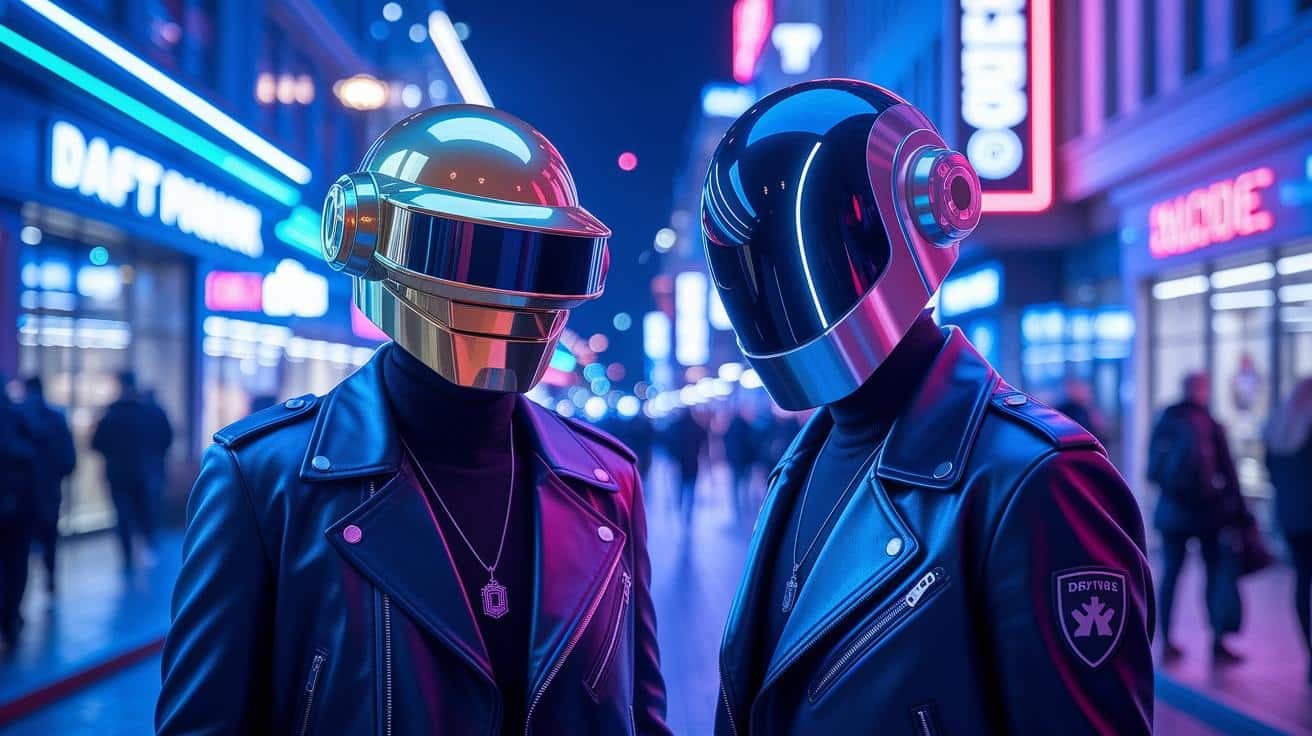
To truly understand the new ‘Human After All’ visual, one must delve into ‘Electroma’, Daft Punk’s enigmatic 2006 avant-garde science fiction film. The film follows two robotic protagonists on a poignant quest to become human, a narrative that deeply resonates with the lyrical themes of ‘Human After All’. Its stark, almost silent cinematic style, combined with stunning desert landscapes, created a unique visual language.
‘Electroma’ premiered at the prestigious Cannes Film Festival in 2006, receiving critical attention for its experimental approach. A particularly notable fact is that the film originally featured no Daft Punk music. Instead, its evocative soundtrack incorporated tracks from diverse artists such as Brian Eno and Curtis Mayfield, underscoring the newly constructed artistic crossover achieved by pairing its visuals with ‘Human After All’. This deliberate choice in the film’s original score further highlights the innovative spirit that defined Daft Punk’s entire career.
Cédric Hervet: The Visionary Collaborator Behind the Edit
The seamless integration of ‘Electroma’s’ footage with ‘Human After All’ is largely thanks to the masterful work of Cédric Hervet. As Daft Punk’s long-time collaborator and creative director, Hervet possesses an unparalleled understanding of their artistic vision. His expertise was crucial in bridging the gap between the film’s original context and the track’s emotional depth.
Hervet’s role as creative director has been pivotal throughout Daft Punk’s career, extending beyond ‘Electroma’ to many of their visual projects. His deep history with the duo allowed him to select and edit specific scenes from the film that perfectly encapsulate the essence of ‘Human After All’, transforming existing material into a fresh, compelling narrative. This collaboration exemplifies the intricate and trusted relationships that underpinned Daft Punk’s groundbreaking artistic output.
Daft Punk’s Enduring Influence: Legacy Management in the Post-Split Era
Daft Punk’s cultural impact continues to reverberate across the globe, from the bustling streets of Dubai to the serene landscapes of the Hajar Mountains. Even five years after their disbandment, their catalogue remains a vibrant source of inspiration and celebration. The strategic release of the ‘Human After All’ visual is a prime example of how iconic artists manage their legacy, ensuring continued relevance and fan engagement long after their active period.
This approach aligns with a broader trend within the electronic music industry, where post-split creative outputs and anniversary editions are increasingly common. It’s a sophisticated business and artistic strategy that allows a disbanded duo to maintain a significant presence, keeping their music alive for both existing fans and new generations. For artists of Daft Punk’s calibre, managing their legacy means curating their extensive archives and presenting them in fresh, engaging ways.

The Art of Archival Releases: More Than Just Nostalgia
Archival releases, such as anniversary editions and new visual projects, are far more than mere exercises in nostalgia. They represent a strategic move to celebrate the group’s catalogue and cultural impact, re-engaging audiences and even introducing their work to new listeners. These initiatives ensure that the music continues to evolve in perception and reach.
By carefully curating and releasing material from their archives, Daft Punk’s team can highlight different facets of their work, offering fans deeper insights into their creative process and philosophical underpinnings. This sustained engagement transforms their past work into a living, breathing entity, fostering a continuous dialogue around their artistic contributions and solidifying their place in music history.
Beyond the Helmets: Thomas Bangalter and Guy-Manuel de Homem-Christo’s Individual Journeys
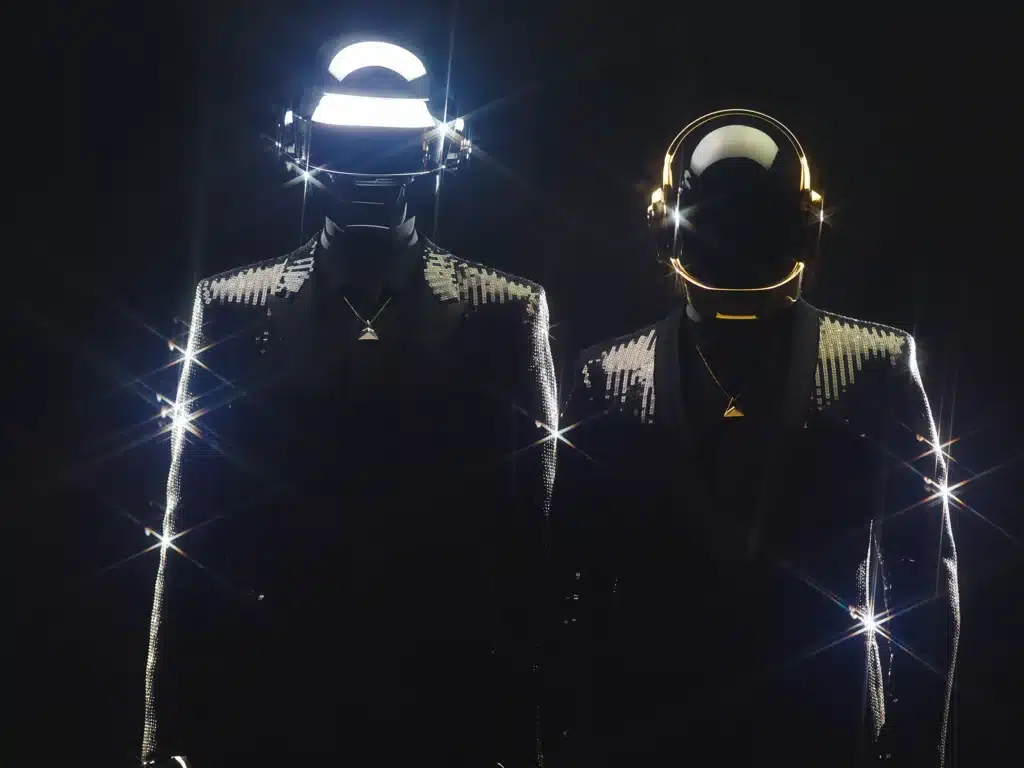
While the ‘Human After All’ visual momentarily rekindled hopes of a Daft Punk reunion, the reality is that Thomas Bangalter and Guy-Manuel de Homem-Christo are forging distinct individual paths. Their post-split creative outputs demonstrate that while Daft Punk as a project may be over, the creative energy surrounding the duo remains very much alive.
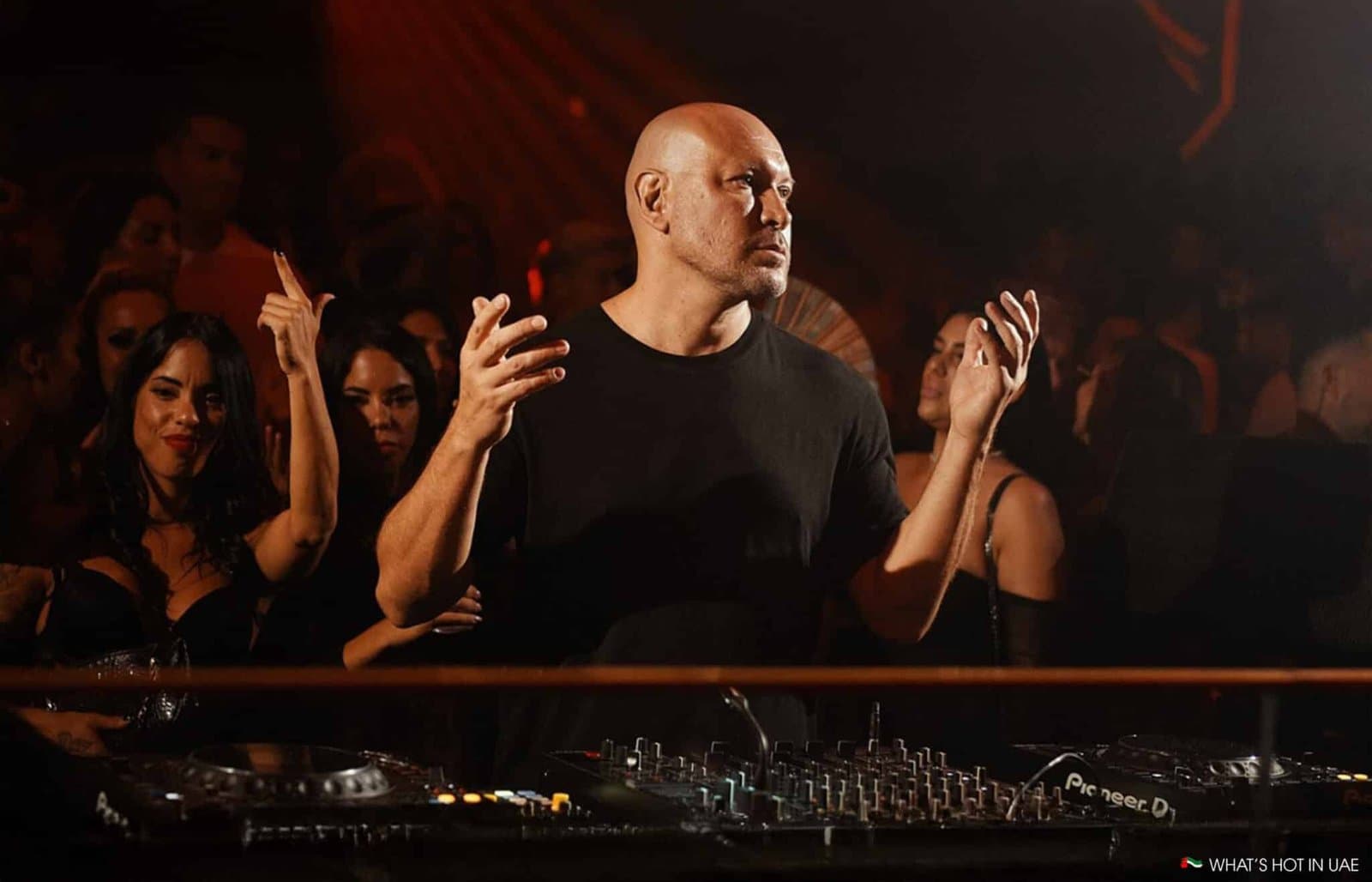
Thomas Bangalter, for instance, recently made headlines with a rare live appearance in Paris, his first DJ set in over a decade. This event showcased his continued passion for music and performance, albeit outside the Daft Punk moniker. Similarly, Guy-Manuel de Homem-Christo continues to explore his artistic interests, contributing to various projects. These individual endeavours signal evolving artistic journeys, offering fans new ways to connect with their talents, rather than hinting at a collective return.
Frequently Asked Questions
Why did Daft Punk release a new ‘Human After All’ visual now?
The visual was released on 22nd February 2026, marking the five-year anniversary of Daft Punk’s split. It serves as a strategic way to celebrate their enduring legacy and cultural impact, re-engaging fans with existing material in a fresh, visually compelling format, rather than signalling new music or a reunion.
What is ‘Electroma’ and how is it connected to ‘Human After All’?
‘Electroma’ is Daft Punk’s 2006 avant-garde sci-fi film about two robots seeking humanity. The new ‘Human After All’ visual is ingeniously crafted from footage of ‘Electroma’, creating a unique artistic crossover. This pairing highlights the philosophical themes of humanity and identity present in both the film and the song.
Did Daft Punk compose the music for the original ‘Electroma’ film?
No, surprisingly, the original ‘Electroma’ film did not feature any Daft Punk music. Instead, it incorporated a diverse soundtrack from other artists, including Brian Eno and Curtis Mayfield. This makes the new ‘Human After All’ visual an even more interesting artistic juxtaposition.
Who is Cédric Hervet and what was his role in the new visual?
Cédric Hervet is Daft Punk’s long-time collaborator and creative director. He was responsible for editing the ‘Human After All’ visual. His deep understanding of Daft Punk’s artistic vision allowed him to expertly select and arrange ‘Electroma’ footage to perfectly complement the ‘Human After All’ track.
Are Thomas Bangalter and Guy-Manuel de Homem-Christo working on new music together?
There is no indication that Thomas Bangalter and Guy-Manuel de Homem-Christo are working on new music together as Daft Punk. Both members are pursuing individual creative projects, such as Bangalter’s recent rare DJ appearance. While their creative energy remains, a reunion is not anticipated.
How does this release affect Daft Punk’s legacy?
This release reinforces Daft Punk’s enduring legacy as innovative artists who consistently pushed creative boundaries. It demonstrates how their catalogue continues to be celebrated and reimagined, maintaining their cultural relevance and engaging new generations of fans, even in their post-split era.
Conclusion
The release of the ‘Human After All’ visual, five years after Daft Punk’s poignant split, is a powerful testament to their enduring legacy. Rooted in the avant-garde vision of ‘Electroma’ and meticulously shaped by the skilled hand of Cédric Hervet, this visual is far more than just a new music video. It’s a profound statement on artistic evolution, legacy management, and the timeless appeal of their work. Daft Punk’s influence truly is ‘human after all’, continuing to captivate and inspire audiences, from the vibrant electronic music scene of the UAE to global stages, even without new compositions.
At What’s Hot in UAE, we remain committed to being the definitive authority on global music trends and electronic music culture, especially for our discerning UAE audience. We invite our readers in the UAE and beyond to watch the ‘Human After All’ visual, explore the depths of ‘Electroma’, and share their thoughts on Daft Punk’s lasting impact in the comments below. For more on the hottest events and cultural insights in the Emirates, explore our Going Out section.