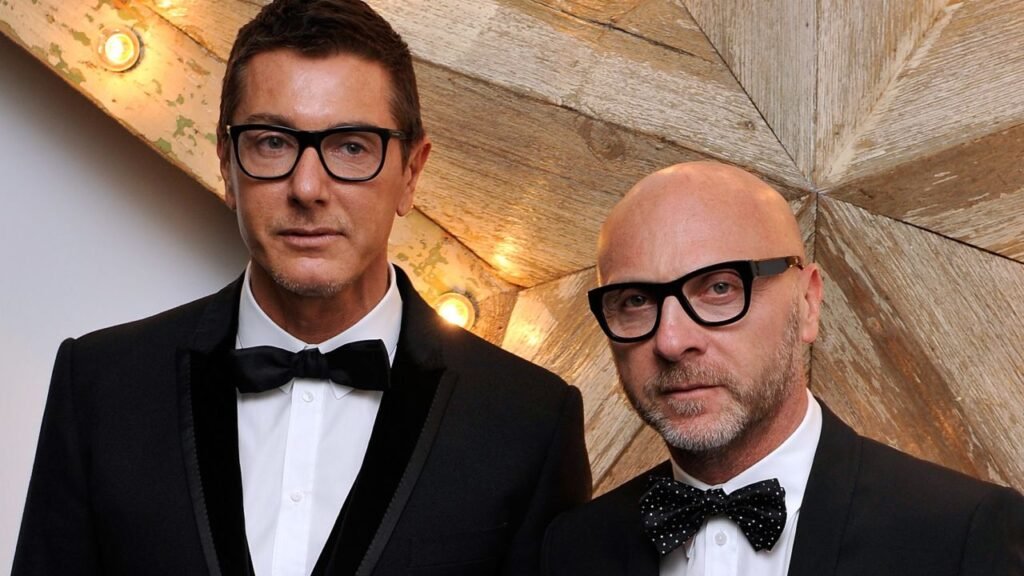
Dolce & Gabbana is an Italian luxury house founded by designers Domenico Dolce and Stefano Gabbana, whose first runway collection appeared in Milan in 1985. Its history is not a neat rise from small studio to global fame. The same brand that made Sicilian black lace, corsetry and leopard print instantly recognisable has repeatedly damaged…
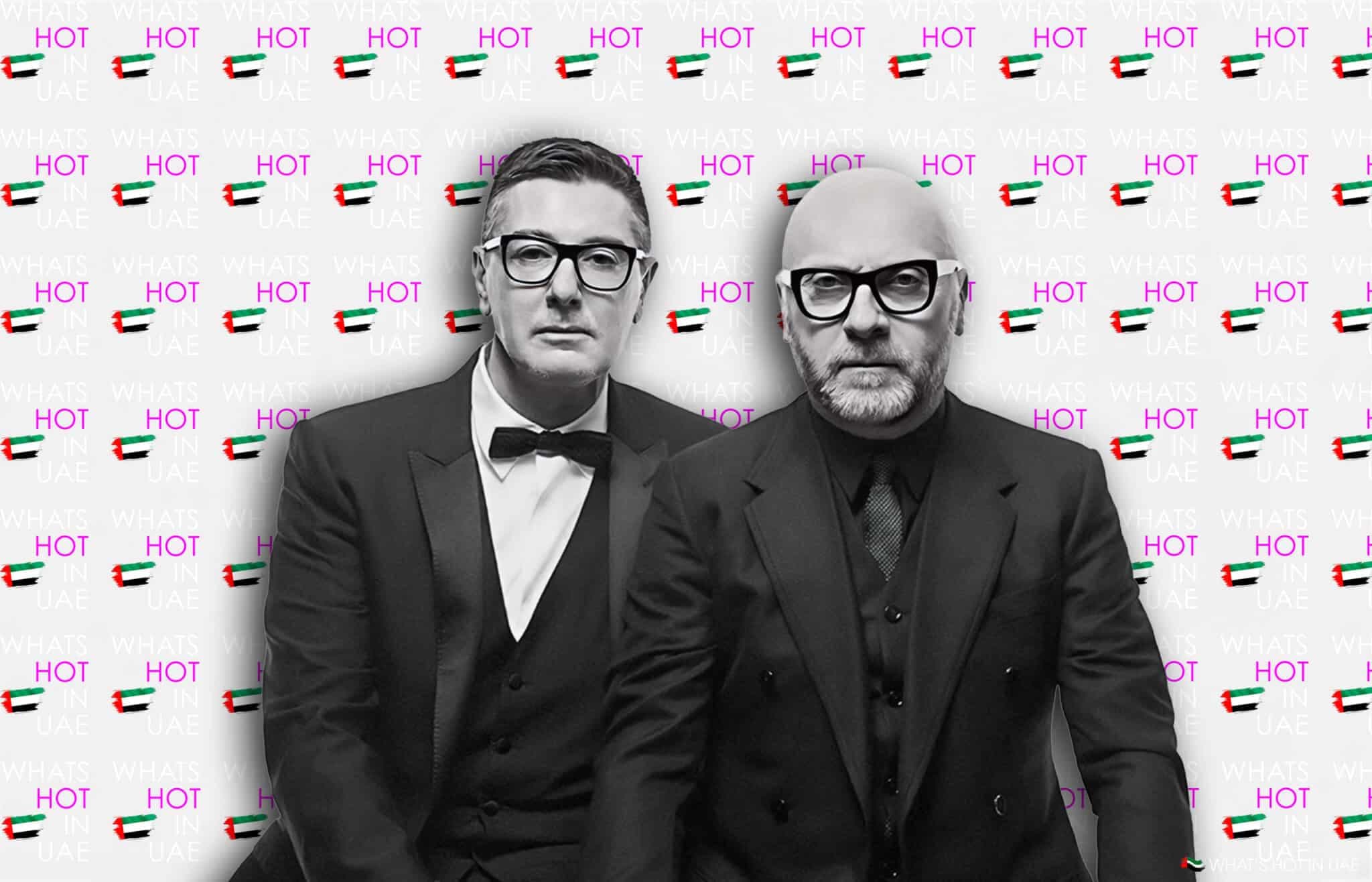
Dolce & Gabbana is an Italian luxury house founded by designers Domenico Dolce and Stefano Gabbana, whose first runway collection appeared in Milan in 1985. Its history is not a neat rise from small studio to global fame. The same brand that made Sicilian black lace, corsetry and leopard print instantly recognisable has repeatedly damaged its own reputation through provocative advertising and public statements.
The important new chapter is corporate, not creative. In April 2026, the company confirmed that Stefano Gabbana had left his board and chairman roles with effect from 1 January, while continuing his creative work. Alfonso Dolce, the brother of Domenico Dolce, became chairman. That distinction matters: reports that Stefano “left Dolce & Gabbana” overstate what happened.
Last fact-checked: 29 July 2026. This is an independent history based on company records, museum collections and established news reporting; it is not sponsored by Dolce & Gabbana.
Dolce & Gabbana in one minute
| Question | Verified answer |
|---|---|
| Who founded Dolce & Gabbana? | Domenico Dolce and Stefano Gabbana. |
| When and where did it begin? | The label presented its first collection in Milan in 1985. |
| What is it known for? | Sicilian references, black lace, corsetry, lingerie-inspired dresses, leopard print and sharply cut tailoring. |
| What happened to the D&G line? | Its final runway show took place in 2011 and the diffusion line was folded into the main Dolce & Gabbana brand from 2012. |
| Are the founders still involved? | Yes. Both remain the house’s creative leaders. Stefano Gabbana left his corporate chairman and board roles from January 2026 but retained his creative role. |
| Who is chairman now? | Alfonso Dolce, Domenico Dolce’s brother, according to the company’s April 2026 announcement. |
| Does it have UAE boutiques? | Yes. The official locator lists boutiques and authorised spaces in Dubai and Abu Dhabi; locations and hours should be checked before travelling. |
What changed at Dolce & Gabbana in 2026?
Stefano Gabbana ceased to be chairman and resigned from the boards of the holding company, the trademarks company and the operating company, effective 1 January 2026. Alfonso Dolce took the chair. The company said Stefano’s creative activities were unaffected, so this was a governance change rather than a designer departure.
The announcement arrived while the business was seeking new financing. The Associated Press reported, citing Bloomberg, that lenders were looking for as much as €150 million in new funding as part of a wider refinancing and that Stefano Gabbana was considering options for his 40% holding. Those were reported financing and shareholder discussions, not confirmation that the company had been sold. As of the announcement, Dolce & Gabbana remained family-owned.
This is the most useful way to read the 2026 change: creative continuity, a new corporate chair and unresolved questions about capital. Any account that simply says “Stefano Gabbana quit” misses the central facts.
Dolce & Gabbana history: the essential timeline
| Year | What happened | Why it matters |
|---|---|---|
| Early 1980s | Dolce and Gabbana met while working in Milan and later opened a design consultancy. | The partnership began before the label carried their names. |
| 1985 | They showed their first collection in Milan as part of a new-talent presentation. | This is the recognised start of the fashion house. |
| Early 1990s | The house began its long creative relationship with Madonna. | Celebrity dressing helped move its Sicilian visual language into global pop culture. |
| 2011–2012 | The final D&G runway show was held in September 2011; the younger diffusion line was then integrated into the main label. | One brand identity replaced a confusing two-line structure. |
| 2007 | A controversial advertisement was withdrawn worldwide after criticism that it appeared to depict violence against a woman. | It established a pattern in which provocation became a reputational liability. |
| 2015 | Comments by the designers about IVF and families with same-sex parents prompted an international backlash and boycott calls. | The dispute moved beyond fashion imagery into questions about family and identity. |
| 2018 | China-facing promotional videos and an Instagram dispute triggered outrage; a Shanghai show was cancelled and the founders issued an apology. | It became the brand’s most consequential cultural-insensitivity crisis. |
| 2025 | Dolce & Gabbana opened its first standalone beauty boutique in Dubai Mall. | Dubai became a visible part of the house’s beauty expansion. |
| 2026 | Stefano Gabbana left his chairman and board roles; Alfonso Dolce became chairman. | Corporate control changed while the founding creative partnership continued. |
The 1985 starting point is supported by both Encyclopaedia Britannica and The Metropolitan Museum of Art. The brand’s own milestones archive is useful for launches and collaborations, but an independent history also has to document the controversies the company would not foreground.
How the Dolce & Gabbana look was built
Domenico Dolce grew up in Sicily in a family connected to clothing manufacture; Stefano Gabbana was raised in northern Italy and trained in graphic design. The creative tension between those backgrounds became the product: southern Italian memory translated through a bold, highly controlled image system.
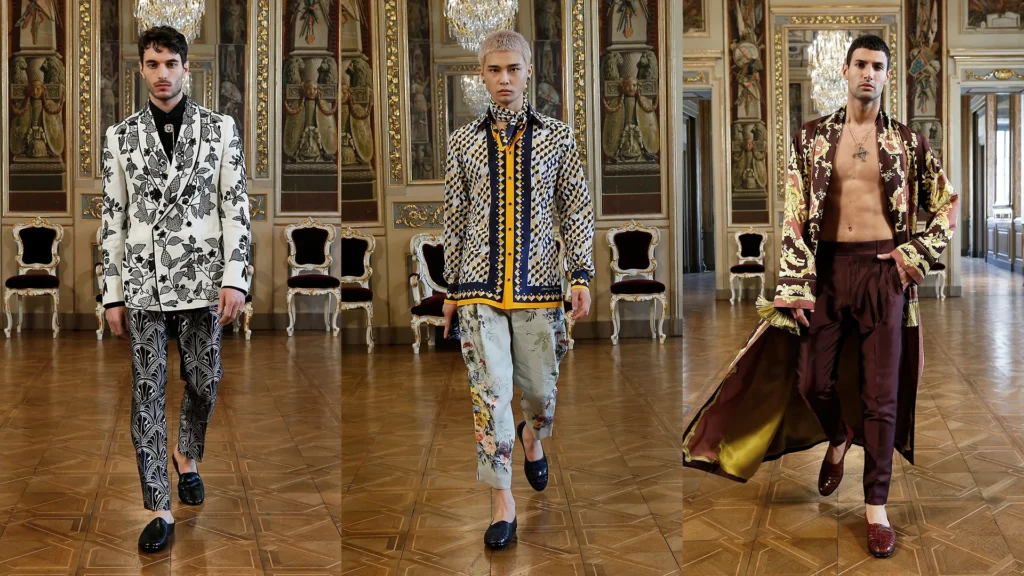
The house did not invent black lace, corsets or leopard print. Its achievement was to combine them so consistently that they became brand codes. The Met describes its work through Sicilian imagery, widow’s black, lingerie construction and an overtly sensual silhouette. That formula could move from a fitted black dress to menswear tailoring, accessories, fragrance and stage costume without losing its identity.
Madonna accelerated that recognition. The relationship began in the early 1990s and continues: in 2026, the company again placed her at the centre of its fashion communication. The useful historical point is not simply that celebrities wore the brand. It is that Dolce & Gabbana learned early how music, costume and image-making could make a runway vocabulary legible to a mass audience.
D&G versus Dolce & Gabbana: what was the difference?
Dolce & Gabbana was the main luxury line. D&G was the younger, more casual diffusion label, with denim, logo-led pieces and lower entry prices. They were related but not interchangeable.
The distinction ended after the spring/summer 2012 season. Following the final D&G show in September 2011, the designers folded the diffusion business into the main line. British Vogue reported the confirmed closure at the time. Vintage listings still use both names, which is why shoppers continue to encounter the old D&G label.
The controversies that changed how the brand is seen
The 2007 advertisement
A campaign image showed a man pinning a woman down while other men watched. Critics said it appeared to glamourise sexual violence. Dolce & Gabbana initially defended the image but later withdrew the advertisement worldwide, according to contemporary reporting carried by FashionNetwork. The dispute demonstrated the limit of treating every objection as a failure to understand provocation.
The 2015 IVF and family comments
In a magazine interview, the designers criticised IVF and used language about children conceived through fertility treatment that drew condemnation from parents, medical advocates and celebrities. Elton John called for a boycott. The backlash was not an abstract argument about taste: people heard their families and children being described as less legitimate. Reuters documented the dispute and responses at the time.
The 2018 China crisis
Promotional videos for a Shanghai event showed a Chinese model struggling to eat Italian food with chopsticks while a voiceover used belittling language. They were widely criticised as racist and stereotyped. The crisis deepened when insulting messages appeared on Stefano Gabbana’s Instagram account; he and the company said the accounts had been hacked.
The Shanghai show was called off, products disappeared from major Chinese ecommerce platforms and the founders published an apology video. TIME’s contemporary account separates the verified sequence from the disputed authorship of the messages. That distinction is important: the videos were company-produced; the founders disputed responsibility for the leaked Instagram exchange.
What the controversies changed — and what they did not
It would be easy to force the story into one of two false conclusions: that the crises destroyed Dolce & Gabbana, or that continued sales made them irrelevant. Neither is supported by the evidence available here. The brand retained global visibility, expanded into beauty and continued dressing major performers. At the same time, the 2018 episode remains central to how its cultural judgement is assessed.
The deeper legacy is a contradiction. Dolce & Gabbana built one of fashion’s clearest identities by refusing to dilute its point of view. That same confidence repeatedly hardened into communication that failed to recognise how an image or statement would land outside the founders’ own frame of reference. Creative distinctiveness and cultural judgement are not the same skill.
Dolce & Gabbana in the UAE
The UAE is not just a place where the label is stocked. The official boutique network currently includes locations and authorised spaces in both emirates. Use the live Dolce & Gabbana Dubai locator or Abu Dhabi locator before visiting, because store status, departments and opening hours can change.
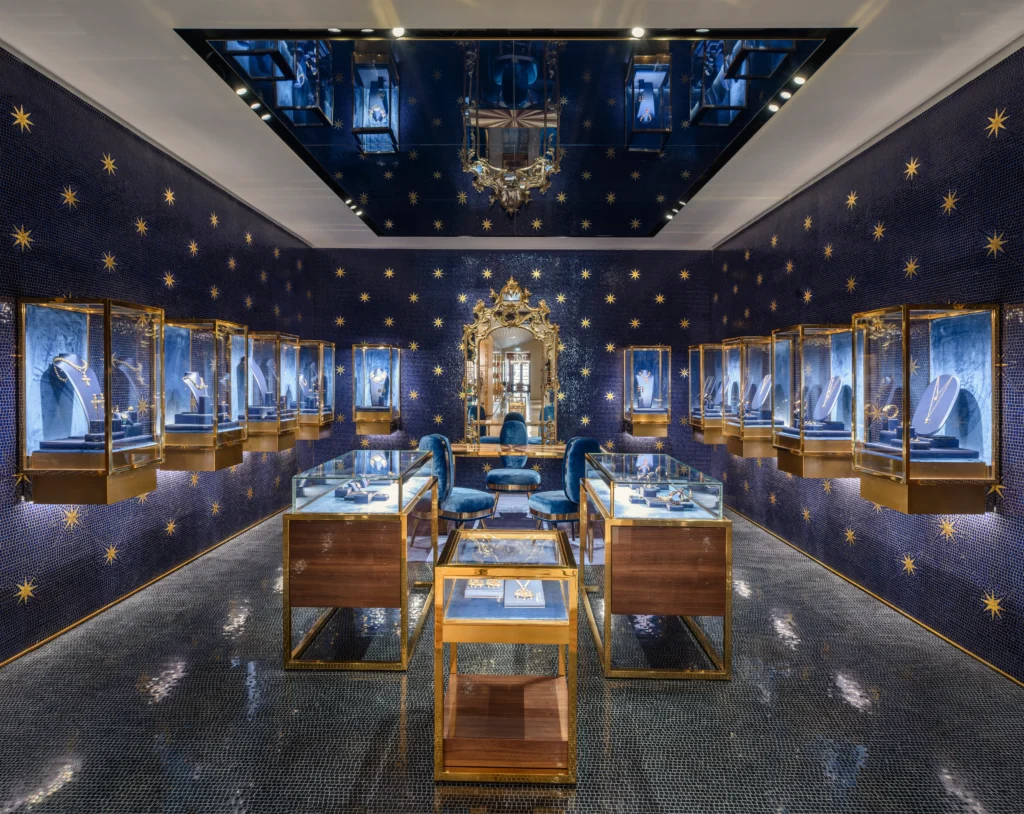
Dubai also became part of the house’s beauty strategy. In 2025, it opened what the company described as its first standalone Dolce & Gabbana beauty boutique in Dubai Mall. That is more significant than a generic perfume counter: it places fragrance and cosmetics inside a dedicated brand environment.
Are Domenico Dolce and Stefano Gabbana still together?
They are no longer a romantic couple, but they remain creative and business partners. That is different from being equally involved in corporate governance: Stefano Gabbana’s 2026 resignation removed him from formal board and chairman roles, while both founders continued directing the collections.
Why the history still matters in 2026
Dolce & Gabbana’s place in fashion history rests on more than longevity. Few houses have maintained such an immediately readable set of codes under the same two designers for four decades. Its archive connects runway fashion, celebrity image-making, menswear, couture-level craft, accessories and beauty without making the authorship hard to recognise.
But a credible assessment cannot turn survival into absolution. The brand’s most damaging episodes were not rumours added by critics; they arose from published campaigns, recorded comments and company responses. The fairest conclusion is therefore also the least convenient: Dolce & Gabbana is both a highly influential creative partnership and a case study in how repeated failures of cultural judgement become part of a luxury house’s permanent record.
How this guide was checked: Founding and design history were cross-checked against The Met, Britannica and the company’s dated archive. Controversies were verified against contemporary reporting, with disputed claims identified as disputed. Current leadership and ownership wording reflects the April 2026 announcement and reporting available on 29 July 2026. UAE retail information links to the official live locator rather than reproducing changeable opening hours.