Dr Dre’s reported year-or-two break follows two unfinished projects. Separate his plan from retirement claims, a release calendar and the podcast’s AI debate.
Key Takeaways
- Dr Dre plans to take a break from music production for up to two years to seek creative space.
- He will complete two in-progress projects, including one with rapper Marqus Clae, before his hiatus.
- Dre aims to clear his mind for new creative pursuits after four decades in the industry.
- He expresses excitement about the integration of AI in music, viewing it as a new tool for creativity.
- Dre contrasts his views with Ice Cube, who is concerned about AI’s impact on the creative process.
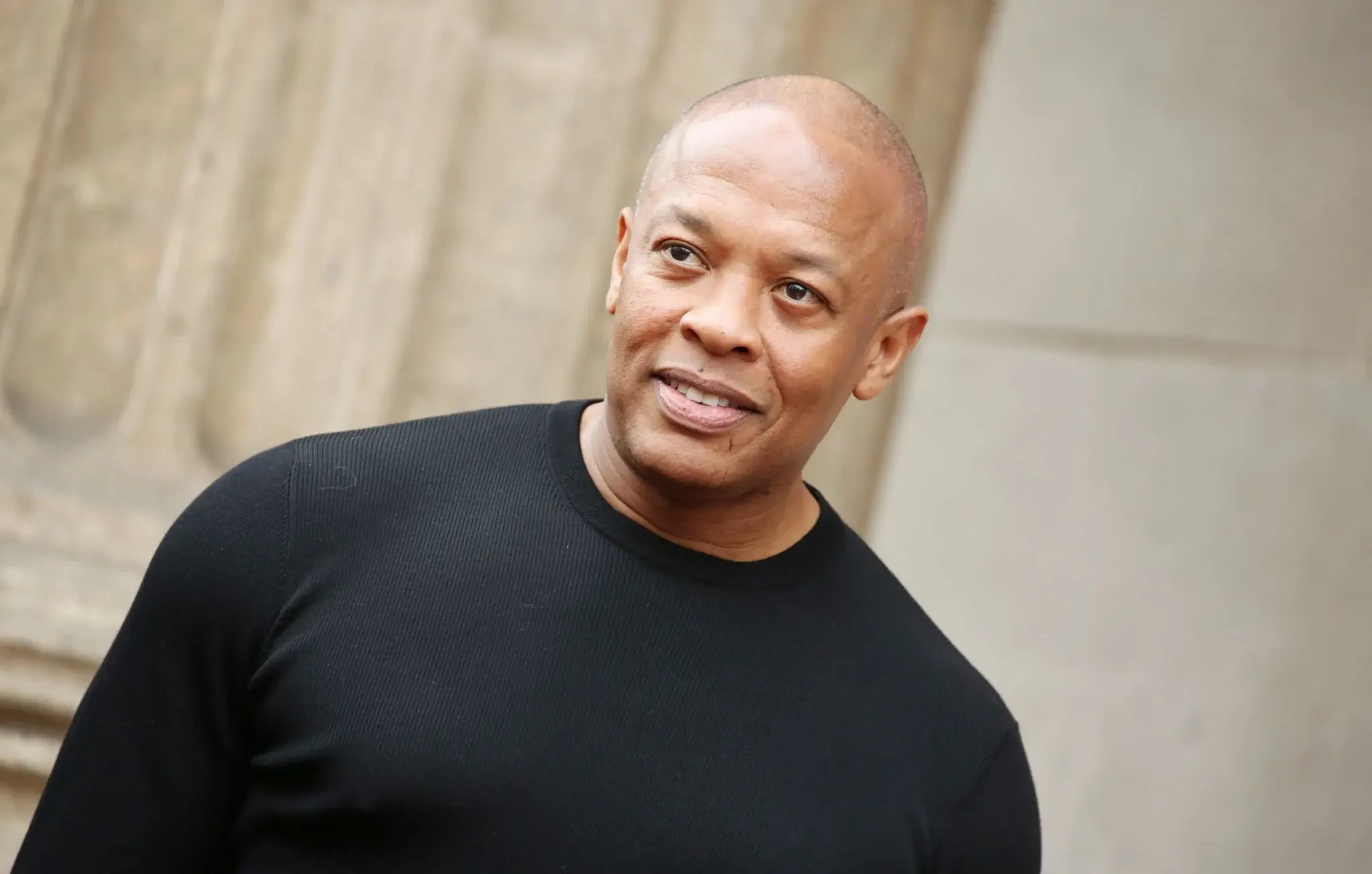
Dr Dre says he plans a temporary break after completing two projects, rather than announcing retirement or an immediate shutdown of his studio. The comments come from the 6 November debut of Listen & Laugh with Ice Cube and Mike Epps. The reported intention is a year or two away; a fixed start date and release dates for the projects are not established.
A planned break, not a retirement announcement
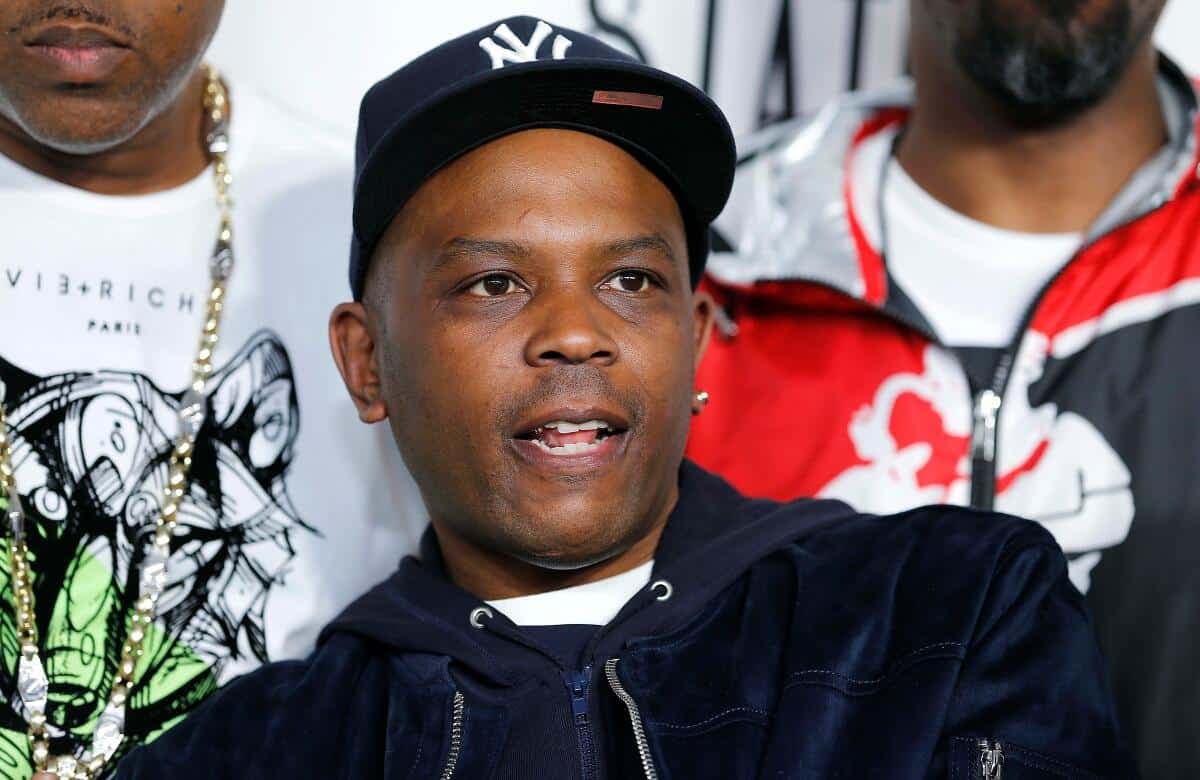
The original episode is the source of the discussion, while Rolling Stone Canada’s 10 November report corroborates the two-project plan and names Houston rapper Marqus Clae. Calling it a plan matters: the reporting does not confirm that the break has already begun.
This move marks a departure from his long-standing professional routine. For a figure whose career has been defined by constant studio presence—spanning from the N.W.A. era to his work with modern icons like Kendrick Lamar—the decision to disconnect is a calculated shift rather than a sudden exit.
What to expect before the hiatus begins
The reported sequence is to finish two projects, including one with Marqus Clae, before stepping away. That is not a promise of two imminent public releases. “Projects” should not be narrowed to two individual tracks without a release announcement.
No confirmed release calendar for those projects is provided here. A planned hiatus does not establish a final album, a farewell tour or the end of Dre’s production career; readers should separate those assumptions from what he said about taking time away.
Why now? Seeking creative space after 41 years
The motivation behind the break is rooted in the need for mental and creative recalibration. Dre explained that the relentless nature of music production often leaves little room for anything else, noting that the craft “constantly consumes” his thoughts.
“For the first time in my adult career, I’m going to take a break from that,” Dre stated. He expressed a desire to create a void in his professional life to see what might fill it, suggesting that the break is intended to make room for a different kind of creative passion. He questioned whether there might be “something else waiting” that could provide the same level of inspiration he felt when he first discovered music.
The AI debate: Dre’s vision for the future
The same conversation covers AI. MusicRadar’s 10 November account reports Dre’s enthusiasm and Ice Cube’s objections. Their discussion is a statement of creative views, not a new licensing agreement or permission for anyone to copy an artist’s voice.
Dre’s perspective is built on a model of controlled creativity. He proposed a future where artists could essentially license their digital likeness, suggesting that an artist could be paid to allow an AI version of their image and voice to be used, provided they maintain the right to approve the output. He argued that this represents a “whole new level of creativity” and warned that those resistant to the technology might be left behind.
Ice Cube questioned the difference between creative sampling and prompting AI to imitate an existing work. Dre defended experimentation. That disagreement should not be reduced to an unsupported quotation about computers taking total control, or presented as either artist granting a blanket right to use their identity.