If you’re flying with Emirates, chances are you’re passing through Dubai International Airport’s Terminal 3, one of the largest airport terminals in the world and the beating heart of Emirates’ global hub. Whether you’re transiting for a couple of hours or starting your journey from Dubai, here’s a practical guide to getting through Terminal 3…
Key Takeaways
- Terminal 3 is Emirates’ main hub at Dubai Airport, featuring multiple concourses and extensive passenger facilities.
- Travelers can enjoy lounges, shopping, dining, and resting areas, making long layovers more comfortable.
- The terminal is well-connected to Dubai via Metro, taxis, and ride-hailing apps, providing several transport options.
- Allow extra time for connections and check which concourse your flight departs from to navigate efficiently.
- For a smooth transit experience, consider early check-in and explore transit hotel options for long layovers.
If you’re flying with Emirates, chances are you’re passing through Dubai International Airport’s Terminal 3, one of the largest airport terminals in the world and the beating heart of Emirates’ global hub. Whether you’re transiting for a couple of hours or starting your journey from Dubai, here’s a practical guide to getting through Terminal 3 smoothly.
What is Terminal 3?
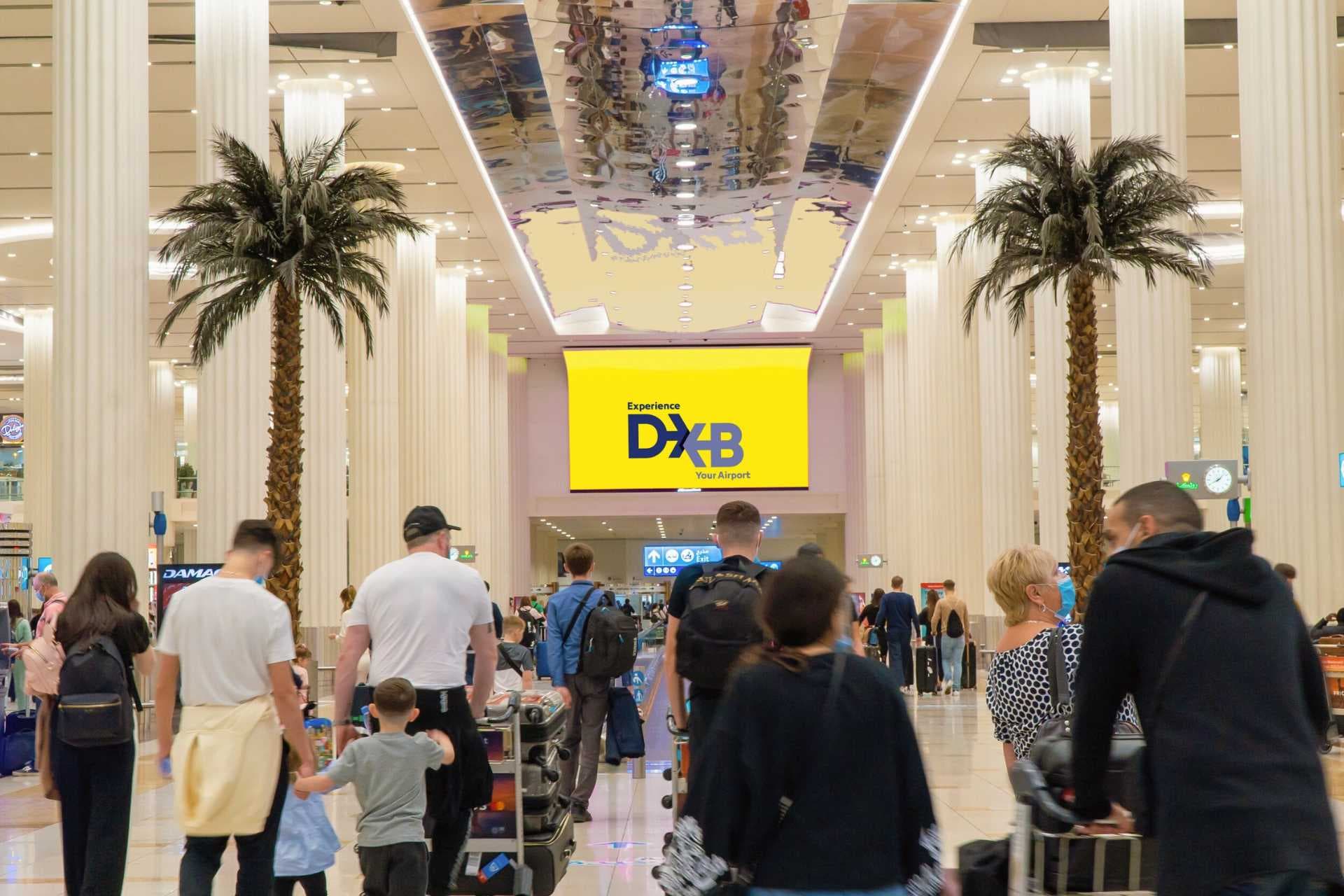
Terminal 3 at Dubai International Airport (DXB) is the dedicated home of Emirates and its Skywards loyalty programme, along with some Qantas flights operated in partnership with Emirates. It’s a genuinely massive facility, split across multiple concourses (A, B and the dedicated Concourse D for some Emirates operations, alongside Concourse A which houses the Airbus A380 fleet), and handles the bulk of Emirates’ enormous long-haul and regional network. Given its size and passenger volumes, it’s consistently ranked among the busiest terminals on the planet, so a bit of planning goes a long way.
Facilities at Terminal 3
Terminal 3 is built for long layovers as much as quick transits, with facilities that go well beyond your average airport terminal.
- Lounges: Emirates operates several of its own branded lounges across the terminal, generally available to First and Business Class passengers and eligible Skywards tiers, offering dining, showers and rest areas. Priority Pass and other lounge-access programmes may also have partner lounges here, check your specific membership for current access.
- Shopping: an extensive retail offering including Dubai Duty Free, which is one of the largest airport retail operations in the world, covering everything from perfumes and electronics to fashion and gold.
- Dining: a wide range of cafes, fast food and sit-down restaurants spread across the concourses, catering to pretty much every craving and budget at most hours of the day.
- Rest and comfort options: sleeping pods, quiet zones and hotel-style transit facilities are available in parts of the terminal for passengers with long layovers, alongside dedicated family and children’s play areas.
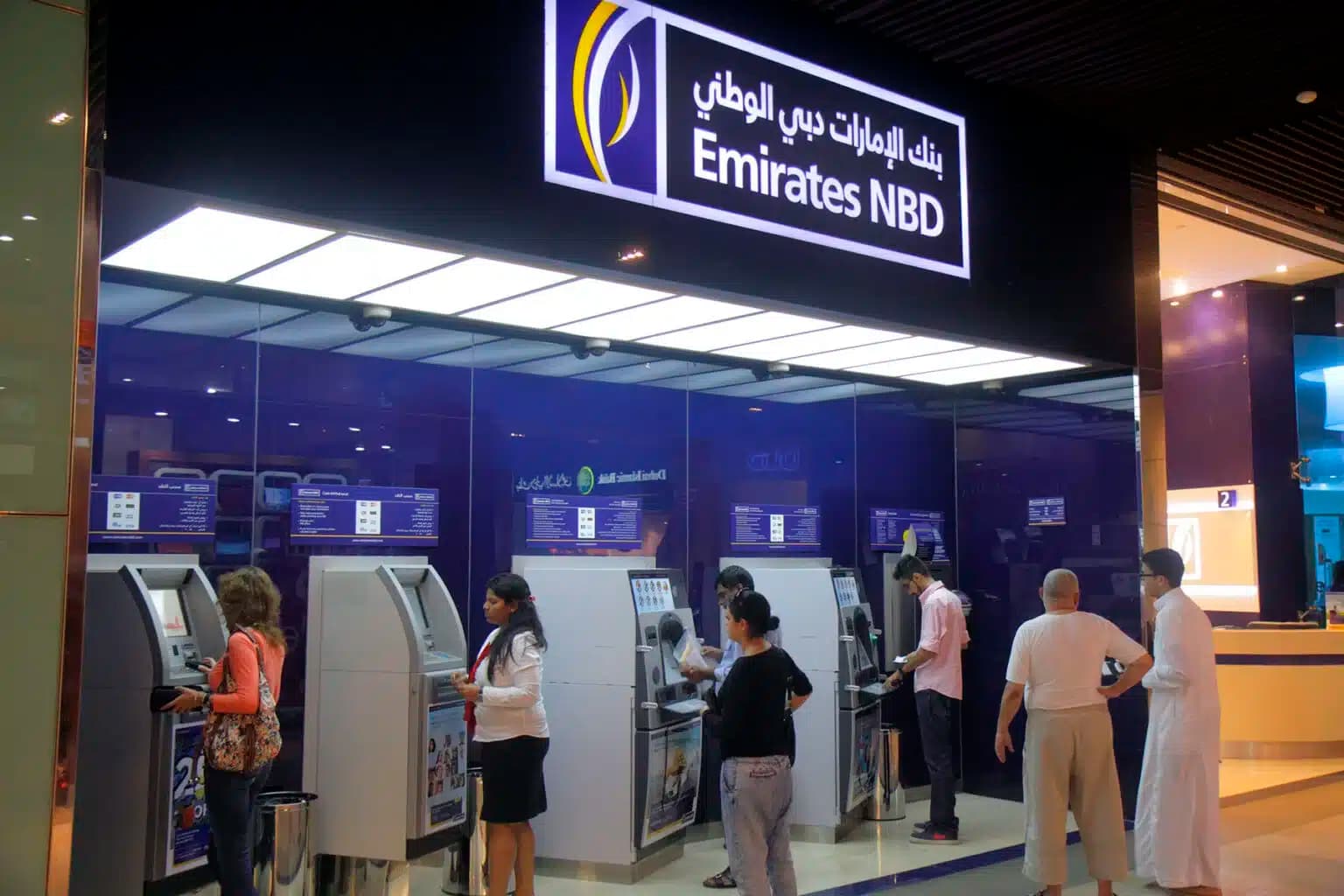
- Currency exchange and banking: ATMs and currency exchange counters are dotted throughout, handy for picking up dirhams or offloading leftover currency before you fly.
Getting to and from Terminal 3
Terminal 3 is well connected to the rest of Dubai, with several transport options depending on your budget and how much luggage you’re hauling.
- Dubai Metro: the Red Line has a dedicated Terminal 3 station, making it one of the cheapest and often most predictable ways to reach the terminal, particularly during peak traffic hours. It connects directly into the wider Metro network covering Downtown, Marina and beyond.
- Taxis: readily available right outside the arrivals and departures halls, a straightforward door-to-door option, especially with heavy luggage.
- Ride-hailing apps: widely used in Dubai and generally have designated pickup points at the terminal; check the app for the current pickup zone, as these can shift.
- Hotel and private transfers: many hotels offer airport transfer services, which can be worth arranging in advance, particularly for late-night or early-morning flights.
Tips for a smooth transit
- Allow extra time for connections. Terminal 3 is enormous, and depending on your arrival and departure gates, you may need to walk considerable distances or take an internal train between concourses, don’t cut connection times too fine.
- Check your concourse in advance. Emirates’ A380 fleet typically operates from Concourse A, while other aircraft types use different concourses, knowing which one you need helps you navigate faster on arrival.
- Download the Emirates app or DXB’s official app for real-time flight, gate and baggage information, which can save a lot of guesswork once you land.
- Factor in immigration and security queues, which can vary significantly depending on time of day and how many wide-body aircraft have landed at once.
- If you have a long layover, look into airport transit hotels or lounge day-pass options rather than just camping out at a gate for eight hours.
Check-in advice
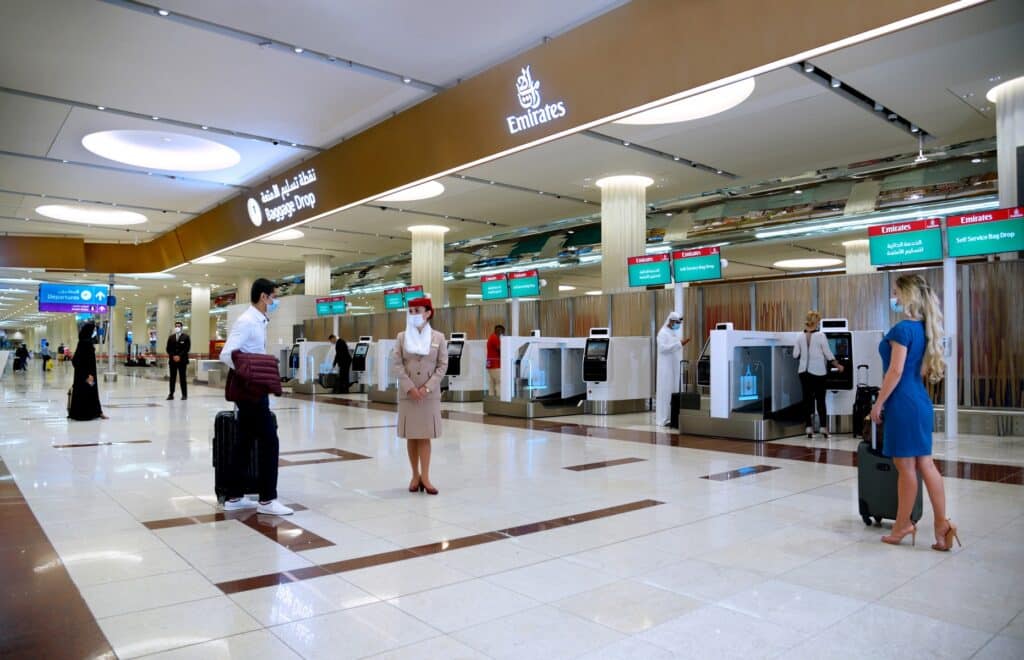
For departures, Emirates generally recommends arriving well ahead of your flight given the terminal’s size and passenger volumes, online check-in and printing bag tags at home (or using self-service kiosks) can shave meaningful time off the process. If you’re checking bags, allow extra buffer during peak departure banks, typically in the late evening and early morning when multiple long-haul flights depart in close succession. Business and First Class passengers, along with certain Skywards tiers, usually have access to dedicated check-in counters and fast-track security and immigration lanes, which can make a real difference during busy periods.
Frequently Asked Questions
Which airlines fly from Terminal 3 at Dubai Airport?
Terminal 3 is primarily used by Emirates, along with certain Qantas flights operated in partnership with Emirates under their alliance arrangement.
How do I get from Terminal 3 to Dubai Marina or Downtown?
The Dubai Metro Red Line has a dedicated Terminal 3 station connecting directly to Downtown, Marina and other key areas, and is often the fastest option during heavy traffic. Taxis and ride-hailing apps are also widely available for a more direct door-to-door journey.
How early should I arrive at Terminal 3 before my flight?
Given the terminal’s size and passenger volumes, arriving with generous buffer time is wise, particularly during peak departure periods. Checking Emirates’ current recommended arrival window for your specific route and class of travel is the best way to plan precisely.
Are there sleeping areas or rest facilities for long layovers at Terminal 3?
Yes, the terminal has rest and comfort options including sleeping pods and quiet zones in parts of the building, alongside lounges for eligible passengers, making it reasonably comfortable for longer transit waits.
Arriving into Terminal 3
If you’re landing at Terminal 3 rather than departing, the same “give yourself time” advice applies, particularly around immigration. Dubai has invested heavily in smart gates and e-gate technology for eligible passport holders and residents, which can significantly cut queueing time compared with manned counters, it’s worth checking your eligibility before you travel. Baggage reclaim can take a while during busy arrival banks simply due to the sheer number of wide-body aircraft (many of them double-decker A380s) unloading at similar times, so it’s not unusual to wait a little longer than you would at a smaller airport.
Once you’re through, Terminal 3 connects straight into the arrivals hall with taxis, the Metro station, and car rental desks all within reasonable walking distance, so onward travel is generally straightforward even with luggage in tow.
Connecting flights at Terminal 3
Because Terminal 3 functions as Emirates’ primary global hub, a huge proportion of passengers are simply connecting through rather than starting or ending their journey in Dubai. If you’re on a connecting itinerary booked as a single ticket, your bags are usually checked through to your final destination, which saves you a reclaim-and-recheck cycle. Just double-check your connection time against the minimum connection time for your specific route, especially if you’re switching concourses, since a tight layover combined with a long walk (or an extra security screening) can occasionally be cutting it closer than the booking system suggests.