Explore how the GCC is redefining global gaming culture through massive investments, the Esports World Cup, and Abu Dhabi’s upcoming $1bn Esports Island.
Key Takeaways
- The Gulf is emerging as a global esports powerhouse, driven by significant investments and major events like the Esports World Cup.
- EWC 2026 saw a record prize pool of AED 275 million and 850 million viewers, showcasing the region’s growing popularity in gaming.
- GCC gaming culture is unique due to a young, engaged demographic and higher female participation rates in competitive gaming.
- Saudi Arabia aims to diversify its economy with gaming, targeting job creation under Vision 2030 through initiatives like the National Gaming and Esports Strategy.
- The UAE is investing in infrastructure projects like ‘Esports Island’ to establish a permanent hub for professional gaming and competition.
The Gulf is moving from a consumer market to being a genuine global leader in competitive gaming. Strategic investments and high-profile events like the Esports World Cup are setting new benchmarks for prize pools, viewership, and professional organisations.
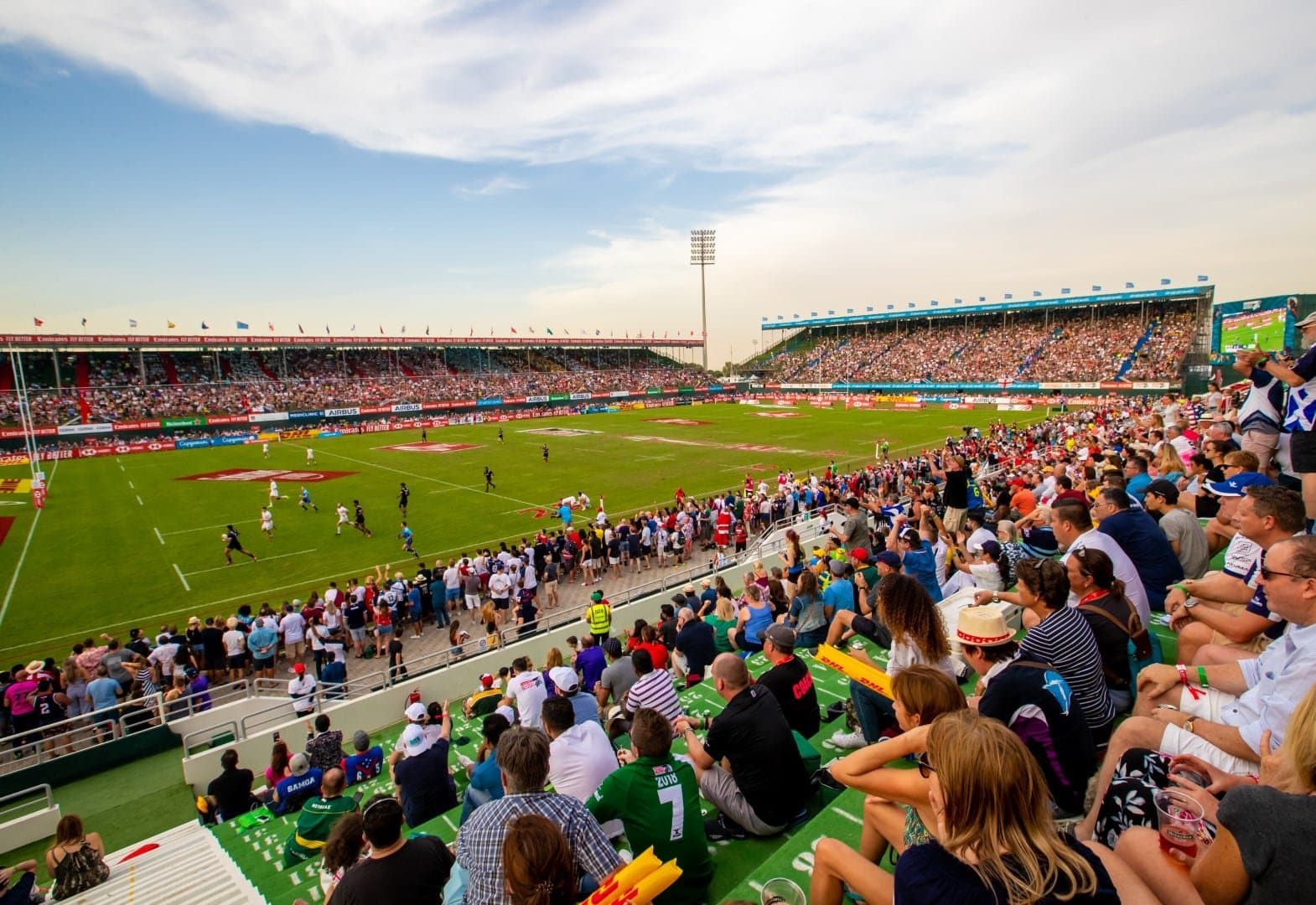
Tens of thousands of fans packed the Accor Arena in Paris on 23 August for the Esports World Cup (EWC) finals. The energy resembled a rock concert or a wrestling match. People waved flags and shouted. It was loud and intense.
Travel disruptions caused by the Iran War forced the event to move from the Gulf to France. The Esports Foundation paid the French government AED 1.06 billion ($290 million) to organise the event locally. Despite the move, the scale was massive. EWC 2026 pulled in 850 million global viewers, a 13 per cent increase over 2025.
Ticket demand in Paris surged by 94 per cent compared to the previous year. Organisers moved the Counter-Strike finals from the Paris Expo Porte de Versailles to the 20,000-seat Accor Arena to fit the crowd. The appetite for this is no longer niche.
The stakes were high. EWC 2026 featured an AED 275 million ($75 million) total prize pool, the largest ever distributed in gaming, spread across 25 tournaments and 24 game titles. China-based team AG.AL took the AED 25.7 million ($7 million) top prize, denying Saudi Arabia’s Team Falcons a third consecutive title. The victory at the Grand Palais was witnessed by French President Emmanuel Macron, Saudi Crown Prince Mohammed Bin Salman, and Cristiano Ronaldo, who has been EWC’s global brand ambassador since the previous edition.
Saudi Arabia has shifted over AED 139 billion ($38 billion) into the industry via the Public Investment Fund (PIF) and its gaming arm, Savvy Games Group, buying the infrastructure and talent to make the region a genuine centre of the gaming world. That investment has helped organisations like Team Falcons and Twisted Minds grow into the most-followed names in MENA gaming and esports.
Why the GCC gaming market is unique
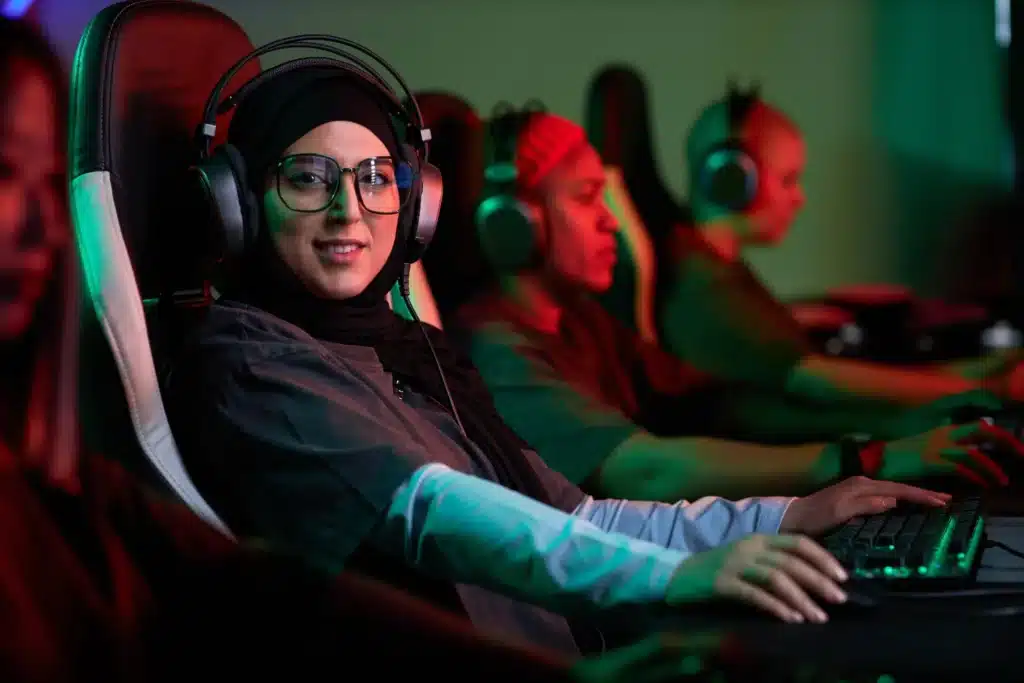
The region has a highly engaged, young demographic. Unlike many Western markets, the GCC shows higher participation rates among women in competitive gaming. The population has integrated gaming into its social fabric for decades.
The gender gap is smaller here. Mike McCabe, COO at the Esports Foundation, noted that 20 per cent of Saudi gamers are women. In other global markets, that figure is usually around 5 per cent.
Demographics drive this growth. According to Saudi GASTAT, 71 per cent of Saudi nationals are under 35. Between 67 per cent and 75 per cent of the Saudi population identify as gamers.
The environment plays a part. The summer heat in the Gulf is oppressive, making outdoor activities impossible for months every year. Gaming became the default social activity. People played at home with friends and family.
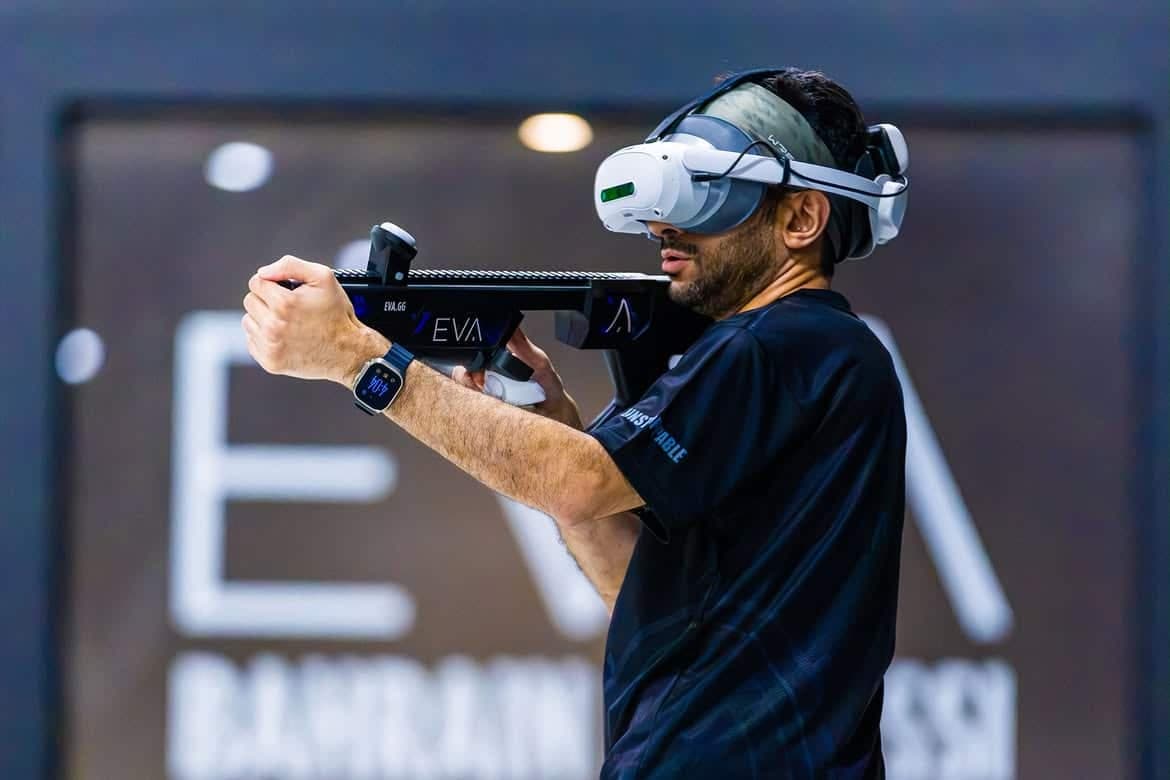
This interest has evolved into professional ambition. Muhanad Alrefaei, known as Hencheman, plays for Al Ahli Esports. He treats it like a professional sport, reviewing gameplay and managing his physical fitness to stay sharp for tournaments.
GCC Gaming Culture Economic strategy and Vision 2030
Gaming is a cornerstone of regional economic diversification. Through initiatives like Saudi Arabia’s National Gaming and Esports Strategy, the goal is to transition away from oil dependency by creating jobs and adding value to the national GDP.
Money flows through the PIF and its gaming arm, Savvy Games Group. The Saudi National Gaming and Esports Strategy is designed to turn a hobby into a primary economic driver.
The target is to create tens of thousands of new jobs by 2030. The industry needs developers, event managers, broadcasters, and engineers to build a full-stack sector that contributes to the GDP.
When the highest levels of government, including the Crown Prince, are gamers, regulatory and financial pathways open quickly. This advocacy has allowed teams like Falcons and Twisted Minds to scale into world-class organisations.
Gaming infrastructure in the UAE: The Esports Island
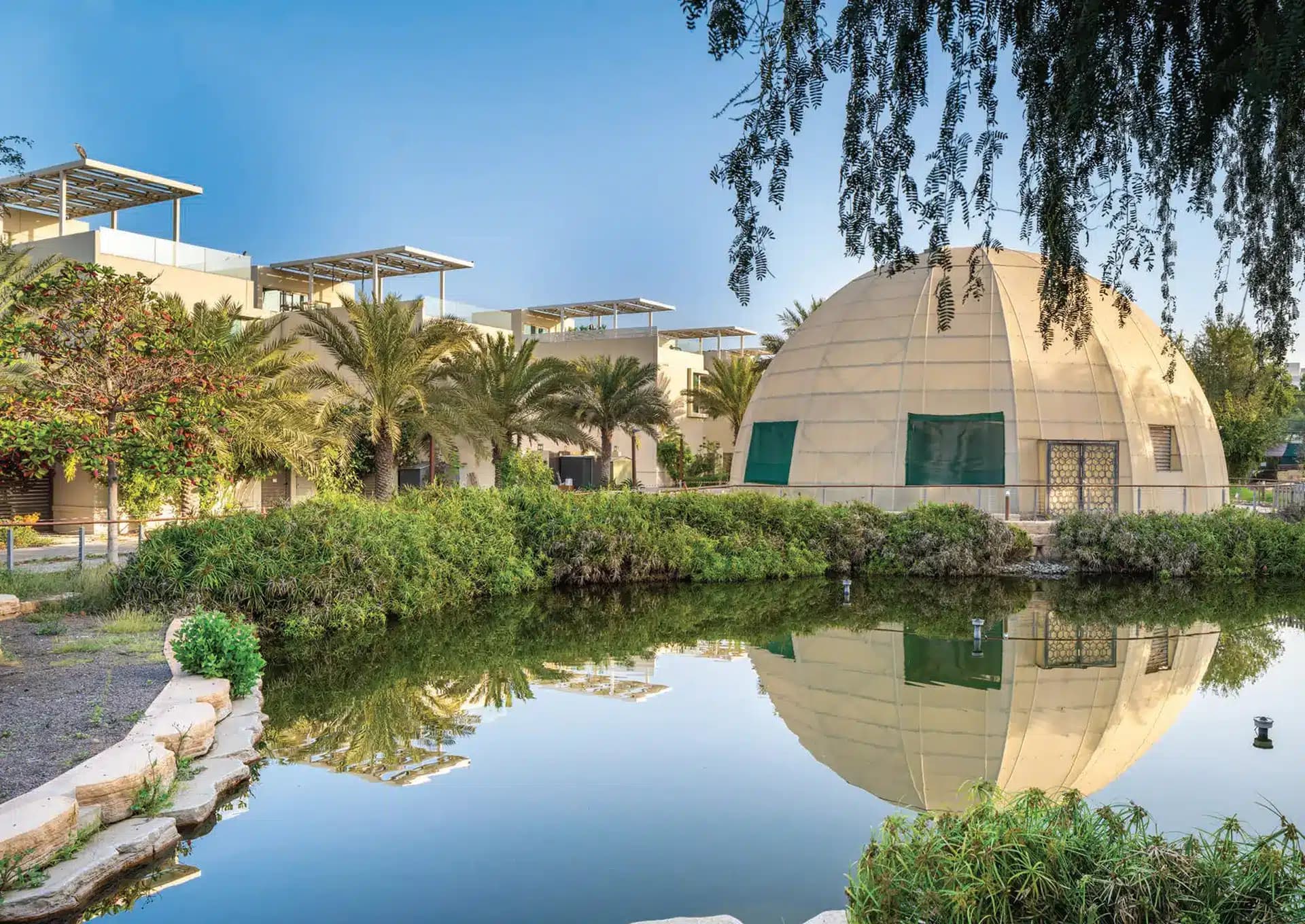
The UAE is matching regional momentum with infrastructure projects. Abu Dhabi is developing the world’s first ‘Esports Island’, a hub designed to host professional training, accommodation, and competition arenas.
Abu Dhabi is focusing on the physical destination. The Esports Island project has an initial investment of AED 1.03 billion ($280 million), led by developer True Gamers, with the total projected value of the development at around AED 3.7 billion ($1 billion).
The plan is to create a luxury ecosystem. The island will feature gaming hotels and professional training facilities. It is designed to be a permanent home for the global gaming elite.
By building venues and hospitality, the UAE is positioning itself as the logistical hub of the industry. While others fund the teams, Abu Dhabi is building the stadium.
The Gulf is building the stadium, setting the rules, and funding the future of global entertainment.
Follow What’s Hot in UAE for updates on regional business and tech shifts.