George Clooney’s screen-kissing comments explained: the December 2025 interview, his Paul Newman comparison and the Ticket to Paradise connection.
George Clooney is leaving the screen kisses to someone else. In December 2025, the actor described moving away from romantic leads and named Paul Newman as his model for the next chapter. For a star so closely associated with easy charm, that is a more interesting twist than another red-carpet romance headline.
The attraction of the story is the change in casting: what does a leading man become when he stops chasing the same kind of role? Clooney’s comments put age and the years ahead at the centre of that question, with Amal part of the conversation he recalled.
What Clooney actually said
Us Weekly’s report of 15 December 2025 says Clooney discussed the decision in a Daily Mail interview. He compared his direction with Newman’s and recalled talking with Amal when he turned 60 about making the most of the time ahead.
The important distinction is who is describing the choice: Clooney speaks about his own career. The published account supplies no direct instruction from Amal banning screen kisses. The story is a leading man reassessing the roles he wants, rather than a wife dictating his scripts.
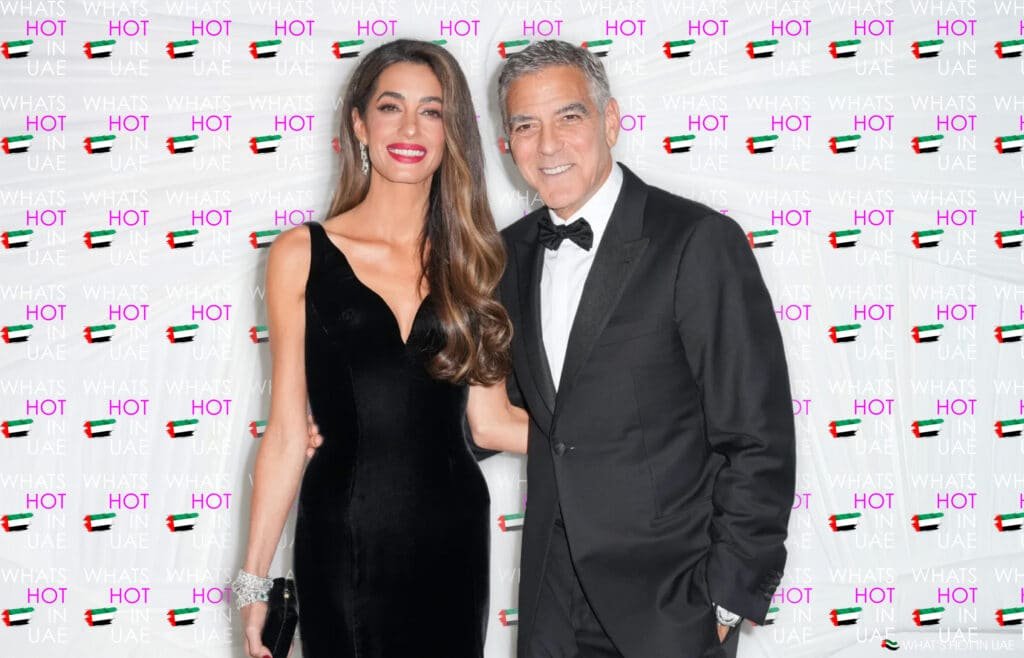
The Ticket to Paradise connection
PEOPLE’s December 2025 account places the comments alongside Ticket to Paradise, the 2022 romantic comedy with Julia Roberts. It also recalls the pair joking during its promotion about repeated takes of their kiss.
That anecdote belongs to the film’s publicity. The later interview belongs to Clooney’s view of his career. Read together, they show the contrast between a familiar screen partnership and a star ready to change direction; they do not turn a comic on-set story into the cause of the decision.
What happens to the Hollywood heartthrob?
The appealing part of Clooney’s screen persona has never been a kiss alone. Timing, a raised eyebrow and the confidence to let a scene breathe can carry a performance just as effectively. Taking romantic leads out of the equation leaves plenty for an actor to play with.
For audiences, the question becomes which kind of film makes the best use of that presence. A sharp exchange or an awkward silence can be more revealing than another declaration of love. The change is worth watching through the roles themselves, rather than treating one interview as a retirement notice.
Three romantic films to revisit
These three films, identified in PEOPLE’s career context, offer different entry points into the romantic side of Clooney’s filmography. Choose according to the mood you want rather than treat the list as a ranking:
One Fine Day (1996), with Michelle Pfeiffer: the earliest of these three pairings. Intolerable Cruelty (2003), with Catherine Zeta-Jones: a later comic match. Ticket to Paradise (2022), with Julia Roberts: the most recent of this group, and the one directly connected to the kissing-scene publicity anecdote.
A change of role, rather than a disappearance
The useful way to read his comments is as a casting preference. An actor can step away from one kind of part without giving up the charisma that made those performances work. For viewers, that creates a reason to look forward to a different use of a familiar star.
It also changes the conversation around a new film. Instead of asking whether the romantic chemistry resembles an earlier hit, ask whether the character is interesting enough to command the screen. That is a better test of the next chapter than counting its kissing scenes.

Why he mentioned Paul Newman
Newman is the career reference Clooney chose. The comparison is attractive because it makes room for a leading actor to change shape over time. It is a direction of travel, not a requirement that two filmographies or personal lives follow the same pattern.
Our reading is that the appeal lies in longevity: remaining worth watching without repeating a younger screen identity. That gives the statement a clearer purpose than framing it as an end to every possible romantic story.
Where Amal fits into the account
Clooney recalled discussing age and the future with Amal. A conversation between partners can be part of a decision without making either person the enforcer. His account is the source of the detail; it should stay his account.
Us Weekly dates their marriage to 2014 and their twins’ birth to 2017. Those public milestones provide context for the family references, while keeping the focus on the professional choice he described.
The public timeline
PEOPLE places their introduction in July 2013, followed by a proposal in April 2014 and a wedding that September. The December 2025 interview therefore came more than a decade into their marriage.
That chronology helps explain why the interview discusses the future from a different vantage point. It does not require an elaborate theory about the couple: the actor was reflecting on age, time and the work he wanted to keep doing.
The separate story about arguments
The same coverage also recalls Clooney saying he and Amal had never argued. It is a separate public remark about the relationship, not a contractual condition attached to his film roles.
Keep those two strands separate and both become clearer: one concerns how he describes life with his partner; the other concerns the parts he wants to play. Joining them into a dramatic marital ultimatum adds a plot the interview does not supply.
What makes an older leading actor compelling?
A mature screen character can be funny, flirtatious, difficult or vulnerable without borrowing the exact formula of a younger romantic lead. The interesting opportunity is to write the person as they are now, rather than hide the years that give the performance its texture.
That is an editorial argument about what makes a film worth watching, not a claim that one star’s interview has changed Hollywood policy. The evidence will be in the roles and performances that follow.
Romance has more than one register
A romantic scene can turn on banter, trust or the tension of what remains unsaid. A physical gesture is one device among many. Removing it gives writers and performers another problem to solve, which can be dramatically useful.
Equally, Clooney’s preference need not become a rule for other actors. An older performer choosing a romantic lead can be just as interesting when the character and film support it. The value lies in the specific performance, not a universal age cut-off.
How to read the headline
The concise answer is that Clooney described stepping away from screen kissing and romantic leads in late-2025 coverage. The longer story concerns the kind of leading man he wants to be as he gets older.
For readers looking for the original context, start with the dated reports linked above. Both trace the comments to the Daily Mail interview; PEOPLE gives the original publication date as 12 December, while Us Weekly’s follow-up appeared on 15 December.
The takeaway
Clooney’s charm is not disappearing because the casting brief changes. The more compelling prospect is a star comfortable enough to stop repeating one version of himself and see what else the screen can hold.
His next performances are where that choice becomes interesting for audiences. Until then, the interview is a clear snapshot of his thinking in December 2025, not a verdict on every film he might ever make.
Which of the three romantic pairings would you revisit first: Pfeiffer, Zeta-Jones or Roberts?
Questions answered
Why did George Clooney say he was stepping away from on-screen kissing?
In December 2025 coverage, he discussed ageing, his future and a conversation with Amal, and compared his direction with Paul Newman’s later career.
Did Amal Clooney announce a ban on kissing scenes?
No. The cited reports give George’s account of a conversation; they do not quote Amal imposing a ban.
How old was Clooney in the December 2025 reports?
The reports identify him as 64. His reference to turning 60 was a recollection of an earlier conversation.
Which Julia Roberts film is connected to the kissing-scene anecdote?
Ticket to Paradise, released in 2022. PEOPLE recalls the pair joking about the takes during the film’s promotion.