In the midst of a high-profile international event designed to showcase aviation excellence, tragedy struck. An Indian Tejas Fighter Jet Crash at Dubai Air Show during a demonstration sent shockwaves through the global defense and aviation communities. Initial news reports were fragmented, filled with eyewitness accounts and speculation, leaving many searching for a clear, consolidated…
In the midst of a high-profile international event designed to showcase aviation excellence, tragedy struck. An Indian Tejas Fighter Jet Crash at Dubai Air Show during a demonstration sent shockwaves through the global defense and aviation communities. Initial news reports were fragmented, filled with eyewitness accounts and speculation, leaving many searching for a clear, consolidated source of information. This briefing serves as that single, authoritative resource. We will cut through the noise to provide a fact-based account of the incident, the human cost, the official investigation now underway, and the broader context surrounding this fatal military plane crash.
The Incident: A Verified Timeline of the Tejas Crash
To establish a clear understanding of the event, it is crucial to adhere to the verified facts as they have been officially reported. The timeline of the aviation accident in Dubai is as follows:
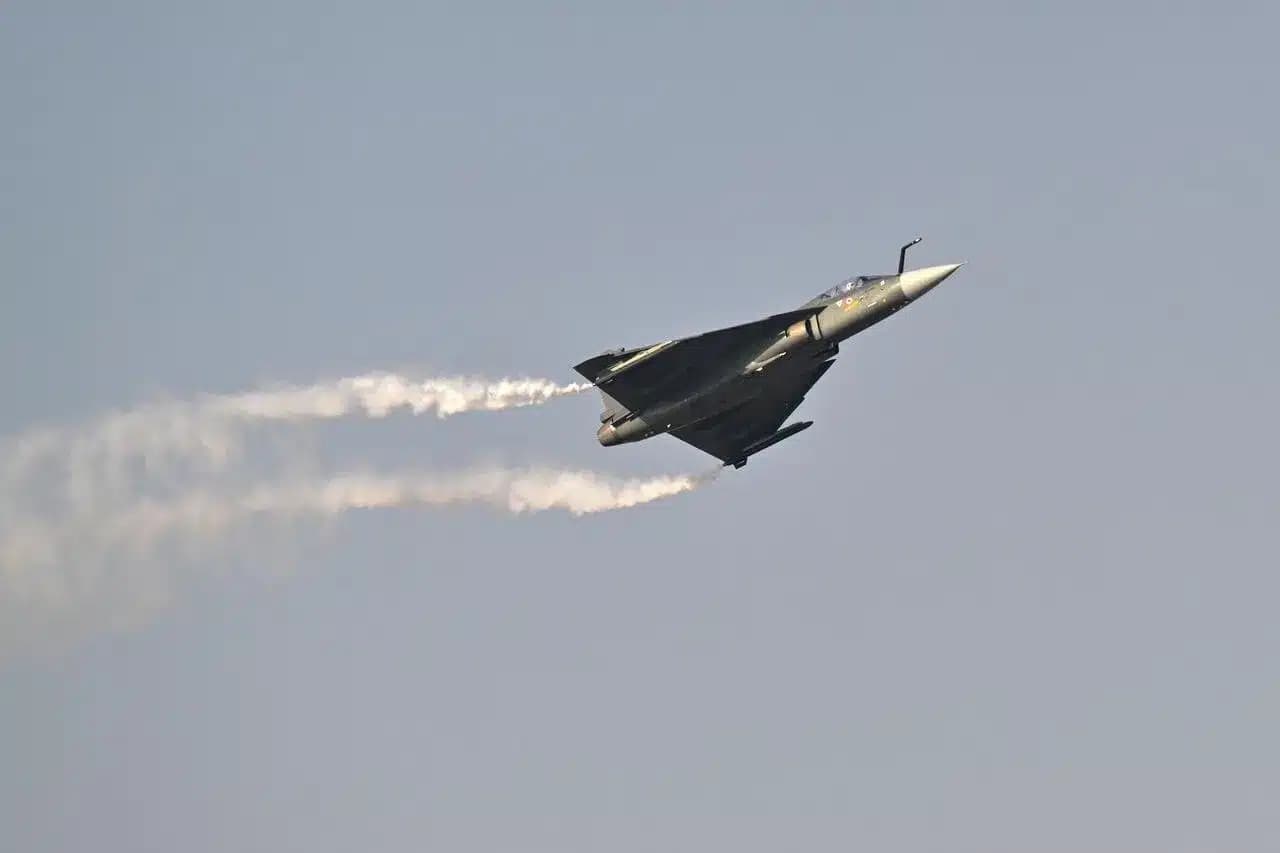
On November 21, 2025, an Indian Air Force (IAF) single-seat HAL Tejas Light Combat Aircraft was participating in a scheduled aerial demonstration at the Dubai Air Show. According to initial official statements from both the Indian Air Force and United Arab Emirates (UAE) authorities, the incident occurred at approximately 2:10 p.m. local time[1]. The aircraft went down near Al Maktoum International Airport, the site of the air show.
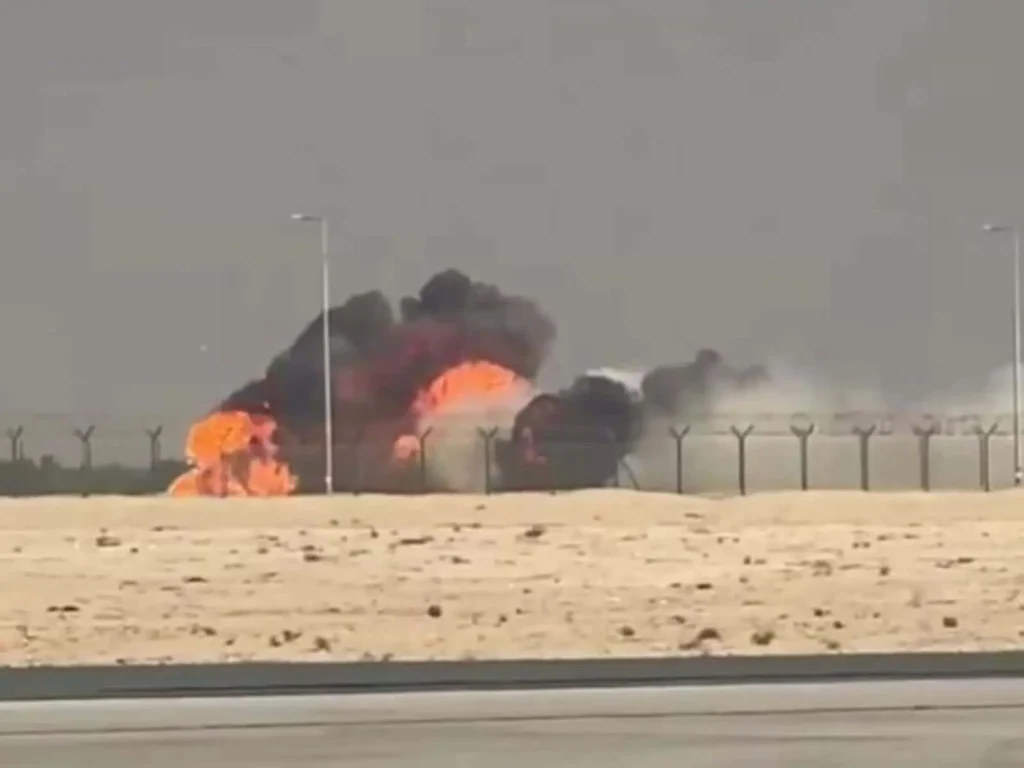
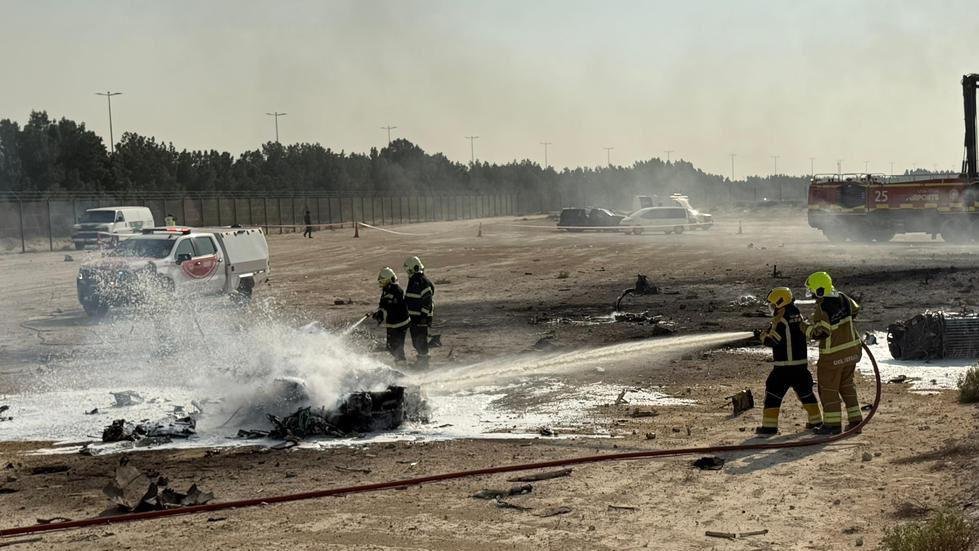
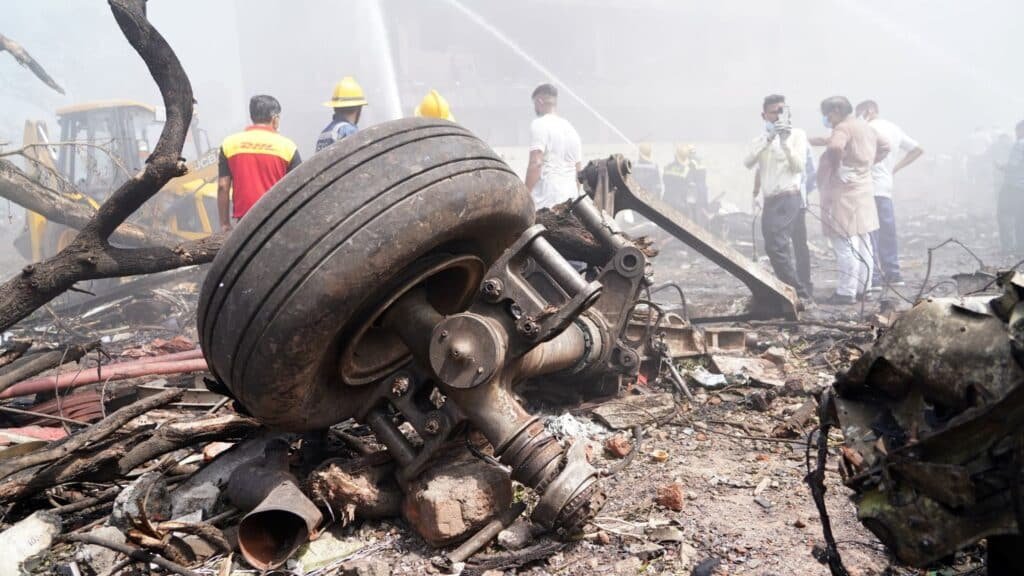
The jet impacted a cleared area within the airport’s perimeter, sparking a significant fire upon impact. Emergency response teams at the event were on the scene swiftly to contain the blaze and secure the area. Officials confirmed that no one on the ground was injured in the crash or the subsequent fire[1]. Credible news reports from journalists at the scene described the aircraft performing complex maneuvers as part of its display routine moments before the fatal descent, though these are observations and not conclusions about the cause.
The Human Cost: Remembering the Indian Air Force Pilot
Beyond the technical details of any aviation accident lies a profound human tragedy. The Indian Air Force confirmed that the pilot, the sole occupant of the aircraft, was killed in the crash. In an official press release, the IAF expressed its deep regret over the loss. “The Indian Air Force is deeply saddened to confirm the loss of one of our valiant pilots in the tragic accident at the Dubai Air Show,” the statement read[2]. “We stand in solidarity with the pilot’s family and will provide all necessary support during this difficult time.”
In adherence to protocol and out of respect for the family’s privacy, the name of the pilot has not been officially released pending full notification of next of kin. The incident marks a somber moment for the military community, highlighting the inherent risks undertaken by service members during both training and public demonstrations. The focus of the Indian Air Force remains on supporting the pilot’s family and ensuring a thorough investigation to honor the pilot’s service and sacrifice.
The Official Investigation: What is a Court of Inquiry?
Immediately following the incident, the Indian Air Force announced it had ordered a formal Court of Inquiry to determine the exact cause of the Tejas crash reason[3]. This is a standard and meticulous procedure for any military aviation accident. A Court of Inquiry is a formal investigative body tasked with gathering and analyzing all available evidence to produce a definitive report on the circumstances leading to an incident.
The investigation will be a collaborative effort, involving assistance from UAE aviation authorities. The primary objectives of the Tejas crash court of inquiry are to:
- Secure and analyze the aircraft’s flight data recorder (FDR) and cockpit voice recorder (CVR), often called the “black boxes.”
- Examine the wreckage to identify any signs of mechanical or structural failure.
- Review aircraft maintenance records and the pilot’s training and medical history.
- Analyze weather conditions and other environmental factors at the time of the crash.
- Interview eyewitnesses and review all available video footage of the demonstration.
This air show safety investigation is a fact-finding mission, not a process to assign blame prematurely. According to aviation safety experts, such investigations can take several months to a year to complete, as they require painstaking analysis of complex data. The ultimate goal is to identify the root cause to prevent similar tragedies in the future.
Potential Factors Under Review
While the specific cause of the Tejas jet crash remains unknown, investigators will systematically explore all possibilities within a standard aviation safety framework[4]. This framework typically examines three main areas: human factors, mechanical failure, and environmental conditions. It is critical to emphasize that these are standard categories for any aviation accident investigation and do not represent any specific evidence or speculation related to this particular incident. The purpose of the Court of Inquiry is to move from these general possibilities to a specific, evidence-based conclusion about what caused the Tejas jet to crash.
Context: The HAL Tejas and India’s Defense Export Ambitions
The incident involves the HAL Tejas, a cornerstone of the Indian Air Force’s modernization efforts and a flagship product in India’s push for greater defense exports. Developed by Hindustan Aeronautics Limited (HAL), the Tejas is a multirole light combat aircraft designed to replace aging MiG-21 fighters in the IAF’s fleet[5].
Prior to this accident, the Tejas program had maintained a strong safety record through its development and operational phases. The presence of the aircraft at the Dubai Air Show was strategically important, intended to showcase its capabilities to potential international buyers. According to reports from leading defense publications, India has been actively promoting the Tejas to several countries as a cost-effective and capable fighter jet[6]. This tragic event marks the first fatal crash of a Tejas aircraft outside of India, placing the program under intense international scrutiny at a critical juncture in its export campaign.
Implications for Air Show Safety and Future Demonstrations
Any fatal crash at a major public event like the Dubai Air Show inevitably raises questions about air show safety investigation protocols and the inherent risks of high-performance aerial displays. Air shows operate under stringent safety regulations designed to protect spectators on the ground, and the fact that no bystanders were harmed in this incident indicates that key safety perimeters were effective.
However, the incident will likely trigger a review of procedures for both the event organizers and participating air forces. Historically, major air show disasters, such as the one at Ramstein Air Base in 1988, have led to significant overhauls in safety regulations worldwide. Aviation safety analysts note that while modern air shows are remarkably safe, this crash will serve as a stark reminder of the unforgiving nature of high-performance flight[3]. Organizers of the Dubai Air Show have released a statement confirming their full cooperation with the official investigation and reaffirming their commitment to the highest standards of safety[7]. The findings of the Court of Inquiry will be closely watched by air show organizers and aviation authorities globally to determine if any procedural changes are necessary for future demonstrations.
Conclusion: Awaiting Facts Amidst Tragedy
The crash of the Indian Tejas jet at the Dubai Air Show is a multifaceted tragedy—a devastating personal loss for a pilot’s family, a setback for the Indian Air Force, and a somber moment for the global aviation community. The established facts are clear: a fatal accident occurred during a public demonstration, and a formal Court of Inquiry has been launched to uncover the cause.
As the investigation proceeds, it is essential to rely on verified information from official sources and resist the urge for speculation. This definitive briefing has consolidated the facts as they are currently known. We will continue to monitor the official proceedings and provide updates as they become available. In the end, the most fitting tribute to the pilot who lost his life is a thorough and transparent investigation that provides clear answers and helps ensure the safety of all who fly.
For the latest updates on the official investigation, bookmark this page as we will update it with verified findings as they are released.
This article reports on a fatal aviation incident. The information presented is based on official statements and credible news sources available at the time of writing. Details, particularly regarding the cause of the crash, are subject to change pending the outcome of the official investigation.
References
- Government of the United Arab Emirates & Indian Air Force. (2025, November 21). Initial Joint Statement on Aviation Incident at Dubai Air Show. [Official Communication].
- Indian Air Force. (2025, November 21). Official Statement on the Tejas Aircraft Incident at Dubai Air Show. [Press Release].
- Expert Commentary from Aviation Safety Analyst. (2025, November). As cited in various expert analyses on military aviation accident investigation procedures.
- International Civil Aviation Organization. (N.D.). Manual of Aircraft Accident and Incident Investigation (Doc 9756).
- Hindustan Aeronautics Limited. (2025). HAL Tejas Programme Overview. Retrieved from official HAL corporate materials.
- Defense Analysis Weekly. (2025). India’s Defense Export Strategy and the Tejas Platform. [Industry Report].
- Dubai Air Show Organising Committee. (2025, November 21). Statement Regarding Incident at Dubai Airshow 2025. [Press Release].