Beef tallow has re-emerged as a trending topic across social media, alternative wellness spaces, and even fast-food menus. While TikTokers are slathering it on their skin and political health influencers are calling for its return to fryers, the bigger question remains: is beef tallow healthy and actually any good for you?
This simple substance, derived from rendering beef fat, has sparked debates surrounding skincare, cardiovascular health, and ancestral nutrition. Its resurgence is closely tied to broader cultural movements, such as Make America Healthy Again (MAHA), where food choices are viewed as political statements. But beyond the hype, expert insight shows there’s more nuance to tallow than the headlines would have us believe.
What Exactly Is Beef Tallow?
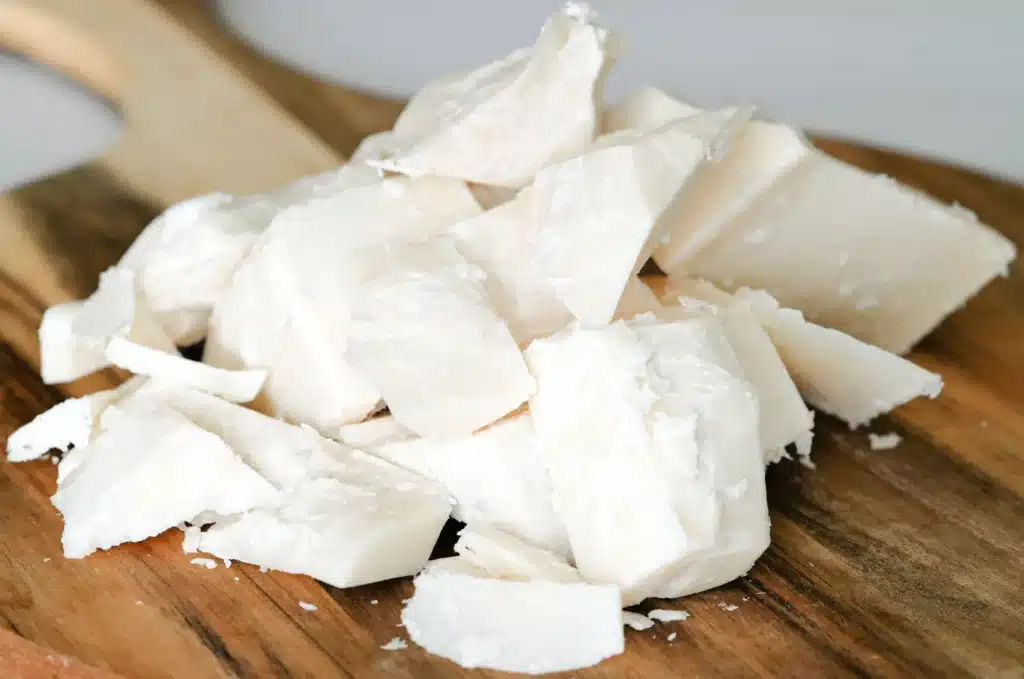
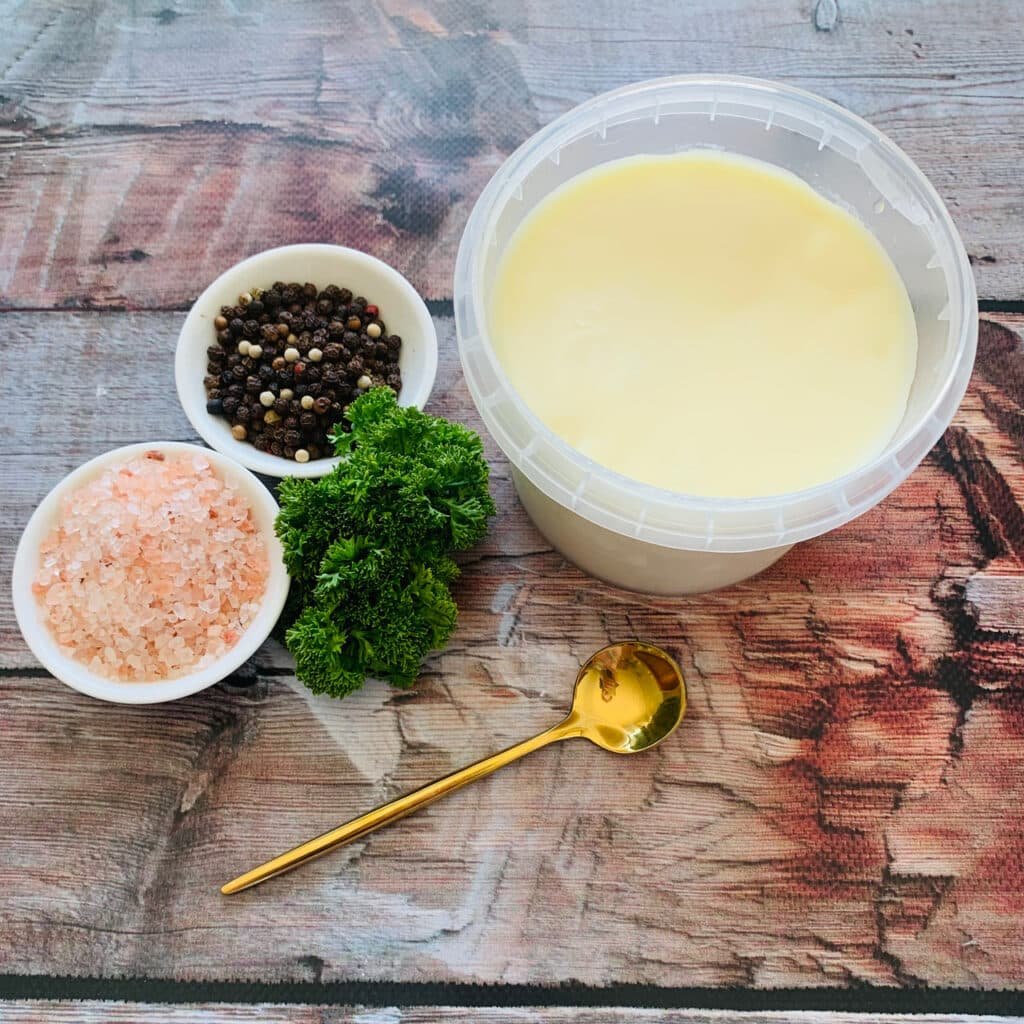
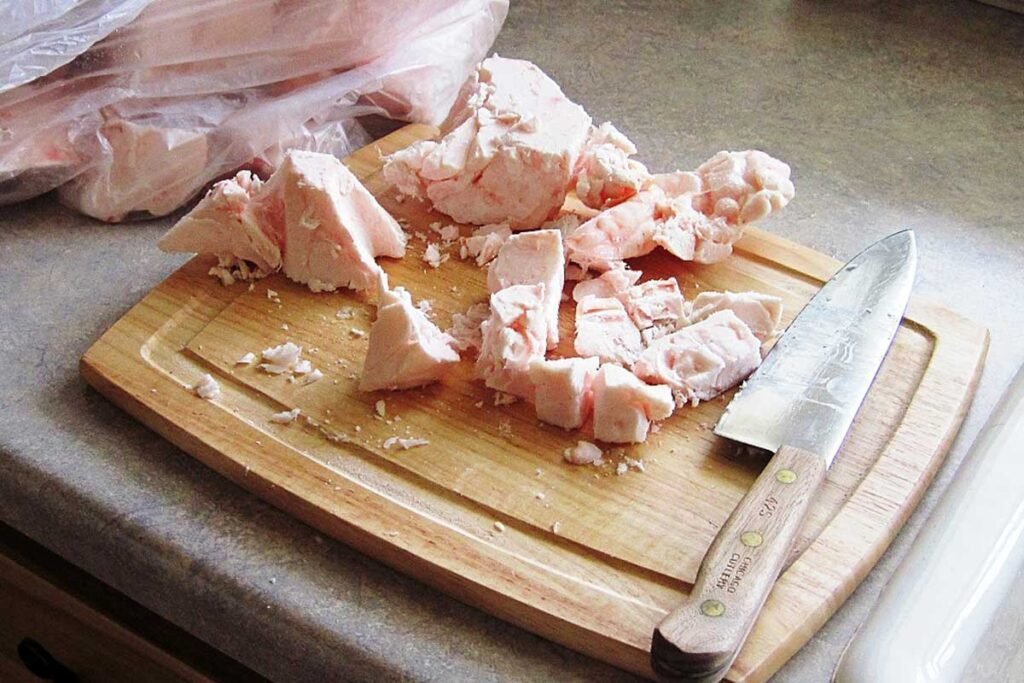
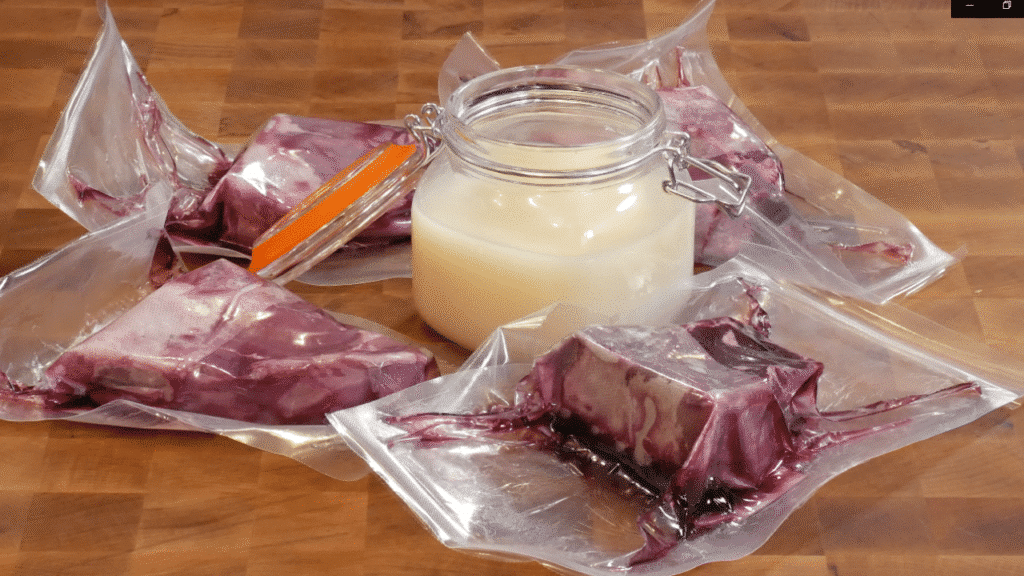
Beef tallow is rendered beef fat. It’s cooked down to remove impurities and has a high smoke point, making it a traditional favourite for frying. Historically used before the rise of seed oils, tallow fell out of favour due to its saturated fat content. Now it’s having a moment again, in kitchens and on vanities.
Its use is twofold: as a cooking oil that proponents claim is healthier than seed oils, and as a skin moisturiser due to its natural fatty acid profile. From influencers to celebrity chefs, beef tallow is being rebranded as a “clean” and “ancestral” fat, but the scientific verdict is more mixed.
Is beef tallow healthy?
Why People Are Cooking With It Again
The MAHA crowd, as well as health-conscious chefs, have criticised seed oils for their high omega-6 content and link to chronic inflammation. Figures like Robert F. Kennedy Jr. have promoted beef tallow as a healthier alternative, and franchises like Steak ’n Shake have already made the switch.
However, according to registered dietitian Maddie Pasquariello, the claim that tallow is nutritionally superior is unfounded. Yes, it contains fat-soluble vitamins A, D, E, and K2, but those same nutrients can be obtained from other foods that don’t come with the downside of high saturated fat.
Sweetgreen, for example, has moved away from seed oils in favour of olive and avocado oils—a pivot driven by concerns over ultra-processing, not necessarily a return to animal fats. What unites both camps is a desire for fewer additives and closer-to-nature ingredients, even if their interpretations differ.
The Skincare Craze: Should You Use Beef Tallow on Your Face?
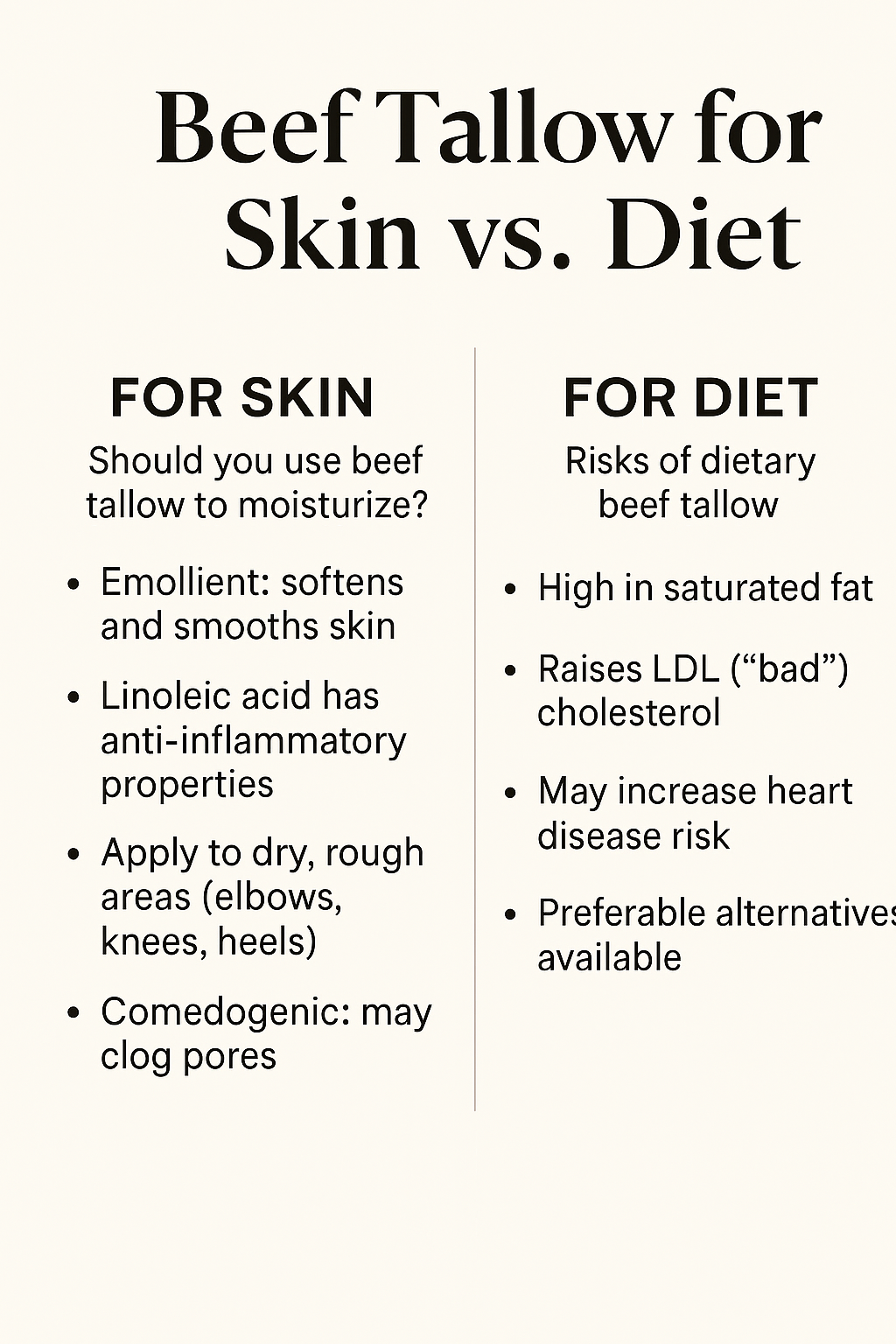
On the beauty front, beef tallow has gone viral on TikTok, with users praising it for its hydrating benefits. Dermatologist Dr. Michele Green notes that tallow’s fatty acid composition mimics the natural oils in human skin.
“It can replenish moisture and contains linoleic acid, which has anti-inflammatory properties,” she explains. According to a 2024 meta-review, tallow may aid in treating dry skin, psoriasis, and minor wounds.
But that doesn’t mean it’s a skincare miracle. Dr. Corey Hartman warns that tallow is comedogenic, meaning it clogs pores. “If you have oily or acne-prone skin, using it on your face is likely to cause breakouts,” he says.
Instead, the experts suggest safer, proven alternatives: humectants like hyaluronic acid and glycerin for hydration, and ceramides for barrier repair.
Where Can You Safely Apply Tallow?
Dr. Hartman recommends using tallow only on body areas that lack oil glands, such as elbows, knees, and heels. These rough patches can benefit from an occlusive moisturiser without risking clogged pores or flare-ups.
Sensitive skin types should still proceed with caution. Dr. Green points out that irritation and allergic reactions are possible, especially without formulation testing. Tallow may work as an occasional balm, but shouldn’t replace a tailored skincare regimen.
Nutritional Drawbacks: A Cardiologist’s View of Beef Tallow
From a dietary perspective, beef tallow is less forgiving. Dr. Kaustubh Dabhadkar, a preventive cardiologist, explains that its high saturated fat content raises LDL (“bad”) cholesterol levels.
“LDL leads to plaque buildup in arteries, increasing the risk of heart disease,” he says. For people with diabetes, cholesterol issues, or heart disease risk factors, tallow should be avoided.
In comparison, seed oils like canola, soybean, and sunflower—despite being ultra-processed—contain more unsaturated fats, which help lower LDL and support cardiovascular health.
A recent study showed that replacing saturated fats with plant oils significantly reduced mortality from heart disease, cancer, and other causes. These findings reinforce the long-standing dietary guideline: swap out saturated fat for unsaturated fat when possible.
Are There Any Real Benefits?
Proponents argue that tallow supports hormonal health and detoxification. Dr. Gowri Rocco, a California-based physician, notes that tallow is nutrient-dense, but cautions that there’s no clinical evidence supporting hormonal benefits.
Meanwhile, Pasquariello calls out the marketing hype. “Tallow is not inherently toxic, but there are no unique health advantages. You can get the same fat-soluble vitamins from leafy greens, oily fish, and colourful vegetables,” she says.
The Bigger Picture: What Beef Tallow Says About Health Trends
Beef tallow’s resurgence aligns with a few broader food and beauty movements:
- Ancestral eating: favouring traditional fats and foods
- Skincare minimalism: using fewer, simpler ingredients
- Food politicisation: MAHA and anti-seed oil campaigns
These trends emphasise returning to nature, avoiding additives, and embracing self-reliance. But they also risk spreading oversimplified or unscientific claims that don’t account for individual health contexts.
Whether you’re buying into beef tallow for its retro appeal, its culinary flair, or its TikTok-backed glow-up, the experts advise moderation, not devotion.
Cultural Influence and the Animal Fat Revival
The return of beef tallow is part of a larger cultural revival tied to the Paleo and Carnivore diet movements. These communities advocate a return to traditional animal-based fats, often rejecting processed oils and carbohydrates altogether. Influencers within these spaces glorify tallow not just for its culinary use but as a symbol of ancestral strength and purity.
On social media, the promotion of tallow has taken on a performative dimension, with wellness influencers portraying it as a badge of authenticity in a world full of synthetic products. Whether used in cooking or rubbed on skin, beef tallow has become a rallying cry for those disenchanted with modern food and beauty industries.
This symbolic use of tallow underscores a deeper yearning—one for simplicity, strength, and natural order—even if the scientific evidence supporting these claims remains limited. Like many modern trends, it’s as much about identity as it is about health.
Final Word: Beef Tallow. It’s Fat. Not a Miracle.
Beef tallow isn’t evil, nor is it the elixir it’s being made out to be. It’s a fat. One that adds flavour to fries and may help your cracked heels. But for heart health and clear skin, you’re better off relying on evidence-based ingredients and balanced nutrition.
If you enjoy cooking with tallow or want to dab a bit on dry skin, go for it. Just know it’s not the miracle that some wellness influencers would have you believe.
Is beef tallow healthy? Yes.
Frequently Asked Questions
Beef tallow is rich in natural saturated fats and can support vitamin absorption. However, moderation is essential due to its high calorie content.
Yes. Beef tallow contains fat-soluble vitamins like A, D, E, and K, which are crucial for immune and bone health.
Beef tallow is ideal for frying, roasting, and baking because of its high smoke point and flavour-enhancing properties.
Some prefer beef tallow over vegetable oils as it’s natural and stable under heat. However, dietary needs vary.
Beef tallow is available at speciality butcher shops, organic stores, and online platforms across the UAE.