Understand the lemongrass and dandelion cancer studies, why preclinical results are not patient outcomes, and what the evidence does not establish about treatment.
Lemongrass extracts have shown anticancer activity in laboratory models. That is a research finding—not evidence that lemongrass tea, essential oil or a supplement treats cancer in people. If you are receiving cancer care, do not replace, delay or alter treatment because of this article or a striking percentage in a study headline.
The earlier version blurred that boundary with “better than chemotherapy” and “non-toxic” language. This update, checked on 18 October 2026, explains the studies’ actual setting, corrects the key reference and shows which conclusions readers can reasonably draw.
The important distinction: human cells are not a human trial
| Phrase in a research report | What it means | What it does not mean |
|---|---|---|
| Human cancer cell line | Cells of human origin studied under laboratory conditions | Patients were treated successfully |
| Mouse xenograft | Tumour cells studied in a mouse model | The same result is proven in people |
| Selective activity in tested cells | A difference under the experiment’s conditions | No possible harm to any healthy human tissue |
| Well tolerated in studied animals | The measured animal observations were acceptable in that experiment | Zero toxicity at every dose or with every medicine |
| Potential for development | A reason to investigate further | A ready-to-use clinical treatment |
When reading a paper, keep the population, preparation, comparison and outcome attached to its result. Removing those four details can turn a real experiment into an unsupported treatment claim.
The 2019 lemongrass study: a corrected reference
The relevant 2019 paper by Ruvinov and colleagues was published in Integrative Cancer Therapies, DOI 10.1177/1534735419889150. It studied a prepared ethanolic lemongrass extract in colorectal cancer cell and mouse models. This is not the author/DOI combination presented in the earlier article.
The researchers reported effects on cell death and mouse tumour models, including experiments involving FOLFOX and observations of animal weight loss. These were preclinical findings, not a trial showing improved survival, symptoms or treatment tolerability in patients. The paper’s strong title should be read alongside its methods and study population.
The correct interpretation is that an extract warranted further investigation under those experimental conditions. It does not establish that a shop-bought tea reproduces the experiment, that chemotherapy should be reduced or that an individual should combine the products.
Why a preparation matters as much as a plant name
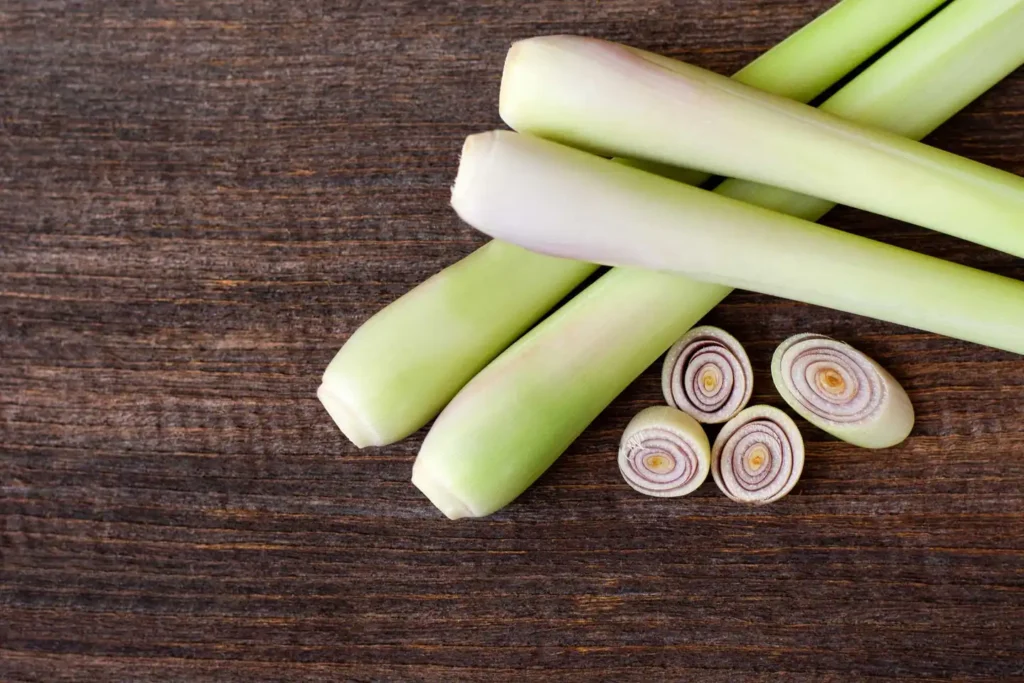
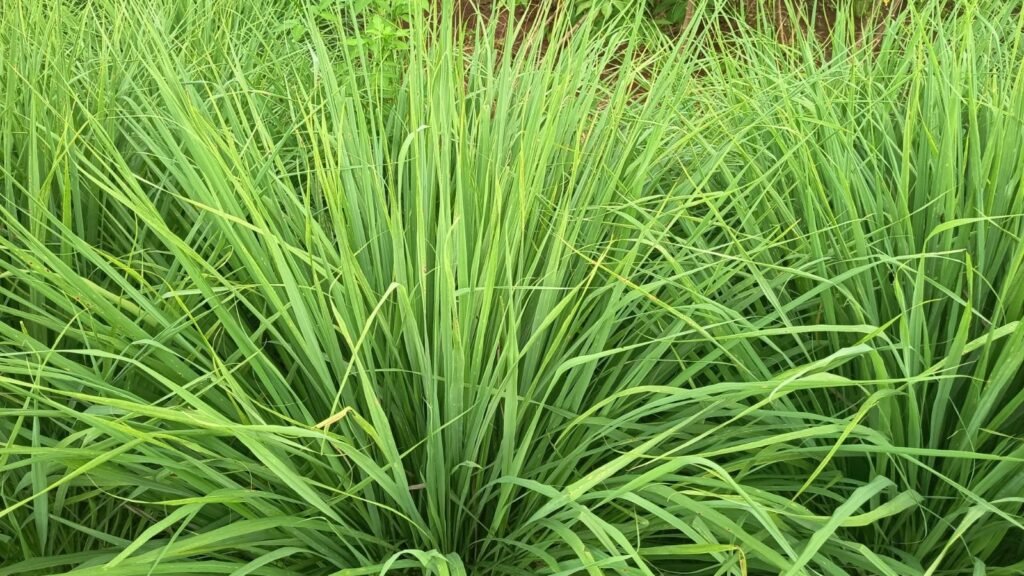
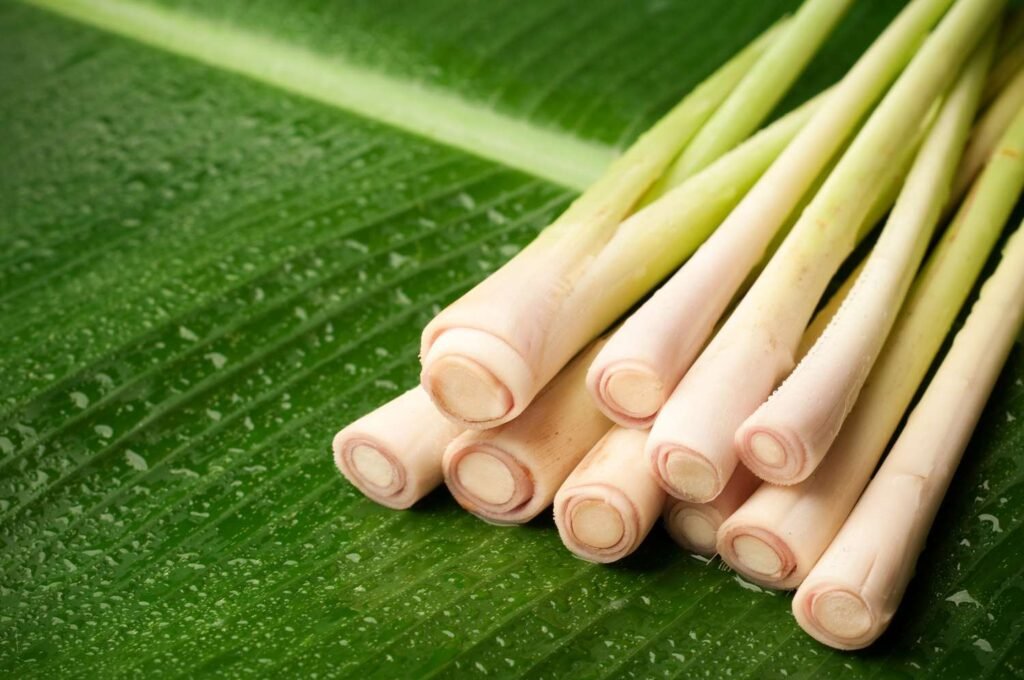
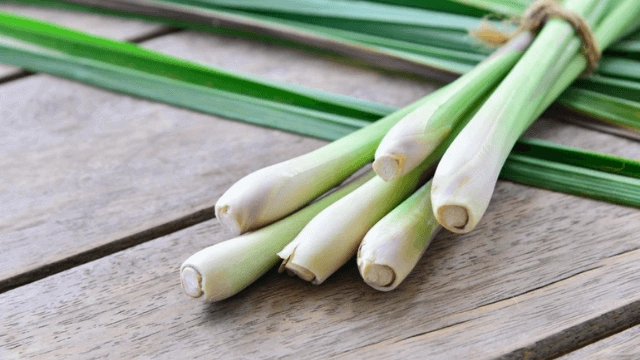
“Lemongrass” can refer to a plant used in cooking, a drink, an essential oil, a supplement or an experimental extract. Treating those as interchangeable is a central mistake in health coverage. A result for a defined preparation does not identify an effective or safe amount of another product.
The 2019 work used an extraction and preparation process described in the paper. This guide does not convert it into a home recipe or a human dose. It is not appropriate to multiply a mouse result into cups of tea, or to assume that a product mentioning citral is the same material the researchers tested.
Mechanisms: useful questions, not a treatment verdict
Apoptosis means programmed cell death. Oxidative stress and mitochondrial effects are mechanisms researchers can investigate. Describing several mechanisms is not equivalent to showing a therapy works better for patients or that a finished commercial product is safe.
A mechanism can help explain an observed result within a model. It cannot replace the clinical questions: what happens to people, at what dose, compared with what care, over what period and with what adverse effects? A long list of pathways should not be mistaken for stronger patient evidence.
What about the dandelion-root results?
The separate 2016 Ovadje and colleagues paper concerns dandelion-root extract and colorectal cancer models. Its reported greater-than-90% retardation of xenograft growth refers to the studied mouse model—not a 90% cure rate in people.
The plant, preparation and experiment differ from the lemongrass study. Combining impressive percentages from different papers does not create a clinical comparison, and a limited animal safety observation does not establish a universally non-toxic treatment. The useful lesson is to preserve the denominator and setting of every number.
How to check a “95% reduction” headline
- Find the actual paper rather than a short link, screenshot or secondary summary.
- Identify whether the subjects were cells, animals or people.
- Read what was measured: cell viability, tumour volume, growth relative to control, symptoms or survival.
- Check the dose, preparation, duration and comparison group.
- Ask whether the claim is reproduced in clinical research relevant to the person considering it.
A hypothetical tumour-volume comparison illustrates the problem. A treated value of 5 compared with a control value of 100 is 95% lower relative to that control. It does not mean that 95% of people were cured or that a treatment shrank every starting tumour by 95%. These are invented arithmetic units, not results from either paper. The original article’s unsupported 95% headline is not retained as a verified study result.
“Natural” does not establish safety
Memorial Sloan Kettering’s lemongrass reference describes limited human evidence and potential adverse effects and interactions. It does not support the earlier blanket “non-toxic” framing. A culinary photograph, traditional use or a product label cannot establish personal suitability during cancer treatment.
The National Cancer Institute’s patient guidance on interactions explains that supplements and herbs can change how anticancer drugs work. Take the actual product and ingredient information to your oncology team or pharmacist before adding it. This is not advice to stop prescribed treatment or to experiment with a concentrated product.
Research hope and patient decisions are different conversations
NCI’s diet and supplement guidance does not support presenting a food, herb or supplement as a proven way to slow or cure cancer. A reason to fund more research is not a reason to market a replacement treatment now.
A patient deciding about an unproven product needs the exact proposed benefit, uncertainty, cost and interaction review—not pressure to be optimistic or fear that established care is inferior. Supporting research and rejecting an unsupported treatment promise are compatible positions.
What would stronger evidence need to answer?
Useful clinical evidence would identify the standardised product, eligible patients, dose, comparison, outcomes and adverse effects. A registered trial can clarify a research question, but registration alone is not a positive result. Likewise, a positive laboratory paper is not evidence of local regulatory approval or a recommendation for every cancer type.
This review did not conduct an exhaustive search of every trial registry or establish that no human investigation exists anywhere. Its narrower conclusion is that the papers and guidance reviewed do not justify the earlier article’s broad efficacy, superiority or safety claims. That limit is important enough to appear in the title and opening, not only in a disclaimer at the end.
Corrections and reading sources
This update removes unsupported chemotherapy-superiority language, absolute safety claims, unverified numerical summaries and incomplete placeholder references. It corrects the 2019 paper’s author and DOI details. It does not assert that every secondary commentator or earlier citation was fabricated; they simply cannot carry the clinical conclusions previously attached to them.
Read the linked primary study for its actual methods and models, then the oncology patient guidance for treatment decisions. The four original plant photographs remain with corrected descriptions. This is a researched evidence-translation article, not original clinical research, a systematic review or an oncology consultation.
Questions answered
Does lemongrass treat cancer in people?
The preclinical papers reviewed here do not establish that lemongrass tea, oil or supplements treat cancer in people. Do not replace or delay oncology care because of laboratory findings.
Does a study of human cancer cells count as a human clinical trial?
No. Cells of human origin can be studied in a laboratory without treating patients. Cell, mouse and patient outcomes must be described separately.
Does a greater-than-90% mouse result mean a 90% human cure rate?
No. The reported dandelion-root result concerns xenograft growth in a mouse model. It is not a cure rate in patients or proof that another product produces the same outcome.