
The Netflix–AFAC Women in Film partnership has moved beyond the original “Bring Your Story to Life” call. AFAC announced 35 participants for Women in Film III: Training Through Practice on 6 October 2026. The third edition’s listed application deadline was 29 July, and both official application forms were closed when checked on 28 October. This is programme history and a current-status guide—not an invitation to submit a late application.
Three dates that explain the partnership’s current position
| Programme record | What the organiser reports | How to read it |
|---|---|---|
| September 2024: Bring Your Story to Life launch | Netflix described support for up to 25 women and five group film projects. | A planned capacity, not the size of the 2026 cohort. |
| May 2025: that cycle concluded | AFAC reported 20 participants supported from December 2024 to May 2025. | A reported completed training cycle, not an application window still open today. |
| 6 October 2026: Women in Film III selections | AFAC announced 35 participants across five filmmaking departments. | A new edition with its own selection and eligibility rules. |
The records are Netflix’s original launch announcement, AFAC’s May 2025 wrap-up and the October 2026 selection announcement. The differences between 25, 20 and 35 do not by themselves show a shortfall or expansion on a like-for-like basis: they describe a planned capacity, a reported cohort and a later edition.
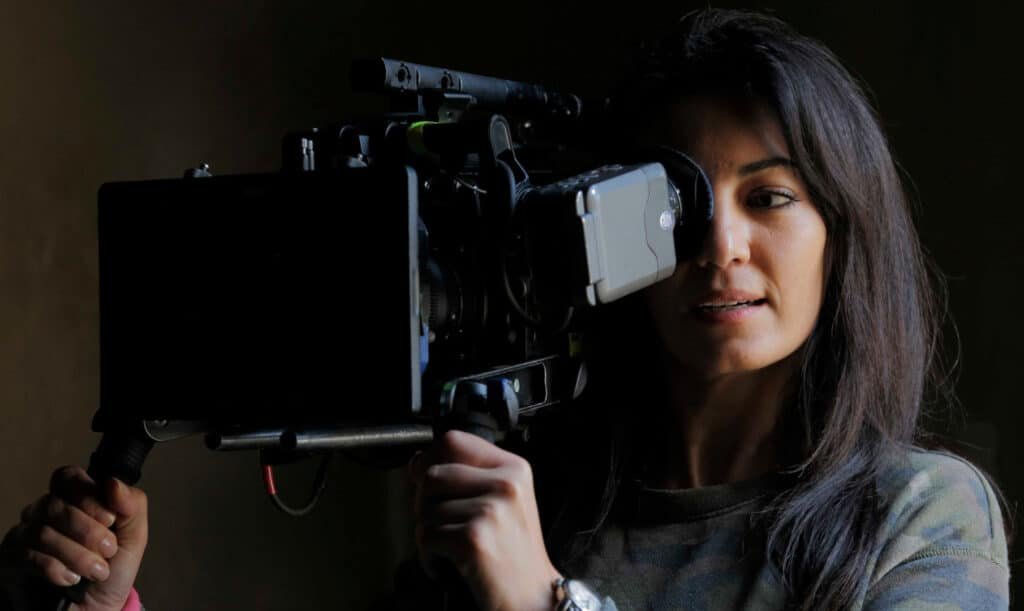
A Commitment to Creative Equity
The original initiative formed part of Netflix’s Fund for Creative Equity. It combined project support with mentoring rather than simply providing a public screening platform. That distinction matters to a filmmaker choosing between a training opportunity, a production grant and an offer of distribution: those are different forms of support.
In the September 2024 launch announcement, Netflix content executive Nuha Al Tayeb described the partnership as support for women’s voices and the region’s talent pipeline. That is the company’s stated aim, not a measured claim that the programme has already closed an industry-wide gender gap.
The practical value of mentoring is the chance to develop work with feedback and learn how creative departments collaborate. It should still be assessed against a participant’s actual needs: a script-development lab does not answer every question about production finance, exhibition or a long-term career.
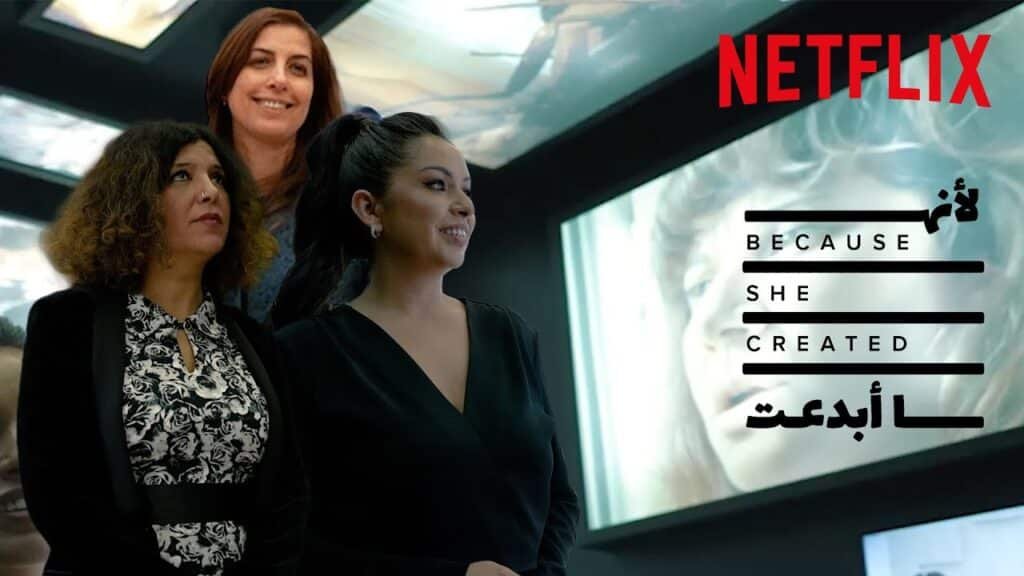
What the 2024–25 programme supported
For the original Bring Your Story to Life cycle, Netflix described mentored group projects producing short fiction films, with a US$25,000 budget for each group. This was a project budget, not US$25,000 for every participant. It must not be carried forward as an automatic funding promise for Women in Film III.
Netflix described three components for that earlier cycle:
- Script Development and Virtual Consultation: Teams will work with mentors to refine their story treatments and scripts through virtual sessions.
- Pre-Shoot Planning: Detailed planning will help participants prepare for filming, ensuring smooth production workflows.
- In-Person Post-Production in Saudi Arabia: Teams will edit and finalise their films with professional guidance. They will hone their technical and creative skills.
AFAC’s May 2025 wrap-up subsequently reported support for 20 women from Saudi Arabia, the UAE, Egypt, Jordan and Kuwait, spanning December 2024 to May 2025. That gives the original announcement a documented follow-up rather than leaving its promised activities permanently in the future tense.
The original call’s eligibility—not the 2026 rules
The September 2024 launch described an under-28 call for women who had directed no more than one short film outside their studies. Its project submissions required:
- A story treatment and a draft script for a short fiction film.
- A team structure, including at least a writer, director, and producer.
That earlier announcement also described online matchmaking for groups needing technical collaborators. It is part of the original programme design, not evidence that a matching service is accepting new applications now.
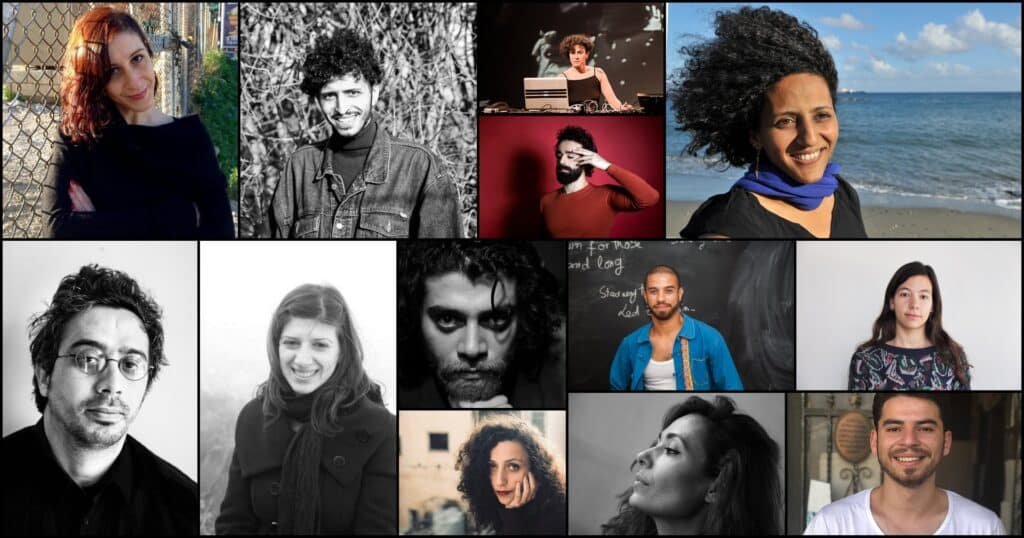
AFAC’s December 2024 selection record identifies five supported projects. Its UAE entry was No Land in Sight, listed with Eiman Alkhalifa and Zainab AbdelAziz. This is an organiser-listed project connection, not a claim that we attended a screening or reviewed the finished film.
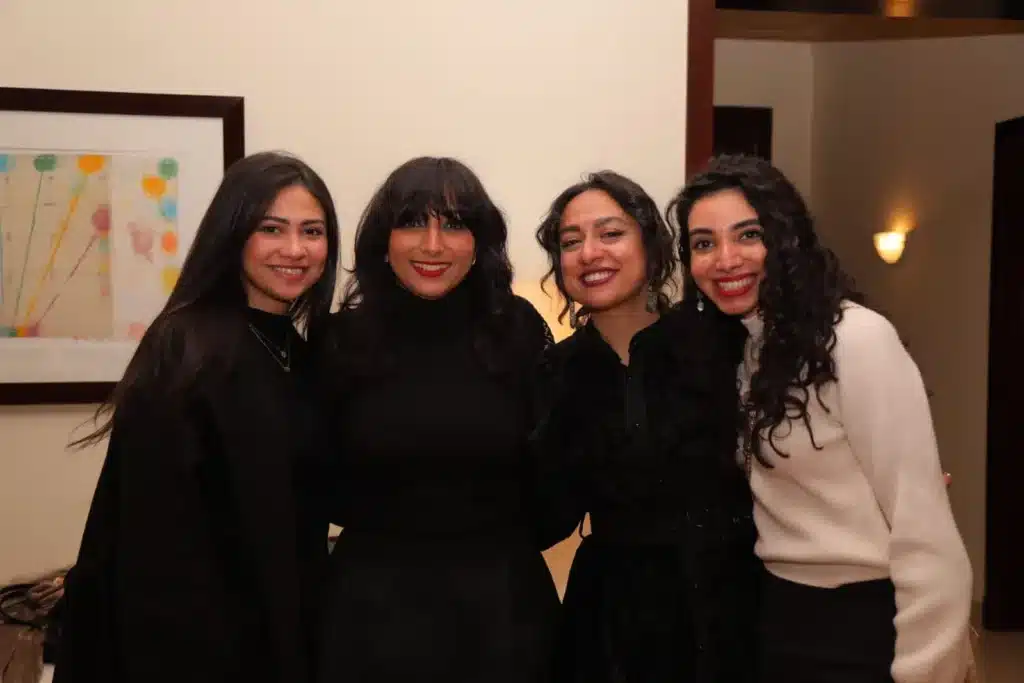
A Legacy of Supporting Arab Talent
Netflix’s original announcement attributed to AFAC executive director Rima Mismar a record of more than 500 supported films over the organisation’s first 18 years, alongside the value of combining funding and accompaniment. Those were statements made in the launch context; they are not a newly audited October 2026 cumulative total.
Our view is that funding and mentoring address different obstacles. A budget creates room to make work; feedback helps a team decide how to make it. The partnership is most interesting when those two forms of support meet in an actual project, rather than remaining a statement of institutional ambition.
Building on “Because She Created” Initiatives
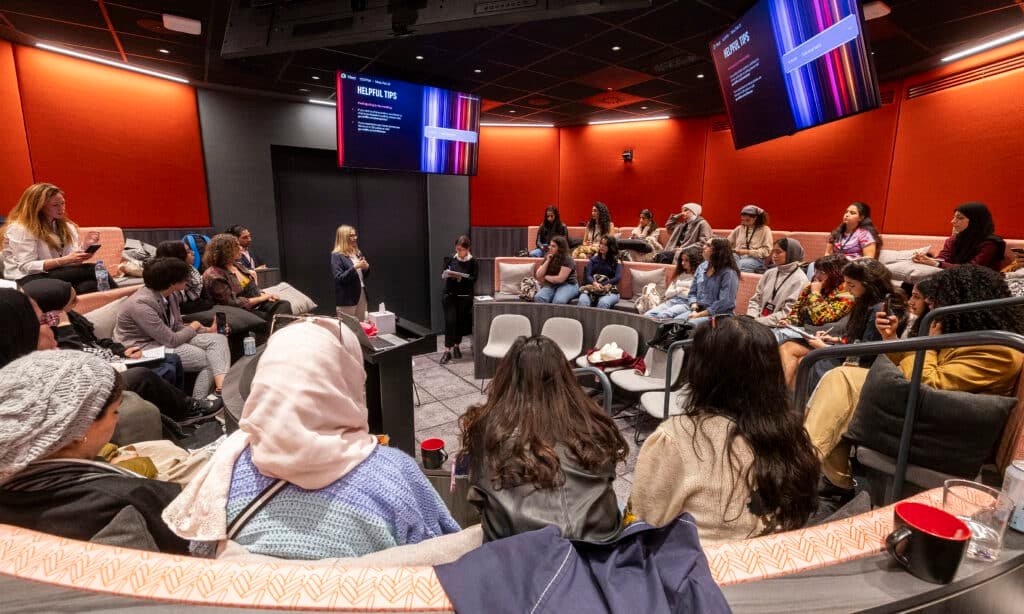
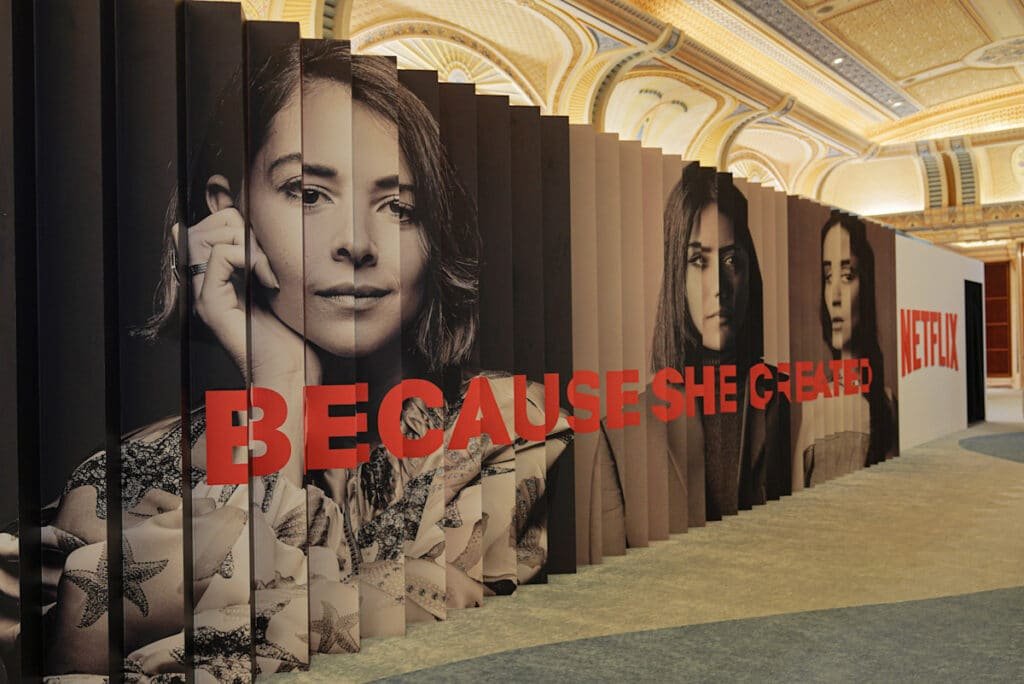
The 2024 launch linked the partnership to Netflix’s Because She Created work and an introductory training programme held in 2023. The later mentored-project format built on that introduction by giving participants a production process to work through together.
The sequence shows how introductory training, mentored project work and a later specialist edition can serve different stages of development. Our view is that this is the useful way to judge the partnership: what a particular cycle helps someone make or learn, rather than treating every edition as the same grant with a new date.
Transforming Arab Storytelling
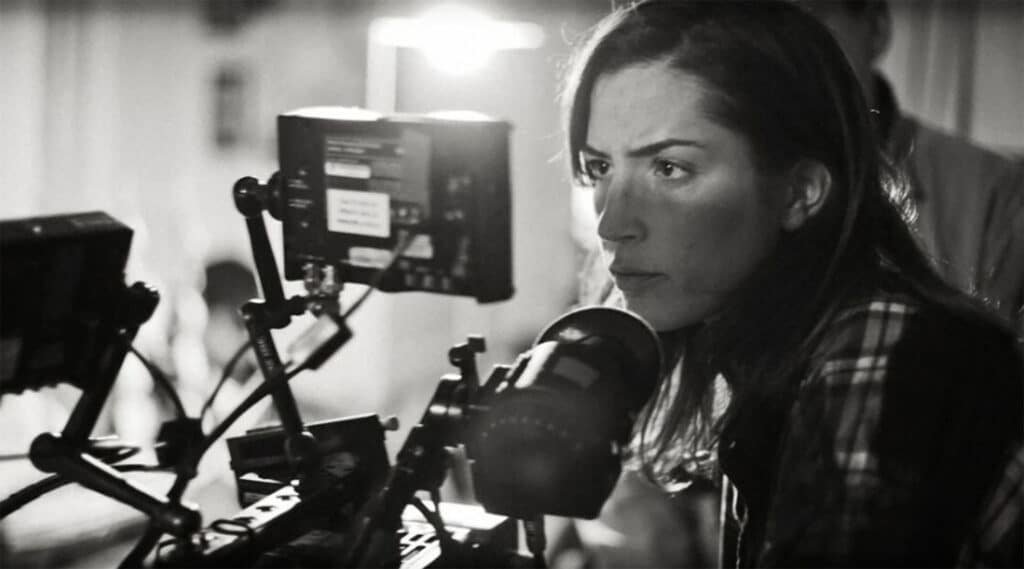
The AFAC project page for No Land in Sight offers a more concrete UAE connection. It identifies the project with Eiman Alkhalifa and producer Zainab AbdelAziz. Its synopsis follows a mother waiting for news after Omar leaves a war-torn country seeking safety for his family, with contact reduced to intermittent calls.
That premise interests us because it approaches displacement through the person left waiting, rather than only the person travelling. It gives readers a specific creative idea to follow beyond the partnership’s name. This is a reading of the organiser’s synopsis, not a review of a film we have watched.
The 2026 call: deadlines and application status
The Women in Film III programme page lists its 2026 deadline as 29 July. On 28 October, both linked project-team and individual technical-track forms displayed notices that they were deactivated and closed to further submissions. An “Apply now” link left on a programme page is therefore not enough to establish that a call remains open.
- Project track: the 2026 call accepted writer-director and producer teams developing short fiction projects.
- Technical track: it separately accepted cinematographers, editors and sound designers; applicants could not enter both tracks.
The 2026 published criteria specify Arab women aged 23–30 residing in Egypt, Jordan, Kuwait, Saudi Arabia or the UAE, with further experience and exclusion rules. Those differ from the original under-28 call. They are historical requirements for that closed round, not a guarantee of eligibility for a future edition.

What the current selections establish
The 6 October 2026 announcement names 35 selected participants: seven directors, seven producers, seven cinematographers, seven editors and seven sound designers. It describes workshops, mentoring and a residency. Selection for training is not the same as a commission to supply a Netflix series or a guarantee that a participant’s film will enter its catalogue.
For someone comparing future training opportunities, we would ask three questions: what work will I leave with, which department needs the most development, and what time or travel commitment can I make? Those questions make the programme’s format more useful than a famous partner’s name alone.
For readers interested in the wider local context, our UAE film-industry coverage looks at regional storytelling beyond this one programme. For an applicant, though, the organiser’s dated call and the status of its actual form should take priority over a news headline saying an opportunity is new.
Our practical conclusion: identify the edition first, then check the deadline, track and terms together. Follow the selected filmmakers and their projects as well as the institutions supporting them: that is where a training initiative develops into a story worth returning to.
Questions answered
Are Women in Film III applications still open?
Both official application forms were closed when checked on 28 October 2026. AFAC lists 29 July 2026 as the deadline and announced selected participants on 6 October.
Were 25 or 35 women selected?
The original 2024 announcement described capacity for up to 25 women. AFAC reported 20 participants in its 2025 wrap-up. The separate 2026 third edition announced 35 participants.
Does the US$25,000 budget apply to every participant?
The original launch described US$25,000 for each group film project, not each participant. It is not an automatic funding promise for later editions.
Does selection guarantee a Netflix release?
The reviewed records describe training, mentoring and project support. They do not establish guaranteed Netflix distribution for every participant or film.