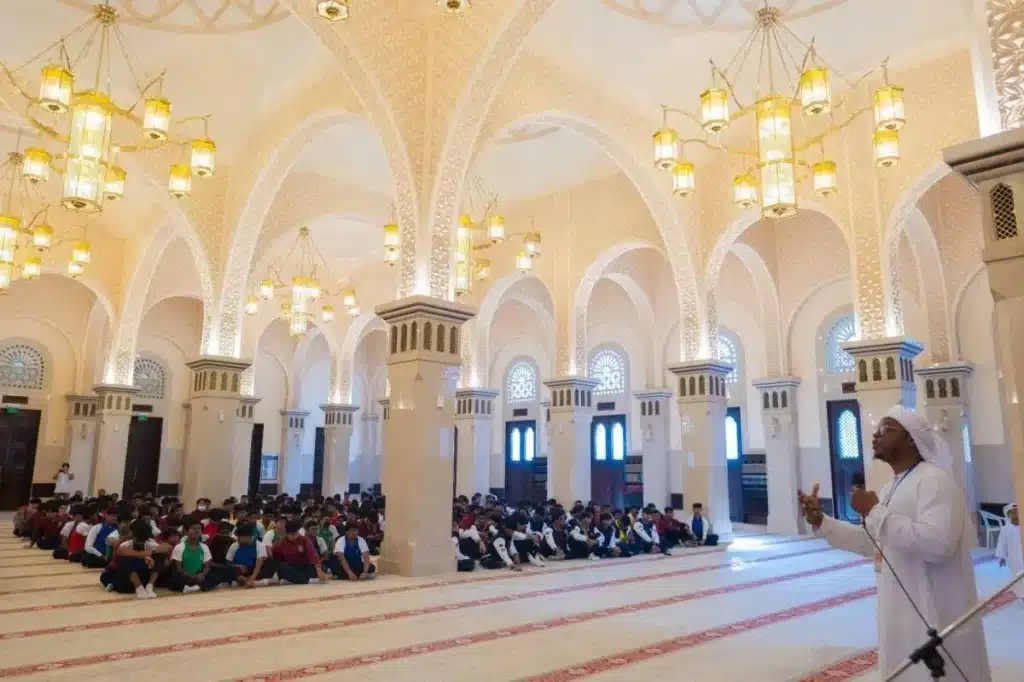
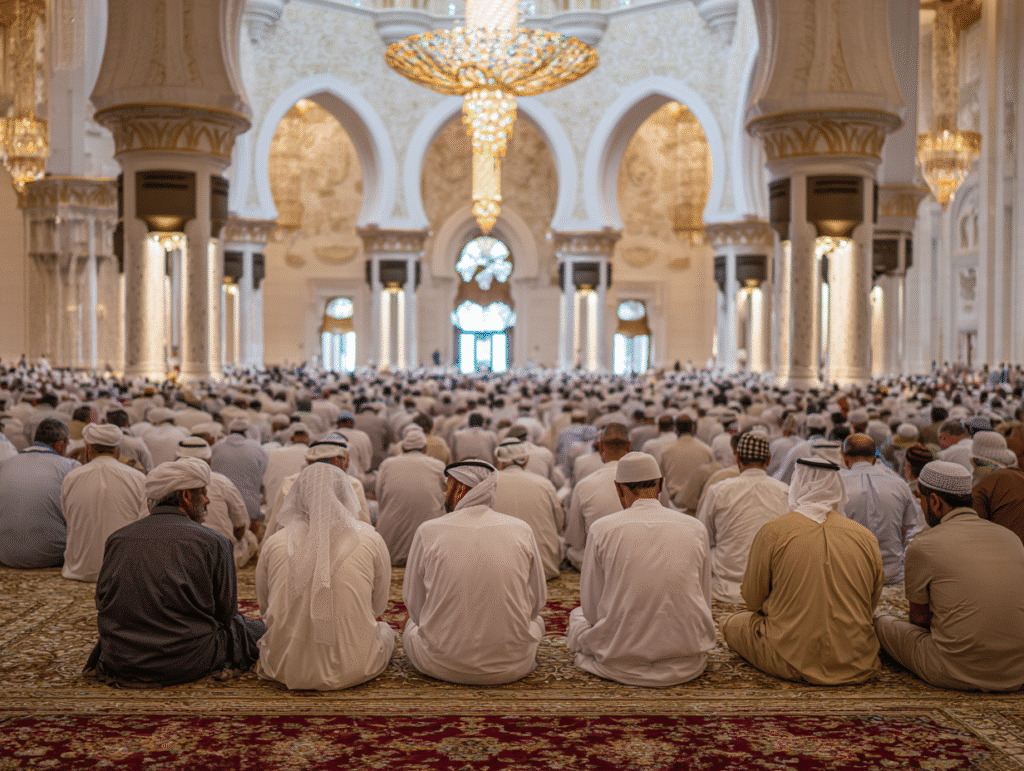
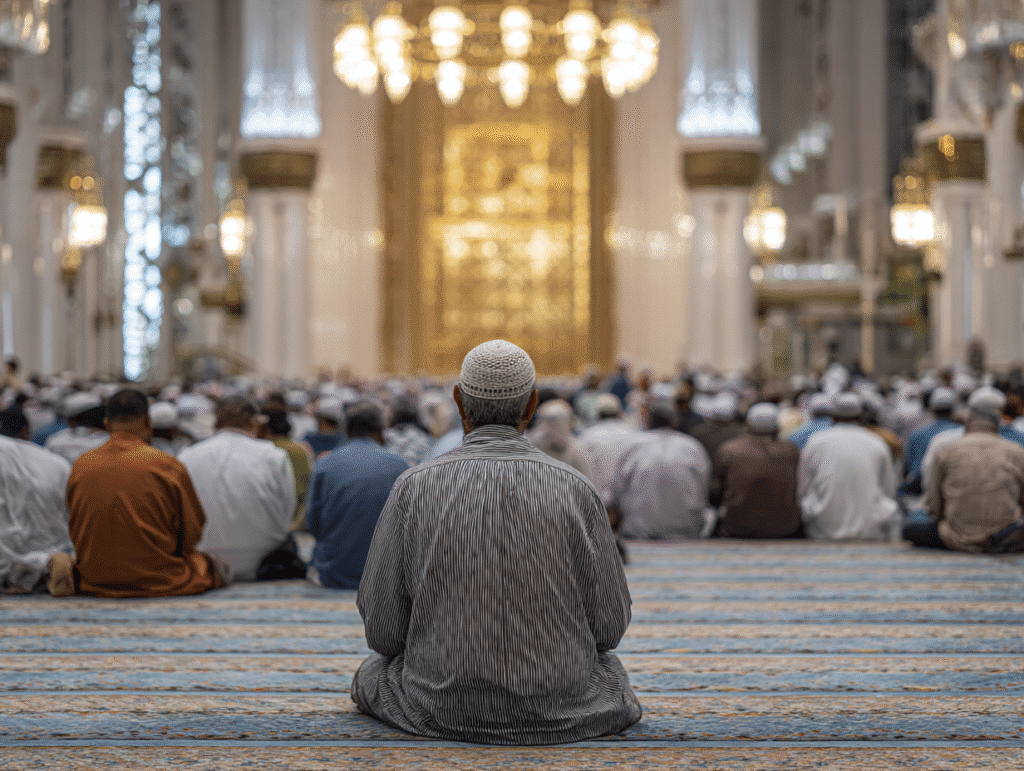
Five times every day, across more than 9,000 mosques in the UAE, the adhan rings out. In Dubai alone — a city of more than 3.7 million people from over 200 nationalities — the call to prayer is one of the few constants that cuts through the noise of one of the world’s most restless cities. For Muslims living and working here, the daily Prayer Time in Dubai schedule is not a background detail. It structures the entire day: when to wake, when to eat, when to pause, when to gather.
This guide covers everything you need to know about prayer times in Dubai in 2026 — the official timetables for March, April, and May, how those times are calculated, how Dubai’s mosque infrastructure has expanded, and how to plan your working day and travel around the prayer schedule with confidence.
Who Sets Prayer Times in Dubai — and How
The Official Authority: IACAD
Prayer times in Dubai are set by the Islamic Affairs and Charitable Activities Department (IACAD), the emirate’s official body for religious affairs. Established under Law No. 2 of 2011, IACAD operates under the supervision of the International Astronomical Center to produce prayer timetables using verified astronomical and Sharia-compliant criteria.
IACAD produced the first international prayer time app using astronomical Sharia-compliant criteria issued by a government institution, developed in partnership with the International Astronomical Center. Its official app — Dulook — is the most authoritative source for Dubai prayer times, providing verified timetables, Qibla direction, and mosque locations.
The most accurate source for prayer times in Dubai is the official app or website of IACAD. The legally recognised prayer times for all mosques in the emirate are published here, alongside Qibla direction and mosque locations.
How the Times Are Calculated
Prayer times in Islam are determined by the position of the sun relative to Dubai’s geographical coordinates (latitude 25.2°N, longitude 55.27°E). Each prayer corresponds to a specific solar event:
- Fajr begins when the first light of dawn appears on the horizon — calculated as the moment the sun reaches 18 degrees below the horizon.
- Sunrise (Shuruq) marks the moment the sun clears the horizon. No obligatory prayer is performed at this time, but it signals the end of the Fajr window.
- Dhuhr begins just after solar noon — the moment the sun passes its highest point in the sky. This is also called Zawal.
- Asr is determined by shadow length. Under the Shafi’i school, Asr begins when an object’s shadow equals its own length plus the length of its shadow at Zawal. Under the Hanafi school, Asr begins when the shadow reaches twice the object’s length. Dubai’s official IACAD timetables use the Shafi’i (one shadow) rule by default. If your mosque follows a different calculation, check its noticeboard.
- Maghrib begins immediately at sunset.
- Isha begins when twilight fully disappears — approximately 90 minutes after Maghrib, calculated when the sun is 17–18 degrees below the horizon.
Because these times are based on the sun’s position relative to Earth’s axial tilt and Dubai’s latitude, they shift slightly every day — by anything from a few seconds to several minutes. Over a full month, this drift is significant: Fajr in early March 2026 falls around 05:25, but by the end of May it falls around 03:58 — a shift of nearly 90 minutes across three months.
Even when using a standard Gulf Region calculation method, there will typically be a difference of between one and five minutes compared to Dubai’s official IACAD timings. You should use the method associated with the issuing authority closest to where you are based.
For a complete practical guide to life in the Emirates, explore our full Living in the UAE hub.

Prayer Times Dubai — March 2026
March is the month of the spring equinox, when daylight and night time reach roughly equal length. Fajr begins before 05:30 at the start of the month and drops below 05:00 by the end. Maghrib pushes steadily toward 18:40 by month’s end as the days lengthen.
Prayer Times Dubai — March 2026 (Key Dates)
| Date | Day | Fajr | Sunrise | Dhuhr | Asr | Maghrib | Isha |
|---|---|---|---|---|---|---|---|
| 1 | Sunday | 05:25 | 06:42 | 12:36 | 15:56 | 18:21 | 19:51 |
| 5 | Thursday | 05:22 | 06:38 | 12:35 | 15:57 | 18:23 | 19:53 |
| 10 | Tuesday | 05:17 | 06:31 | 12:32 | 15:57 | 18:27 | 19:57 |
| 15 | Sunday | 05:12 | 06:28 | 12:33 | 15:58 | 18:28 | 19:58 |
| 20 | Friday | 05:07 | 06:23 | 12:31 | 15:57 | 18:31 | 20:01 |
| 25 | Wednesday | 05:01 | 06:18 | 12:30 | 15:56 | 18:34 | 20:03 |
| 31 | Tuesday | 04:55 | 06:12 | 12:28 | 15:55 | 18:37 | 20:05 |
March planning note: Ramadan 2026 began on the evening of 1 March, making the opening days of March a deeply significant period. Fajr and Suhoor timings align closely, and Maghrib marks Iftar. Expect mosques across Dubai to be full for Taraweeh prayers in the evenings throughout the month.
Prayer Times Dubai — April 2026
April brings longer days and the conclusion of Ramadan 2026. Eid Al Fitr is expected around 30–31 March / 1 April, depending on moon sighting confirmation. April’s prayer schedule reflects the post-Ramadan return to normal rhythm, with Fajr continuing to shift earlier and Maghrib extending past 18:50.
Prayer Times Dubai — April 2026 (Key Dates)
| Date | Day | Fajr | Sunrise | Dhuhr | Asr | Maghrib | Isha |
|---|---|---|---|---|---|---|---|
| 1 | Wednesday | 04:50 | 06:10 | 12:26 | 15:53 | 18:36 | 20:06 |
| 5 | Sunday | 04:48 | 06:08 | 12:26 | 15:53 | 18:38 | 20:08 |
| 10 | Friday | 04:45 | 06:05 | 12:25 | 15:52 | 18:41 | 20:10 |
| 15 | Wednesday | 04:42 | 06:02 | 12:24 | 15:51 | 18:44 | 20:12 |
| 20 | Monday | 04:38 | 05:59 | 12:24 | 15:51 | 18:47 | 20:15 |
| 25 | Saturday | 04:35 | 05:56 | 12:23 | 15:50 | 18:50 | 20:18 |
| 30 | Thursday | 04:31 | 05:53 | 12:23 | 15:50 | 18:53 | 20:20 |
April planning note: Fajr drops below 04:45 by mid-April. Early risers should adjust alarms incrementally rather than making large jumps. The gap between Maghrib and Isha widens to approximately 87 minutes by month’s end, giving a useful window for dinner and rest between the two evening prayers.
Prayer Times Dubai — May 2026
May sees Dubai’s longest pre-sunrise prayer window of the three months covered here. Fajr falls below 04:10 by mid-month and approaches 03:58 by 31 May. Maghrib pushes past 19:00 for the first time as summer approaches. The gap between Fajr and Sunrise narrows to approximately 90 minutes.
Prayer Times Dubai — May 2026 (Key Dates)
| Date | Day | Fajr | Sunrise | Dhuhr | Asr | Maghrib | Isha |
|---|---|---|---|---|---|---|---|
| 1 | Friday | 04:18 | 05:42 | 12:19 | 15:45 | 18:48 | 20:20 |
| 5 | Tuesday | 04:14 | 05:40 | 12:19 | 15:45 | 18:52 | 20:22 |
| 10 | Sunday | 04:09 | 05:36 | 12:19 | 15:44 | 18:55 | 20:25 |
| 15 | Friday | 04:06 | 05:34 | 12:19 | 15:43 | 18:58 | 20:28 |
| 20 | Wednesday | 04:02 | 05:31 | 12:19 | 15:43 | 19:00 | 20:30 |
| 25 | Monday | 03:59 | 05:30 | 12:19 | 15:42 | 19:02 | 20:33 |
| 31 | Sunday | 03:58 | 05:29 | 12:16 | 15:40 | 19:04 | 20:26 |
May planning note: With Fajr approaching 04:00, those who also have Qiyam al-Layl or voluntary night prayers to perform will find the window between Isha and Fajr compressing significantly. Plan sleep schedules accordingly.
Ramadan 2026 in Dubai: What Changed the Calendar
Ramadan 2026 began on the evening of approximately 1 March, following moon sighting confirmation. This placed the entire holy month across March, making it one of the most schedule-transforming Ramadans in recent years for Dubai’s business and social calendar.
The Islamic Hijri calendar is based on a lunar cycle, meaning months like Ramadan are typically 29 to 30 days long and shift approximately 11 days earlier each year. In 2026, Ramadan fell entirely within March — meaning Fajr and Suhoor times aligned with the early-month timings above (starting around 05:25–05:30), and Iftar began at Maghrib, starting around 18:21 on 1 March and shifting to approximately 18:37 by month’s end.
Across the Emirates, daily fasting hours during Ramadan 2026 generally ranged between 12 and 14 hours, with slight daily variations and by location due to latitude and the gradual lengthening of daylight hours.
The Islamic Affairs and Charitable Activities Department in Dubai launched a comprehensive Ramadan 2026 season in line with the “Year of the Family 2026” direction, featuring Iftar tents across several areas of the emirate alongside religious lectures, community programmes, and family cohesion initiatives.
The Taraweeh Schedule
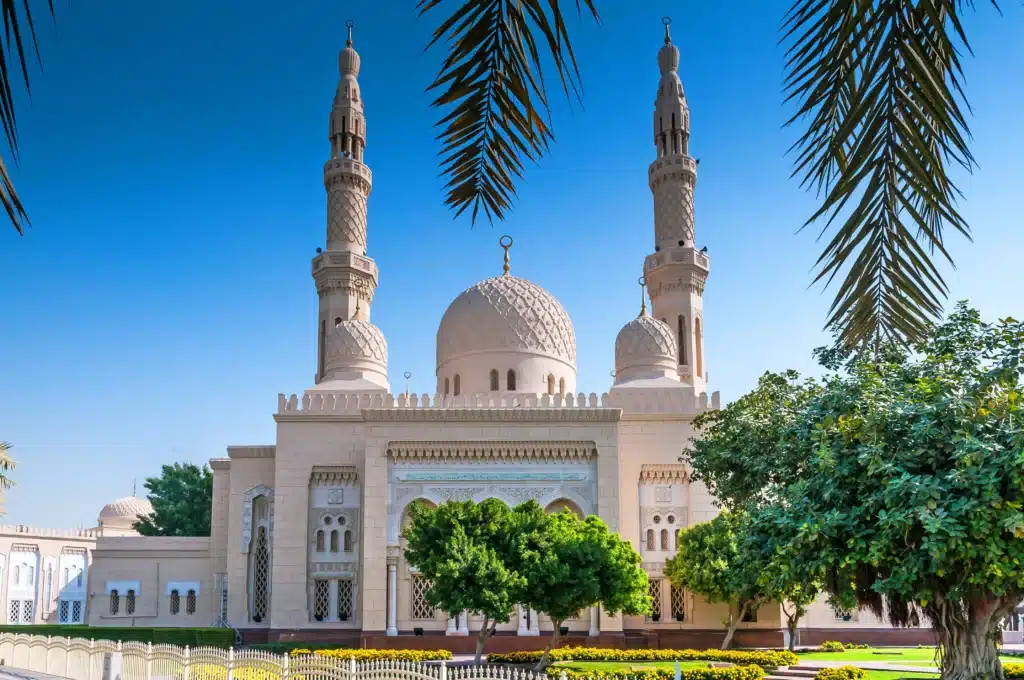
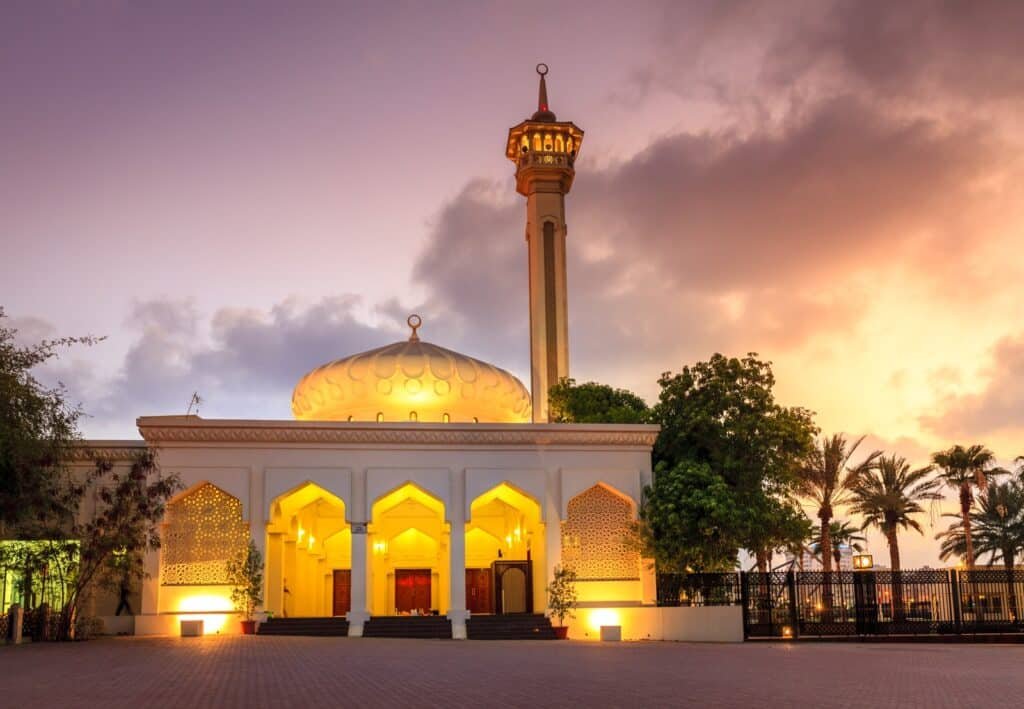
During Ramadan, mosques add Taraweeh prayers after Isha each evening — typically between 20 and 23 extra rak’ahs. In Dubai, Taraweeh usually begins approximately 30 minutes after Isha and lasts 45–90 minutes depending on the mosque. Large mosques such as Jumeirah Mosque and Grand Mosque in Bur Dubai fill quickly for Taraweeh. Arrive at least 20 minutes before Isha if you intend to pray there.
Dubai’s Mosque Infrastructure: A City Building for Its Community
Understanding where to pray is as important as knowing when. Dubai’s mosque infrastructure is among the most actively expanding of any city in the world.
Dubai’s Islamic Affairs and Charitable Activities Department inaugurated 29 new mosques across the emirate in 2025, built at a total cost of Dh250 million and with the capacity to accommodate up to 24,000 worshippers, distributed across 28 areas of Dubai. Construction is also underway on 53 mosques across 36 areas, with a total investment of Dh480 million — expected to accommodate up to 32,000 additional worshippers when complete.
In 2026, the expansion has continued at pace. Dubai opened 10 new mosques in the first weeks of 2026 and planned to inaugurate five more during Ramadan, as authorities seek to keep pace with rapid urban growth and rising demand for places of worship. Newly operational mosques include Zamzam Mosque in Al Barsha South 2, Al Ghani Mosque in Airport City, Al Hadi Mosque in Wadi Al Safa 5, Hind Saif Al Ghurair Mosque in Al Khawaneej 2, and Ali bin Abdullah Gargash Mosque in Umm Hurair 2.
Beyond numbers, Dubai is also innovating in mosque design. The UAE’s first 3D-printed mosque is expected to open in Dubai in the second quarter of 2026, according to IACAD. The structure has a floor area of 2,000 square metres and will accommodate 600 worshippers — constructed entirely from 3D-printed elements using a robotic printer capable of printing two square metres per hour.
Across the country’s 9,000-plus mosques, throughout Ramadan congregations gather and fill prayer halls for Taraweeh and late-night prayers. More than spiritual rejuvenation, these daily gatherings reinforce the significance of mosques as centres of their respective communities, where neighbours meet and build bonds that extend beyond the holy month.

Understanding the Five Prayers: A Practical Reference
Fajr — The Dawn Prayer
Performed between first light and sunrise. The window is narrow — typically 60 to 90 minutes in Dubai depending on the season. This is the prayer most easily missed due to sleep. Set two alarms: one 10 minutes before the start time, one at the exact time. Many experienced worshippers place their prayer mat and wudhu water the night before to remove morning friction.
Dhuhr — The Midday Prayer
Begins just after solar noon (Zawal) and lasts until the shadow of an object equals its own length. In Dubai’s working week, Dhuhr typically falls between 12:16 and 12:36 depending on the month. This is the prayer that most directly intersects with the workplace. Block your calendar for 10–15 minutes. Most Dubai office buildings have dedicated prayer rooms — identify yours if you haven’t already. Major malls including The Dubai Mall, Mall of the Emirates, and Deira City Centre all have clean, well-maintained musallas (prayer rooms).
Asr — The Afternoon Prayer
Falls in the mid-to-late afternoon, typically between 15:40 and 16:00 in the March–May window. Asr has the shortest duration window of the daytime prayers, particularly in summer as the hours compress. Note it in your diary and protect it.
Maghrib — The Sunset Prayer
Begins at sunset and has a short window of approximately 20–25 minutes before Isha begins its calculation. In the March–May period, Maghrib falls between 18:21 and 19:04. It is the prayer that marks Iftar during Ramadan. Its brevity means it must be prioritised — do not delay it on the assumption you have more time.
Isha — The Night Prayer
The final obligatory prayer of the day. In the March–May window, Isha falls between 19:51 and 20:33. Its window remains open until just before Fajr. Witr prayer, which is a strongly recommended sunnah, is typically performed after Isha before sleep.
Jumu’ah: Friday Prayer in Dubai
Friday prayer (Jumu’ah) replaces Dhuhr and is obligatory for adult Muslim men. Friday prayer in Dubai typically takes place between 12:15 PM and 1:15 PM. The actual time varies by mosque and is announced in advance — usually via mosque notice, IACAD’s app, or the mosque’s social media channels.
Dubai’s mosques fill to capacity before Jumu’ah, particularly in business districts such as DIFC, Downtown Dubai, and Deira. Parking near mosques comes under pressure on Fridays. More than 2,100 parking spaces across 59 mosques in Dubai are managed under Parkin’s paid parking system, with new M and MP signs installed in August 2025 to regulate access during peak prayer times. If you are driving to Friday prayer, allow 20–30 minutes extra and consider using the RTA’s parking guidance apps.
Friday sermons (Khutbah) in Dubai are delivered in Arabic at most mosques. IACAD has committed to extending English-language Khutbah coverage to 70% of mosques — a significant step for the emirate’s large non-Arabic-speaking Muslim population. Check IACAD’s mosque directory for your nearest English-language Friday sermon.
Travelling Across the UAE: How Times Shift by Emirate
Prayer times vary slightly between Dubai, Abu Dhabi, Sharjah, and other emirates due to differences in longitude and geography. The differences are typically between 3 and 8 minutes — small but meaningful if you are relying on a Dubai-set alarm while in Abu Dhabi or Ras Al Khaimah.
When travelling within the UAE for the day, always refresh your prayer app’s location. Do not rely on yesterday’s saved timings from a different city. Apps including IACAD’s Dulook, Muslim Pro, and Athan automatically update by GPS location if permissions are enabled — ensure this is turned on.
For those travelling outside the UAE, the rules on combining (Jam’) and shortening (Qasr) prayers during travel apply once you are beyond approximately 88 kilometres from your home city. Consult a scholar or reliable app guidance for your specific circumstances.
Practical Planning: Fitting Prayer Into Dubai Life
In the Workplace
Block Dhuhr and Asr in your calendar every day. Label them clearly — most colleagues in Dubai’s multicultural environment understand and respect the practice. Use the IACAD app to set automatic reminders that account for the daily shift in times, so you are not recalibrating manually every week.
If you manage a team, share the weekly prayer schedule on Sunday evening — a small act that signals cultural awareness and reduces scheduling friction. Dubai’s labour norms and most major employers fully accommodate prayer breaks. If your workplace does not have a musalla, identify the nearest mosque or prayer room in your building’s common areas.
For Travel and Appointments
Identify two nearby mosques for every regular appointment location. Add them to your map favourites. Knowing your nearest option in advance eliminates the panicked search when Asr approaches and you are across town.
Build a 10-minute buffer into any appointment that falls within 30 minutes of a prayer time. This is standard professional practice for Muslim professionals in Dubai and is understood and respected across industries.
For Wudhu on the Go
Many shopping malls, petrol stations, and office buildings in Dubai have well-equipped wudhu facilities. Keep a compact travel wudhu kit in your car or work bag — a small spray bottle, a clean microfibre towel, and a pair of clean socks. This removes the last practical barrier to maintaining the prayer schedule when away from home.
For Families with Children
Children learn the prayer rhythm best through observation and participation rather than instruction alone. A visible prayer timetable on the fridge, a small tick chart for completed prayers, and a calm, non-pressured approach builds lifelong habits. Visiting a mosque on a quiet weekday morning — when there is no rush and staff are available to answer questions — gives children a positive early association with the prayer space.
The Best Apps for Prayer Times in Dubai
IACAD Dulook (Official): The most authoritative source for Dubai specifically. Verified against IACAD’s published timetables. Includes mosque locations, Qibla direction, and widget support. Available on iOS and Android.
Muslim Pro: The world’s most widely used Islamic app, with a large Muslim community worldwide. Accurate for Dubai when set to UAE/IACAD calculation method. Includes Quran, Hadith, and prayer counter.
Athan (Azan): Clean interface, reliable calculations, popular among UAE residents. Supports multiple calculation methods.
Google and Apple Maps: Both platforms now surface prayer times in search results for “prayer times Dubai today” and will display the current and next prayer automatically. Useful for quick reference but not for nuanced Asr rule or Zawal calculations.
For the highest accuracy, always cross-reference your app’s times against IACAD’s official published timetable at iacad.gov.ae at least once a month, and recalibrate if your app shows a consistent discrepancy of more than two minutes.
Mosque Etiquette in Dubai: A Practical Reminder
Whether you are a regular worshipper or a visitor experiencing a mosque for the first time, Dubai’s mosque etiquette is consistent and respected:
- Dress: Wear clean, modest clothing. Men should have legs and arms covered. Women should cover hair, arms, and legs. Mosques typically provide abayas and coverings for visitors who are not dressed appropriately.
- Footwear: Remove shoes before entering the prayer hall. Use the racks provided. Keep your footwear tidy and avoid blocking walkways.
- Phones: Set to silent before entering. Step outside to take calls. Photography inside the prayer hall requires permission.
- Timing: Arrive before the Iqama (the second, shorter call signalling the prayer is starting), not at it. Arriving during the prayer and catching up with the Imam is valid but disrupts others.
- Non-Muslims: Several Dubai mosques welcome non-Muslim visitors for cultural tours. Jumeirah Mosque, run by the Sheikh Mohammed Centre for Cultural Understanding (SMCCU), offers tours Sunday, Tuesday, and Thursday at 10:00 AM. Book in advance via smccu.ae.
Frequently Asked Questions
What are today’s prayer times in Dubai? Prayer times shift daily based on the sun’s position. For today’s exact times, use the official IACAD app (Dulook), visit iacad.gov.ae, or search “prayer times Dubai today” on Google. The tables above cover key dates for March, April, and May 2026.
Who sets the official prayer times in Dubai? Prayer times in Dubai are set by the Islamic Affairs and Charitable Activities Department (IACAD), which is the official body that regulates prayer times in the emirate, taking into account Dubai’s exact geographical location in its computations.
How are Fajr and Isha times calculated in Dubai? Dubai uses an angle-based calculation. Fajr begins when the sun is 18.2 degrees below the horizon; Isha begins at the same angle after sunset — this is the method researched and applied to Dubai’s specific latitude and convention by IACAD. Small tuning adjustments of one to five minutes may differ from generic Gulf Region methods.
Are there differences between Dubai and Abu Dhabi prayer times? Yes. Due to the difference in longitude between the two cities, prayer times in Abu Dhabi typically differ from Dubai by approximately 3–8 minutes depending on the prayer and time of year. Always use location-based apps when travelling between emirates.
What time is Friday prayer (Jumu’ah) in Dubai? Friday prayer in Dubai typically takes place between 12:15 PM and 1:15 PM, replacing the Dhuhr prayer. Exact timing varies by mosque and is confirmed by IACAD’s published weekly schedule.
How many mosques are there in Dubai? Dubai’s IACAD inaugurated 29 new mosques in 2025 and a further 10 in the opening weeks of 2026, with 53 more under construction at a cost of Dh480 million. There are nearly 10,000 mosques across the UAE as a whole. Dubai’s mosque density continues to grow in line with the emirate’s population expansion.
Prayer timetables are based on IACAD published data for Dubai. Times shown are approximate and may vary by one to two minutes from mosque announcements due to local calculation rounding. Always verify today’s times through the official IACAD app or website.