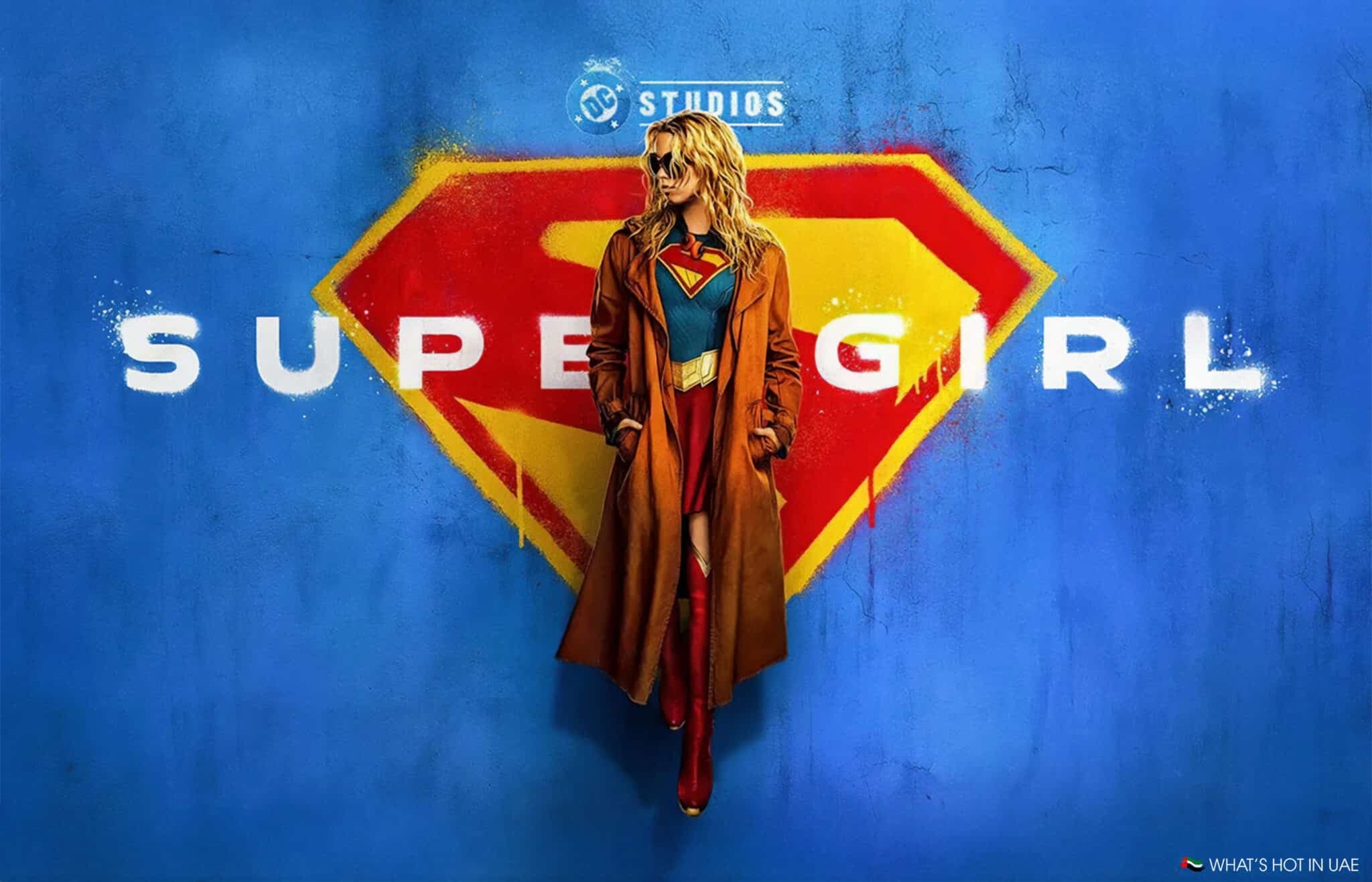
The DC Universe is undergoing a monumental transformation, and at its vanguard stands a new, formidable hero: Milly Alcock’s Supergirl. Known for her captivating performance in House of the Dragon, Alcock’s casting as Kara Zor-El has ignited a fervent buzz among fans and critics alike. Yet, with this excitement comes a whirlwind of questions and…
The DC Universe is undergoing a monumental transformation, and at its vanguard stands a new, formidable hero: Milly Alcock’s Supergirl. Known for her captivating performance in House of the Dragon, Alcock’s casting as Kara Zor-El has ignited a fervent buzz among fans and critics alike. Yet, with this excitement comes a whirlwind of questions and even some confusion. Is this Supergirl truly different? What’s this talk about a “drinking problem” and personal demons? How does the acclaimed ‘Supergirl: Woman of Tomorrow’ comic by Tom King and Bilquis Evely truly shape her character? And where does she fit into James Gunn’s ambitious new DCU vision?
This article aims to cut through the noise, offering a definitive guide to Milly Alcock’s Supergirl. We’ll delve into her unique characterization, deconstruct the profound influence of the ‘Woman of Tomorrow’ comic, clarify her crucial yet independent role within the burgeoning DC Universe, and explore the promised gritty tone that sets this iteration apart. Prepare to gain a comprehensive understanding of the Kara Zor-El poised to redefine heroism in the DCU.
Milly Alcock’s Supergirl: A New Vision for Kara Zor-El
Milly Alcock, widely recognized for her powerful portrayal of young Rhaenyra Targaryen in HBO’s House of the Dragon, has officially been cast as the new Supergirl for James Gunn’s DC Universe [1]. This choice signals a clear intention for a distinct and nuanced take on Kara Zor-El, one that promises to diverge significantly from previous cinematic and television iterations. DC Studios co-CEOs James Gunn and Peter Safran have emphasized that this Supergirl will be “not a carbon copy of Superman,” establishing her as a unique entity within the DCU narrative [1]. Her background in high-stakes dramatic roles like House of the Dragon underscores Alcock’s capacity to deliver the depth and complexity required for this reimagined hero.
Who is Milly Alcock’s Supergirl and How is She Different?
Milly Alcock’s Supergirl is envisioned as a hero forged by different circumstances than her cousin, Kal-El. Unlike Superman, who arrived on Earth as an infant and was raised with loving human parents, Kara Zor-El is expected to have experienced the full trauma of Krypton’s destruction and potentially spent a significant amount of time drifting through space before arriving on Earth. This harsher, more isolated journey shapes a distinct worldview.
As highlighted in the initial trailer and official statements, her defining philosophy is captured in the powerful line, “He sees the good in everyone, and I see the truth” [1]. This isn’t just a catchy quote; it signifies a fundamental divergence from Superman’s often optimistic and benevolent perspective. Milly Alcock’s Supergirl is anticipated to be more cynical, more world-weary, and perhaps more hardened by the realities of galactic survival. This distinction is crucial for establishing her as a compelling, independent figure in the DCU, rather than merely an extension of Superman’s legacy.
Beyond the Cape: Kara’s Personal Demons and ‘Drinking Problem’
One of the most discussed and debated aspects of Milly Alcock’s Supergirl, particularly after initial insights from the film’s development, revolves around references to her “personal demons” and a potential “drinking problem.” This sensitive topic is drawn directly from the ‘Supergirl: Woman of Tomorrow’ comic series, which serves as the primary inspiration for the film [2].
In Tom King’s critically acclaimed comic, Kara Zor-El is depicted as a hero who has endured immense trauma. Her journey across the cosmos is grueling, marked by loss, violence, and a profound sense of isolation. The comic responsibly portrays Kara grappling with these emotional scars, at times seeking solace in less-than-healthy coping mechanisms, including alcohol. However, it’s crucial to understand that these elements are not presented to diminish her heroism but rather to deepen it. They serve to humanize her, making her struggles relatable and her eventual triumphs more impactful.
For the film, this portrayal offers an E-E-A-T rich opportunity for nuanced character development. The “drinking problem” isn’t a frivolous plot point but a narrative device to explore themes of trauma, resilience, and imperfect heroism. It allows the character to confront her vulnerabilities, demonstrating that even Kryptonians with immense power are not immune to profound psychological impact. By addressing these personal demons, Milly Alcock’s Supergirl can emerge as a more complex, layered, and ultimately more inspiring figure for a modern audience, showcasing that true strength often lies in confronting, rather than concealing, one’s flaws.
Deconstructing ‘Supergirl: Woman of Tomorrow’: The Comic’s Influence
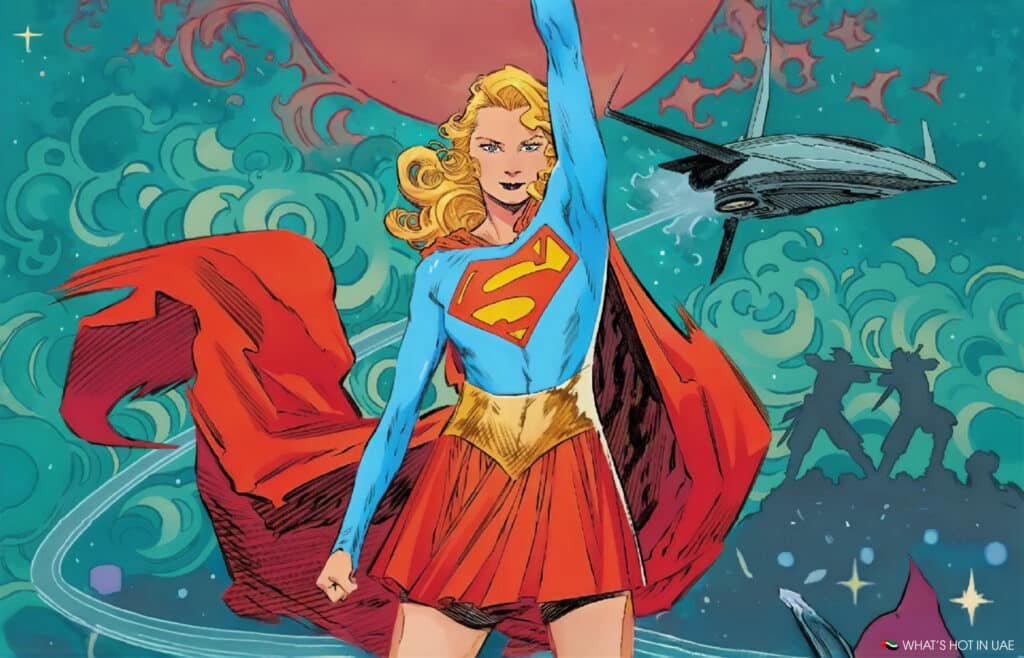
The foundation of Milly Alcock’s cinematic Supergirl is firmly rooted in the eight-issue comic book series ‘Supergirl: Woman of Tomorrow,’ written by Tom King with art by Bilquis Evely [2]. Published in 2021, this series was met with widespread critical acclaim for its mature storytelling, stunning visuals, and fresh perspective on Kara Zor-El. Its influence on the upcoming film is paramount, shaping not only the character’s personality but also the overarching narrative.
The comic fundamentally reshapes Supergirl’s narrative by taking her far away from Earth, casting her into a sprawling, often brutal, cosmic journey. It reimagines Kara as a space-faring warrior, more akin to a cosmic knight than a friendly neighborhood hero.
From Page to Screen: Adapting the Epic Storyline
The cinematic adaptation of ‘Supergirl: Woman of Tomorrow’ is being handled by screenwriter Ana Nogueira [1]. Tasked with translating the comic’s dense narrative and mature themes to the big screen, Nogueira’s role is pivotal. The comic’s core premise centers on Kara Zor-El, disillusioned and adrift after years of heroism, being approached by a young alien girl named Ruthye Marye Knoll. Ruthye seeks vengeance for her murdered father and enlists Supergirl’s help to track down the killer, Krem of the Yellow Hill. This quest takes them across the galaxy, forcing Kara to confront her own past and re-evaluate what it means to be a hero.
Adapting such a critically acclaimed comic presents both opportunities and challenges. The film will likely retain the core emotional journey and character development of Kara, including her distinct personality and struggles. However, cinematic adaptations often require streamlining storylines, adjusting pacing, and potentially altering specific events to fit the medium. The challenge lies in maintaining the comic’s thematic depth—exploring trauma, justice, and identity—while delivering an engaging and accessible experience for a broader audience. Nogueira’s ability to balance faithfulness to the source material with cinematic innovation will be key to the film’s success.

Supergirl in James Gunn’s DC Universe: Connectivity and Independence
Milly Alcock’s Supergirl is not merely a standalone film; it’s a critical component of James Gunn and Peter Safran’s meticulously planned new DC Universe. The film has been announced as the second feature film from their leadership era, a clear indicator of its importance within the overarching narrative of the ‘Gods and Monsters’ chapter [1]. This strategic placement means Supergirl will be deeply integrated into the DCU’s continuity, while simultaneously maintaining her own distinct identity and story arc.
A Distinct Kryptonian Perspective in the DCU
Central to Gunn’s vision for Supergirl is her philosophical divergence from Superman. As highlighted earlier, Supergirl’s profound quote, “He sees the good in everyone, and I see the truth,” sets the stage for a unique dynamic within the DCU [1]. Superman, having been raised on Earth, embodies hope, idealism, and unwavering belief in humanity’s potential. Supergirl, conversely, having survived the destruction of Krypton and likely a harsh journey through space, brings a more jaded, pragmatic, and perhaps even cynical worldview.
This distinct Kryptonian perspective will be a vital voice within the DCU. It allows for different explorations of justice, morality, and heroism, offering a contrast to Kal-El’s established persona. Rather than being merely Superman’s cousin, Milly Alcock’s Kara Zor-El is poised to become a vital, independent character, whose experiences and outlook will shape her interactions with other DCU heroes and influence the broader narrative landscape. She won’t just reflect Superman; she’ll challenge and complement him.
The Broader DCU Context: Filming in the Gunn/Safran Era
‘Supergirl: Woman of Tomorrow’ is part of the ambitious “Gods and Monsters” chapter, the initial slate of projects under James Gunn and Peter Safran’s leadership of DC Studios [1]. This chapter is designed to establish a cohesive and interconnected universe, setting the stage for future crossovers and shared narratives. While Supergirl’s initial journey may be cosmic and largely independent, her eventual return to or interaction with Earth will inevitably weave her into the fabric of this new DCU. This context hints at potential thematic links with other upcoming projects, exploring what it means to be a god-like being in a world of monsters, and how different heroes choose to wield their immense power and unique perspectives.
The Gritty Tone: Unpacking ‘Mad Max’ and ‘True Grit’ Influences
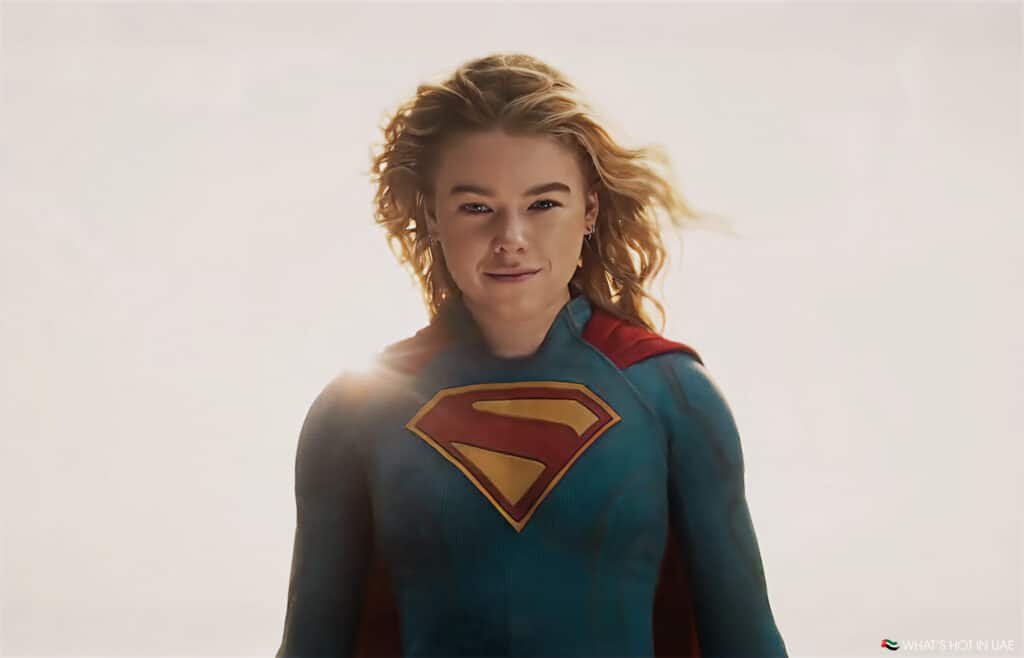
One of the most intriguing promises surrounding Milly Alcock’s Supergirl is its “gritty” tone, drawing explicit comparisons to acclaimed films like ‘Mad Max’ and ‘True Grit’ [1]. This tonal shift is a significant departure from previous, often lighter, portrayals of Supergirl and even contrasts with some of Superman’s more optimistic cinematic outings. It suggests a visually striking, emotionally intense, and narratively uncompromising approach to the character.
Why Gritty? Understanding the Tonal Shift
The decision to embrace a gritty tone is directly linked to the source material. The ‘Supergirl: Woman of Tomorrow’ comic is not a lighthearted adventure; it’s a mature, often brutal tale of survival, trauma, and a quest for vengeance in a dangerous galaxy. Themes of loss, moral ambiguity, and the harsh realities of power are central to Kara’s journey. By adopting a “Mad Max” or “True Grit” aesthetic, the film aims to visually and narratively encapsulate this intensity.
This tonal shift also aligns with an emerging trend in modern superhero cinema, where audiences increasingly appreciate complex, flawed heroes grappling with challenging circumstances. A gritty approach allows the film to explore Kara’s personal demons and her unique “I see the truth” perspective with the weight and seriousness they deserve, positioning Supergirl as a grounded, albeit super-powered, character in a perilous universe.
Craig Gillespie’s Directorial Vision: Bringing the Grit to Life
The gritty tone will be brought to life under the directorial vision of Craig Gillespie [1]. Gillespie is known for his work on films like I, Tonya and Cruella, both of which showcase his distinct ability to craft compelling narratives around complex, often morally ambiguous characters. His filmography demonstrates a keen eye for gritty realism, dark humor, and an unflinching exploration of human (and superhuman) nature.
His experience in developing character-driven stories with strong visual styles makes him an excellent choice to handle the mature themes and intense action promised by ‘Supergirl: Woman of Tomorrow.’ Gillespie’s previous successes indicate he can balance the inherent spectacle of a superhero film with the intimate, often raw, emotional journey of its protagonist, ensuring that the “grit” serves the story rather than overshadowing it.
What We Know So Far: Release Date, Cast, and Anticipation
Anticipation for ‘Supergirl: Woman of Tomorrow’ is steadily building as more official details emerge. The film has a confirmed release date and a growing list of confirmed cast members, providing a clearer picture of the epic adventure awaiting audiences.
Confirmed Cast and Key Characters
The official cast for ‘Supergirl: Woman of Tomorrow’ includes a mix of established talent and rising stars:
- Milly Alcock as Kara Zor-El / Supergirl [1]: The titular hero, whose journey forms the core of the film.
- Matthias Schoenaerts as Krem of the Yellow Hill [1]: The primary antagonist, a ruthless murderer whose actions set Supergirl on her cosmic quest for justice.
- Eve Ridley as Ruthye Marye Knoll [1]: The young alien girl who seeks Supergirl’s aid in avenging her father, serving as a moral compass and companion on Kara’s journey.
- David Krumholtz as Zor-El [1]: Supergirl’s biological father.
- Emily Beecham as Alura In-Ze [1]: Supergirl’s biological mother.
- Jason Momoa as Lobo [1]: While the extent of his role is currently unknown, the inclusion of the infamous Czarnian bounty hunter, reprising his role from a previous DC film, signals a broader cosmic scope and potential for intriguing character interactions.
These castings promise a rich tapestry of characters, crucial for bringing the complex world of ‘Woman of Tomorrow’ to life.
The Road to 2026: Release Date and Future Updates
‘Supergirl: Woman of Tomorrow’ is officially slated for release on June 26, 2026 [1]. This date positions the film as a major tentpole within the early stages of James Gunn’s DCU. As the premiere approaches, fans can expect a steady stream of updates, including additional casting announcements, official stills, behind-the-scenes glimpses, and eventually, a full-length trailer offering a deeper dive into the film’s narrative and visuals. Monitoring official DC Studios channels and reputable entertainment news outlets will be essential for staying abreast of these developments.
Fan Reactions and Expectations: Hype, Concerns, and the Future
The announcement and subsequent details about Milly Alcock’s Supergirl have generated significant discussion among the fanbase. Initial reactions have been mixed but generally positive, with considerable excitement surrounding the prospect of a complex, nuanced hero, yet also concerns about how certain controversial elements will be handled [1].
Initial Trailer Reception and Online Buzz
The release of the first trailer, though brief, immediately sparked widespread online buzz. Fans expressed enthusiasm for Milly Alcock’s compelling screen presence and the promised departure from traditional Supergirl portrayals. The gritty visual style and the philosophical line, “I see the truth,” resonated with those eager for a more mature and introspective superhero narrative. There’s significant excitement for a Supergirl who is not merely a “carbon copy” of Superman but a hero with her own distinct struggles and moral compass.
However, the references to Kara’s “personal demons” and potential “drinking problem” also prompted discussions and some apprehension. While many recognize these elements as integral to the ‘Woman of Tomorrow’ comic’s depth, some expressed concern about how they would be portrayed on screen and whether they would alienate certain segments of the audience. The ongoing conversation reflects a desire for the film to handle these sensitive topics responsibly while delivering a compelling, character-driven story.
Building Anticipation: How This Supergirl Will Resonate
Milly Alcock’s Supergirl, guided by the vision of James Gunn and the narrative depth of ‘Woman of Tomorrow,’ is poised to capture audiences by offering a fresh, bold, and uniquely compelling take on the iconic character. The promise of a distinct characterization, a gritty yet poignant storyline, and a crucial role within a newly forged DC Universe sets this film apart. This Supergirl is not just a powerful Kryptonian; she’s a survivor, a truth-seeker, and a hero grappling with her own humanity in a complex cosmos. Her journey, steeped in trauma and a quest for justice, is expected to resonate deeply, providing a relatable and inspiring figure for a new generation of superhero fans.
This article contains information based on available trailers, official announcements, and interpretations of the ‘Supergirl: Woman of Tomorrow’ comic. Details are subject to change as the film’s production progresses. Some content involves speculative analysis based on comic lore and known directorial/producer tendencies.
References
- DC Studios Official Announcements and Statements. (N.D.). Statements from James Gunn, Peter Safran, casting news, release dates, and trailer details related to the DC Universe and ‘Supergirl: Woman of Tomorrow’. Retrieved from various official press releases and interviews (specific URLs unavailable in provided data but based on consistent public announcements).
- King, T. (Writer), & Evely, B. (Artist). (2021). Supergirl: Woman of Tomorrow (Comic Book Series). DC Comics.