In an era where travel is an intrinsic part of our lives, the assurance of safety is paramount. Every year, millions of passengers entrust their journeys to airlines, seeking not just efficiency and comfort, but above all, an unwavering commitment to safety. For 2026, the highly anticipated rankings from the global authority in aviation safety,…
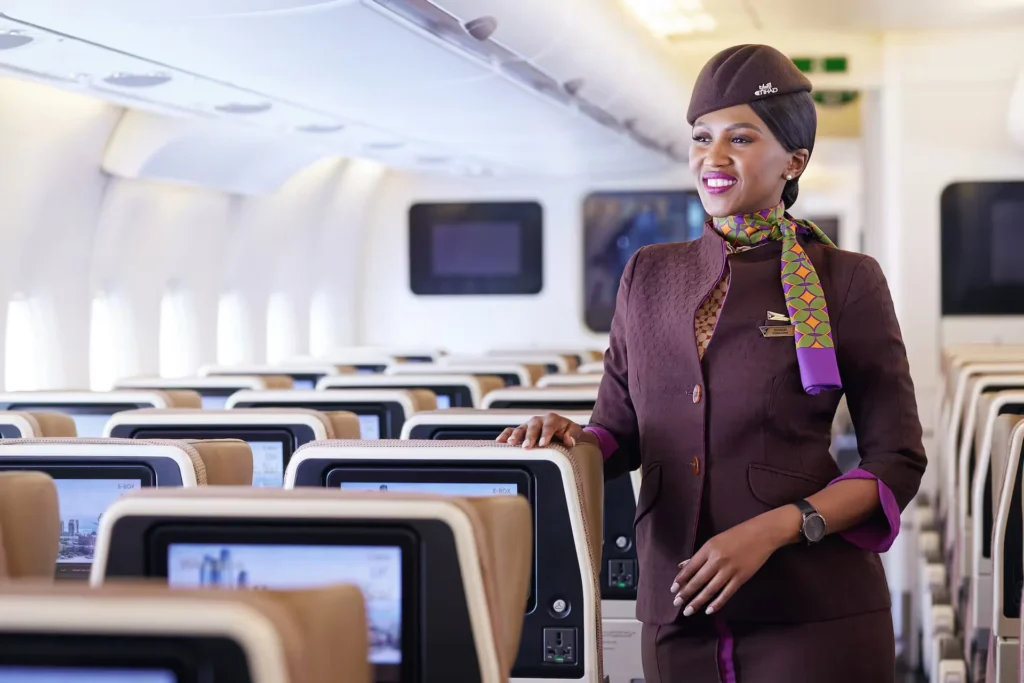
In an era where travel is an intrinsic part of our lives, the assurance of safety is paramount. Every year, millions of passengers entrust their journeys to airlines, seeking not just efficiency and comfort, but above all, an unwavering commitment to safety. For 2026, the highly anticipated rankings from the global authority in aviation safety, AirlineRatings.com, have been unveiled, offering travellers a definitive guide to the world’s safest airlines. This year, one carrier has truly distinguished itself, rising to the pinnacle of aviation excellence: Etihad Airways, now officially the world’s safest full-service airline.
This comprehensive guide will delve into the intricacies of these rankings, exploring the rigorous methodology behind AirlineRatings’ assessments, shedding light on what makes an airline truly safe, and celebrating the achievements of carriers like Etihad, Emirates, and flydubai. Our goal is to empower you with the knowledge to make informed decisions, so you can fly with absolute confidence, knowing you’ve chosen a carrier that prioritises your well-being above all else. Discover why Etihad’s safety ranking is so significant and how the AirlineRatings 2026 report impacts your travel choices.
The World’s Safest Airlines for 2026: The Global Rankings Unveiled
For travellers seeking the utmost assurance, knowing which are the world’s safest airlines for 2026 is crucial. According to the authoritative 2026 report by AirlineRatings.com, Etihad Airways has achieved the coveted top spot among full-service carriers, marking a significant milestone in global aviation safety. The competition among the safest full-service airlines remains incredibly tight, underscoring the universal commitment to passenger safety across leading carriers. AirlineRatings.com CEO Sharon Petersen highlighted this fierce competition, stating, “Less than four points covered positions one through 14, and at the very top the margins were even tighter, with just 1.3 points separating positions one through six”[1]. This demonstrates that while Etihad emerged as number one, the entire top tier represents airlines with exceptionally high safety standards.
Etihad Airways: Rising to the Apex of Aviation Safety
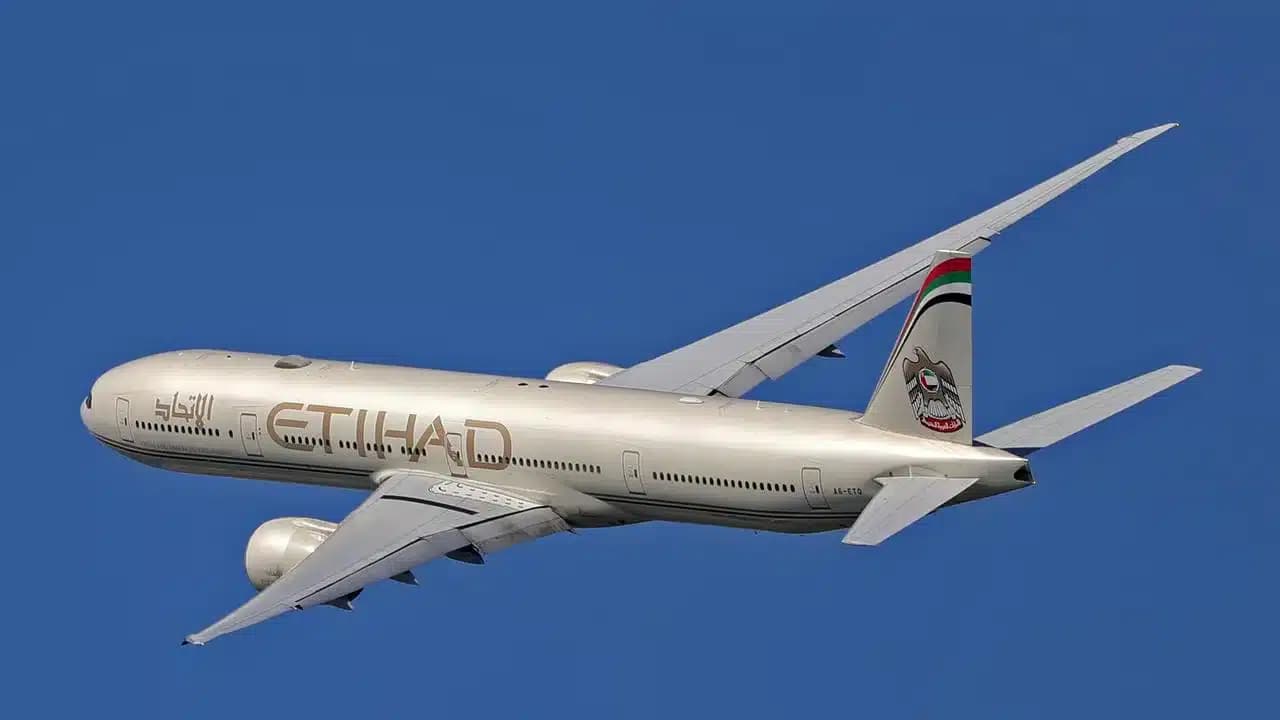
Etihad Airways’ ascent to the #1 position as the world’s safest full-service airline for 2026 is a testament to its relentless dedication to operational excellence and passenger well-being. This achievement makes Etihad the first Gulf carrier to take the top spot in these prestigious global rankings[1]. Travellers frequently ask, “How safe is Etihad Airways?” and “What makes Etihad the safest airline?” The answer lies in a confluence of factors meticulously assessed by AirlineRatings.com.
Etihad’s strengths, as cited by AirlineRatings, include its remarkably young fleet, strong cockpit safety systems, and excellent turbulence management protocols. Furthermore, a pristine crash-free history and the lowest incident rate per flight significantly bolstered its standing[1]. The airline also participates actively in independent onboard safety audits, demonstrating a robust adherence to the highest standards of cabin safety and turbulence procedures, directly contributing to its superior safety outcomes. This consistent performance ensures that flying with Etihad offers unparalleled peace of mind.
Emirates and flydubai: UAE’s Strong Presence in Global Safety
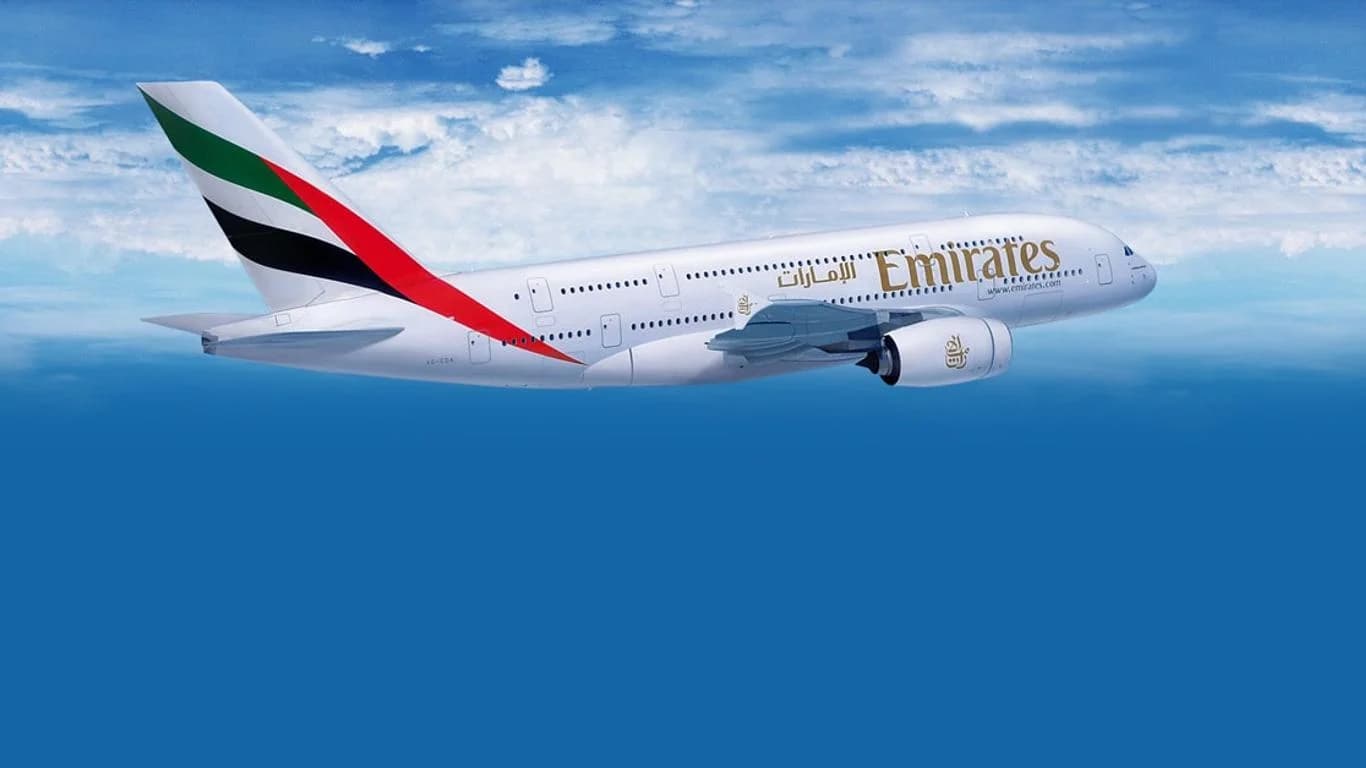
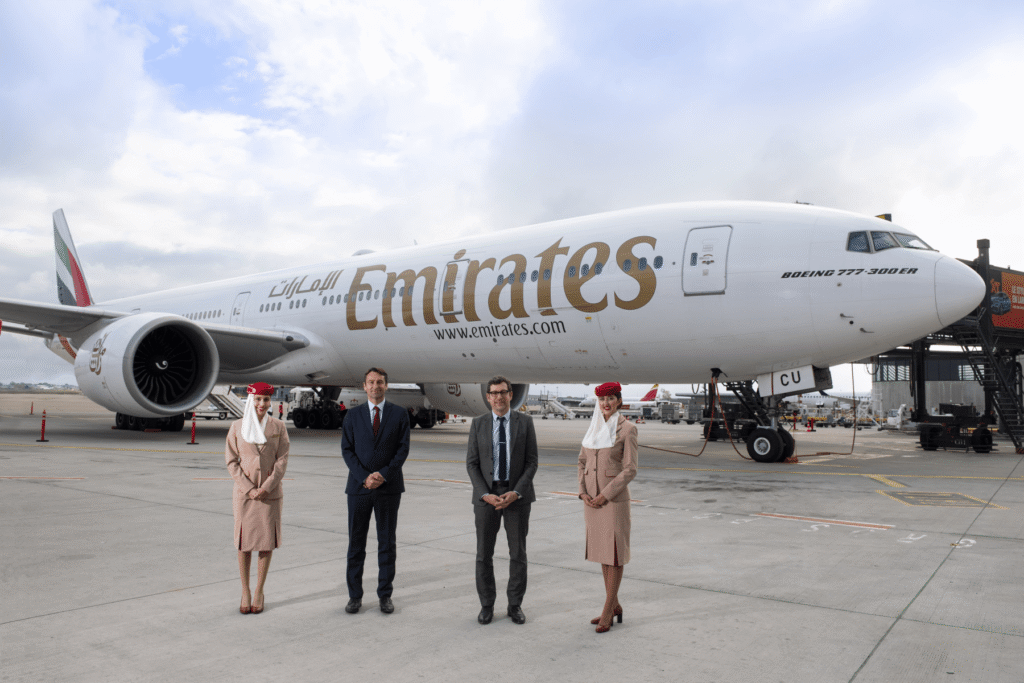
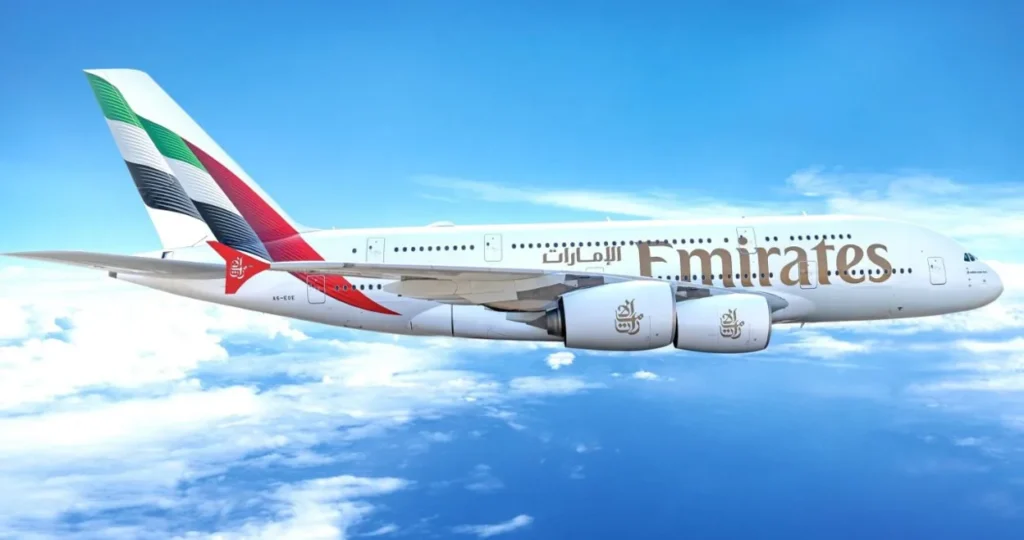
The UAE’s commitment to aviation safety extends beyond Etihad Airways, with other prominent carriers also demonstrating impressive safety records. Emirates, another flag-bearer for the region, secured the #5 position in the global rankings for full-service airlines, further solidifying the nation’s reputation for safe air travel[1]. For those wondering, “How safe is Emirates airline?”, its consistent presence in the top tier provides a clear answer: exceptionally safe.
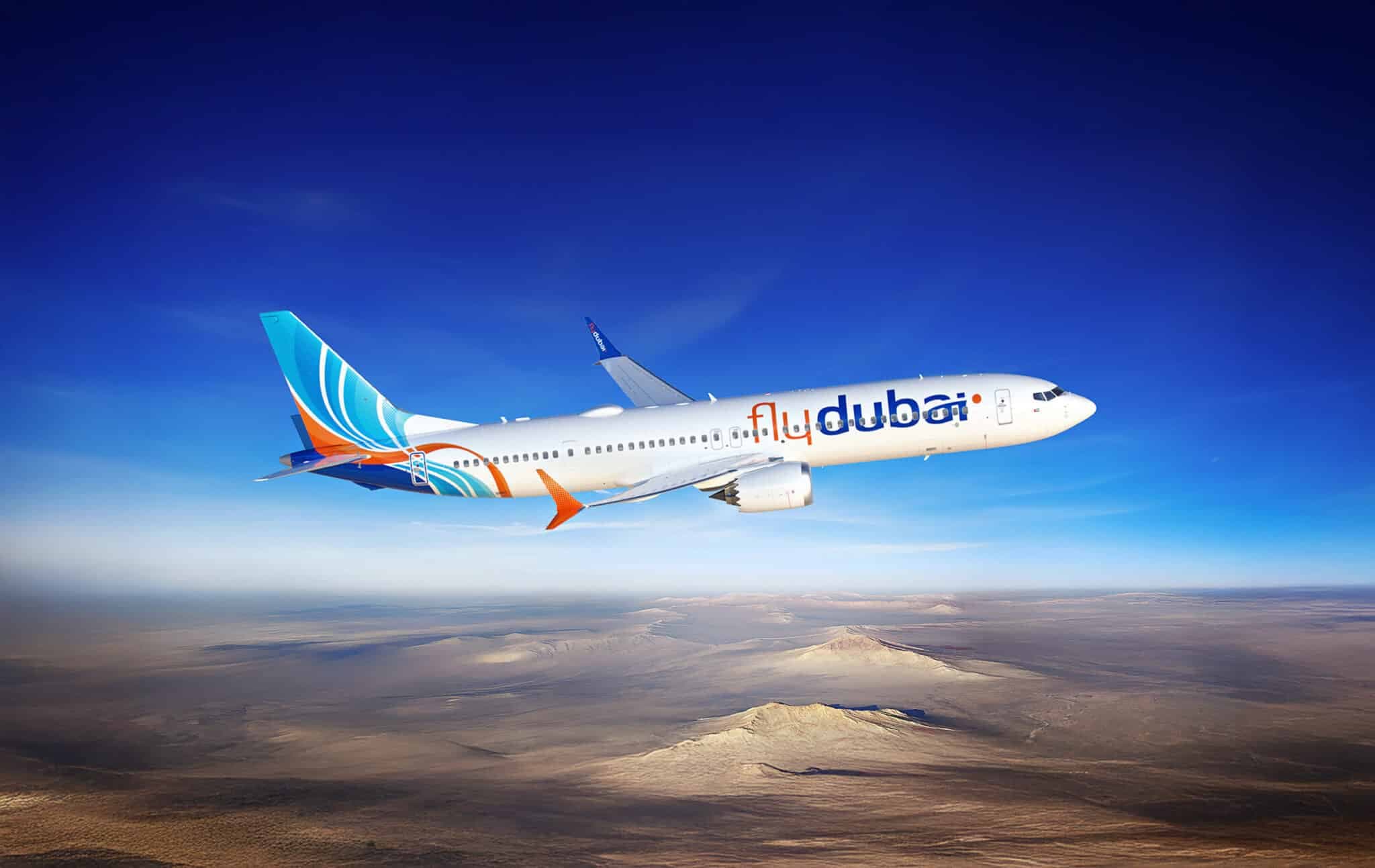
Moreover, flydubai, a rapidly growing low-cost carrier, earned its place in the Top 25 safest low-cost airlines category[1]. These rankings collectively underscore the UAE’s growing influence in global aviation safety and operations, showcasing a regional dedication to upholding the highest international standards. When considering which UAE airlines are ranked safest, both Etihad and Emirates lead the full-service category, while flydubai excels among low-cost options.
Beyond the Top 5: Other Leading Full-Service and Low-Cost Carriers
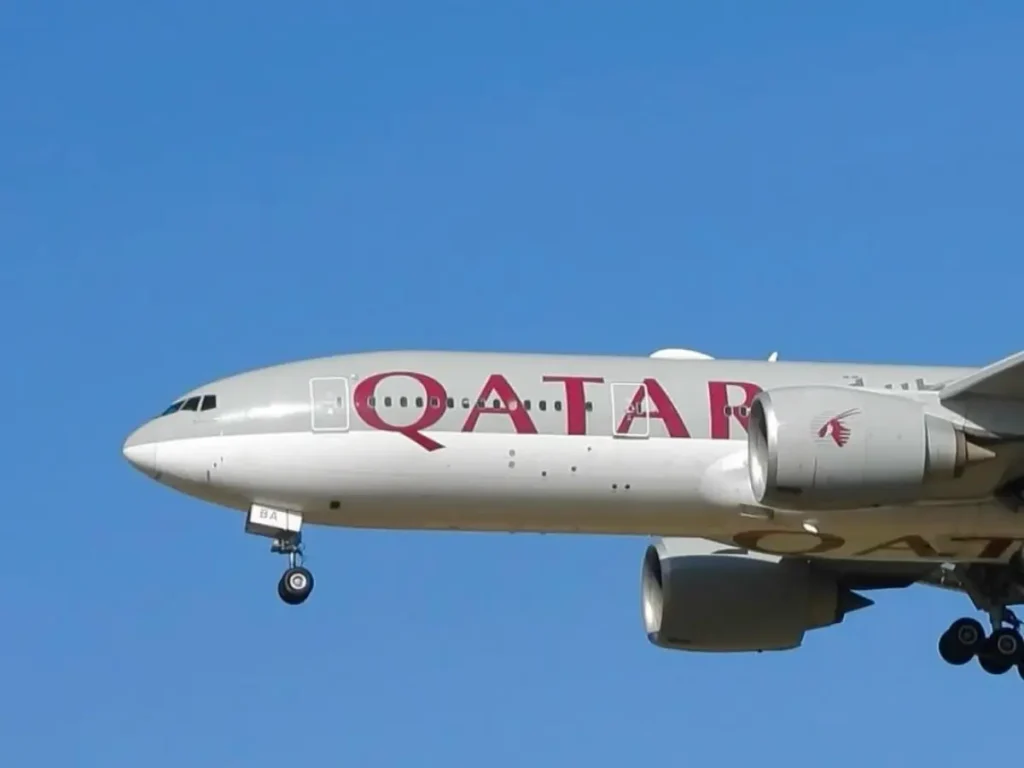
While the top positions garner significant attention, the overall landscape of aviation safety globally reveals a high standard across numerous carriers. Beyond Etihad and Emirates, other top-rated airlines for safety in the full-service category include perennial leaders such as Cathay Pacific, Qantas, Qatar Airways, Singapore Airlines, Virgin Atlantic, ANA, and British Airways[1]. These airlines consistently demonstrate robust safety records and stringent operational protocols, proving why they are considered airlines with the best safety records.
In the realm of budget travel, the safest low-cost airlines also maintain impressive safety standards. Notable mentions in the Top 25 low-cost list include Jetstar, Scoot, easyJet, Wizz Air Group, Ryanair, AirAsia, and Southwest[1]. This year’s rankings also saw Spring Airlines China make its debut as the first Chinese airline in these specific rankings, alongside AirBaltic, which achieved a significant jump, reflecting its improved safety profile[1]. As Sharon Petersen from AirlineRatings.com affirms, “all airlines in the Top 25 are global leaders in aviation safety”, and that “small numerical differences should not be interpreted as major safety gaps”[1]. This perspective reassures passengers that choosing any airline from these lists means opting for a demonstrably safe journey.

Decoding AirlineRatings’ Methodology: What Makes an Airline Safe?
Understanding what factors contribute to airline safety rankings is key to appreciating the credibility of these assessments. AirlineRatings.com employs a meticulous and dynamic airline safety methodology, updated annually to reflect the evolving landscape of aviation. The process is designed to provide comprehensive insights, answering the critical question: “What is AirlineRatings methodology for airline safety?”
For the 2026 rankings, AirlineRatings considered a rigorous set of criteria, including incident rates adjusted for total flights, fleet age, and the severity of any serious incidents. Crucially, it also evaluates pilot training standards and adherence to international safety audits[1]. A notable enhancement for the 2026 rankings was a greater emphasis placed on turbulence prevention. Airlines’ participation in the IATA Turbulence Aware programme and other independent onboard safety audits became even more crucial elements in the assessment, highlighting a proactive approach to mitigating the leading cause of in-flight injuries[1], [2].
Beyond the Checklist: The Human Element and Advanced Systems
Airline safety extends far beyond merely avoiding crashes; it encompasses a comprehensive system that minimises risks at every turn. Beyond the foundational metrics, the human element and advanced technology play pivotal roles. Strong cockpit safety systems, exemplified by top airlines like Etihad, incorporate state-of-the-art navigation, communication, and automation technologies that enhance situational awareness and aid pilots in complex scenarios. These systems are constantly updated and refined to meet the highest industry standards.
Equally vital are excellent pilot training standards. These programs go beyond basic licensing, focusing on continuous education, simulator training for diverse scenarios, and rigorous checks on decision-making under pressure. This commitment to ongoing professional development ensures that flight crews are not only proficient in routine operations but also adept at managing unexpected challenges, thereby mitigating human error and operational risks. Robust maintenance schedules, adherence to stringent flight safety protocols, and a culture of continuous improvement further solidify the safety framework, making every flight as secure as possible.
Mitigating In-Flight Risks: Turbulence Management and Passenger Safety
For many passengers, concerns regarding specific in-flight risks, especially turbulence and its potential for injury, are very real. The reality, backed by data from AirlineRatings’ methodology, is that turbulence remains the leading cause of in-flight injuries[1]. Top airlines are not just reactive but proactive in addressing this challenge, significantly enhancing passenger safety.
Etihad’s excellent turbulence management was a key factor contributing to its #1 ranking for 2026[1]. This involves a combination of advanced weather forecasting, real-time data analysis, and sophisticated onboard systems that help pilots anticipate and navigate turbulent conditions more effectively. A significant development in this area is the IATA Turbulence Aware programme. This innovative platform allows airlines to share real-time turbulence data, creating a more accurate and comprehensive picture of atmospheric conditions globally[2]. Participation in such programs and the effective utilisation of their data enable airlines to plan safer routes, make timely altitude adjustments, and provide clearer warnings to passengers, thereby minimising the impact of turbulence and enhancing overall passenger comfort and safety. This proactive approach underscores the difference between simply reacting to conditions and actively preventing potential issues, further reassuring passengers about the safety standards of modern air travel, including low-cost airlines, which also adhere to strict safety measures.
Why Choose a Top-Ranked Safe Airline (and How to Book)
The benefits of flying with highly-ranked safe airlines, such as Etihad and Emirates, are numerous and primarily centre on providing travellers with unparalleled peace of mind and confidence in their travel choices. While the overall safety of modern aviation is extremely high for top carriers, choosing an airline with a proven safety record offers an additional layer of reassurance, particularly for long-haul and international travel. These airlines invest heavily in state-of-the-art fleets, rigorous maintenance, and advanced training, which translates into an exceptionally reliable and secure journey.
Making Informed Decisions for Your Next Journey
When faced with the difficulty in distinguishing between top-ranked airlines when safety margins appear small, making informed travel decisions becomes crucial. While all airlines in the AirlineRatings Top 25 are globally leading in safety, travellers can refine their choice by considering several factors. Look beyond the raw ranking to specific strengths mentioned for each airline, such as fleet age, specific safety systems, or participation in advanced programs like IATA Turbulence Aware. Consider the airline’s operational history, its investment in pilot training, and its reputation for proactive safety measures. Reviews and anecdotal evidence, when credible, can also offer insights into an airline’s commitment to passenger well-being. Ultimately, your airline choice’s safety should align with your personal comfort levels and priorities, ensuring a journey that feels secure from take-off to landing.
Experience the #1 Safest: Booking Your Flight with Etihad
With its undisputed #1 safety ranking for 2026, Etihad Airways stands out as a premier choice for international travel. If you’re ready to experience world-class safety combined with renowned service, booking your flight with Etihad Airways is a decision backed by the highest standards of aviation safety. As a leading carrier from the UAE, Etihad exemplifies the region’s commitment to excellence, aligning perfectly with “What’s Hot in UAE” in terms of top-tier travel options. Explore Etihad flight deals and embark on your next adventure with the confidence that comes from flying with the world’s safest full-service airline.
Conclusion
The 2026 AirlineRatings.com report unequivocally places Etihad Airways at the pinnacle of global aviation safety, solidifying its position as the world’s safest full-service airline. This remarkable achievement, rooted in a young fleet, advanced cockpit systems, superior turbulence management, and a crash-free history, offers travellers unprecedented peace of mind. The robust and evolving methodology employed by AirlineRatings.com, which increasingly emphasises factors like incident rates, pilot training, and turbulence prevention programs, provides a transparent and authoritative benchmark for the industry.
Beyond Etihad, the strong presence of Emirates (ranked #5) and flydubai (in the Top 25 low-cost carriers) highlights the growing influence and unwavering commitment to safety from UAE carriers in the global aviation landscape. While the margins between top-tier airlines are incredibly fine, indicating a generally high standard of safety across the board, choosing a top-ranked airline like Etihad empowers you to make informed travel choices. Flying with confidence means understanding the rigorous efforts behind these rankings and selecting a carrier that prioritises your well-being above all else.
Ready to experience world-class safety and service for your next adventure? Explore your travel options with Etihad Airways or other top-ranked airlines today, and embark on your journey with absolute peace of mind.
References
- AirlineRatings.com. (2025/2026). World’s Safest Airlines 2026 Rankings and Methodology. Retrieved from https://www.airlineratings.com
- International Air Transport Association (IATA). (N.D.). IATA Turbulence Aware Programme. Retrieved from https://www.iata.org/turbulence-aware