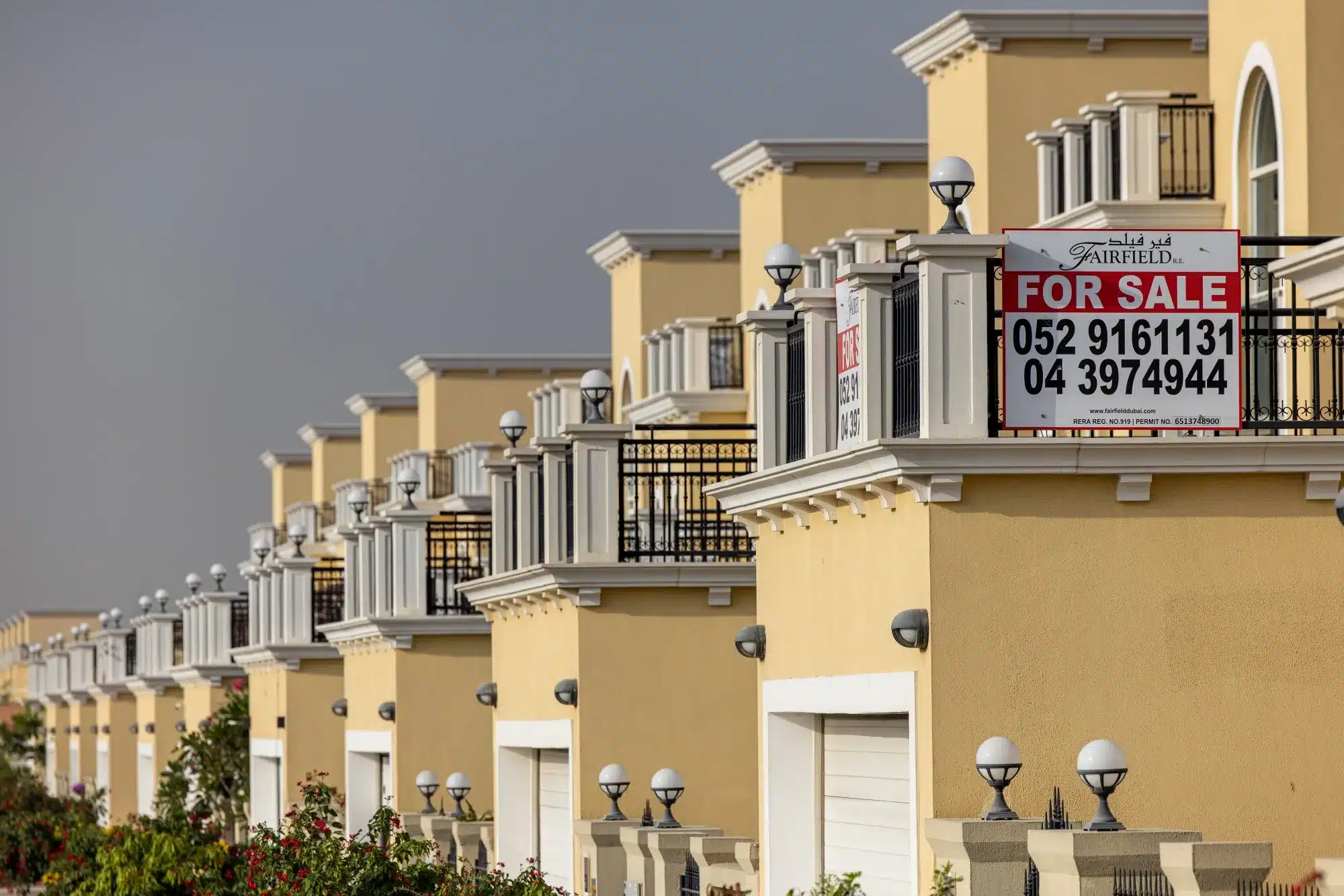
For years, the narrative around Dubai’s property market has been one of relentless ascent, leaving many to wonder if the post-pandemic boom would ever cool down. Now, it has. The city’s real estate market has recorded its first price drop since the boom began, marking a significant shift for both seasoned investors and aspiring homeowners. This isn’t just a blip; it’s a recalibration, presenting unique opportunities for those who understand the underlying dynamics. The recent dip in Dubai home prices, though influenced by regional geopolitical shifts, presents a significant opportunity for first-time homebuyers in the UAE looking to enter the market, offering a more accessible entry point than seen in recent years. This is a crucial moment for anyone considering a property purchase here, as the landscape shifts from aggressive growth to value-driven decisions. What’s Hot in UAE is here to guide you through this evolving market, providing data-backed insights and actionable advice for cautious investors and potential first-time buyers alike.
In This Article
- Understanding Dubai’s Property Market Shift: Correction or Crash?
- The Geopolitical Currents: How Regional Tensions Impact Dubai Real Estate
- Dubai Home Prices and the UAE Market: What First-Time Buyers Need to Know
- Developers Pivot: Flexible Payment Plans and Rent-to-Own Schemes
- Beyond the Hype: Uncovering Value in Dubai’s Off-Plan vs. Secondary Markets
- The ‘Wait-and-See’ Approach: Who’s Pausing and What It Means for You
- Dubai Property Forecast: Expert Outlook on Future Growth and Stability
- Frequently Asked Questions
Understanding Dubai’s Property Market Shift: Correction or Crash?
Dubai’s property market is currently undergoing a ‘healthy correction’ rather than a crash, according to industry experts. Following an unprecedented 70% price surge since the pandemic, the residential price index saw a 5.9% decline in March. This adjustment reflects a shift from speculative hype towards more value-driven investment decisions, indicating a natural recalibration of the market.
For years, the narrative around Dubai real estate has been one of relentless ascent. However, recent data from property consultancy ValuStrat confirms a 5.9% fall in the residential price index in March 2026. This marks a sharp turn for a market that has seen continuous, record-breaking growth since 2020. Despite this dip, industry experts are quick to differentiate it from a crash, characterising it as a necessary market correction in Dubai.
An analyst speaking to ZAWYA noted, “The market is simply catching its breath. We are moving from a period of hype to a period of value-driven decisions.” This perspective is critical, suggesting a necessary rebalancing after an intense period where residential price index values had risen by over 70% since the pandemic, making it one of the most expensive periods in the city’s history. This recalibration is a sign of market maturity, moving away from speculative buying towards sustainable growth, a trend that What’s Hot in UAE has been closely monitoring.
The Geopolitical Currents: How Regional Tensions Impact Dubai Real Estate
Regional geopolitical tensions, particularly those involving Iran, have significantly impacted Dubai’s real estate market by dampening international investor confidence. This has led to a ‘wait-and-see’ approach among buyers, resulting in a nearly 30% plunge in secondary market transaction volumes. The uncertainty encourages caution, causing a slowdown in what was previously a rapidly expanding market.
The primary catalyst for this market cooling is the escalating regional geopolitical tensions, particularly those involving Iran. These tensions have demonstrably dampened investor appetite, leading many international buyers to pause their investment plans in the Middle East. Data from Anadolu Agency indicates that transaction volumes in the secondary market plunged by nearly 30% over the last month. This substantial drop underscores a collective “wait-and-see” approach, especially among high-net-worth individuals and institutional investors.
The previous “frenzy” has cooled significantly, as buyers become more cautious in the face of uncertainty. This shift in investor confidence in Middle East markets highlights the interconnectedness of regional affairs and Dubai real estate market dynamics. What’s Hot in UAE provides ongoing analysis of how these broader geopolitical currents translate into local economic impacts, affecting international buyers in Dubai and their investment strategies.
Dubai Home Prices and the UAE Market: What First-Time Buyers Need to Know
For first-time buyers in the UAE, the recent dip in Dubai home prices presents a unique opportunity. After a period of rapid growth, the market correction means potential for more favourable entry points. Residents should explore areas with recent price adjustments, consider flexible payment plans, and consult local experts to navigate the market effectively and identify value-driven purchases in AED.
This shift could be of significant benefit for people looking to buy their first home here in the UAE, as prices have dropped a bit. This is a stark contrast to the previous market, where securing a property felt like a race against ever-increasing prices. Now, the landscape offers a chance for more considered decisions, making buying a first home in Dubai a more realistic prospect.
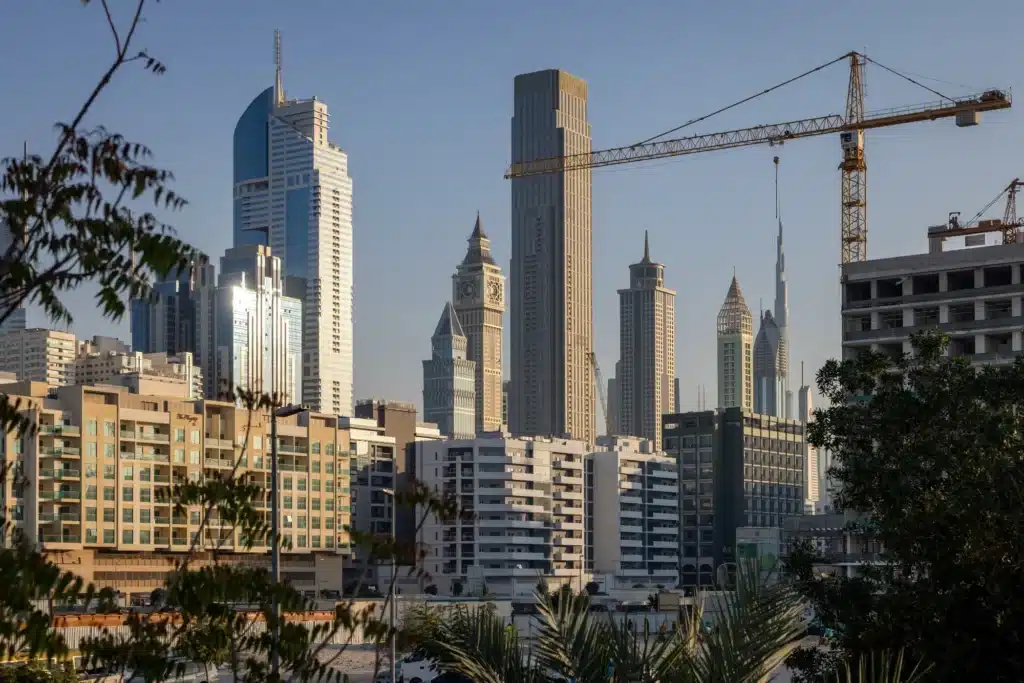
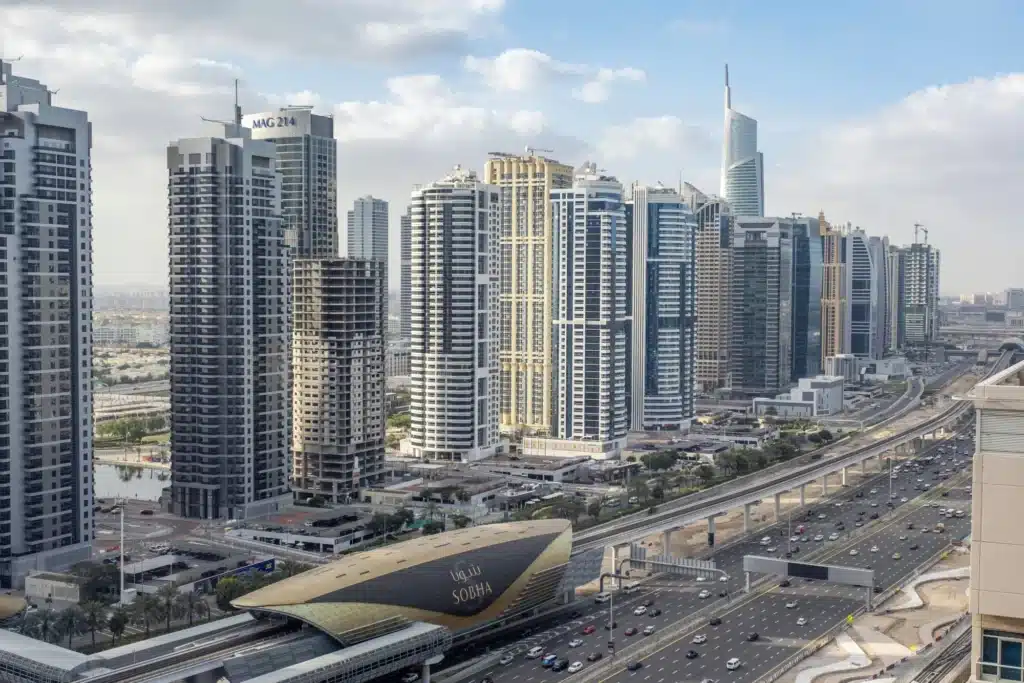
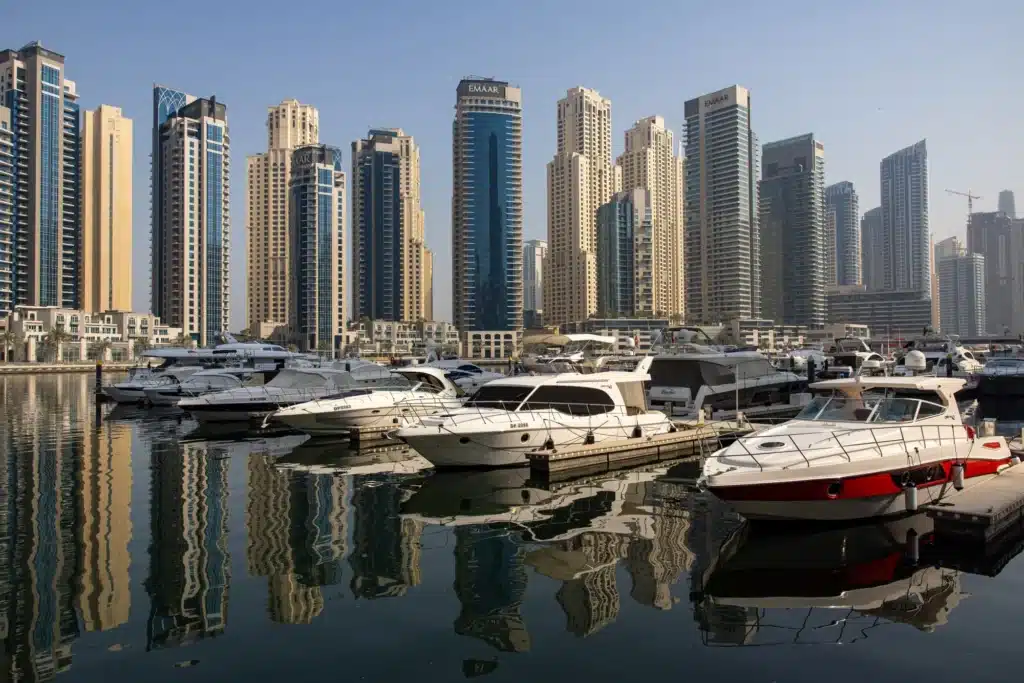
In popular expat communities like Jumeirah Lake Towers (JLT) and Dubai Marina, where studios and 1-bedroom apartments are highly sought after by young professionals, asking prices for rentals have also begun to stabilise after aggressive increases, though sales prices are the primary focus of the decline. Local real estate forums and community groups, often frequented by long-term expat residents, are now seeing increased discussions around negotiating tactics for property purchases and securing better deals, a stark contrast to the ‘take-it-or-leave-it’ attitude prevalent during the peak boom. This environment allows for more leverage and a better chance to find properties within a reasonable budget, with UAE property prices typically quoted in AED. What’s Hot in UAE, with its deep local expertise, recommends consulting reputable real estate agencies that specialise in assisting first-time buyers to navigate the current average house price in Dubai.
Developers Pivot: Flexible Payment Plans and Rent-to-Own Schemes
To counter the market slowdown, Dubai’s major developers are reintroducing flexible payment plans and ‘rent-to-own’ schemes. Flexible payment plans typically involve staggered payments over construction or post-handover. Rent-to-own allows tenants to convert rent payments into equity towards a purchase, often with an agreed-upon price. Both aim to make property acquisition more accessible and stimulate buyer interest.
In response to the cooling market, major developers in the UAE are reportedly reintroducing buyer-friendly incentives that were common before the boom. These include flexible payment plans in Dubai and ‘rent-to-own’ schemes in the UAE, designed to make property ownership more accessible. For instance, major developers like Emaar and Damac, who previously saw properties sell out off-plan within hours during the boom, are now actively promoting extended post-handover payment plans. These plans sometimes stretch up to 50% over 2-3 years, specifically to attract buyers in prime areas such as Downtown Dubai and Dubai Hills Estate. This strategic pivot in Dubai developers’ strategy aims to alleviate the upfront financial burden for buyers and stimulate demand in a more cautious market, making buying property in Dubai more attainable. What’s Hot in UAE closely tracks these developer offerings, providing readers with up-to-date information on the most advantageous schemes available.
Beyond the Hype: Uncovering Value in Dubai’s Off-Plan vs. Secondary Markets
In Dubai’s current market, off-plan properties offer stability, attracting long-term investors with ongoing developments and potential for future appreciation. Conversely, the secondary market for existing homes has seen a significant slowdown, with reduced transaction volumes. Value in off-plan often lies in developer incentives and future growth, while the secondary market may present opportunities for immediate occupancy and potential negotiation on price.
The current market presents a divergent picture between the off-plan and secondary sectors. While the secondary market for existing homes has slowed significantly, the off-plan sector remains relatively stable, supported by long-term investors. These investors are often drawn to the promise of future appreciation and the structured payment plans offered by developers, making off-plan Dubai investment an attractive long-term play. In contrast, the secondary market of Dubai property, which deals with ready-to-move-in properties, has experienced a more pronounced dip in transaction volumes. This creates a fascinating dynamic: off-plan offers a long-term play with developer incentives and potential for future Dubai apartment prices appreciation, while the secondary market might present opportunities for immediate occupancy and potential negotiation for those seeking ready properties. A savvy Dubai property investment strategy involves carefully weighing the immediate benefits of the secondary market against the future growth potential of off-plan developments. What’s Hot in UAE advises a thorough analysis of both segments to uncover the best value.

The ‘Wait-and-See’ Approach: Who’s Pausing and What It Means for You
The ‘wait-and-see’ approach in Dubai’s property market primarily involves international buyers, particularly those in luxury segments, who are pausing investments due to regional geopolitical uncertainties. They are awaiting clearer signals of stability and potential deeper market corrections before committing. This collective caution significantly impacts transaction volumes and overall market momentum, prolonging the current cooling period.
The ‘wait-and-see’ approach has become a defining characteristic of the current market, especially among international buyers. This group often comprises ultra-high-net-worth individuals and institutional investors who typically drive the luxury segment. The drop in active buyer inquiries was even more pronounced in luxury areas like Palm Jumeirah and Emirates Hills, reflecting a cautious investor sentiment in Dubai. These sophisticated buyers are not necessarily abandoning Dubai but are instead awaiting clearer signals of geopolitical stability, more transparent market direction, or potentially deeper price corrections before re-engaging. This real estate investment caution is also influenced by global economic uncertainties and fluctuating interest rates. While Dubai’s luxury segment has seen this pronounced caution, the more stable Abu Dhabi market, with its strong government support and long-term investment profile, has shown greater resilience to immediate geopolitical shifts. This collective pause by a significant segment of the market directly impacts transaction volumes and overall momentum, contributing to the current cooling period and shaping the Dubai property market outlook. What’s Hot in UAE decodes these complex market behaviours, providing clarity for its audience.
Dubai Property Forecast: Expert Outlook on Future Growth and Stability
Experts forecast that Dubai’s property market is undergoing a necessary ‘healthy correction’, rather than a sustained decline. While rapid price hikes have temporarily plateaued, the long-term outlook remains positive, driven by value-driven decisions and continued development. Stability is expected to return as geopolitical tensions ease and investor confidence solidifies, positioning Dubai for sustainable growth.
Despite the current slowdown, the consensus among industry experts is that Dubai’s property market is experiencing a healthy correction rather than a prolonged downturn. The rapid price hikes that defined the last four years appear to have reached a temporary ceiling, allowing the market to rebalance. The summer slowdown, typically observed between July and August due to residents travelling and extreme heat, is expected to exacerbate the current market dip, with real estate agents anticipating fewer viewings and slower transaction closures during these months than in previous years. However, analysts reiterate the sentiment that the market is “catching its breath” and moving towards “value-driven decisions.” This suggests a future where growth is more sustainable and less speculative, supported by Dubai’s ongoing infrastructure development, population growth, and its status as a global hub. The Dubai property forecast remains optimistic for long-term Dubai property investment, with a focus on market stability Dubai as geopolitical tensions ease and investor confidence solidifies. What’s Hot in UAE is committed to providing forward-thinking, reliable market predictions to help you navigate this evolving landscape.
Frequently Asked Questions
Is Dubai’s property market crashing?
No, experts largely agree that Dubai’s property market is undergoing a healthy correction. After an unprecedented post-pandemic boom with over 70% price growth, the recent 5.9% dip in the residential price index signifies a rebalancing towards more sustainable, value-driven decisions rather than a crash.
How are geopolitical tensions affecting Dubai home prices?
Regional geopolitical tensions, particularly those involving Iran, have dampened international investor confidence. This has led to a ‘wait-and-see’ approach among buyers, resulting in a significant slowdown in transaction volumes, especially in the secondary market, as investors become more cautious.
What does this mean for first-time homebuyers in the UAE?
The current market adjustment presents a unique opportunity for first-time buyers. With prices stabilising and developers reintroducing flexible payment plans, entry points into the market are becoming more accessible. It’s an opportune time to explore properties and negotiate better deals.
Are developers offering new incentives to buyers?
Yes, major developers in the UAE are actively reintroducing buyer-friendly incentives. These include extended flexible payment plans, sometimes stretching post-handover for several years, and ‘rent-to-own’ schemes. These aim to make property acquisition more manageable and stimulate buyer interest.
Should I invest in off-plan or secondary market properties in Dubai now?
The off-plan sector remains relatively stable, attracting long-term investors with its future growth potential and developer incentives. The secondary market, however, has seen a more significant slowdown, potentially offering opportunities for immediate occupancy and price negotiation for savvy buyers.
When is the best time to buy property in Dubai?
While market timing is always complex, the current period of correction, especially before the typical summer slowdown, could offer favourable conditions. With prices adjusting and developers offering incentives, informed buyers may find better value now compared to the peak boom years.
Update, July 2026: The correction has continued to soften rather than deepen. ValuStrat’s Price Index fell a further 1.9% in April and 1.2% in May, before easing to just -1.0% in June — bringing the index to 220.0 points, essentially flat year-on-year (+0.1%). In other words, the sharp single-month drop that triggered this story has settled into a gentle, decelerating slide, supporting the “healthy correction” reading below rather than a deeper downturn.
Conclusion
Dubai’s property market is navigating a significant shift, moving from a period of unprecedented growth to a healthy correction. This rebalancing, influenced by regional geopolitical factors, is not a cause for alarm but rather an invitation for informed engagement. For first-time buyers, this presents a unique window of opportunity, with more accessible entry points and developer incentives. For investors, it’s a call to pivot towards value-driven decisions and long-term strategies. The city’s skyline continues to grow, signifying its enduring appeal, but the focus has undeniably shifted to sustainable growth and strategic investment. What’s Hot in UAE remains your trusted guide for understanding and capitalising on these evolving market dynamics.
Stay ahead of Dubai’s dynamic property market. Subscribe to What’s Hot in UAE for the latest insights, expert analysis, and exclusive updates on real estate trends and opportunities in the Emirates.