Aston Martin has delayed its first fully electric vehicle launch to 2033-2035, prioritising V8 and V12 engines to meet customer demand and regulations.
Key Takeaways
- Aston Martin delayed its first fully electric vehicle launch to between 2033 and 2035, shifting focus to internal combustion engines.
- CEO Adrian Hallmark confirmed the brand’s commitment to meeting market demands while preparing for regulatory changes.
- Consumer preference for combustion sounds impacts the timeline; Aston Martin aims to bridge the transition with hybrid technology.
- The brand partners with Lucid Motors and Mercedes-Benz to develop advanced electric systems for its future architectures.
- Aston Martin ensures continued availability of V8 and V12 engines through at least 2035 to maintain brand heritage.
Aston Martin has officially pushed back the launch of its first fully electric vehicle (EV) to a window between 2033 and 2035. This shift marks a significant departure from previous targets, which had aimed for a debut as early as 2025 or 2030. Instead, the British marque is pivoting to prioritise its internal combustion engine (ICE) lineup, ensuring its signature V8 and V12 models remain compliant and available through at least 2035.
The New Timeline: Aston Martin’s EV Debut Pushed to 2033
The revised roadmap for Aston Martin’s electrification is no longer a matter of “if” but “when,” though the “when” has moved considerably further into the next decade. CEO Adrian Hallmark has clarified that the brand is targeting a three-year window for its first battery-electric vehicle (BEV) launch, starting in 2033. He explicitly noted that the debut is not scheduled for 2031, effectively placing the arrival of a fully electric flagship in the mid-2030s.
This timeline follows a series of adjustments to the company’s electrification strategy. Originally, the brand had targeted 2025, before pushing the goalposts to 2027, then 2030, and finally settling on the current 2033–2035 window. This delay allows the manufacturer to focus on meeting immediate market demands while preparing for the legislative shifts expected in the mid-2030s.
Why the Delay? Demand, Sound, and Regulation
The decision to delay the EV transition is driven by a combination of shifting regulatory landscapes and unexpected consumer behaviour. Hallmark described the company’s stance as being “not BEV deniers but BEV delayers,” noting that battery-electric vehicles are primarily required to satisfy legislative compliance in specific markets just before 2035. Because European Union and UK rules will require all new vehicles sold to be zero-emissions by 2035, Aston Martin is using the intervening years to anchor its brand in its traditional strengths.
Crucially, the luxury segment is showing a distinct preference for the sensory experience of combustion engines. Executive Chairman Lawrence Stroll highlighted that demand for high-end EVs at an Aston Martin price point has been lower than the company initially anticipated two years ago. He noted that the brand’s core sports car customers have been vocal about their preferences, stating: “We still want sound. We still want smell.”
This feedback has led the company to focus on bridging the gap with hybrid technology rather than rushing into a purely electric era that might alienate its most loyal enthusiasts.
The Future of the V8 and V12
For collectors and enthusiasts, the news provides a reprieve: the era of the high-performance V8 and V12 is not ending imminently. Aston Martin is committed to keeping these iconic powertrains compliant and available through at least 2035. The strategy is to use these legacy combustion engines to maintain the brand’s “cultural cachet” while the technological transition to electric matures.
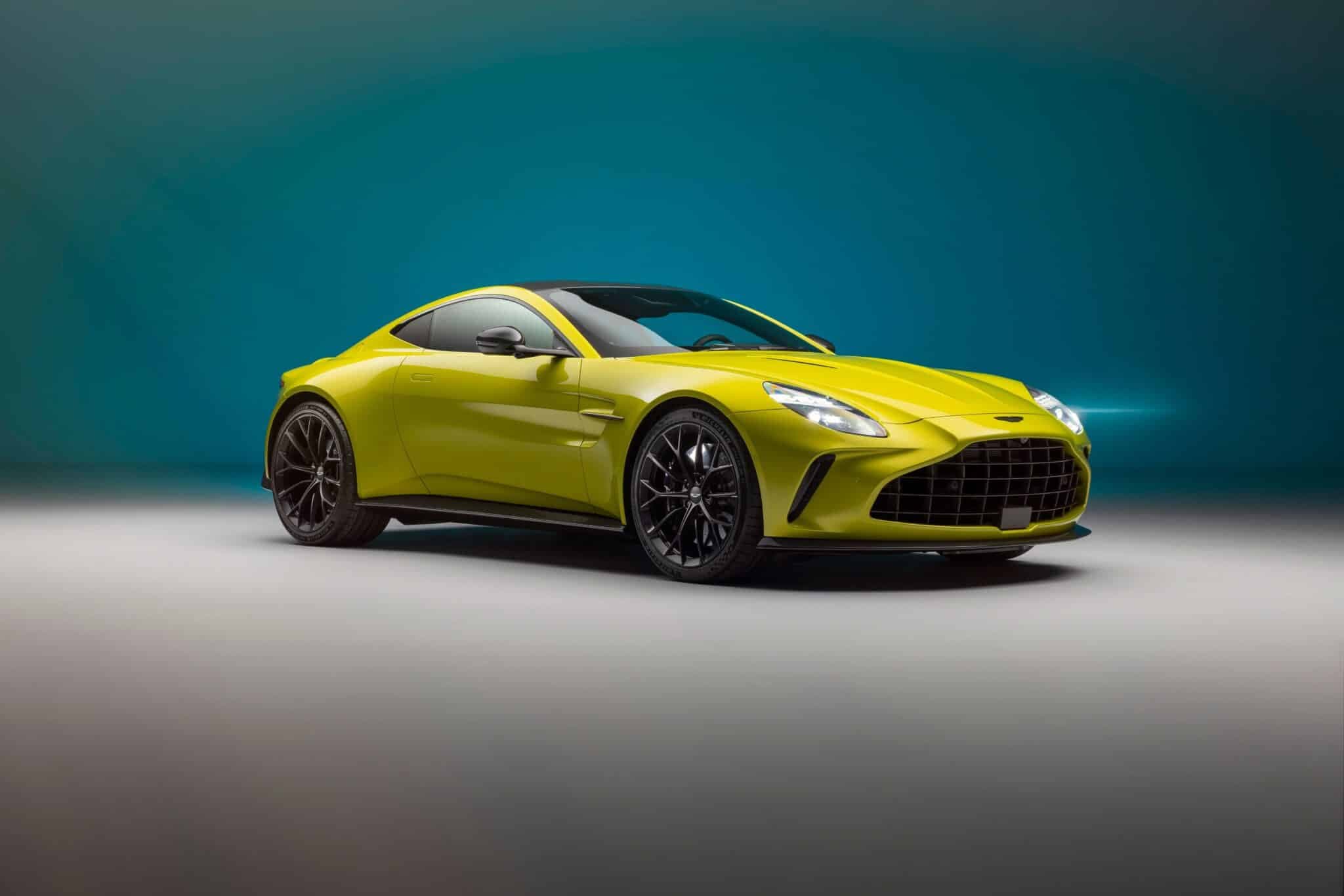
To manage this transition, the company is working on incorporating plug-in hybrid electric vehicle (PHEV) technology into its current front-engine sports car platforms. Models such as the DB12 and Vantage are expected to see these electrified powertrain options arrive between 2025 and 2026. However, Hallmark has expressed opposition to certain types of electrification, specifically noting that the massive weight of plug-in hybrid systems can be a “dealbreaker” for a performance-focused marque.
Building the Foundation: Lucid and Mercedes-Benz Partnerships
Despite the delay in launching a full EV, Aston Martin is not starting its electric journey from scratch. The company is leveraging high-level technical partnerships to ensure that when the 2033 window arrives, the technology is world-class.
- Lucid Motors: Through a 2023 partnership, Aston Martin will integrate advanced electric vehicle technology from the American startup into its future architectures. This includes access to Lucid’s expertise in high-performance electric powertrains and battery systems, which will underpin a bespoke, all-new BEV platform.
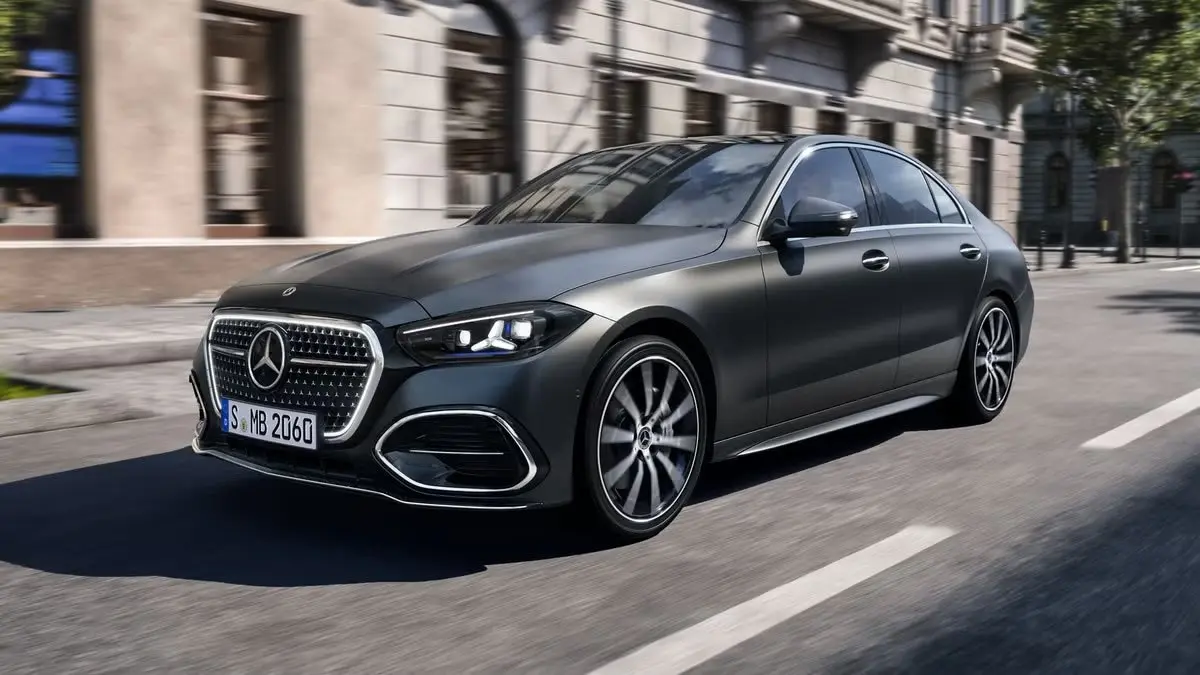
- Mercedes-Benz: The brand continues to utilise its relationship with Mercedes-Benz to improve its electrical systems, electronic architectures, and overall powertrains.
This dual-supplier approach is intended to create a single, modular platform capable of supporting everything from hypercars to SUVs, ensuring that the eventual transition to electric power maintains the driving dynamics expected of the brand.