Discover how Balenciaga is blurring the lines between haute couture and ready-to-wear, applying high-craft techniques to everyday luxury staples in SS27.
Key Takeaways
- Balenciaga integrates high-craft couture techniques into its Summer 2027 ready-to-wear lines, enhancing everyday luxury staples.
- The brand treats couture as a working method, applying it to redefine typical garments with sophisticated draping and construction.
- The Summer 2027 collection features a vibrant color palette and innovative designs inspired by the work of textile sculptor Aude Franjou.
- “Stealth” is our interpretation of the design approach, not a named commercial strategy announced by Balenciaga. Assess the construction of the particular retail piece.
- The strongest buying question is what the construction changes on the body. A runway appearance does not confirm UAE retail stock or a price.
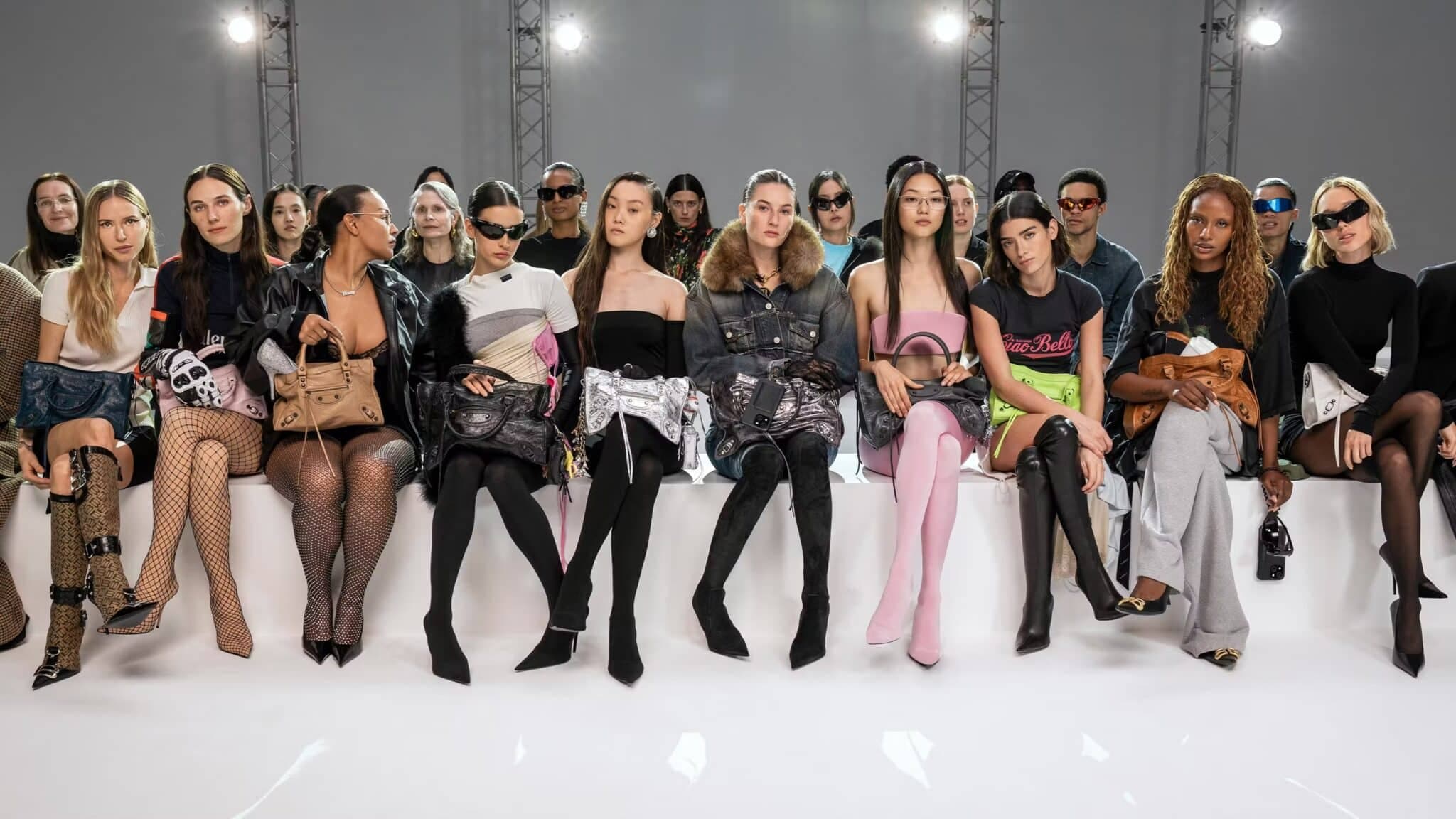
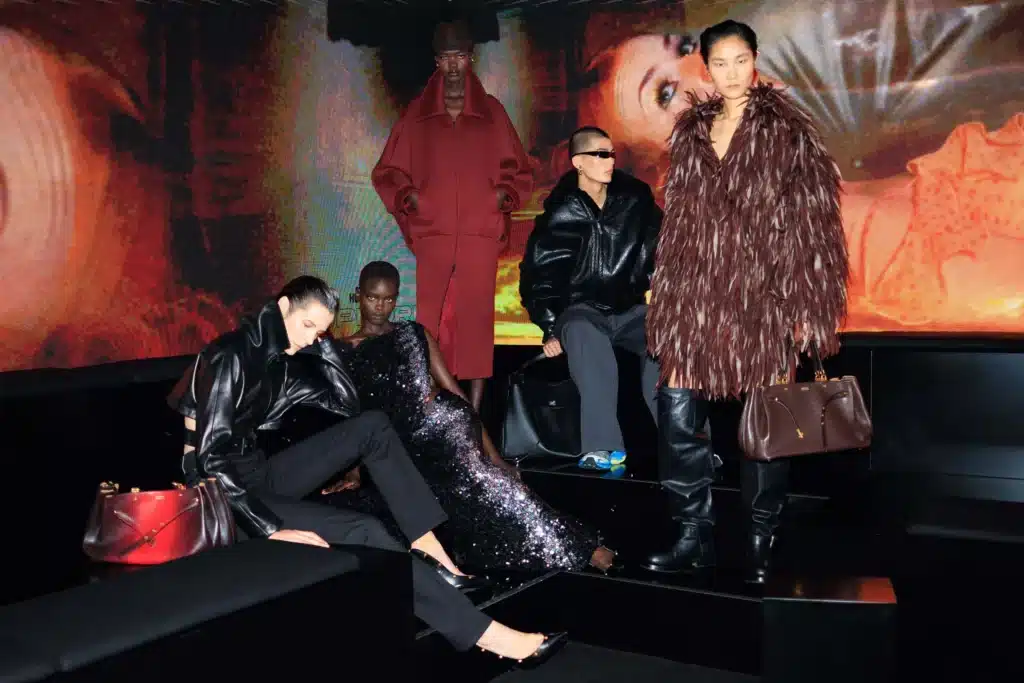
The interesting Balenciaga question is not whether a bomber can borrow a couture label. It is whether the cut makes an ordinary garment worth looking at twice. Pierpaolo Piccioli’s Summer 2027 collection puts that question to shirts, denim and outerwear. I’m far more interested in a shape that changes how the clothes sit than in another claim that everything on a runway is automatically extraordinary. The photographs here are styling illustrations, not documentation of the runway looks; use the linked house collection for that reference.
The design verdict: make the shape earn its place
My buying rule here is simple: the piece should still appeal without the collection notes beside it. Look at the shoulder, drape and proportion; then ask whether those details work in your own wardrobe. The couture connection gives the collection context, not a free pass for every retail item. That is where the real interest lies—familiar clothes with a point of view.
For a more structured outerwear proposition, compare ZEGNA’s Falcon jacket; for everyday local dressing, start with dressing for Middle Eastern heat.
The Blurring Line: Couture as a Working Method
Rather than treating haute couture as a separate, untouchable category, Balenciaga is utilising it as a fundamental “working method.” According to the house’s design strategy for the Summer 2027 season, couture techniques are being used to redefine prototypical ready-to-wear garments through intensive studies of cut, construction, and “proximity to the hand.”
This approach means that the technical expertise found in the brand’s 55th Couture Collection is being transferred to clothing intended for more frequent wear. The house presents that connection through shirts, denim, and bombers shaped by atelier-led draping and construction. That is the collection’s stated direction, not proof that every retail basic receives identical handwork or that the strategy has already delivered commercial results. For those interested in Balenciaga’s history and retail presence in the UAE, this move signals a deeper technical evolution of the brand’s identity.
The detail that earns my attention: shape built with stitching
There is a concrete idea underneath the couture language. In his 2 October explanation of the collection, Piccioli describes a green couture dress whose corset was constructed with fabric and stitching rather than boning or internal structures. He says he carried that structural technique into the ready-to-wear T-shirts, shirts and denim. He also describes stitching used to round a bag’s sides without adding extra structure.
That is the part I find persuasive: changing the architecture of a familiar garment, not pinning an expensive story onto it. The house’s official Summer 27 presentation also identifies bias-cut jeans, shirts and suiting. Those are specific construction ideas to look for in the actual piece. Neither description substitutes for trying it on, and the collection page is a runway reference—not a UAE stock list.
My three-piece shortlist—and what would make me walk away
- The shaped T-shirt: this is my first stop because the contrast between an ordinary category and a deliberately constructed silhouette is the whole argument in miniature. I’d try it untucked with trousers I already own. If it only works as part of the full runway outfit, it is not doing enough for my wardrobe.
- The jeans: I’d choose these over another logo-led basic only if the cut changes the line convincingly. Sit, walk and check the side view in the intended size. “Bias-cut” describes construction; it does not guarantee that the fit suits every body.
- The soft bag: the hand-shaped idea is more interesting to me than hardware for its own sake. I’d put my usual phone, wallet and keys inside during a boutique demonstration and see whether the shape still appeals. A beautiful empty silhouette is not the same thing as a useful everyday bag.
For a UAE purchase, ask for the retail reference, fabric or leather composition, care instructions and confirmed delivery date of the exact piece. I would not place a deposit on a vague promise that a standard T-shirt is “the couture one”. Match the quoted garment to the documented design first. These are the checks I recommend, not visits or fitting sessions I am claiming to have completed.
From Runway to Reality: SS27 Key Details
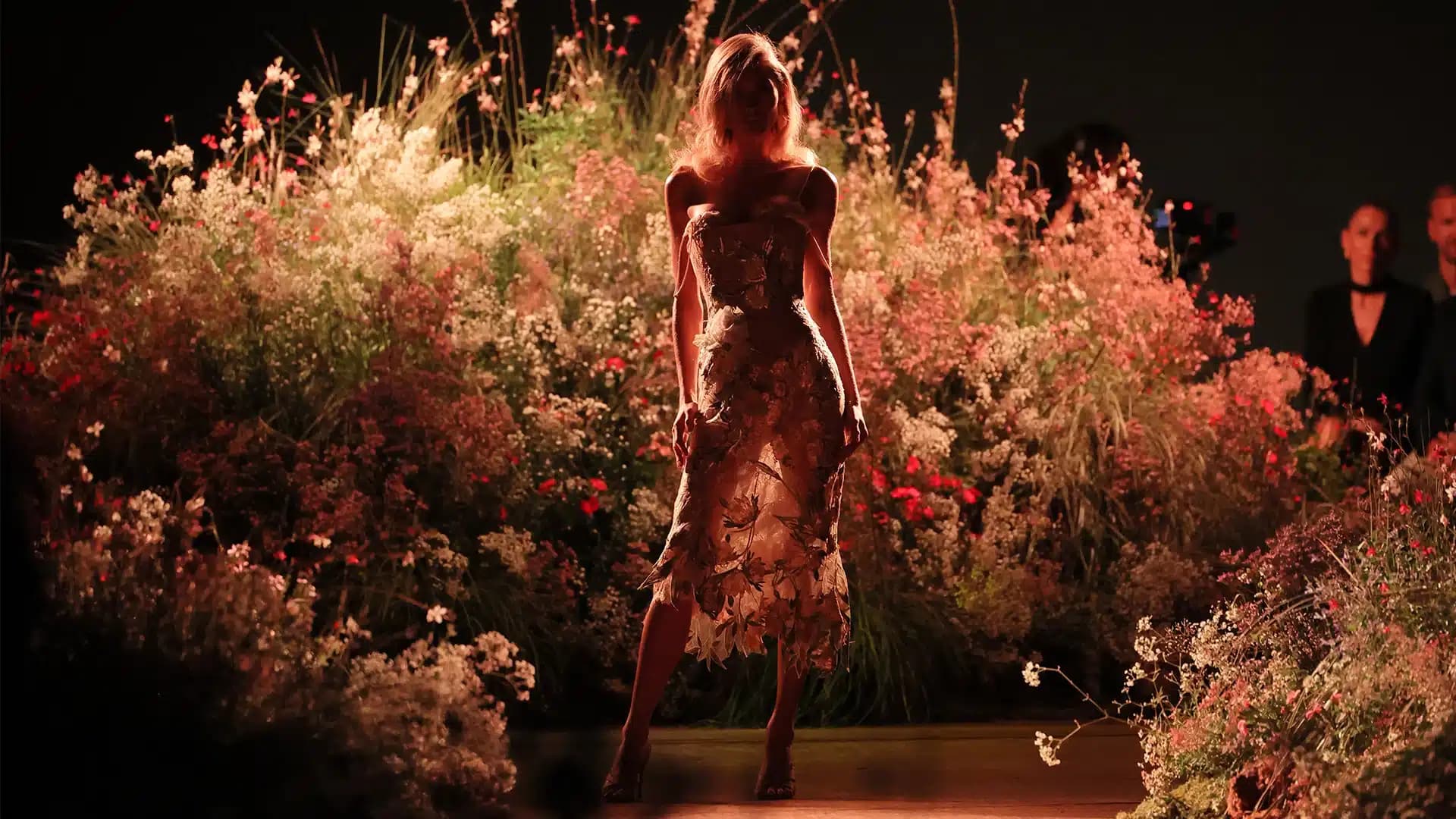
The Summer 2027 collection, titled Les Coraux de la Liberté, was presented in a setting that mirrored its high-craft ambitions. The show featured a central installation by textile sculptor Aude Franjou—a coral-like structure of curling red and yellow linen fibres that served as a thematic anchor for the collection.
The garments themselves moved from an all-white opening segment into an explosion of colour, including royal blue, shocking pink, and vermillion. Key design elements included Tudor-style shoulders, cocoon collar coats, and frogspawn-like collars that referenced Franjou’s sea-inspired sculpture. Beyond clothing, the collection’s couture-influenced language extends to several specific accessory developments:
- Footwear: The Wave Thong Sandal, Dahlia Mule, and an unstructured Lounge Sneaker.
- Bags: The Nodo and Silhou Tote bags, which emphasise soft, hand-shaped leather.
- Eyewear: Bow Mask sunglasses featuring braided arms.
The Strategic ‘Stealth’ Sell
The “stealth” strategy is our interpretation of the collection: workmanship becomes part of everyday silhouettes instead of being confined to a spectacular showpiece. That is a persuasive design idea, but a buyer still needs the actual garment’s composition, construction and fit. A runway T-shirt or bomber can demonstrate a direction for the house without establishing that every version sold at retail uses the same handwork or finishing.
For a purchase, the useful comparison is the particular piece, not a promise about every tier of Balenciaga’s range. Inspect its shape on the body, the seams and lining where relevant, its materials and care instructions. Our guide to the new creative direction provides the wider context. The design argument is strongest when you can see what the construction changes, rather than simply paying for the word “couture”.
Conclusion: A New Era of Luxury Construction
Summer 2027 gives Piccioli a clear way to connect Balenciaga’s couture identity with a usable wardrobe. The sculptural setting makes the theme visible; the more important test for a buyer is what the cut adds to a shirt, coat or jacket. Our preference is for a piece whose shape earns its place even without the runway story. That is a firmer buying principle than assuming a new season or a couture reference makes every garment better.