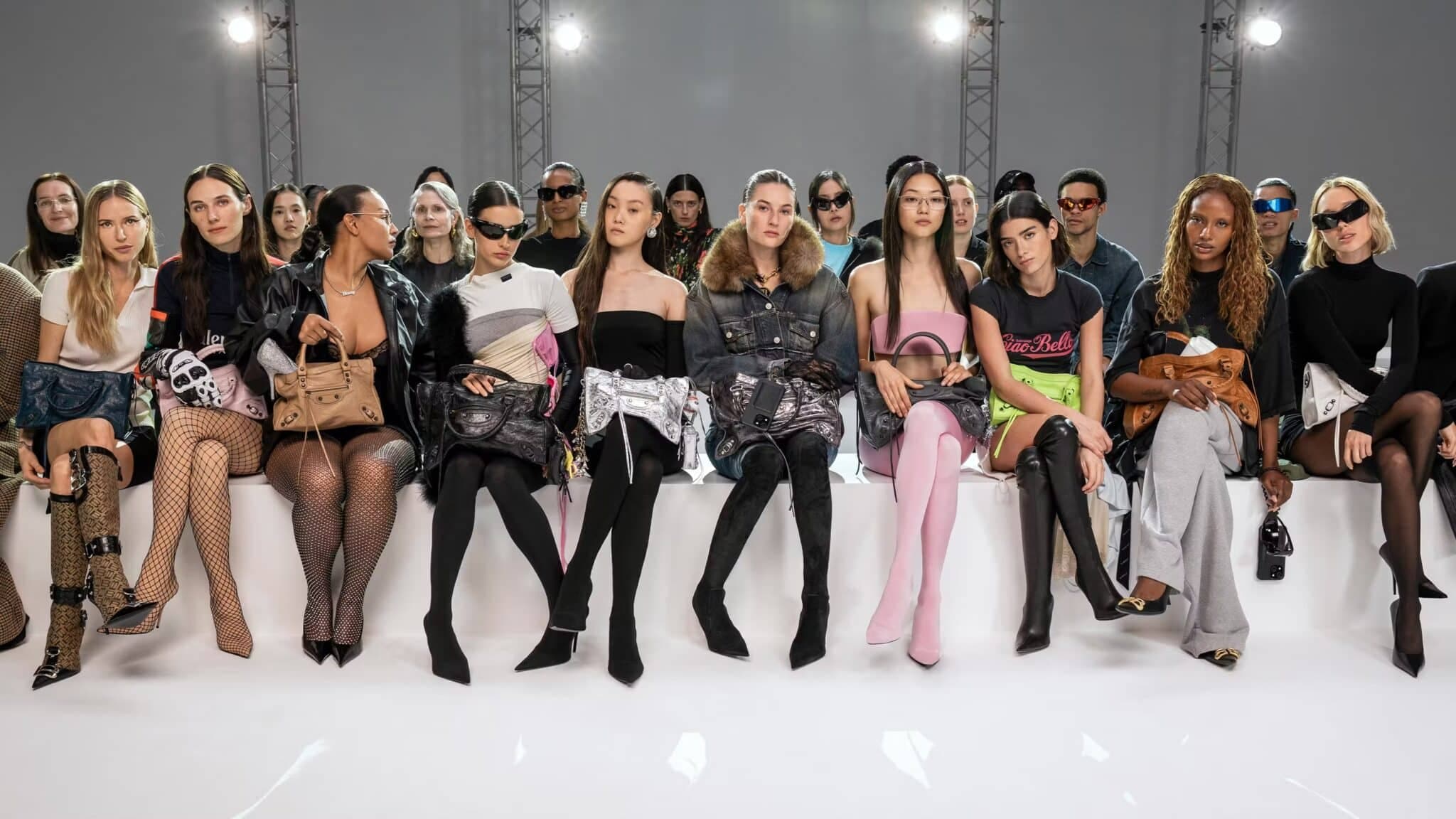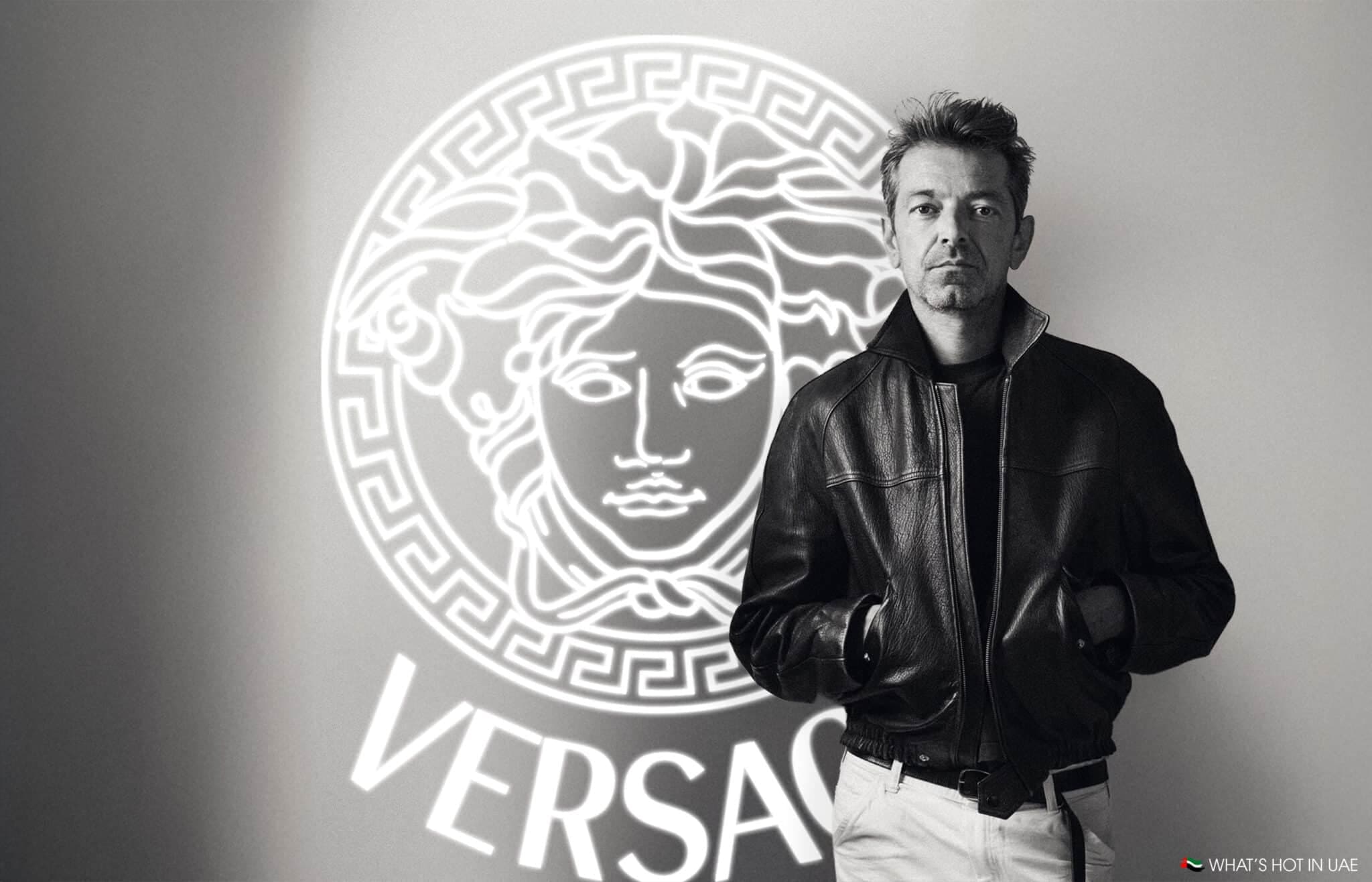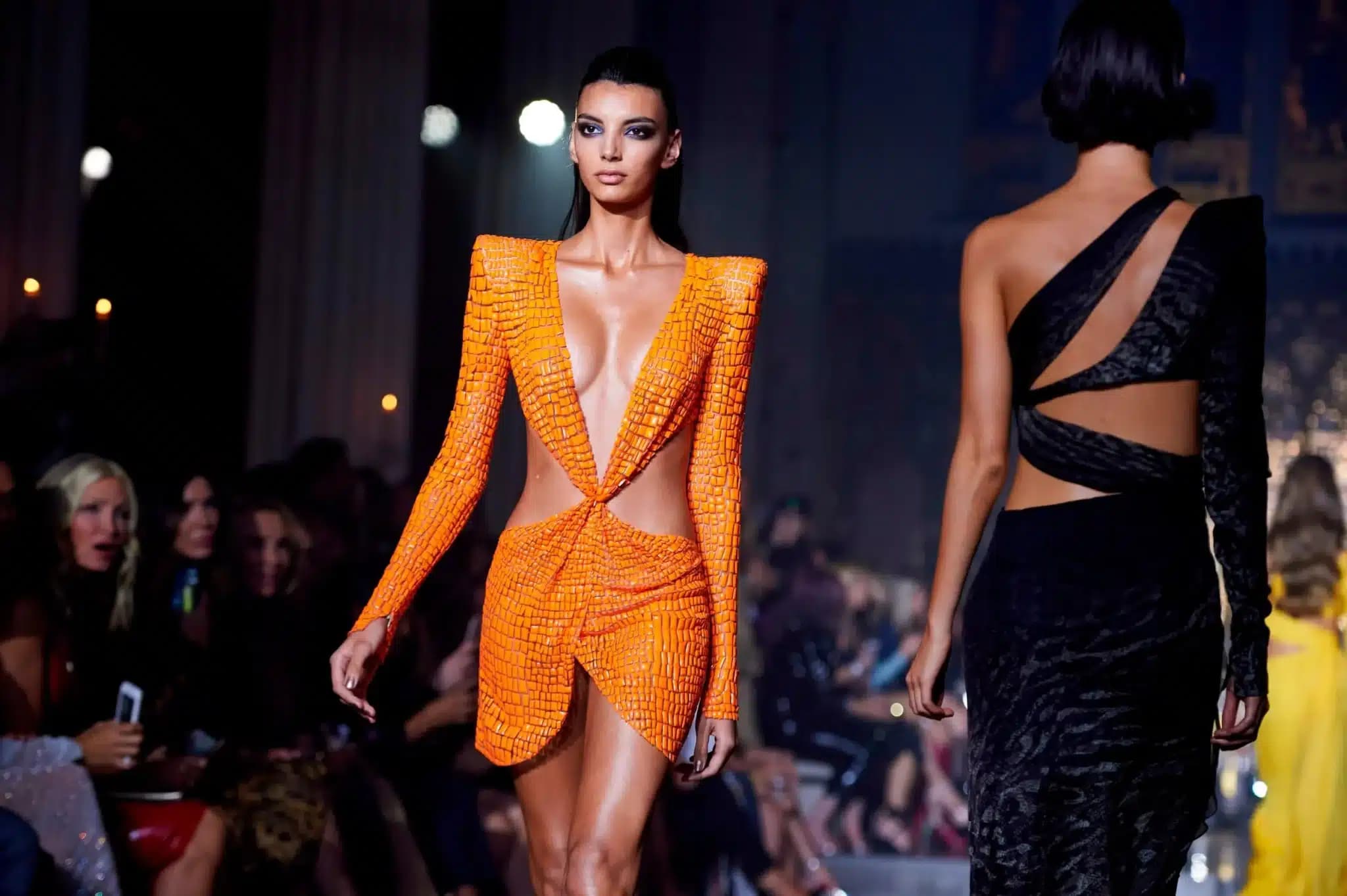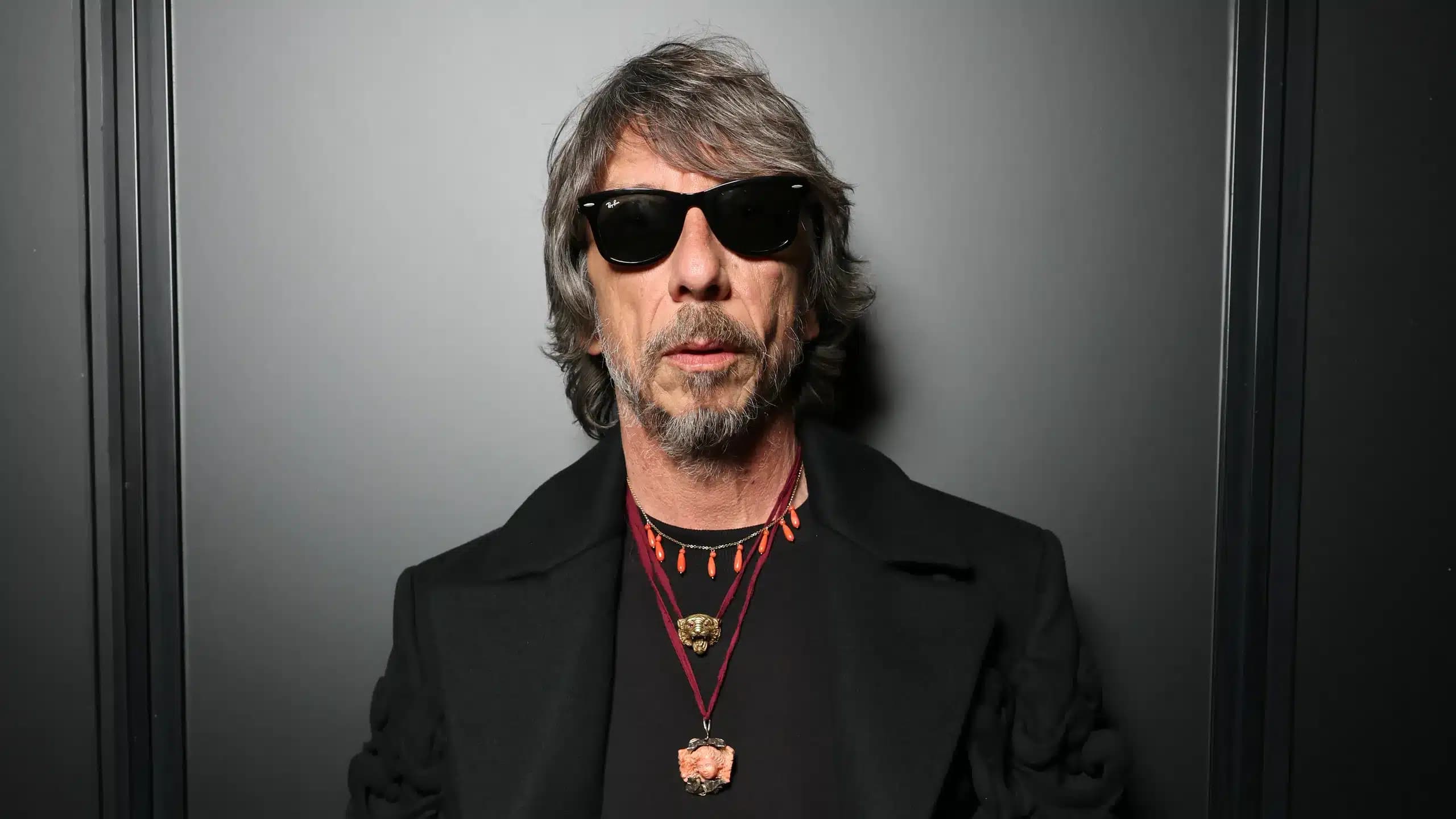
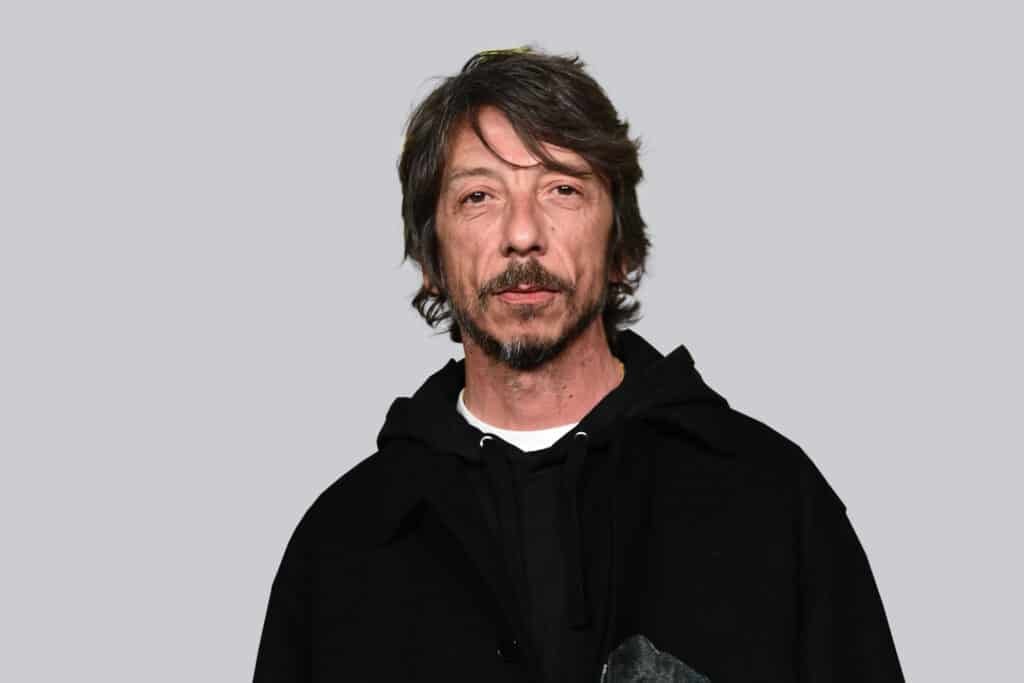
Pierpaolo Piccioli is Balenciaga’s creative director. Kering announced the appointment on 19 May 2025, effective 10 July 2025; those are different dates, not a new July announcement. He succeeded Demna, who moved to Gucci. The useful question now is how Piccioli’s collections develop the house’s language of volume and construction. Our view is that the…
Pierpaolo Piccioli is Balenciaga’s creative director. Kering announced the appointment on 19 May 2025, effective 10 July 2025; those are different dates, not a new July announcement. He succeeded Demna, who moved to Gucci. The useful question now is how Piccioli’s collections develop the house’s language of volume and construction. Our view is that the couture background is the key to understanding the appointment, rather than treating every leadership change as a complete commercial reset.
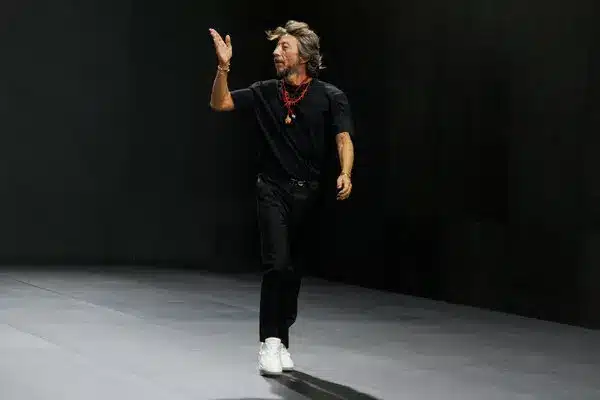
👔 Who is Pierpaolo Piccioli?
Piccioli, a native of Nettuno, Italy, is best known for reshaping Valentino during his 25-year tenure. Originally co-creative director with Maria Grazia Chiuri (who went on to lead Dior, and has since moved again to become Fendi’s Chief Creative Officer in October 2025), he led the maison solo from 2016 until his departure in 2024. His legacy is defined by:
- Architectural haute couture silhouettes
- Bold colour blocking and monochrome experiments
- Red-carpet dominance with celebrities like Florence Pugh, Zendaya, and Anne Hathaway
- Critical acclaim for presentations in Paris, Rome, Venice, and Beijing
At Valentino, Piccioli boosted brand visibility during post-pandemic luxury booms and reconnected younger audiences to couture, particularly via social media virality and red-carpet symbolism.
📊 Fashion Industry Context: 2025’s Creative Shakeup
Piccioli’s appointment isn’t happening in isolation. The year 2025 has been a turning point:
| Brand | New Creative Director | Previous Director | Shift Summary |
|---|---|---|---|
| Gucci | Demna (ex-Balenciaga) | Sabato De Sarno | Streetwear revival |
| Dior | Jonathan Anderson | Maria Grazia Chiuri | Modern tailoring focus |
| Chanel | Matthieu Blazy | Virginie Viard | Classicism under review |
| Valentino | Alessandro Michele | Piccioli | Boho meets glamour |
Kering’s reshuffle at Balenciaga, Gucci, and Bottega Veneta reflects its goal to reposition brands amid slowed growth, rising Gen Z influence, and high demand for both authenticity and exclusivity.
🧵 Why Balenciaga Chose Piccioli: Couture Meets Commerce
Kering’s official statement praised Piccioli as “a master of haute couture” with “a unique creative vision.” Yet the decision signals deeper intentions:
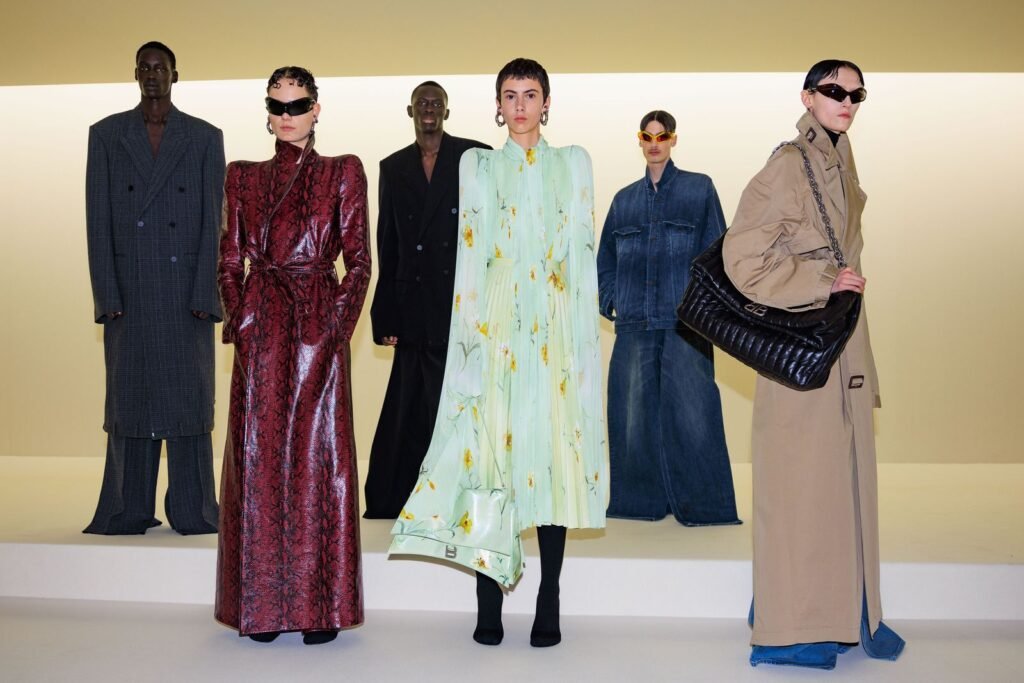
- Aesthetic Reset: Moving away from Demna’s memeable, dystopian branding toward beauty, elegance, and heritage
- Elevating Brand Equity: Couture excellence and fashion art matter more in a maturing market
- Expanding Client Base: Attracting older and more traditional high-net-worth clients alongside progressive luxury consumers
Demna’s Balenciaga and Piccioli’s Valentino provide different creative reference points. Our reading is that the appointment creates room for a more couture-led expression of the Balenciaga archive. That is a design interpretation, not verified research showing that all luxury clients now want the same thing or that a demographic switch will automatically improve sales. Compare the actual collections before deciding what has changed.
🎭 What Will Piccioli’s Balenciaga Look Like?
Piccioli delivered his runway debut in October 2025, presenting a full collection that critics described as a deliberate, elegant break from Demna’s era – and he has since gone on to show his first Balenciaga haute couture collection in July 2026. His key strengths at Balenciaga have included:
- Reactivating Cristóbal Balenciaga’s archival DNA (volume, geometry, restraint)
- Redefining ready-to-wear as wearable art
- High fashion with humanistic undertones
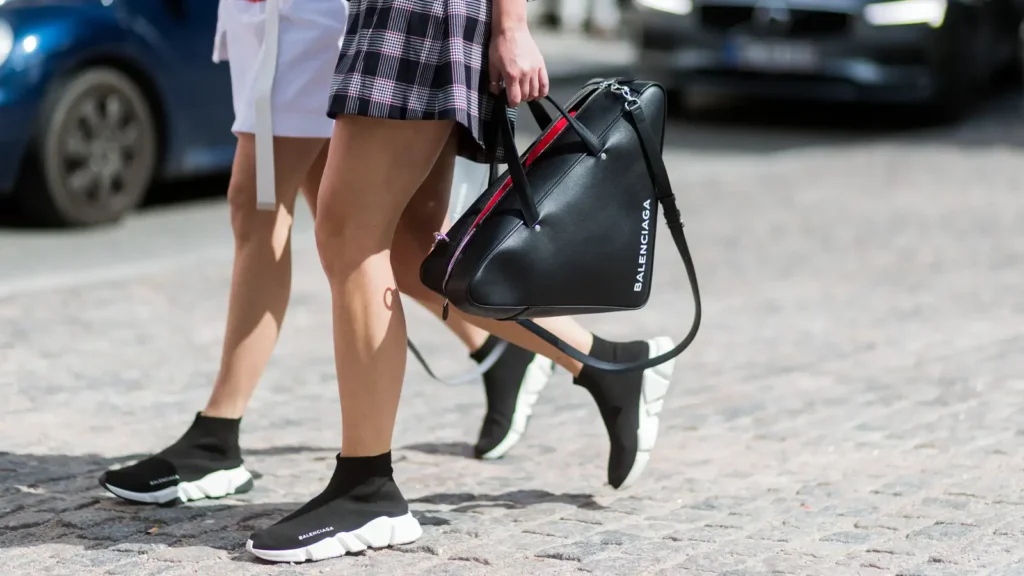
- Rebuilding accessories with longevity (a Piccioli weak spot at Valentino)
The real challenge: merging his romanticism with Balenciaga’s streetwear heritage, without alienating either camp.
👜 Balenciaga vs. Valentino: Performance Comparison (Pre-2025)
| Comparison | How to read it |
|---|---|
| Piccioli at Valentino | A background in couture, colour and sculptural clothing; a creative reference, not a forecast of Balenciaga sales. |
| Demna at Balenciaga | Streetwear and conceptual runway design formed part of the previous era; compare individual collections rather than assume an entire aesthetic disappears. |
| Revenue and social followings | This guide does not provide a verified like-for-like financial dataset or a current count. Those figures should not be used to prove one creative strategy is commercially superior. |
Valentino under Piccioli leaned heavily into couture, celebrity dressing, and emotion-led campaigns. By contrast, Balenciaga has been commercial, fast-paced, and often polarising.
🧠 Couture Meets Culture: The Social Impact of Piccioli’s Work
Piccioli’s couture was among the most celebrated of the last decade. It was inclusive, casting diverse models and challenging narrow beauty norms. He frequently referenced:
- Feminist narratives
- Renaissance and religious art
- Gender-neutral silhouettes
- Poetic storytelling over spectacle
This philosophical backbone may inject intellectual credibility into Balenciaga’s next era—crucial for engaging critics, curators, and high-value collectors.
Read More: Luxury Fashion On A Budget
🔮 What This Means for Kering and the Fashion World
A creative appointment alone does not establish a future Kering share-price gain. The commercial questions are whether the collections attract buyers, how the accessories perform and how the house develops over time. Our interest is the design direction; investment outcomes and customer-demographic changes need separate evidence. The first collections provide a basis for judgment, not proof that an entire strategy has already succeeded.
- Grow haute couture revenue
- Rebuild mid-tier product trust (after controversy backlash)
- Compete with Dior, owned by LVMH, and Chanel, an independently owned house, on cultural presence
This appointment signals that Kering is investing in timeless luxury rather than trending virality—a pivot that mirrors macro-luxury trends post-2023.
“Piccioli is one of the most talented and celebrated designers of today… His mastery of haute couture and passion for savoir-faire made him the ideal choice for the house.” – Francesca Bellettini, Deputy CEO of Kering
Final Word: A New Future for Balenciaga
This is more than a leadership shuffle—it’s a transformation. With Pierpaolo Piccioli, Balenciaga is embracing fashion as art again, focusing on storytelling, structure, and sustainability.
Kering’s long-term strategy now hinges on whether the couture purist can make beauty, not noise, the new business model for 21st-century luxury.
Stay ahead of fashion’s next evolution right here.
The original Kering announcement establishes Piccioli’s appointment dates. For the wider table, LVMH confirms Jonathan Anderson’s leadership of all Dior collections, while Chanel names Matthieu Blazy. These are confirmed appointments, not the earlier rumour about Peter Do at Dior.
Questions answered
Who is Balenciaga’s creative director?
Pierpaolo Piccioli. Kering announced his appointment on 19 May 2025, effective 10 July 2025.
Did he replace Demna?
Yes. The appointment followed Demna’s move from Balenciaga to Gucci.
Does a new director prove sales will rise?
No. The collections provide design evidence, while commercial performance needs measured financial and customer evidence.
Can I assume a Dubai boutique has every runway piece?
No. Ask the brand for the exact item, size, price and current availability before travelling.