Discover the essential Arab books to read this autumn. From award-winning novels in translation to historical epics, explore the season’s top literary picks.
Key Takeaways
- This autumn’s literary season features Arab books that explore themes of migration, displacement, and modernity.
- Key narratives include internal migration stories, the afterlife of displacement, and historical reconstructions of Arab identity.
- Notable must-read titles include ‘The Garden We Carry’ by Bushra Khalfan and ‘Hind ou la plus belle femme du monde’ by Hoda Barakat.
- Major awards like the Prix de la littérature arabe and the International Prize for Arabic Fiction recognize the excellence of contemporary Arab literature.
- Publisher records identify the language, translator and ISBN; UAE stock and delivery should be checked for the exact edition rather than assumed for every title.
This autumn selection brings together Arab novels with new English or French editions in 2026, rather than claim that every book is newly written or available in one language. Publisher records help distinguish the edition, translator and date before a UAE reader orders. The shared themes include migration, place and historical encounter, but the choices serve different interests: contemporary Oman, Ottoman Mount Lebanon, medieval Tunis and Lebanese fiction in French translation. This is a researched reading shortlist, not a claim that WHIUAE has reviewed every novel from cover to cover.
A Season of Movement and Memory
The four selections can be compared through the settings and themes described by their publishers, without assuming that they represent every trend in Arab literature. A story of movement within Oman differs from a historical Mediterranean captivity narrative, and a new translation can introduce an older work to a new audience. Choose by the subject and reading language you want, then confirm the exact edition. The following distinctions provide a starting point rather than a measured popularity ranking.
Key narratives this autumn include:
- Internal Migration: Stories like Bushra Khalfan’s The Garden We Carry examine how moving even a short distance—such as from a mountain village to Muscat—can fundamentally reshape an individual’s sense of belonging.
- The Afterlife of Displacement: Palestinian writers are increasingly focusing on how the memory of a lost home continues to live within the displaced, exploring how one builds a life when the past remains a constant presence.
- Historical Reconstructions: Authors are looking back to eras like the Ottoman period or 15th-century North Africa to examine how historical tensions and encounters with Western modernity shaped the modern Arab world.
Must-Read Titles: From Oman to Lebanon
For readers looking for specific recommendations, several new releases and translations are set to define the season. A notable trend is the arrival of high-quality English translations, making these works more accessible to a global audience.
Contemporary and Translated Works
The Garden We Carry — Bushra Khalfan. DarArab lists Luke Leafgren as translator and a publication date of 7 September 2026 for the English edition, ISBN 9781788711074. Its publisher description follows siblings Rashid and Rayya from Oman’s highlands to Muscat. It suits a reader looking for migration within a country, family and place. The edition date is separate from the novel’s original Arabic publication and from the 2025 translation-prize recognition.
Paving the Sea — Rashid El-Daif. Syracuse University Press lists an October 2026 English edition translated by Nicholas R. Lobo and Alfred J. Naddaff, with a foreword by Zeina G. Halabi. The paperback ISBN is 9780815612230. Its Ottoman Mount Lebanon setting offers a historical approach to modernity and belonging. A publisher’s October release month is not proof that a UAE shop has already received copies; confirm the edition and delivery date before ordering.
The Foreigners’ Quarter — Hassanine Ben Ammou. Interlink’s English edition, distributed by Simon & Schuster, lists William Granara as translator and 22 September 2026 as publication date, ISBN 9781623715380. The publisher page places the story in mid-15th-century Venice and Tunisia, following Antonio and Maria after capture by pirates. It is the historical-fiction choice in this shortlist; its period setting should not be confused with the date of the new translation.
Hind ou la plus belle femme du monde — Hoda Barakat. The edition discussed here is French, translated from Arabic by Luc Barbulesco and published by Sindbad/Actes Sud. The Institut du monde arabe’s official 2026 selection identifies that edition. It should not be listed as a newly available English translation. French-reading UAE readers can compare it with the other choices; readers wanting English should check for a separately confirmed edition rather than assume the title’s inclusion guarantees one.
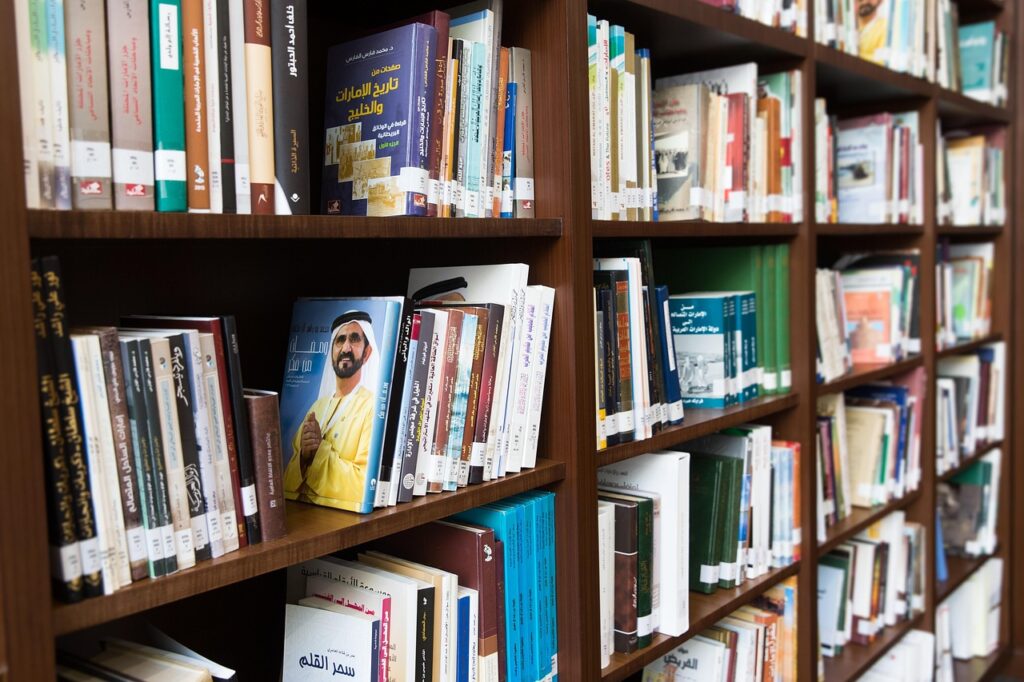
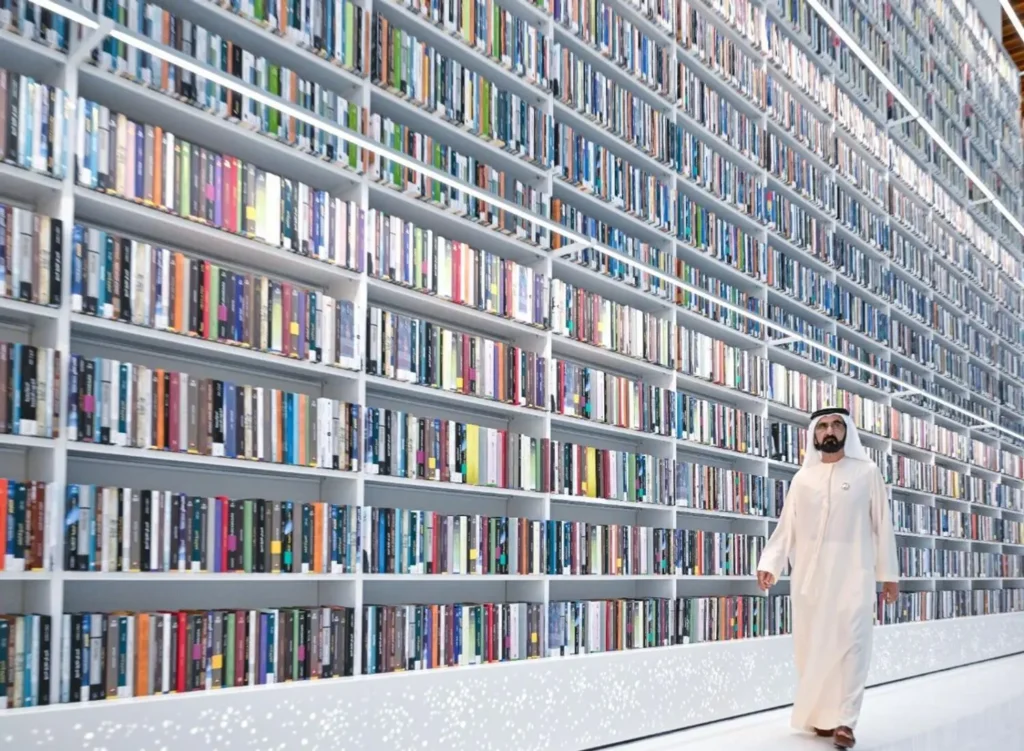
If you are looking to expand your collection, you can explore more through the Mohammed Bin Rashid Library.
Literary Recognition: The 2026 Prize Circuit
The prestige of Arab literature is underscored by several major international awards. These prizes not only recognise excellence but also highlight the diverse geographies—from Algeria and Kuwait to Palestine and Tunisia—represented in modern writing.
Notable recognitions for 2026 include:
- Prix de la littérature arabe: This distinction features a diverse selection of authors. Moroccan writer Samira El Ayachi is a finalist for her novel Madame Bovary, ma mère et moi, published by Éditions de l’Aube. Hoda Barakat’s Hind ou la plus belle femme du monde has also been selected for this prize.
- International Prize for Arabic Fiction: The 2026 winner announcement is already past, so an October article should not describe 9 April 2026 as an upcoming ceremony. The National’s dated report names Said Khatibi’s Swimming Against the Tide as the winner. Prize recognition, a translation announcement and actual availability of that translation are separate milestones.
For those interested in the broader cultural landscape of the region, you can discover more cultural events in Sharjah.
Where to Find Your Next Read in the UAE
When checking UAE availability, use the ISBN and translator rather than the title alone. A retailer can carry the Arabic original while you intend to buy an English or French translation. The publisher’s release date also does not guarantee local stock. Ask a UAE bookseller about the exact edition, an order-in option and a realistic delivery window; for imports, compare the final delivered price and return conditions. The sources linked above identify editions but do not certify every local seller’s inventory.
For those who prefer digital reading, you can browse the Amazon Digital Arabic Library to find a wide range of Arabic literature online.
Choose by Language and Reading Interest
| Book in this selection | Edition language | Publisher/organiser reference | Reading interest |
|---|---|---|---|
| The Garden We Carry | English | DarArab, September 2026 | Family and internal migration in Oman |
| Paving the Sea | English | Syracuse University Press, October 2026 | Ottoman Mount Lebanon and modernity |
| The Foreigners’ Quarter | English | Interlink, September 2026 | Venice, captivity and medieval Tunis |
| Hind ou la plus belle femme du monde | French | IMA’s 2026 selection identifies the translation | Lebanese fiction in French |
The table is an edition-and-interest comparison, not a sales chart or a personal reading score. For a book club, agree on language and edition before ordering: translations and formats can have different pagination, and a new edition can reach retailers at different times. A library catalogue or a bookseller’s order-in service can be worth checking when a recently published translation is not on the shelf.