Every crypto cycle throws up a wave of meme coins — tokens like the “Boys Club” style projects built on internet culture, community and hype rather than technology or fundamentals. Some mint overnight millionaires; far more quietly go to zero. Here is a clear-eyed UAE reality check on meme coins: how they work, why they…
Every crypto cycle throws up a wave of meme coins — tokens like the “Boys Club” style projects built on internet culture, community and hype rather than technology or fundamentals. Some mint overnight millionaires; far more quietly go to zero. Here is a clear-eyed UAE reality check on meme coins: how they work, why they are so risky, and what the regulated market means for you.
This article is general information, not financial advice. Meme coins are extremely high-risk. Never invest more than you can afford to lose, and consider a licenced adviser.
What Are Meme Coins?
Meme coins are cryptocurrencies whose value is driven almost entirely by community, virality and speculation rather than an underlying product or cash flow. They often spin out of an internet joke, a mascot or a movement, and rise or fall on attention alone. The “Boys Club” wave is a recent example of the pattern — a culture-led token that lives and dies by its community’s momentum.
The Appeal — and the Hard Reality
The appeal is obvious: tiny entry prices and the dream of a life-changing “moonshot.” The reality is harsher. Meme coins are among the most volatile assets in existence; the overwhelming majority lose most or all of their value, and the space is riddled with “rug pulls” — where creators abandon a project and vanish with the funds — and pump-and-dump schemes. For every screenshot of a huge gain, there are countless silent losses.
The Regulatory Picture in the UAE
Check a provider’s exact legal entity and permitted service in the relevant register. VARA covers applicable Dubai services outside DIFC, while DIFC and ADGM have different financial regulators. A licence entry is not a guarantee that a meme token is safe, has a particular legal status or can be traded by every customer. The platform and the asset require different assessments. AED funding, withdrawal support and eligibility depend on the current account terms, not a generic list of brand names.
How to Protect Yourself
If you choose to engage despite the risks: use licenced platforms; assume you could lose your entire stake; be extremely wary of anonymous teams, guaranteed-return promises and “get in now” pressure; check whether liquidity is locked; and never move funds to a personal wallet on someone’s say-so. Treat meme coins as entertainment spending, not investing — and keep any exposure to a small fraction of what you can afford to lose.
Frequently Asked Questions
What is a meme coin?
A cryptocurrency driven by community, hype and internet culture rather than technology or fundamentals.
Are meme coins a good investment?
They are extremely high-risk and speculative. Most lose most or all of their value, and the space is prone to scams. This is not a recommendation.
What is a rug pull?
When a project’s creators abandon it and disappear with investors’ funds — a common meme-coin risk.
Are meme coins regulated in the UAE?
Crypto activity is regulated by VARA and ADGM, and licenced exchanges operate here, but that does not make any individual meme coin safe.
How can I reduce the risk?
Use licenced platforms, keep exposure tiny, avoid anonymous projects and guaranteed-return promises, and never invest more than you can afford to lose.
Is this financial advice?
No — it is general information. Consider consulting a licenced financial adviser.
What “Boys Club” Means in a Meme-Token Name
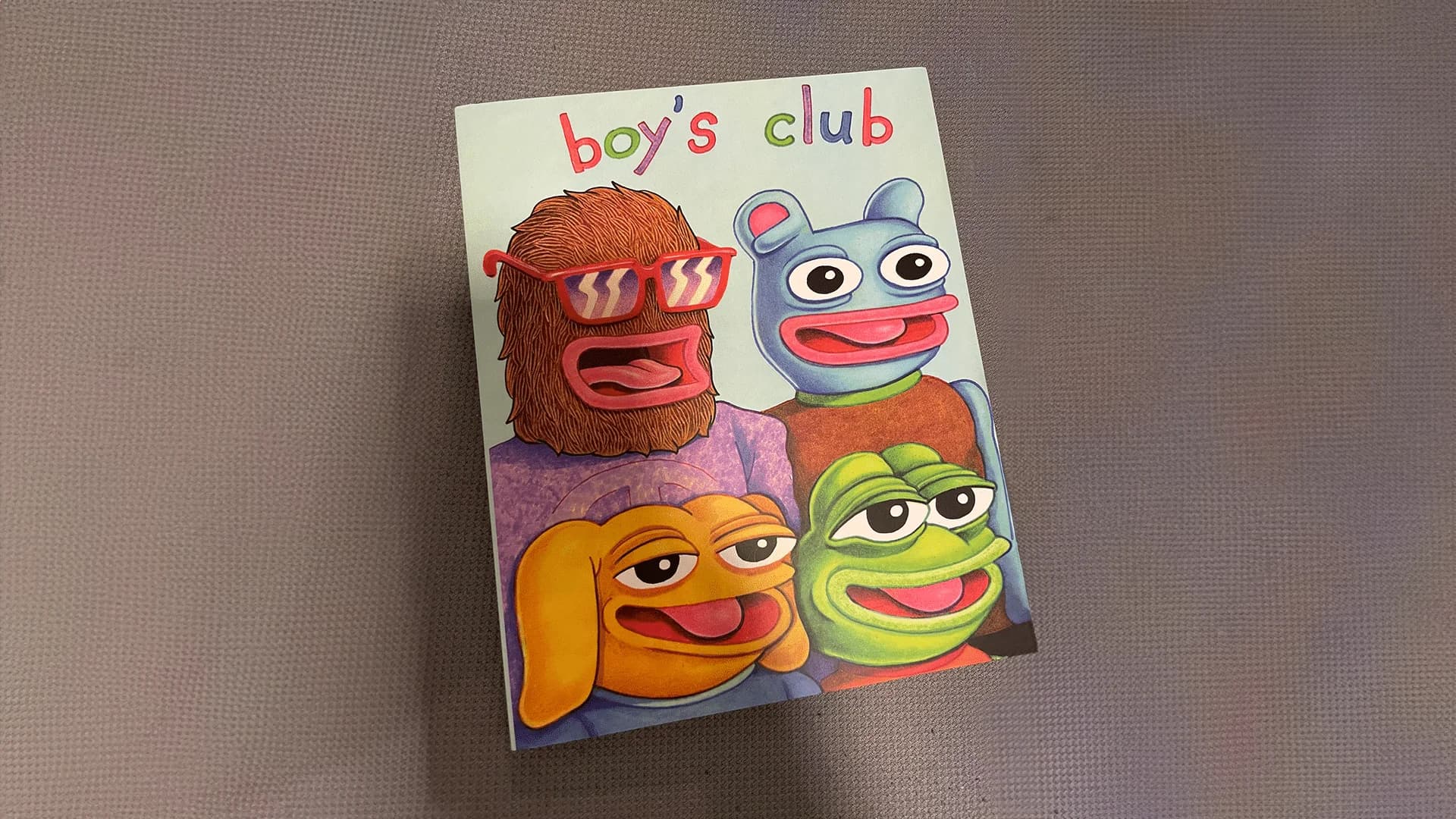
Boy’s Club is Matt Furie’s comic, associated with characters including Pepe. Crypto projects borrow or reference meme imagery, but a shared cultural source does not make them one issuer, one contract or an authorised partnership. A familiar mascot does not prove that the artist endorses a token. Identify the exact chain, contract and issuer rather than assume that similarly named tokens share liquidity or rights.
Token price, market capitalisation, circulating supply and pool liquidity also answer different questions. A tiny price per unit is not evidence of a cheap valuation, and a large displayed market cap is not proof that you can sell a large holding for that amount. A liquidity lock can limit one risk without eliminating contract, concentration or promoter risks. Use the PeiPei identity and fees guide as an example of why the actual contract and network matter.