Dubai, once primarily recognised as a global business and tourism hub, is rapidly transforming into a definitive global cultural capital. This evolution is no accident; it is the culmination of an ambitious strategic blueprint, unprecedented governmental investments, and a proactive vision to cultivate a lively, diverse, and globally-connected creative ecosystem. Far from merely importing culture,…
Dubai, once primarily recognised as a global business and tourism hub, is rapidly transforming into a definitive global cultural capital. This evolution is no accident; it is the culmination of an ambitious strategic blueprint, unprecedented governmental investments, and a proactive vision to cultivate a lively, diverse, and globally-connected creative ecosystem. Far from merely importing culture, Dubai is actively nurturing an authentic, leading cultural landscape that resonates locally while captivating international audiences. Dubai is a global cultural capital.
The Vision Behind the Rise: Dubai’s Strategic Cultural Foundations
Dubai’s journey to becoming a global cultural capital is rooted in a deliberate and far-reaching governmental vision. The emirate’s leadership recognised that cultural enrichment is not just an amenity but a fundamental driver of sustainable growth, social cohesion, and international standing. This understanding has led to the development of a comprehensive strategy and significant investment frameworks that set the stage for its burgeoning cultural scene. This section addresses the need for a comprehensive source detailing the strategic underpinnings of Dubai’s cultural initiatives.
Crafting a Cultural Masterplan: Policies and Initiatives
The bedrock of Dubai’s cultural ascent lies in its carefully crafted cultural masterplans, policies, and regulatory frameworks designed to foster growth and support creative industries. Key among these is the Dubai Creative Economy Strategy, launched in 2021, which aims to raise Dubai’s status as a global hub for creativity and innovation. This strategy targets a significant increase in the number of creative companies and creative professionals, aiming to double the contribution of the creative sector to Dubai’s GDP by 2025.
The Dubai Culture & Arts Authority (Dubai Culture) plays a pivotal role in this endeavor. According to official reports, their initiatives focus on empowering talent, stimulating economic growth in the creative sector, and preserving local heritage. Specific programs include government-backed incubators like in5 and AREA 2071, which provide resources, mentorship, and funding opportunities for artists, designers, and cultural entrepreneurs. These policies are not merely aspirational; they are operational, providing tangible support that addresses the need for detailed explanations of government cultural strategies.
Financing the Future: Unprecedented Cultural Investments
The ambition to become a global cultural capital is backed by substantial financial commitment. Dubai’s government and related entities have poured unprecedented investments into cultural infrastructure, events, and talent development. While specific real-time aggregate figures can fluctuate with ongoing projects, official statements and economic analyses consistently highlight multi-billion-dollar allocations towards enhancing cultural offerings.
A 2024 economic impact report from Dubai Culture and the Dubai Department of Economy and Tourism (DET) revealed that the creative industries contributed over 5.5% to Dubai’s GDP, with a projected increase to 7% by 2025. This growth is fueled by strategic allocation of resources across key areas, including the construction of museums and cultural districts, the establishment of grant programs for artists, and the hosting of top-tier events. Public-private partnerships are also crucial, drawing in private capital and expertise to accelerate cultural projects, reinforcing the “unprecedented investments” unique value proposition. These investments underscore a long-term commitment, not merely fleeting interest.
Diverse Cultural Pillars: Shaping Dubai’s Art, Design, Fashion, and Music Landscape
Dubai’s cultural profile is multifaceted, built upon the dynamic growth and unique contributions of several key creative sectors. The flourishing scenes in art, design, fashion, and music are not just independent developments but interconnected pillars that collectively raise Dubai’s global standing. This section counters any skepticism about the authenticity of Dubai’s cultural initiatives by showcasing tangible, lively developments across these diverse fields.
The Flourishing Art Scene: Galleries, Exhibitions, and Public Art
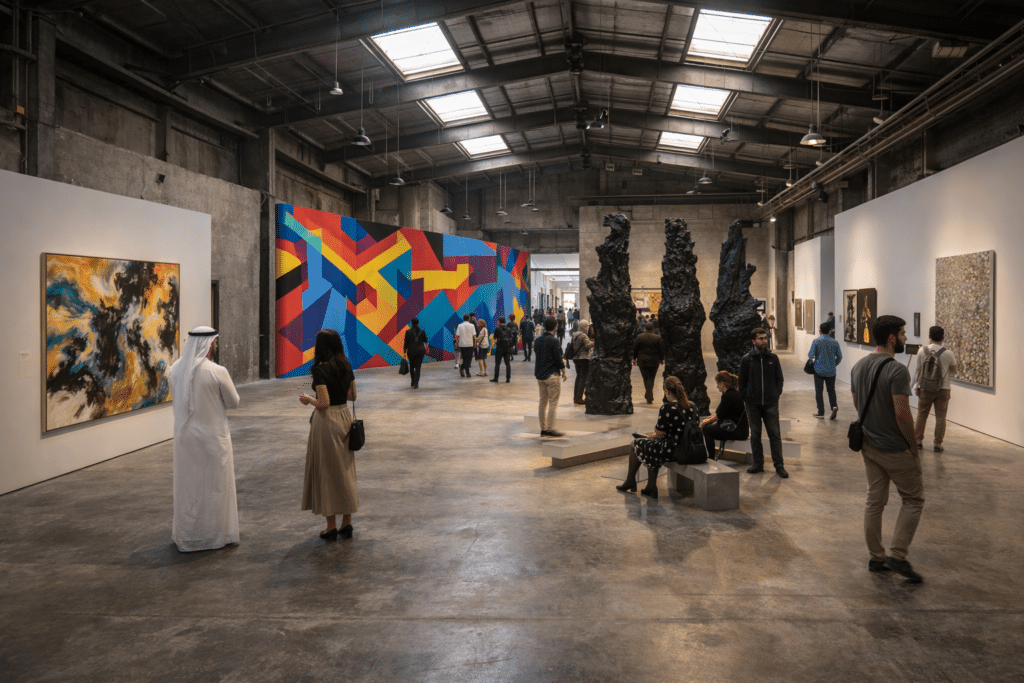
Dubai has rapidly established itself as a significant destination for art enthusiasts, marked by a lively ecosystem of art galleries, major international exhibitions, and an increasing presence of public art. The annual Art Dubai fair stands as a flagship event, consistently attracting a global roster of galleries, artists, and collectors. The 2024 edition, for instance, showcased over 100 galleries from 40 countries, demonstrating its growing international stature.
Beyond major fairs, districts like Alserkal Avenue host a dense concentration of contemporary art galleries, fostering a thriving local art community. Dubai’s commitment to public art is also evident, with installations adorning public spaces, reflecting a blend of local heritage and global contemporary expressions. Dr. Aisha Al-Busaidi, a Cultural Anthropologist at UAE University, notes that “Dubai’s art scene benefits from a blend of strategic public investment and agile private sector participation, creating a fertile ground for artistic expression that is both globally aware and locally relevant.
Design & Fashion Forward: Innovating Creative Expression
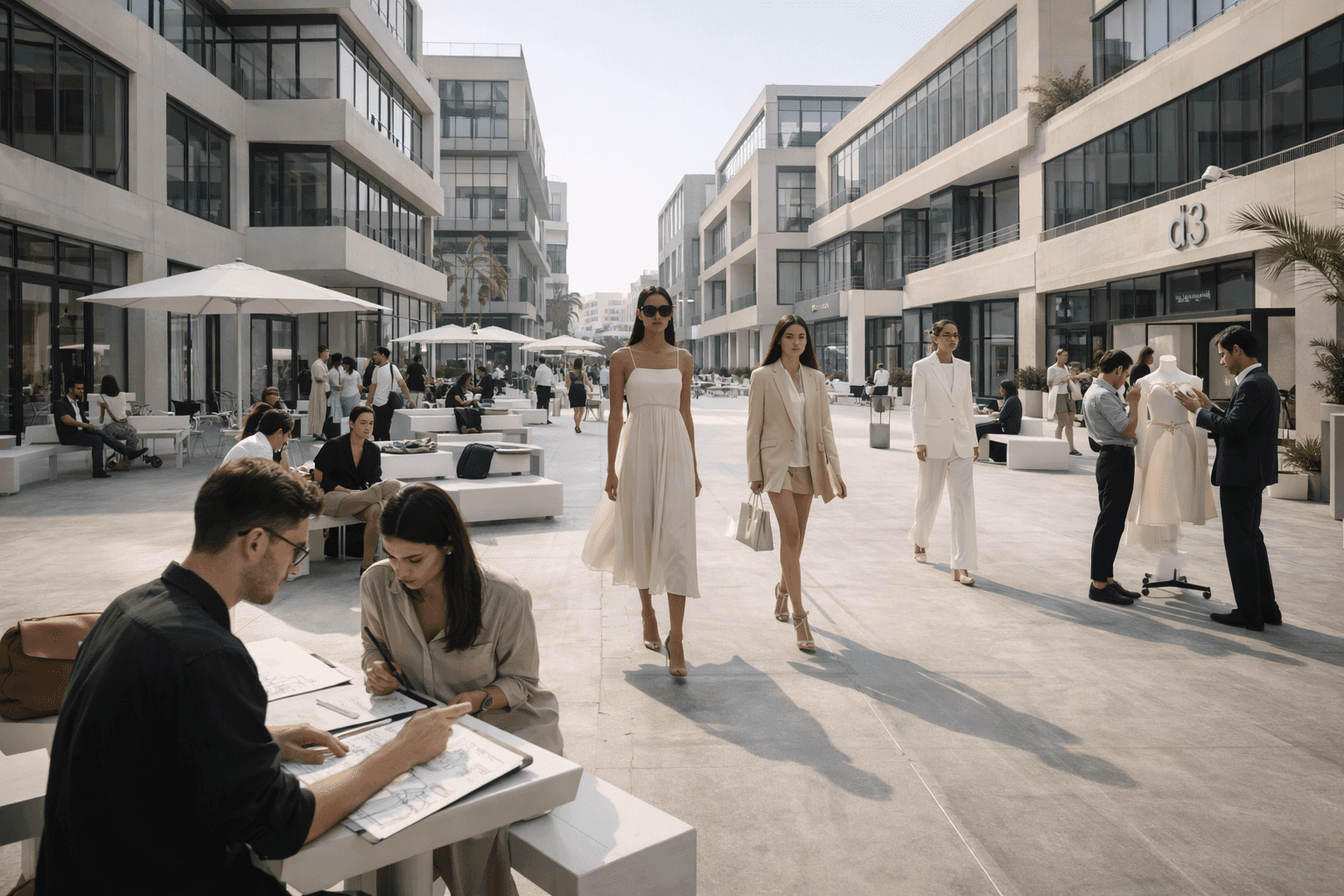
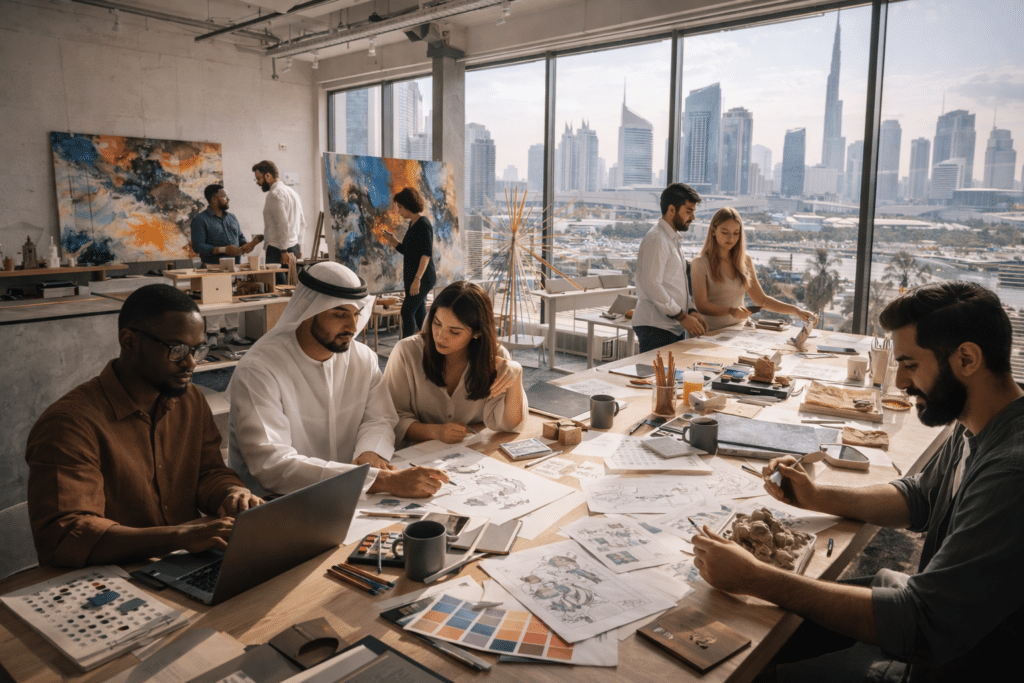
Dubai’s influence in the global design and fashion industries is rapidly expanding, driven by dedicated districts and events that champion innovation. The Dubai Design District (d3) is a prime example, serving as a comprehensive ecosystem for design and creative businesses. d3 is home to numerous international and regional design studios, fashion brands, and creative agencies, providing a platform for collaboration and innovation. It hosts major events like Dubai Design Week, which showcases leading design from the region and beyond.
The city also offers a burgeoning fashion scene, with initiatives like Arab Fashion Week gaining international recognition. This platform highlights both established and emerging designers from the Middle East, fostering a unique blend of regional aesthetics and global trends. These developments underscore Dubai’s role as a nexus for creative expression in design and fashion, attracting talent and setting trends on an international stage.
Rhythmic Vibrations: Music, Performance, and Entertainment
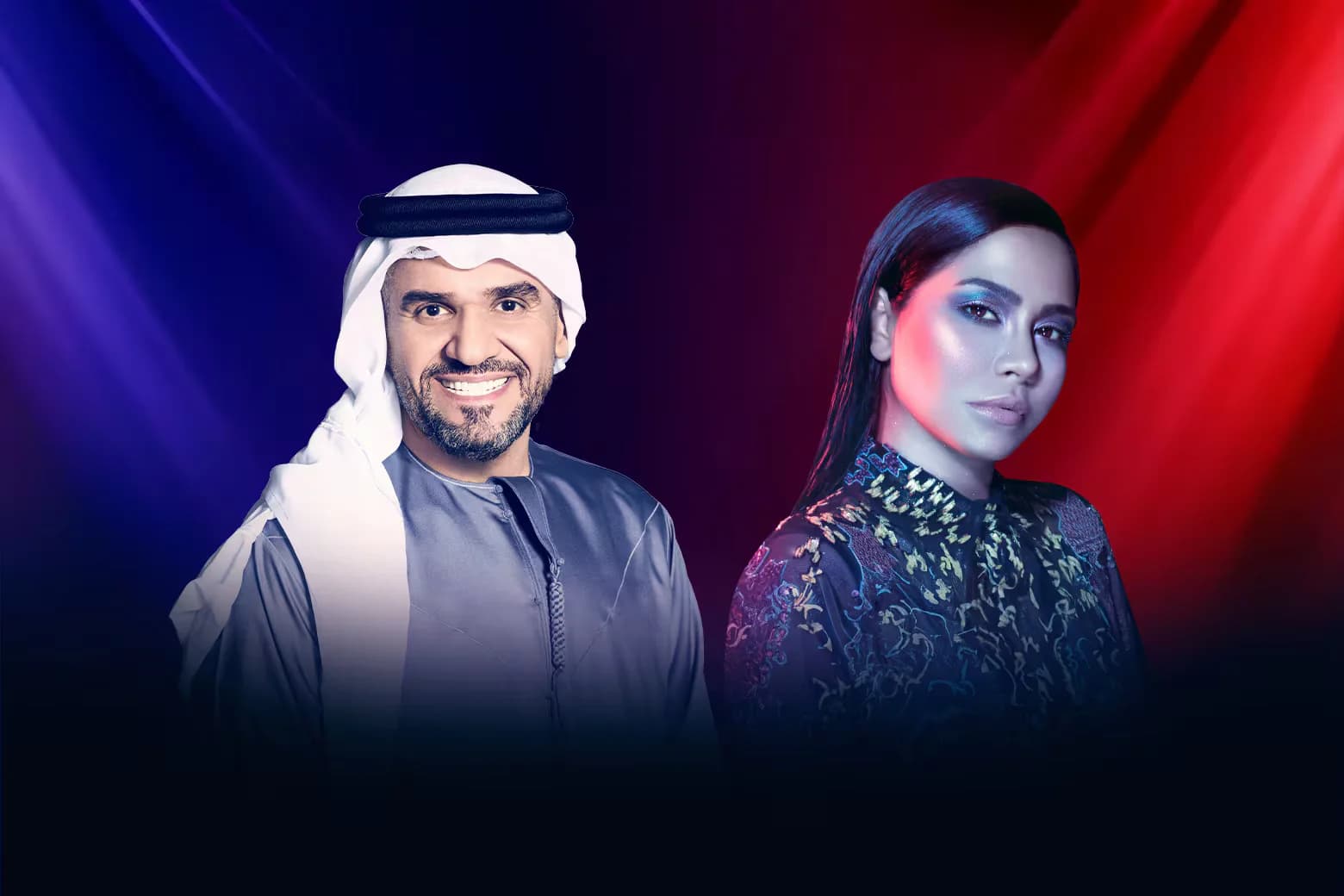
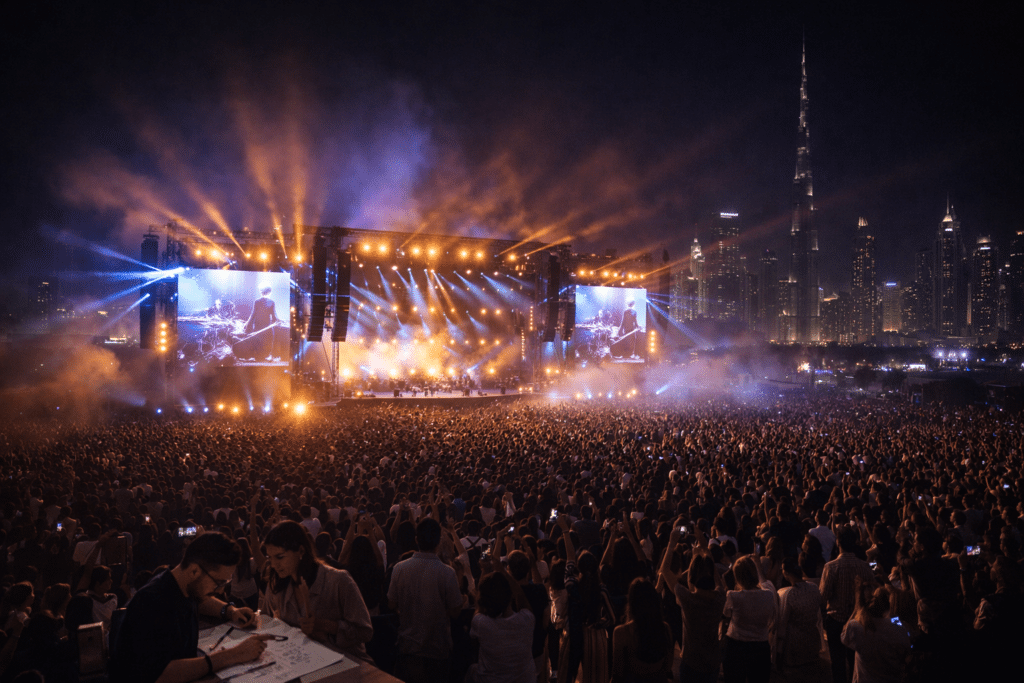
The music and performing arts scene in Dubai is dynamic and expanding, appealing to a broad audience interested in “cultural events Dubai” and “Dubai music festivals.” From hosting mega-concerts by international superstars at venues like Coca-Cola Arena and Expo City Dubai to nurturing local talent showcases, the city offers a rich mix of rhythmic experiences.
Major music festivals, spanning diverse genres from jazz to electronic dance music, draw tens of thousands of attendees annually. Cultural event organisers note that Dubai’s top-tier venues and its strategic geographic location make it an ideal hub for global tours and performances. Beyond popular music, the performing arts thrive with numerous theaters and cultural centers hosting plays, ballets, and traditional Emirati performances, enriching the city’s artistic landscape. These efforts reflect a deliberate strategy to diversify entertainment offerings and cultivate a lively music scene in the UAE.
Iconic Infrastructure and Institutions: Building Cultural Landmarks
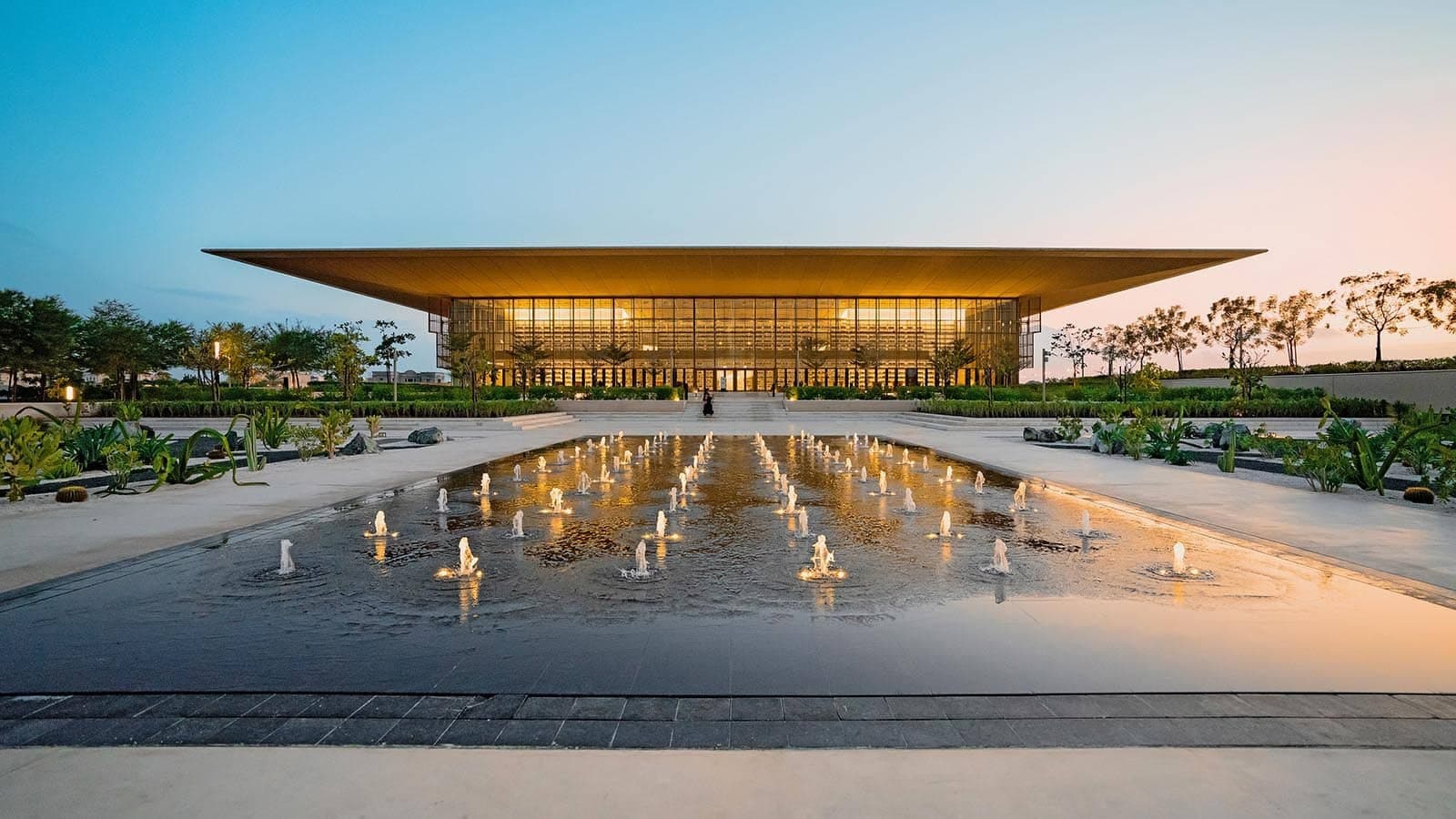
The physical embodiment of Dubai’s cultural capital status lies in its top-tier museums, galleries, and dedicated cultural districts. These iconic structures and institutions are not just buildings; they are beacons of knowledge, creativity, and heritage, directly addressing any uncertainty about specific cultural institutions and establishing Dubai’s tangible commitment to culture.
World-Class Museums and Heritage Sites
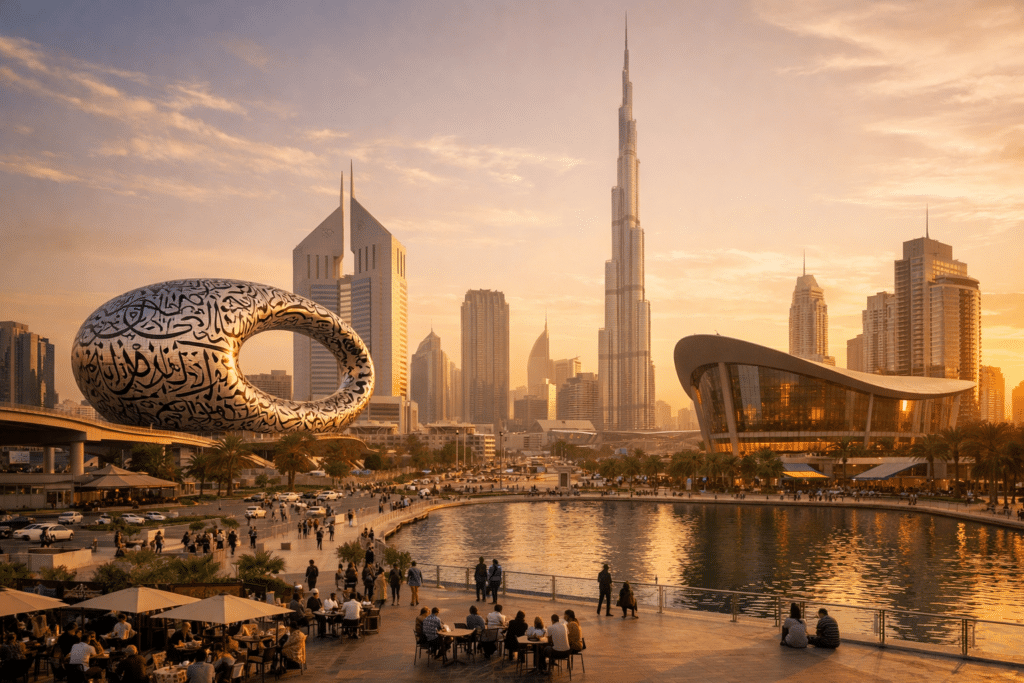
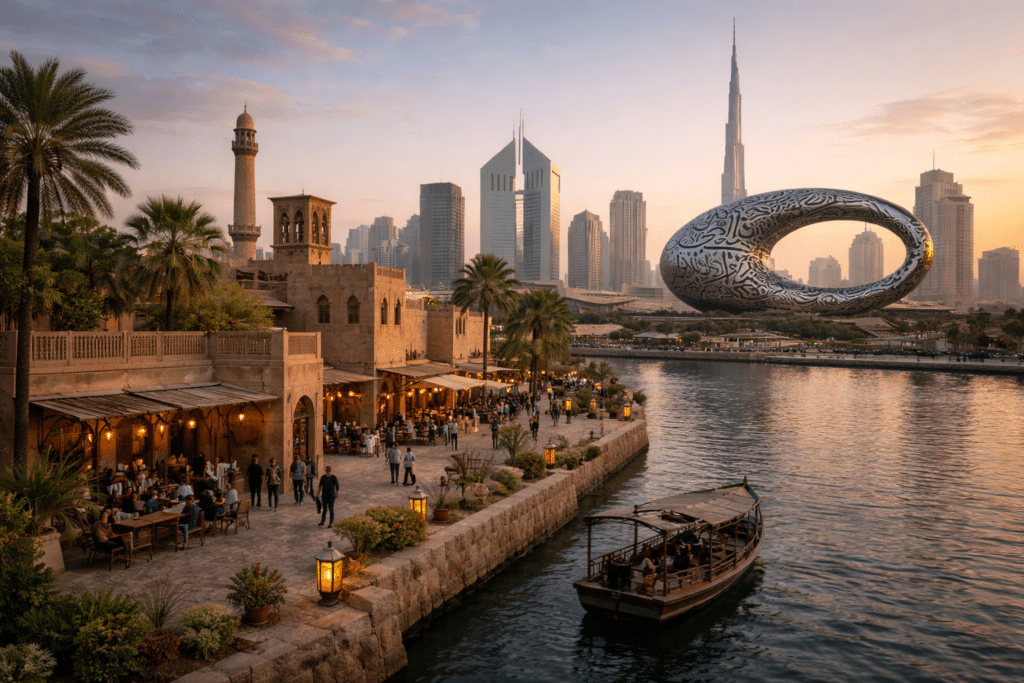
Dubai’s commitment to both preserving its rich heritage and embracing futuristic cultural experiences is evident in its diverse museum landscape. The Museum of the Future, an architectural marvel, offers an immersive journey into potential future scenarios, integrating technology and innovation into cultural narratives. It has quickly become a global icon, drawing visitors interested in leading thought and design.
In contrast, the Dubai Museum (housed in the historic Al Fahidi Fort) and the Etihad Museum provide deep dives into the emirate’s past, celebrating the UAE’s founding and cultural traditions. The Jameel Arts Centre, located on the Jaddaf Waterfront, is a contemporary art institution dedicated to exhibiting and researching art from the Middle East, North Africa, and South Asia. Its curatorial approach focuses on engaging new audiences and fostering critical dialogue within the arts. These institutions, both modern and historic, collectively showcase Dubai’s broad cultural aspirations.
Dynamic Cultural Districts: Hubs of Creativity
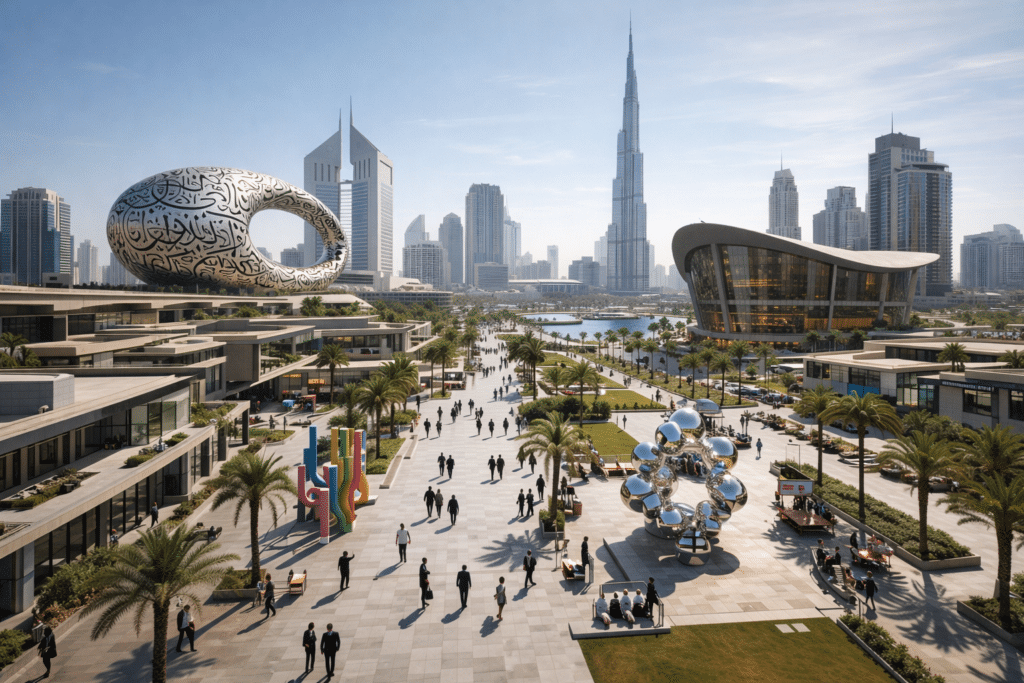
Beyond individual institutions, Dubai has cultivated entire dynamic cultural districts that serve as lively ecosystems for artists, galleries, and creative businesses. Alserkal Avenue is arguably the most prominent example. What began as an industrial warehouse complex has transformed into a leading arts and culture district in the region. It houses numerous contemporary art galleries, design studios, performance spaces, pop-up shops, and artisanal cafes. The district regularly hosts art exhibitions, film screenings, workshops, and community events, fostering an inclusive environment for cultural exploration.
A representative from Alserkal Avenue emphasised that its mission is to “create a platform where creative ideas can flourish, where local and international talents intersect, and where the community can engage with culture in diverse and meaningful ways”. These hubs of creativity are crucial for providing accessible spaces for cultural engagement and for nurturing a supportive environment for the creative economy.
Global Magnet for Talent & Events: Attracting the World to Dubai
Dubai has successfully positioned itself as a premier destination for international cultural talent and major global events, fostering genuine cultural exchange. This strategic emphasis on global attraction directly addresses how Dubai cultivates international cultural exchange and enhances its standing on the world stage.
Cultivating International Exchange: Residencies and Collaborations
A cornerstone of Dubai’s global cultural strategy is its focus on cultivating international exchange through artist residency programs and cross-cultural collaborations. Programs sponsored by entities like Dubai Culture and the Alserkal Arts Foundation actively attract global artists, designers, and cultural practitioners. These residencies provide artists with space, resources, and time to develop new work, often culminating in exhibitions or public engagements.
One notable example is the 421 Arts Campus Residency Program (formerly known as Warehouse421, based in Abu Dhabi’s Mina Zayed district and run by the Salama Bint Hamdan Al Nahyan Foundation), which brings artists from around the world to collaborate with local creatives, fostering a rich dialogue between diverse perspectives. Alongside Dubai-based platforms such as Alserkal Arts Foundation, initiatives like this are vital for enriching the UAE’s wider cultural landscape, infusing it with new ideas, and facilitating meaningful cross-cultural understanding.
Hosting the World: Major Festivals and Exhibitions
Dubai’s cultural calendar is packed with international events that draw global attention and visitors. The Dubai International Film Festival (DIFF), for instance, although currently undergoing strategic restructuring, has historically been a significant platform for Arab cinema and independent films, attracting renowned filmmakers and industry professionals. Major art fairs like Art Dubai (mentioned earlier) bring together galleries and collectors from across continents.
Beyond these, Dubai hosts plenty of international cultural events, including literary festivals, design weeks, and global performing arts showcases. Media coverage from international outlets frequently highlights Dubai’s capacity to host large-scale, high-profile cultural gatherings, solidifying its reputation as a global event destination. These events not only attract tourists but also serve as crucial platforms for networking, business development, and showcasing Dubai’s cultural dynamism to the world.
The Ripple Effect: Economic & Societal Impact of Dubai’s Cultural Boom
The growth of Dubai’s cultural sector is not merely an aesthetic endeavor; it generates profound tangible economic benefits and broader societal contributions. This section analyzes these impacts, directly addressing the “economic impact and opportunities” pain point and content gap by providing insights into job creation, investment, and community enrichment.
Fueling the Creative Economy: Jobs, Innovation, and Investment
Dubai’s burgeoning creative industries are a significant engine for economic growth, generating jobs, fostering innovation, and attracting substantial investment. The Dubai Creative Economy Strategy (2021) projected a significant increase in the number of creative companies and professionals, emphasizing sectors like design, digital media, publishing, and performing arts. This strategic focus has led to a noticeable rise in employment opportunities for artists, designers, content creators, and cultural administrators.
According to the 2024 Creative Economy Impact Report, the creative sector in Dubai supports over 200,000 jobs, with a steady growth rate. The establishment of free zones like d3 and Dubai Media City provides conducive environments for creative startups and SMEs, offering incentives and infrastructure that attract both local and international entrepreneurs. Success stories abound, from award-winning design agencies to innovative digital art studios, illustrating the tangible opportunities for professionals and investors in Dubai’s creative landscape.
Cultural Tourism: A New Driver for Visitors
Beyond traditional attractions, cultural offerings are increasingly attracting a new demographic of tourists to Dubai, diversifying the city’s appeal. Cultural tourism is a growing segment of the global travel market, and Dubai is strategically positioned to capitalize on this trend. Visitors are now drawn to Dubai not just for its luxury shopping and beaches, but also for its museums, art galleries, historical sites, and lively cultural events.
Tourism statistics from the Dubai Department of Economy and Tourism (DET) indicate a consistent increase in visitors participating in cultural activities. Travel industry reports highlight that travellers are increasingly seeking immersive cultural experiences, and Dubai’s blend of modern institutions, heritage sites, and global events caters to this demand. This diversification strengthens Dubai’s tourism sector, making it more resilient and appealing to a broader international audience.
Enriching Society: Community Engagement and Cultural Identity
Beyond economic metrics, cultural development in Dubai yields significant societal benefits. It fosters local talent, encourages community participation, and plays a crucial role in strengthening a unique cultural identity that balances tradition with global aspirations. Initiatives by Dubai Culture frequently involve community-focused art programs, workshops, and public engagements designed to make culture accessible to all residents.
Local artist platforms and mentorship programs empower emerging Emirati talents, providing them with opportunities to showcase their work and contribute to the national narrative. According to Dr. Karim Shahin, an Urban Development Expert at the American University of Sharjah, “Cultural initiatives in Dubai are vital for creating a sense of belonging and fostering a shared identity among its diverse population. They bridge gaps, celebrate heritage, and provide platforms for collective expression”. This emphasis on local narratives and community involvement ensures that Dubai’s cultural growth is inclusive and deeply rooted, beyond being merely a global spectacle.
Future Horizon: Challenges, Opportunities, and the Next Chapter
Dubai’s journey to solidify its status as a global cultural capital is ongoing. A forward-looking perspective reveals both exciting opportunities and critical challenges that will shape its next chapter. This section addresses the “future outlook and challenges” content gap and the “sustainability” pain point, providing a balanced view to build trustworthiness.
Navigating Growth: Sustainability and Authenticity
As Dubai’s cultural scene continues its rapid expansion, critical considerations for long-term success include environmental sustainability, social inclusivity, and maintaining a genuine cultural identity. The challenge lies in balancing global aspirations with local authenticity. Discussions within cultural think tanks and urban development forums in the UAE frequently centre on how to ensure cultural growth is environmentally responsible, socially equitable, and authentically reflective of local values.
Cultural critics like Sarah Hassan from The National emphasise the importance of nurturing unique Emirati narratives and supporting grassroots initiatives to prevent cultural homogenization. Dubai is exploring sustainable cultural practices, from eco-friendly event management to the adaptive reuse of existing structures for cultural spaces, ensuring that its cultural development is both lively and responsible.
Dubai’s Unique Position: A Comparative Glimpse at Global Cultural Capitals
Dubai’s approach to cultural development offers a unique model when compared to established global cultural capitals like Paris, London, or New York. Unlike cities with centuries-old cultural legacies, Dubai has leveraged its rapid development and strategic foresight to build its cultural infrastructure from the ground up, with an emphasis on modernity, innovation, and global connectivity.
Expert opinions often highlight Dubai’s agility and willingness to invest heavily in future-forward concepts, making it a “lab” for new cultural models. While it may not possess the same historical depth as some European capitals, its rapid ascent, diverse population, and strategic location at the crossroads of East and West provide a distinct advantage in fostering a globally-minded and uniquely contemporary cultural landscape.
Embracing Innovation: Technology and Emerging Cultural Trends
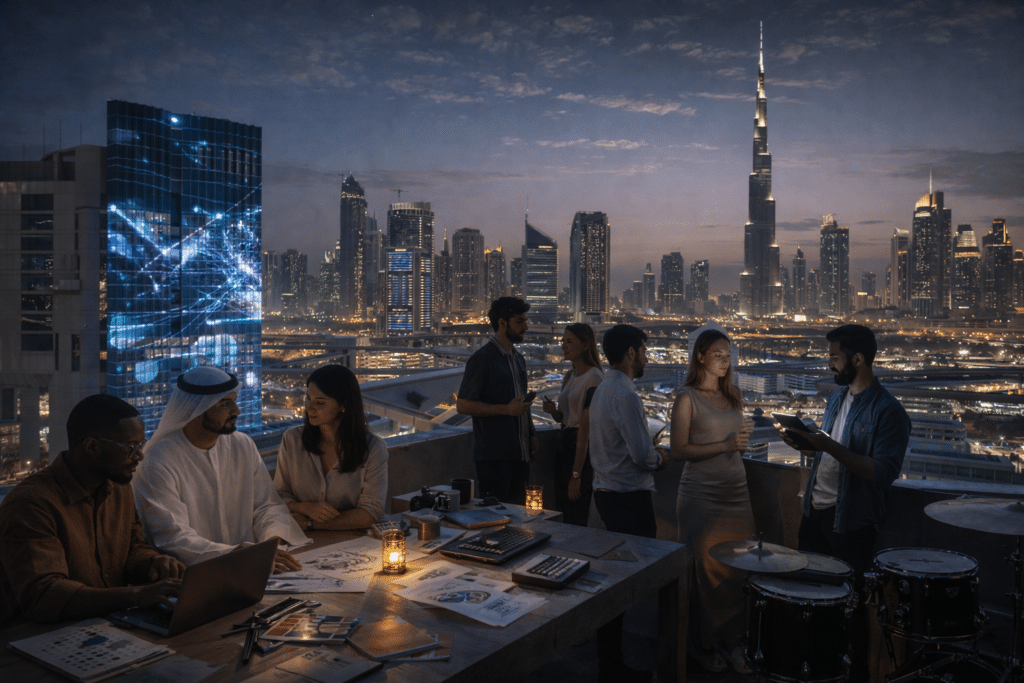
Technology is increasingly integrated into Dubai’s cultural experiences, showcasing the emirate’s commitment to innovation and future-forward thinking. Digital art, immersive virtual reality (VR) and augmented reality (AR) experiences, and non-fungible tokens (NFTs) are all emerging trends that Dubai is actively exploring. The Museum of the Future itself is a sign of this, blending leading technology with cultural narratives.
Examples include immersive art installations that use projection mapping and interactive sensors, as well as galleries exploring blockchain art. Trend reports on the future of culture consistently point to the increasing role of technology in enhancing engagement and creating new forms of artistic expression. Dubai is at the forefront of this integration, ensuring its cultural future remains dynamic, accessible, and globally relevant.
Conclusion
Dubai’s journey from a nascent ambition to a tangible global cultural capital is a sign of strategic vision, unwavering commitment, and unprecedented investment. We’ve explored the foundational governmental blueprints, the flourishing scenes in art, design, fashion, and music, the iconic institutions shaping its identity, and its success in attracting global talent and events. The profound ripple effect extends to fueling a lively creative economy, diversifying its tourism appeal, and enriching the societal fabric with community engagement and a strengthened cultural identity.
Dubai isn’t merely importing culture; it is actively cultivating a unique, globally-minded creative ecosystem that respects its heritage while boldly embracing the future. This dynamic evolution positions Dubai not just as a significant player but as a definitive leader on the global cultural stage.
Stay ahead of Dubai’s lively cultural pulse! Explore the latest events, openings, and trends shaping life in the Emirates by visiting What’s Hot in UAE. Your next cultural discovery awaits!