A Dubai nightclub closing tells you that one venue has stopped operating at one location. It does not, on its own, prove that the city’s nightlife is collapsing—or that the closure is a successful strategic move. A business can relocate, pause, change concept or shut permanently, and each outcome needs its own evidence. Our view…
A Dubai nightclub closing tells you that one venue has stopped operating at one location. It does not, on its own, prove that the city’s nightlife is collapsing—or that the closure is a successful strategic move. A business can relocate, pause, change concept or shut permanently, and each outcome needs its own evidence. Our view is straightforward: explain the specific change first, then draw conclusions that the available facts support.
For readers, the useful questions are the current location, whether the brand is still operating, and whether a new booking is available. For an industry analysis, the useful questions are the operator’s stated reason and the wider pattern across venues. Those are different tasks. A list of closed clubs cannot settle the health of an entire market, and a list of new openings cannot prove that every closed business was performing well.
What a Nightlife Closure Does and Does Not Show
A closure can disappoint people who valued a venue, its music or a regular night there. That reaction is understandable. The next step is to distinguish a loss of that particular experience from a broader claim about the city. A reader looking for somewhere to go needs an operating alternative; someone assessing the industry needs dated evidence about multiple businesses, rather than one emotive headline.
Check the Specific Venue Status
Treat a permanent closure, a temporary pause and a relocation as separate statuses. Look for the operator’s notice and a dated booking at the new location before assuming that a familiar brand still uses its old address. A hotel or restaurant can also remain open after a particular nightlife concept has ended. The continued existence of the building is not proof that an old club night or promotion still runs there.
For example, Soho Family Hospitality lists Secret Room among its venues. Its relocated Downtown setting differs from the older FIVE Palm references found in earlier coverage. That is a reason to check the current operator location, not a basis for inventing the economics behind the move. A brand can continue elsewhere while an old address becomes unsuitable for a visitor’s reservation or transport plan.
A venue change can improve a product, but the outcome should be judged after the change rather than assumed in advance. New music, design or access arrangements can suit one audience and disappoint another. Our recommendation is to compare the actual current offering with what you want from a night out. A refreshed name is not enough evidence of better service, a stronger business or a more relevant programme.
Compare Formats Before Comparing Cities
Comparisons with Ibiza, London or Berlin need care. These places have different venues, audiences, costs and seasonal patterns; none can be reduced to permanent legacy clubs or a fixed lifespan. Dubai also includes long-running bars, recurring event series and newer concepts. A useful comparison identifies the venue format and time period instead of declaring that every business in one city follows a single lifecycle.
Our view is that reinvention is valuable when it produces an experience people actually want. It is not an automatic explanation for every closure. A reader can judge a new concept through its music, menu, admission and location; a commercial claim needs evidence about that particular operation. Without an operator statement, it is better to record what changed than to attribute a motive to owners who have not explained it.
DET’s 2024 tourism report measures visitors and hotel performance. It does not establish a fixed lifespan for a major nightclub. A venue’s age is therefore a poor substitute for information about its business. Compare the actual operator notice and current product instead of assuming every club must close or refresh after the same number of years.
Possible Reasons for Venue Changes
Several factors can affect a venue: property changes, the audience it serves, operating costs, programme choices and the decision to change brand. These are possibilities to investigate, not verified reasons for a specific closure. A strong explanation pairs the actual announcement with the site and operator context. A weak explanation assigns every exit the same positive or negative story without checking what the business said.
Real Estate Redevelopment & Urban Master Plans
Redevelopment can change which businesses operate at a site, but a building project does not automatically explain every nearby closure. Check the actual planning or developer announcement and the venue’s own statement before making that connection. For a visitor, the practical consequence is to use the current address and entrance. For a market analysis, the consequence is to keep a site-specific change separate from a claim of city-wide demand loss.
A relocation is a useful example of why the old address and the brand’s current status are different facts. Secret Room’s Downtown venue was described in 2023 launch coverage, while older guides placed it at FIVE Palm. That history does not establish a current redevelopment motive. It does establish why an old hotel pin is a poor instruction for someone booking a new night.
Evolving Tourism Strategies & Demand Shifts
Tourism data provides background, with a clear measurement period. DET reported 19.59 million international overnight visitors for 2025, up from 18.72 million in 2024. Those figures describe tourism arrivals. They do not measure the profitability of a nightclub, the audience for one music genre or the footfall of a particular bar. Keep those different questions separate when discussing the nightlife market.
A tourism strategy describes the city’s wider positioning, while a venue decision concerns a particular operation. Keep those levels separate. More visitors can create opportunities without proving that every business benefits equally. A change in audience, programme or location needs evidence from the venue itself before it becomes an explanation for closure. Our preference is to describe the actual announced change rather than give a broad policy a site-specific meaning.

Operating Rules and Unsupported Cause Claims
A venue’s operating permissions and conditions matter, but a guide should not infer a licensing breach or a regulatory motive from closure alone. Such a claim needs a relevant public decision or an operator explanation. For a customer, follow the current event’s admission and conduct rules. For a business analysis, distinguish confirmed public information from speculation rather than using an unnamed legal commentator to fill a gap.
Record the venue’s announced status and any publicly explained reason. A temporary pause, location change and permanent shutdown can look similar in an old calendar, but their consequences for a customer differ. The useful guide says whether a new reservation exists and where the venue operates. It should not attribute a legal cause, describe a business as breaching rules or promise a relaunch without a supporting decision or announcement.
Proactive Brand Refresh Cycles & Innovation
A change of concept is another possible outcome. A business may introduce a new name, menu, music programme or reservation product, and the details determine whether it appeals to a particular audience. Our preference is to describe those actual changes. “Reinvention” is too broad to establish that every closure was planned or that every new version performs better. Let the current offering provide the reason to visit.
For a customer, a new booking should establish what is included now: the venue, music or meal format, access window and any spend requirement. An old promotion from the same address may no longer apply. If a concept reopens, compare its new terms instead of assuming the previous guestlist or table allowance continues. This practical distinction is more useful than a quotation claiming that all planned closures protect a brand’s value.
New Choices and the Loss of Familiar Venues
Turnover can create new choices and remove valued ones at the same time. It is not inherently a win or a warning sign. Our view is that a market is better assessed through the range of operating venues, their actual programmes and how well they serve different audiences. That is a different argument from declaring every closure an engine of competitiveness before examining the businesses involved.
Judge the New Concept on Its Merits
A new concept can provide fresh music, a different room layout or a different dining experience. It can also remove the features regular customers liked. Judge those changes on their actual merits, rather than assuming novelty always wins. For a reader choosing a night out, the relevant question is whether the new format fits the occasion and the group—not whether it can be described as an anti-ageing formula for a city.
Long-running venues and new concepts can both be worthwhile. A recurring night can retain a loyal audience through good programming, while a new opening may offer a different kind of evening. Our recommendation is to compare the current bill and booking rather than treating age as a quality score. A familiar name is not proof that its old event still operates; a new name is not proof of a better night.
Maintaining Commercial Sharpness & Cultural Relevance
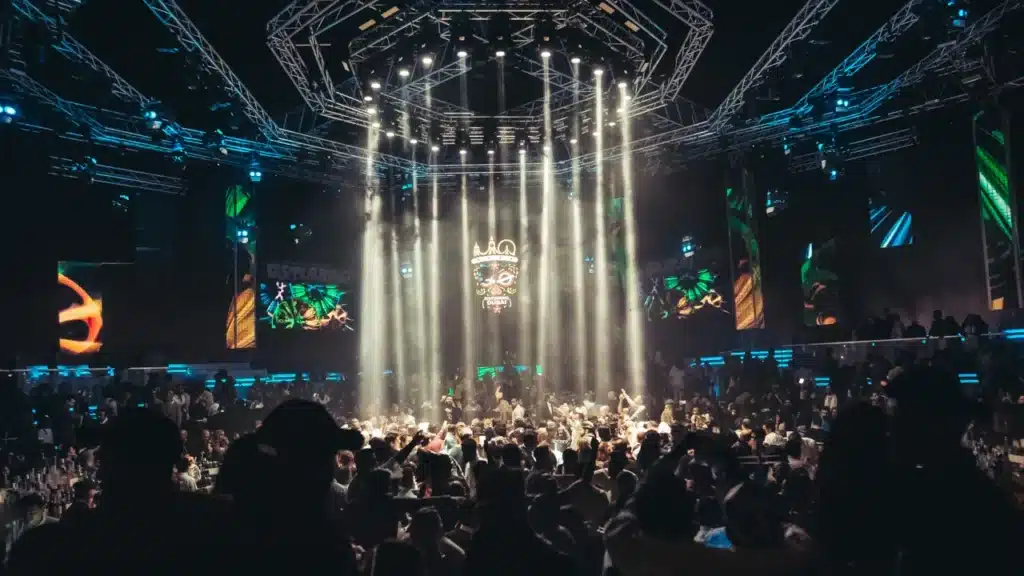
For a venue, staying relevant can involve changes to the programme, service or product. The public booking explains some of those changes, but it does not provide a full commercial record. For a visitor, compare what you receive with the cost and location. A music-led night, restaurant lounge and beachfront day pass serve different needs, so a broad claim of cultural relevance is less useful than the specific product.
Different groups want different nights: live music, a guest DJ, a quiet drink, an outdoor party or dinner with entertainment. A good guide should make those differences clear. It should not use a generic demographic claim to assume everyone wants the same format or that a single music style proves the preferences of the whole city. Our pick is the actual programme that fits the occasion, with the venue and access stated clearly.
Global Competitiveness: Attracting World-Class Experiences
International brands are one part of Dubai’s nightlife offer, alongside local venues and programmes. A brand’s presence can explain its proposition, but it does not independently establish a global city ranking or guarantee that its audience will prefer it. For a new booking, compare the actual artist, location and terms. For a wider analysis, use an identified measure rather than turning a well-known name into proof of competitiveness.
Investment, visitor arrivals and individual venue performance are different measures. A city can attract more overnight visitors while particular businesses still face challenges; a new project can open without proving that another business closed strategically. Our view is that the industry discussion needs a defined comparison and time period. For a customer, the more immediate question remains whether the chosen venue is operating and offers the experience they want.
Future Openings Versus Operating Venues
For future openings, separate the announcement, intended opening date and actual operation. A rendering or promotional calendar can describe a proposal without making it available to book today. Our recommendation is to follow the specific operator’s dated reservation and programme. The same distinction applies to a reopening: an intention to return is useful news, but it is not confirmation of an available event on every date.
Anticipating New Trends and Concepts
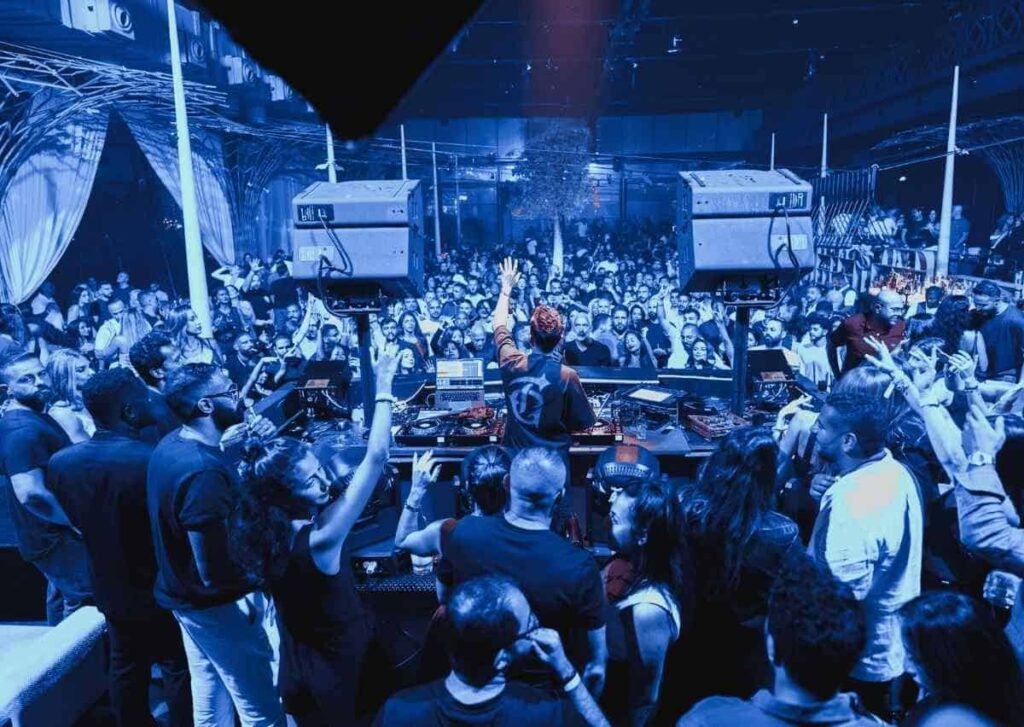
Music, dining, design and technology can all form part of a new venue concept. They are interesting directions to compare, but this article does not establish a city-wide forecast for any one of them. A reader should judge the actual opening and programme rather than a prediction that every future venue will become immersive or technology-led. Specific announced changes provide a better reason to choose a destination.
Technology is useful when it improves something a guest actually needs, such as clearer booking information or a practical venue service. A proposed feature needs an operator announcement and an explanation of what the visitor can use. It should not be treated as a city-wide trend simply because it sounds new. Our preference is to judge the actual product and its benefit rather than describe every future opening as technology-led.
Sustaining Dubai’s Position as an Entertainment Hub
The strongest conclusion is a narrower one: venues change, and readers need accurate current information about those changes. A closure can affect a useful place without explaining the entire industry. A new opening can add choice without proving that every older business was replaced strategically. Keep the named venues and dated evidence at the centre of the discussion, then make comparisons that the information can support.
Different operators can make different decisions, even within the same city or neighbourhood. A new location, refurbishment and permanent exit do not imply one shared strategy across every business. Before recommending a reopened venue, establish the available reservation, current address and actual programme. That gives a reader something useful to act on while keeping the wider industry explanation proportionate to the facts about the individual operation.
Our view is that neither automatic pessimism nor automatic optimism helps the reader. Record the venue’s status and the evidence for the change. If the reason is not public, leave it unresolved rather than inventing one. If a brand continues at a new location, explain how to find it. If it has ended, give a relevant operating alternative. Those practical distinctions matter more than assigning every closure the same market meaning.
For an evening out, start with what is operating now and the event or reservation you actually want. Our Going Out coverage helps compare venues and dates, with the operator’s booking used for the final terms. A good recommendation should name the access, music or dining format clearly, and should not promise that a closed venue, old residency or expired deal remains available.
The practical rule: a venue name, an address and a current event are three facts to check together.
For an old venue reference, check whether it has closed, moved, changed concept or paused. Save the exact booking and current location before travelling. That is the useful response to a changing nightlife scene: accurate destinations and clear choices, with the wider industry conclusions kept proportionate to the evidence.
Disclaimer: This article provides general information about Dubai’s nightlife industry trends and strategic business decisions. It is not intended as financial advice or an endorsement of specific venues. Information is subject to change based on market dynamics, government regulations, and business operations.