The Gucci fashion legacy is more than a corporate history — it’s a saga of creativity, scandal, and rebirth. For over 100 years, Gucci has influenced the way the world defines luxury. From its small beginnings in Florence to its presence on Dubai’s golden shopping avenues, the story of Gucci is one of innovation, reinvention,…
The Gucci fashion legacy is more than a corporate history — it’s a saga of creativity, scandal, and rebirth. For over 100 years, Gucci has influenced the way the world defines luxury. From its small beginnings in Florence to its presence on Dubai’s golden shopping avenues, the story of Gucci is one of innovation, reinvention, and cultural magnetism. For anyone who loves fashion, Gucci isn’t just a brand. It’s an experience.
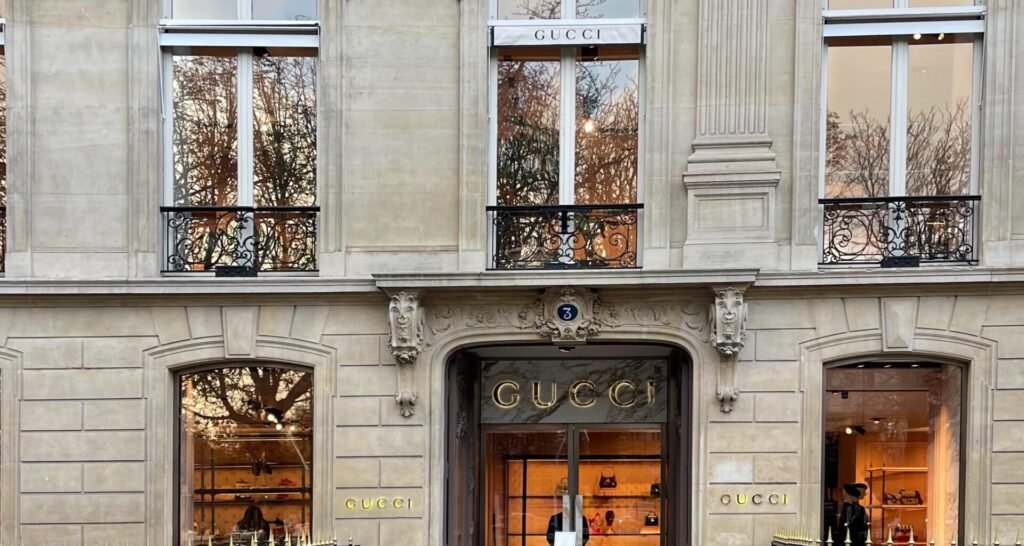
Guccio Gucci’s Vision: Where It All Began
It all started in Florence in 1921, with Guccio Gucci. After years working in hotels in London and Paris, Guccio developed a fascination with the luggage carried by wealthy travellers. Those experiences inspired him to build something of his own — products that blended functionality with Italian elegance.
When you read about his first shop, you can almost picture the scene: the scent of leather in the Florentine air, aristocrats inspecting travel trunks and equestrian gear, and Guccio carefully explaining each detail. His goods spoke of refinement, and clients responded. Word spread quickly, laying the foundation for the Gucci fashion legacy.
Post-War Innovation and Growth
After World War II, the Gucci family knew it had to think bigger. They wanted Gucci to become global. In 1953, Aldo Gucci opened a boutique in New York, marking Gucci’s leap across the Atlantic. This wasn’t just business strategy; it was ambition on a grand scale.
Some of the era’s innovations remain legendary. The bamboo-handled handbag, born from necessity during material shortages, became a global symbol of ingenuity. The green-red-green stripe, inspired by equestrian gear, transformed into a signature. And of course, the Horsebit loafer of 1953 — a shoe that made its way from Italian cobblestones to boardrooms and nightclubs worldwide.
Each design showed not just creativity but resilience. Gucci was proving that even in a world scarred by war, style and innovation could thrive.
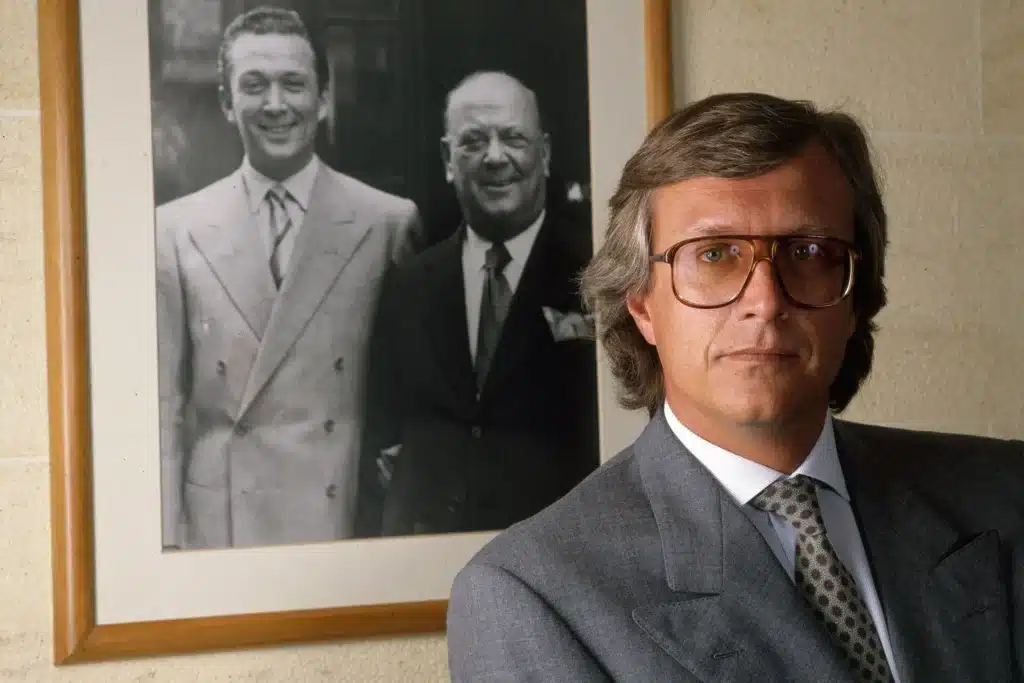
The Jet-Set and the Double G
By the 1960s and 70s, Gucci had gone from Florence’s workshops to the wardrobes of the global elite. Think of Jackie Kennedy stepping out with her Gucci bag, or Grace Kelly photographed in Gucci accessories. These weren’t just moments in fashion history — they became cultural milestones.
The Jackie Bag itself tells a story. Originally just another shoulder bag, it transformed into an icon because one of the world’s most photographed women carried it. That connection between celebrity and brand propelled Gucci into the realm of aspiration and desire.
The introduction of the double G logo solidified the brand’s identity. When people saw it, they didn’t just see initials; they saw status, heritage, and exclusivity.
Family Drama and Scandal in the 1980s
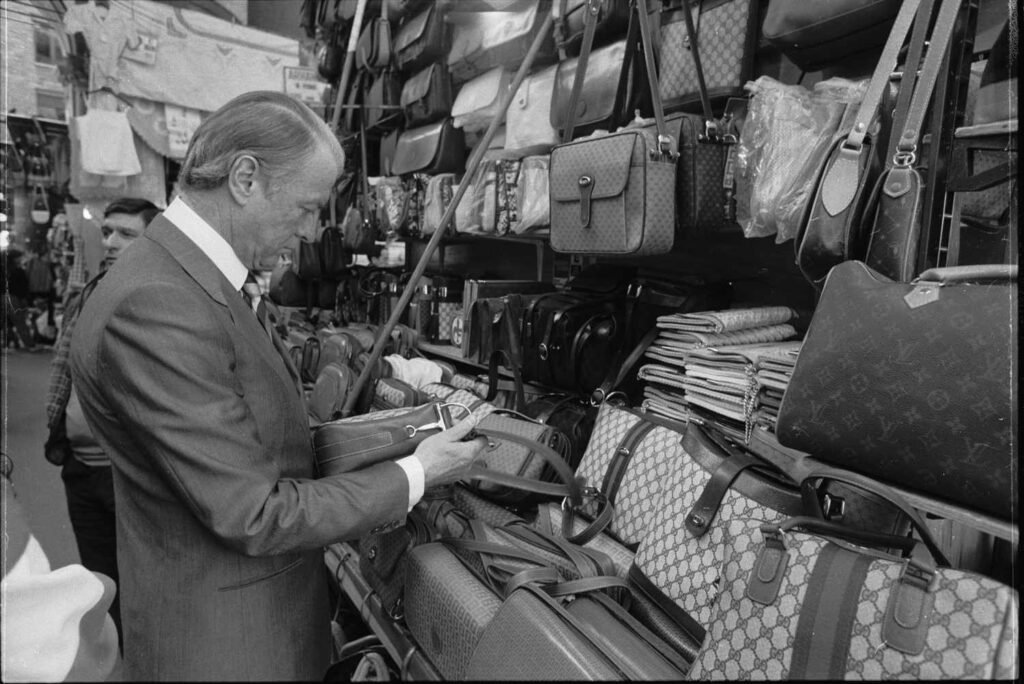
Yet success rarely comes without turbulence. The 1980s were a nightmare for Gucci. Bitter family feuds became public spectacles. Over-licensing cheapened the name, flooding the market with products that lacked exclusivity. The Gucci name — once whispered in reverence — risked becoming ordinary.
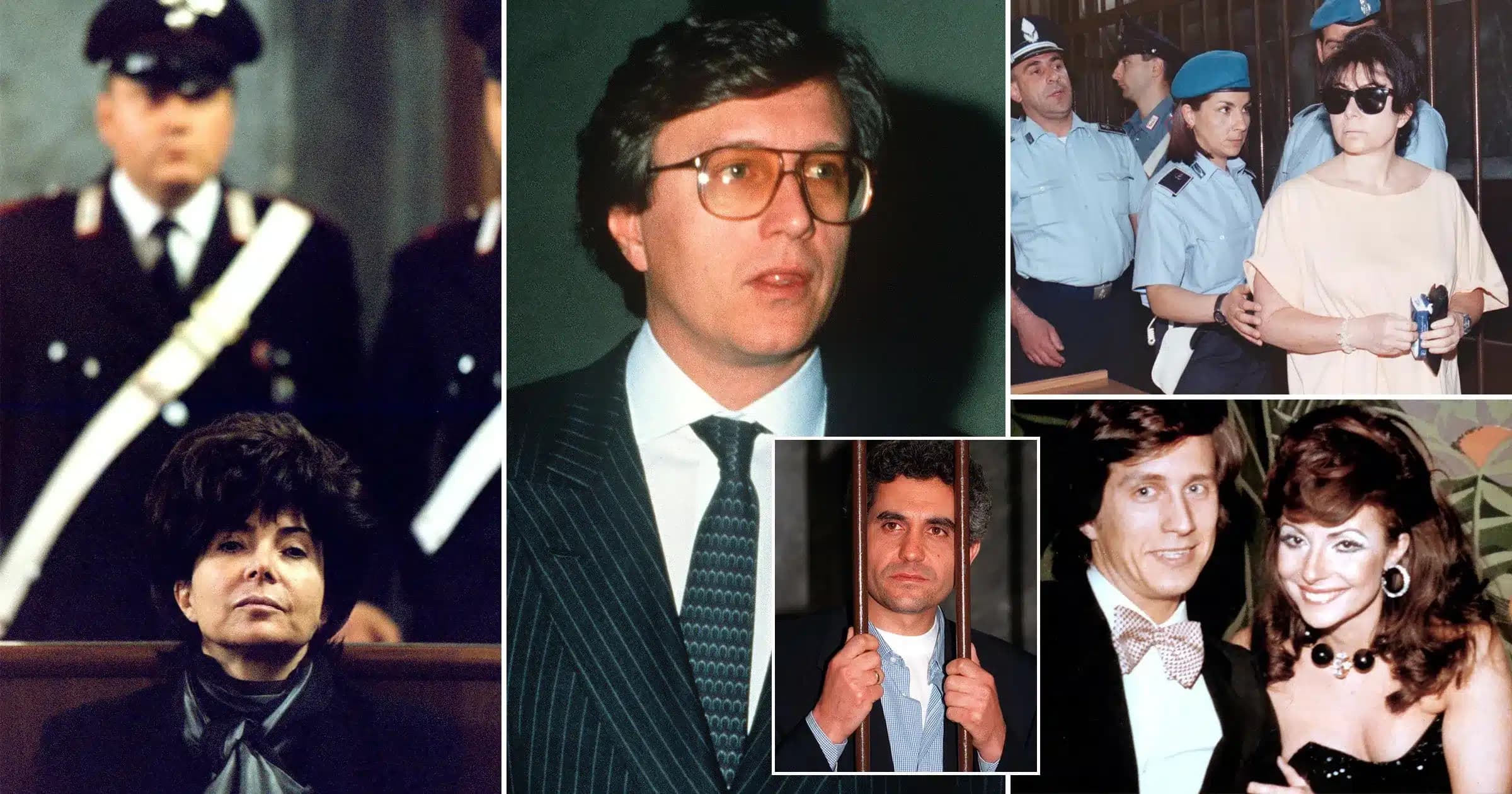
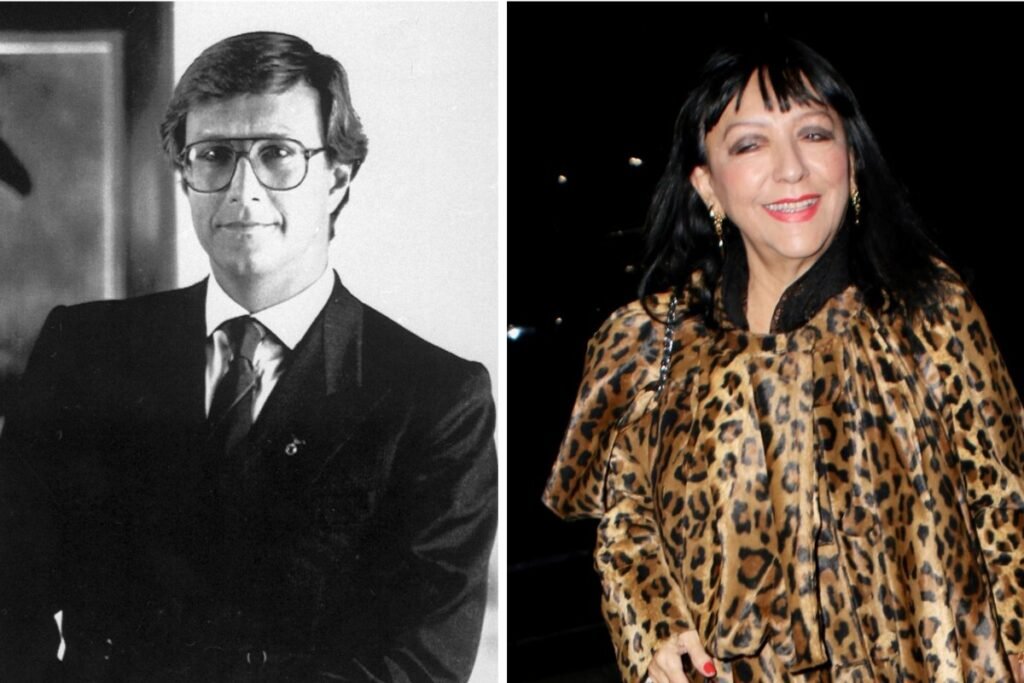
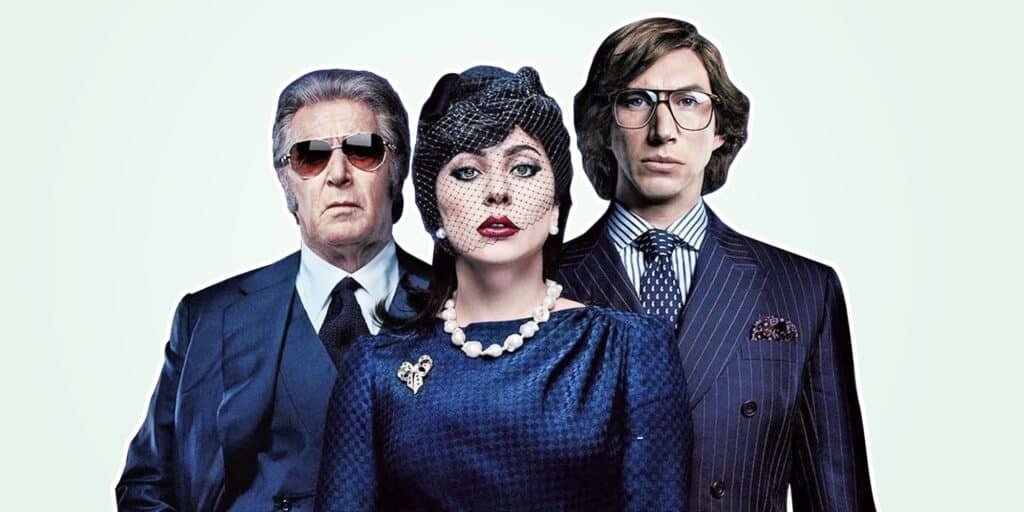
Then came the ultimate scandal: the 1995 murder of Maurizio Gucci, arranged by his ex-wife Patrizia Reggiani. The story captivated the world, later dramatised in Ridley Scott’s House of Gucci. For many, it was shocking to see a luxury house unravel so publicly.
In this moment, the Gucci fashion legacy seemed fragile, even endangered.
Tom Ford: Gucci’s Bold Revival
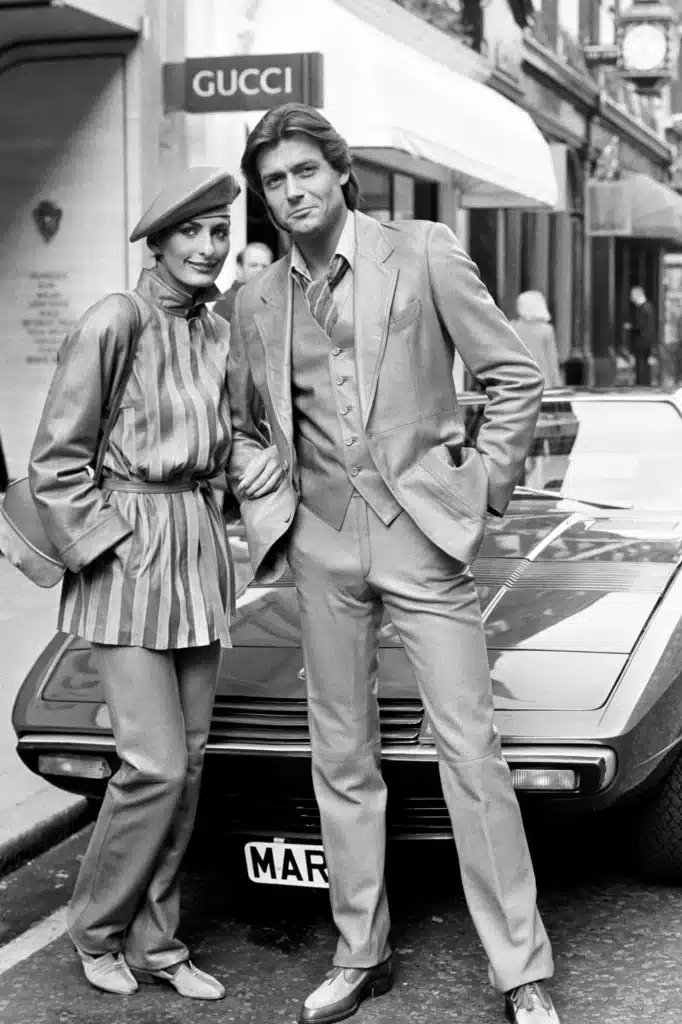
Everything changed in 1994 when Tom Ford became creative director. What Ford did cannot be overstated. He didn’t just save Gucci; he made it the sexiest brand in the world.
His collections were sleek, daring, and unapologetically sensual. Velvet trousers, satin shirts, daring cuts — Ford understood the pulse of the 1990s. I remember seeing his campaigns: provocative, glamorous, unforgettable. For the first time in years, people weren’t just buying Gucci, they were obsessed with it again.
Financially, Ford’s Gucci became a powerhouse, with revenues multiplying rapidly. But beyond the numbers, he gave Gucci back its confidence. He made it desirable. That spark reignited the Gucci fashion legacy.
Alessandro Michele: A Renaissance for a New Era
Fast forward to 2015. Gucci handed the reins to Alessandro Michele, and once again, everything shifted. Michele didn’t try to replicate Ford’s minimal glamour. Instead, he embraced maximalism — clashing prints, embroidery, eccentricity, and gender fluidity. It was bold and, to some, overwhelming, but it resonated.
Walking into a Gucci boutique during Michele’s tenure felt like stepping into a kaleidoscope of fashion history and pop culture. Millennials and Gen Z loved it. Gucci was no longer just luxury; it was a cultural statement.
Michele also modernised Gucci’s ethics. With Gucci Equilibrium, sustainability became a priority. Gender-neutral collections and inclusive campaigns showed a Gucci that wasn’t just following trends but setting them. For a century-old house, this ability to stay progressive is remarkable.
Gucci in the UAE: Luxury Meets Culture
To understand Gucci’s impact, you need only step into The Dubai Mall’s Gucci flagship store. The scale, the atmosphere, the way clients linger over handbags and shoes — it’s not just shopping, it’s theatre.
The UAE’s role in Gucci’s story is growing. Emiratis and expatriates alike embrace Gucci, from heritage classics like the Horsebit loafer to Michele’s lively creations. Gucci’s products frequently appear at Abu Dhabi’s luxury events and Dubai’s fashion weeks. The Gulf’s appetite for exclusivity means Gucci is not just popular here — it’s part of the region’s identity.
Update, July 2026: Beyond Michele — Two More Creative Directors
Alessandro Michele’s tenure ended in November 2022, and Gucci has since gone through two further changes of creative direction. Sabato de Sarno, previously of Valentino, took over in January 2023 with a quieter, more minimalist aesthetic than Michele’s maximalism — but he exited in early 2025 amid disappointing sales. In March 2025, Kering announced Demna (Demna Gvasalia), the designer behind Balenciaga’s decade-long transformation, as Gucci’s new Artistic Director, with a start date of July 2025. Demna’s runway debut, the Fall/Winter 2026-27 “Primavera” collection, showed at Milan’s Palazzo Delle Scintille on 27 February 2026 to strong reviews, blending archival references (including nods to the Tom Ford era) with a more emotional, glamorous direction than his Balenciaga work. In April 2026, Gucci also opened “Gucci Memoria,” an immersive retrospective marking the house’s 105-year history, during Milan Design Week.
Icons of the Gucci Fashion Legacy
Gucci’s products are more than items; they’re cultural symbols:
- Horsebit Loafer (1953): Worn from Wall Street to Dubai’s DIFC.
- Jackie Bag (1961): Immortalised by Jackie Kennedy, reinterpreted countless times since.
- Bamboo Handbag (1947): Innovation born of necessity, turned timeless.
- Dionysus Bag (2015): Michele’s standout, instantly recognisable by its tiger clasp.
Each product represents a different chapter of the Gucci story, tying innovation with timeless appeal.
Cultural Power Beyond Fashion
Gucci doesn’t just sell products; it shapes culture. Collaborations with Dapper Dan brought luxury to Harlem streetwear. Stars like Harry Styles, Rihanna, and Beyoncé wear Gucci on global stages. Its campaigns challenge norms, question identity, and spark debate.
What makes the Gucci fashion legacy compelling is its ability to stay in conversations far beyond fashion shows. Gucci is art, politics, and identity — all stitched into one brand.
A Century Strong
From Guccio Gucci’s humble Florentine shop to its towering flagship in Dubai, Gucci has endured wars, scandals, and shifting tastes. Few brands reinvent themselves as boldly and as often as Gucci has. Yet at every turn, the brand has balanced heritage with reinvention.
The Gucci fashion legacy is not just about style — it is about resilience, creativity, and cultural impact. It is the story of a house that, after a century, still feels fresh, daring, and necessary.