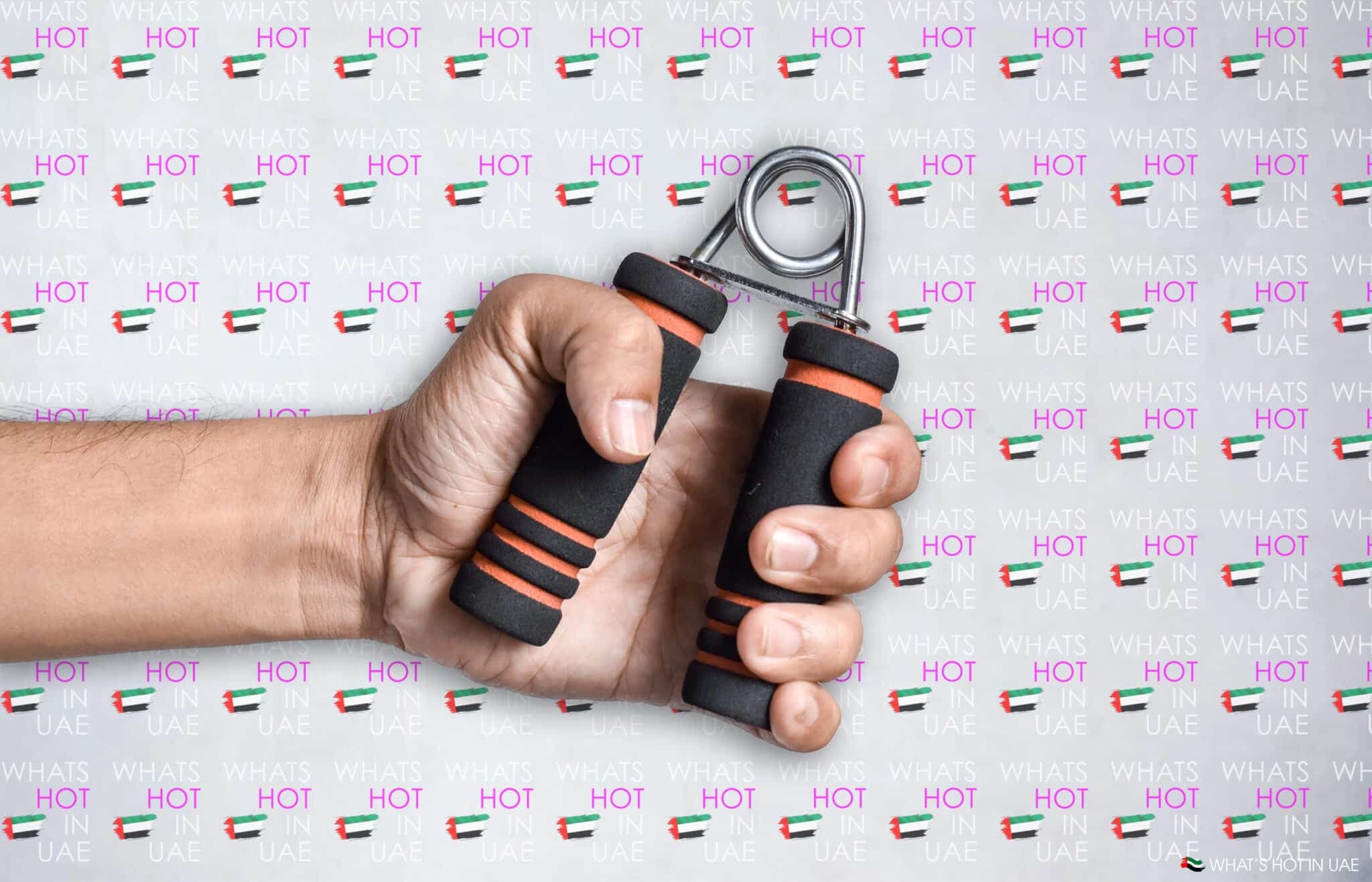
Have you ever struggled to open a stubborn jar, found your forearms giving out before your target muscles during a deadlift, or simply wished you had a stronger, more confident handshake? If so, you’re not alone. Weak grip strength is a common frustration that silently compromises both your peak physical performance and the simple ease…
Have you ever struggled to open a stubborn jar, found your forearms giving out before your target muscles during a deadlift, or simply wished you had a stronger, more confident handshake? If so, you’re not alone. Weak grip strength is a common frustration that silently compromises both your peak physical performance and the simple ease of daily living. Often underestimated, the power of improving grip strength extends far beyond the gym, influencing everything from athletic prowess and injury prevention to long-term health and independence.
This article is your definitive, expert-backed guide to mastering grip strength. We’ll unlock your full potential by exploring what grip strength truly means, why it’s incredibly important for your overall well-being, how to accurately test your current capabilities, and most importantly, provide a comprehensive arsenal of effective exercises and specialized tools to build an unshakeable grip. Get ready to transform your performance, enhance your daily life, and invest in a stronger, healthier future.
What is Grip Strength and Why is it Essential?
At its core, grip strength is “the force exerted by the muscles in the hand and forearm to hold onto an object,” as defined by physical trainer Ben Dillon, founder of Myo Room and an expert at Exercise With Style [1]. While seemingly straightforward, this force is fundamental, enabling countless movements and actions we take for granted every day. Beyond immediate functionality, grip strength has emerged as a crucial indicator of overall physical health, with significant implications for long-term well-being, including connections to neurological health [1].
Beyond the Basics: Understanding the Anatomy of a Powerful Grip
To truly master your grip, it’s essential to understand the intricate network of muscles that power it. Grip strength isn’t just about squeezing; it’s a symphony of a “motley collection of muscle fibers” in the hand and forearm working in concert [1]. These include:
- Forearm Flexors (e.g., Flexor Carpi Radialis, Flexor Carpi Ulnaris): Primarily responsible for flexing the wrist and fingers, crucial for crushing and supporting grips.
- Forearm Extensors (e.g., Extensor Carpi Radialis, Extensor Carpi Ulnaris): Crucial for stabilizing the wrist and extending the fingers, preventing imbalances and injuries.
- Brachioradialis: A large forearm muscle that assists in elbow flexion and contributes significantly to grip stability.
- Intrinsic Hand Muscles: Smaller muscles within the hand itself that control fine motor skills and contribute to pinch grip.
These muscles don’t act in isolation. They collaborate to control the hand’s ability to grip diverse objects, whether it’s the crushing strength needed for a barbell, the supporting strength for carrying groceries, or the pinching strength for picking up small items [1]. Understanding this “grip anatomy” allows for more targeted and effective forearm grip exercises.
The Multifaceted Importance of Strong Grip Strength
The benefits of cultivating strong grip strength ripple through several critical aspects of your life:
- Enhanced Gym Performance: For athletes and gym-goers, grip strength is often the limiting factor in heavy lifts. As Ben Dillon explains, a stronger grip “allows for better control and stability” in foundational exercises like deadlifts, pull-ups, and kettlebell swings, significantly reducing the risk of injury and enabling you to lift more weight for longer durations [1]. This directly answers the question, “Why is grip strength important in the gym?”
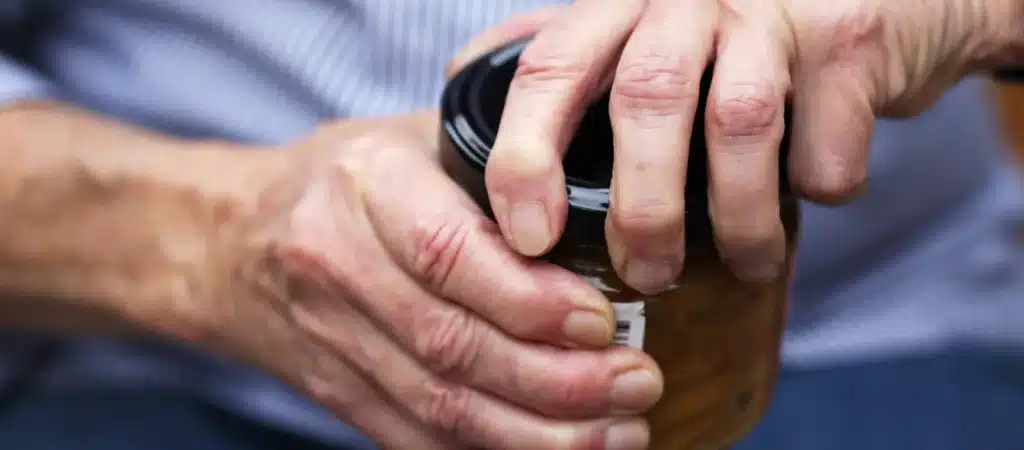
- Greater Ease in Daily Tasks: From the seemingly trivial to the critically important, good grip strength helps with your daily routine. It transforms everyday tasks from struggles into successes. Carrying heavy shopping bags, opening jars, using hand tools for DIY projects, or even reducing strain from prolonged computer use become notably easier and more comfortable [1].
- Profound Long-Term Health Benefits: Perhaps the most compelling reason to prioritize grip strength is its link to overall health and longevity. Studies have found that the better your grip strength, the less likely you are to develop certain neurological illnesses, making it a valuable biomarker for overall health and aging [2]. This connection underscores the profound importance of grip strength far beyond athletic endeavors.
How to Test Your Grip Strength (and Track Your Progress)
Before you embark on a journey to improve your grip strength, it’s vital to know where you stand. Regularly assessing your grip strength allows you to monitor improvement, set realistic goals, and stay motivated. This section will guide you through both professional and accessible at-home methods, directly addressing “how to test grip strength.”
Professional Grip Dynamometer Tests
The most accurate and reliable method for grip strength assessment is typically performed by a healthcare professional using a grip dynamometer. This handheld device measures the maximum isometric force your hand can exert. Doctors often use these tests as an “indicator of overall hand function and mobility,” particularly to “assess function… in case of a suspected stroke” or to monitor recovery from injury [1]. These medical grip strength tests provide precise, quantifiable data, making them a standard in clinical assessments and research studies.
Simple At-Home Grip Strength Tests
While a dynamometer offers clinical precision, there are excellent “at home grip test” methods that can effectively track your personal progress without specialized equipment:
- The Pull-Up Bar Hang Test: This is a fantastic, practical self-assessment. As Ben Dillon suggests, the “pull up bar hang test” is a “good way to test your own grip strength” [1].
- How to Perform: Find a sturdy pull-up bar. Grasp the bar with an overhand, shoulder-width grip, fully extending your arms so your feet are off the ground.
- The Test: Start a timer and hold this position for as long as possible. Ensure your body remains still, not swinging, and that your elbows stay locked (but not hyperextended).
- Tracking: Record your time in seconds. Perform this test consistently (e.g., once every 2-4 weeks) at the same time of day and under similar conditions to get reliable data on “how long to hang for grip strength” improvement. Focus on increasing your hang time over weeks and months.
Consistent at-home testing empowers you to track your progress, celebrate small victories, and stay engaged in your grip strengthening journey.
Expert-Approved Exercises to Improve Your Grip Strength
Now that you understand the what and why of grip strength, it’s time to dive into the how. This section provides a practical, step-by-step guide to expert-approved grip strength exercises, designed to build formidable hand and forearm power. All recommendations and instructions here are provided by UK-based physical trainer Ben Dillon [1].
Gym-Based Power Builders
For those with access to a gym, certain compound movements and targeted exercises are highly effective for developing a powerful grip. These are the best grip strength exercises to integrate into your routine:
- Deadlifts:
- How it helps: “Deadlifts require a firm grip on the barbell to lift heavy weight,” directly engaging the forearms and hands [1]. This is paramount for “grip strength for deadlifts.”
- Instructions: Load a barbell with an appropriate weight. Stand with feet hip-width apart, shins close to the bar. Hinge at your hips and bend your knees to grasp the barbell with an overhand, shoulder-width grip. Ensure your back is straight, chest up, and shoulders pulled back. Engage your core, drive through your heels, and lift the weight by extending your hips and knees simultaneously. Lower the weight with control by reversing the motion.
- Key Tip: For pure grip training focus, avoid using lifting straps until your grip truly becomes the limiting factor.
- Farmer’s Walks:
- How it helps: This exercise is a full-body, functional movement that “challenges your grip strength” and endurance [1].
- Instructions: Pick up two heavy dumbbells or kettlebells, one in each hand, with an overhand grip. Stand tall with your shoulders back and core engaged. Walk a predetermined distance (e.g., 50-100 feet) while maintaining good posture.
- Key Tip: “Gradually increase the weight and duration” as your grip endurance improves [1].
- Pull-Ups/Chin-Ups:
- How it helps: Both pull-ups and chin-ups demand significant “grip strength for pull ups” to hold your body weight.
- Instructions: Grasp a pull-up bar with an overhand (pull-up) or underhand (chin-up) grip, slightly wider than shoulder-width. Hang with arms fully extended. Engage your back and biceps to pull your chest towards the bar. Lower yourself with control until arms are fully extended.
- Key Tip: If you can’t perform full reps, use an assisted pull-up machine or resistance bands to gradually build strength.
Effective At-Home Grip Exercises
You don’t need a gym full of equipment to significantly boost your grip strength. These “grip strength exercises at home” are effective and require minimal to no specialized gear:
- Towel Squeezes:
- How it helps: “This exercise helps improve grip strength in the hands and forearms, and can also increase grip endurance” [1].
- Instructions: Take a hand towel, roll it up tightly, and soak it in water until it’s damp but not dripping. Grip the towel firmly with one hand and squeeze it as hard as you can, trying to wring out as much water as possible. Hold the squeeze for 5-10 seconds, then release.
- Key Tip: Perform 3-4 sets of 10-15 repetitions per hand. You can make it harder by using a thicker towel or progressively wringing it dryer.
- Hand Walks:
- How it helps: This unique exercise “targets the muscles in your hands, forearms, and arms, all of which are involved in grip strength” [1].
- Instructions: Find a sturdy, flat surface like a wall or a strong table edge. Place your hands flat on the surface, fingers pointing towards you or away, shoulder-width apart. Lean into your hands, using your fingers to “walk” your hands forward and backward along the surface. You can also try “hand walks at home” by “crawling” your hands across the floor while maintaining a plank-like position.
- Key Tip: Focus on deliberate, controlled movements, engaging each finger individually.
Consistency is key for all grip training. Incorporate these exercises regularly into your routine for optimal results.
Supercharge Your Grip with Specialized Training Tools
While fundamental exercises form the bedrock of grip strength, specialized training tools can provide unique stimuli, accelerate progress, and help you break through plateaus. These tools are designed to isolate and intensify the workload on your hands and forearms, offering targeted development. Physical trainer Sam Laurence highlights their utility in enhancing overall strength and convenience [3].
Hand Grippers: Your Portable Training Partner
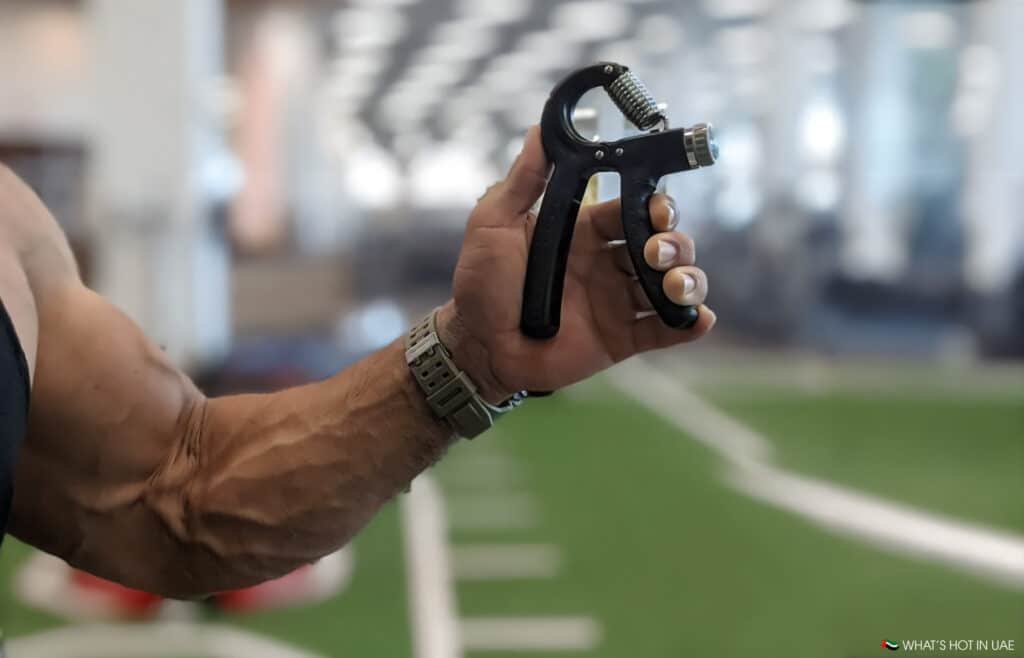
Hand grippers are perhaps the most popular and accessible grip training tool. These spring-loaded devices require you to squeeze the handles together, directly engaging your finger and forearm muscles.
- How they help: Hand grippers primarily develop crushing grip strength, which is essential for holding onto heavy objects or squeezing with force. Sam Laurence notes that hand grippers “are perfect for cranking up dumbbell and barbell lifts” by improving your ability to hold onto challenging weights [3].
- Benefits: Their portability means you can use them almost anywhere – “while sitting down watching TV,” at your desk, or during commutes [3]. They offer various resistance levels, allowing you to progress from beginner to advanced.
- How to use: Start with a resistance level you can comfortably close for 8-12 repetitions. Focus on a full range of motion, squeezing the handles completely together, holding for a second, and then slowly releasing.
When choosing “best hand grippers,” consider adjustable models for versatility or a set of fixed-resistance grippers to track progressive overload.
Fat Gripz: Unlock New Levels of Strength
Fat Gripz represent a different approach to grip training: thick-bar training. These rubber sleeves clip onto standard barbells, dumbbells, pull-up bars, and machine handles, instantly increasing their diameter.
- How they help: By making the bar thicker, Fat Gripz significantly increase the demand on your hands and forearms. Sam Laurence reinforces that Fat Gripz “fire up your fingers and forearms” because your hands have to work much harder to grip the wider surface [3]. This challenges more muscle fibers, leading to greater activation and faster strength gains than with standard bars.
- Benefits: They can be integrated into almost any exercise, transforming regular lifts like bicep curls, rows, or presses into potent grip-strengthening movements. This “thick bar training” improves overall hand and forearm strength, translating to better performance on standard bars too.
- How to use: Simply attach them to any bar or handle. Start with lighter weights than usual when using Fat Gripz, as your grip will be the limiting factor. Gradually increase weight as your hands adapt.
Choosing the Right Grip Tool for Your Goals
With a variety of “grip training tools” available, selecting the right one depends on your individual goals, current strength level, and budget.
- For Beginners: Adjustable hand grippers are excellent for starting out, as they allow for gradual progression. Consider lighter resistance bands for finger extensions to balance your grip muscles.
- For General Strength & Daily Life: Hand grippers are versatile for portable, consistent training.
- For Athletic Performance & Gym-Goers: Fat Gripz are invaluable for integrating grip training into your compound lifts, directly improving performance on deadlifts, rows, and presses.
- For Specific Grip Types:
- Crushing Strength: Hand grippers, heavy dumbbells/kettlebells.
- Pinching Strength: Pinch blocks, plate pinches (holding weight plates together).
- Support/Endurance Grip: Farmer’s walks, dead hangs, Fat Gripz on pull-up bars.
Consider a “grip training tools comparison” that takes into account portability, resistance range, and the specific type of grip you want to improve. Often, a combination of tools provides the most comprehensive development.
Integrating Grip Training into Your Routine & Advanced Strategies
Building powerful grip strength isn’t just about knowing the exercises; it’s about smart integration and consistent application of training principles. This section provides actionable advice on incorporating grip training into your existing fitness regimen, offering routines for various levels, advanced techniques, and holistic recovery strategies to ensure continuous progress.
Sample Grip Training Routines for All Levels
Consistency is paramount. Here are structured examples of how to integrate “forearm strength training” into your weekly schedule:
- Beginner Grip Workout (2-3 times per week, 10-15 minutes):
- Warm-up: Wrist circles, finger stretches (2 minutes).
- Exercises:
- Towel Squeezes: 3 sets of 10-15 reps per hand (hold 5 seconds).
- Dead Hangs (from pull-up bar or sturdy beam): 3 sets, hold for as long as possible (aim for 20-30+ seconds).
- Hand Gripper (light resistance): 3 sets of 12-15 reps per hand.
- Integration: Can be done as a standalone short routine on non-training days or at the end of a main workout.
- Intermediate Grip Routine (3 times per week, 15-20 minutes):
- Warm-up: Dynamic wrist and finger mobility (3 minutes).
- Exercises:
- Farmer’s Walks: 3-4 sets, walk 50-100 feet (progress weight).
- Pull-Ups/Chin-Ups: 3 sets to failure (or assisted).
- Hand Gripper (moderate resistance): 3 sets of 8-12 reps per hand.
- Plate Pinches: 3 sets, hold two smooth weight plates together (aim for 20-30+ seconds).
- Integration: Incorporate Farmer’s Walks and Pull-Ups into your regular strength training days. Do grippers/plate pinches on separate days or after workouts.
- Advanced Grip Strength Program (3-4 times per week, 20-30 minutes):
- Warm-up: Comprehensive hand, wrist, and forearm warm-up (5 minutes).
- Exercises:
- Deadlifts (with Fat Gripz if possible): 3-5 sets, heavier loads.
- Heavy Farmer’s Walks: 3 sets, longer distances or heavier weight.
- Max Effort Dead Hangs (weighted if possible): 3 sets to failure.
- Hand Grippers (heavy resistance, focus on negatives): 3 sets of 5-8 reps, emphasize slow release.
- Pinch Block Lifts or Hub Pinches: 3 sets, for max hold time.
- Integration: Focus on progressive overload across all “advanced grip exercises.” This “weekly grip training schedule” might involve dedicated grip days or integrating grip work at the start of relevant strength sessions.
Beyond the Basics: Advanced Techniques and Periodization
For those aiming to push their limits, incorporating “advanced grip training techniques” can yield significant gains:
- Static Holds: Holding a heavy object (like a dumbbell or kettlebell) for an extended period without movement. This builds isometric strength and endurance.
- Negative Training: Focusing on the eccentric (lowering) phase of an exercise. For grippers, this means using two hands to close a heavy gripper, then slowly resisting the opening with one hand.
- Over-Crush Holds: For hand grippers, once you’ve closed it, squeeze even harder, attempting to ‘crush’ it further for a few seconds.
- Periodization: Strategically varying your training volume, intensity, and exercise selection over time (e.g., blocks of high volume, followed by blocks of high intensity) to prevent plateaus and optimize recovery. This is particularly relevant for “grip training for sports” where specific strength peaks are desired.
These techniques, when applied judiciously, can build upon expert advice for maximizing strength gains over time, ensuring a well-rounded and robust “grip strength program.”
The Role of Recovery and Nutrition in Grip Development
Often overlooked, adequate recovery and proper nutrition are just as crucial for “forearm strength training” as the exercises themselves.
- Rest for Grip Strength: Your hand and forearm muscles need time to repair and grow stronger. Ensure sufficient rest days between intense grip training sessions. Overtraining can lead to plateaus, fatigue, and even injury.
- Nutrition for Forearm Strength: A balanced diet rich in protein, complex carbohydrates, and healthy fats provides the necessary building blocks for muscle repair and energy. Protein is vital for muscle synthesis, while carbohydrates fuel your workouts and aid recovery.
- Hydration: Staying well-hydrated is essential for optimal muscle function and overall health.
By supporting your training with proper “grip strength recovery” and targeted “nutrition for forearm strength,” you create the ideal environment for hand muscle repair and accelerated strength gains.
Conclusion
From conquering stubborn jar lids to dominating personal bests in the gym, and even contributing to a healthier, more independent future, the benefits of superior grip strength are undeniable and far-reaching. We’ve explored its anatomical intricacies, its profound impact on both daily functionality and long-term health, and precise methods for testing and tracking your progress.
You’ve been equipped with expert-backed exercises – from foundational gym movements like deadlifts and farmer’s walks to accessible at-home options like towel squeezes and hand walks. Furthermore, we’ve highlighted the transformative potential of specialized tools like hand grippers and Fat Gripz, and provided strategies for seamlessly integrating this vital training into your existing routine, complete with advanced techniques and recovery principles.
Mastering your grip isn’t just about building stronger hands; it’s about unlocking your full physical potential and enhancing your quality of life. Don’t let weak grip be your limiting factor any longer. We challenge you to take the first step today: pick one exercise or tool from this guide, commit to incorporating it into your routine, and begin your journey toward an unshakeable grip. Share your experiences and progress—your stronger self awaits!
Disclaimer: Consult a healthcare professional or certified trainer before starting any new exercise program. This article is for informational purposes only and does not constitute medical advice.
References
- Dillon, B. (N.D.). Insights on Grip Strength, Anatomy, Benefits, Testing, and Exercises. Myo Room & Exercise With Style. (As quoted in research findings).
- General scientific consensus, as noted in various research findings on grip strength as a biomarker for health.
- Laurence, S. (N.D.). Expert Opinion on Hand Grippers and Fat Gripz. (As quoted in research findings).