

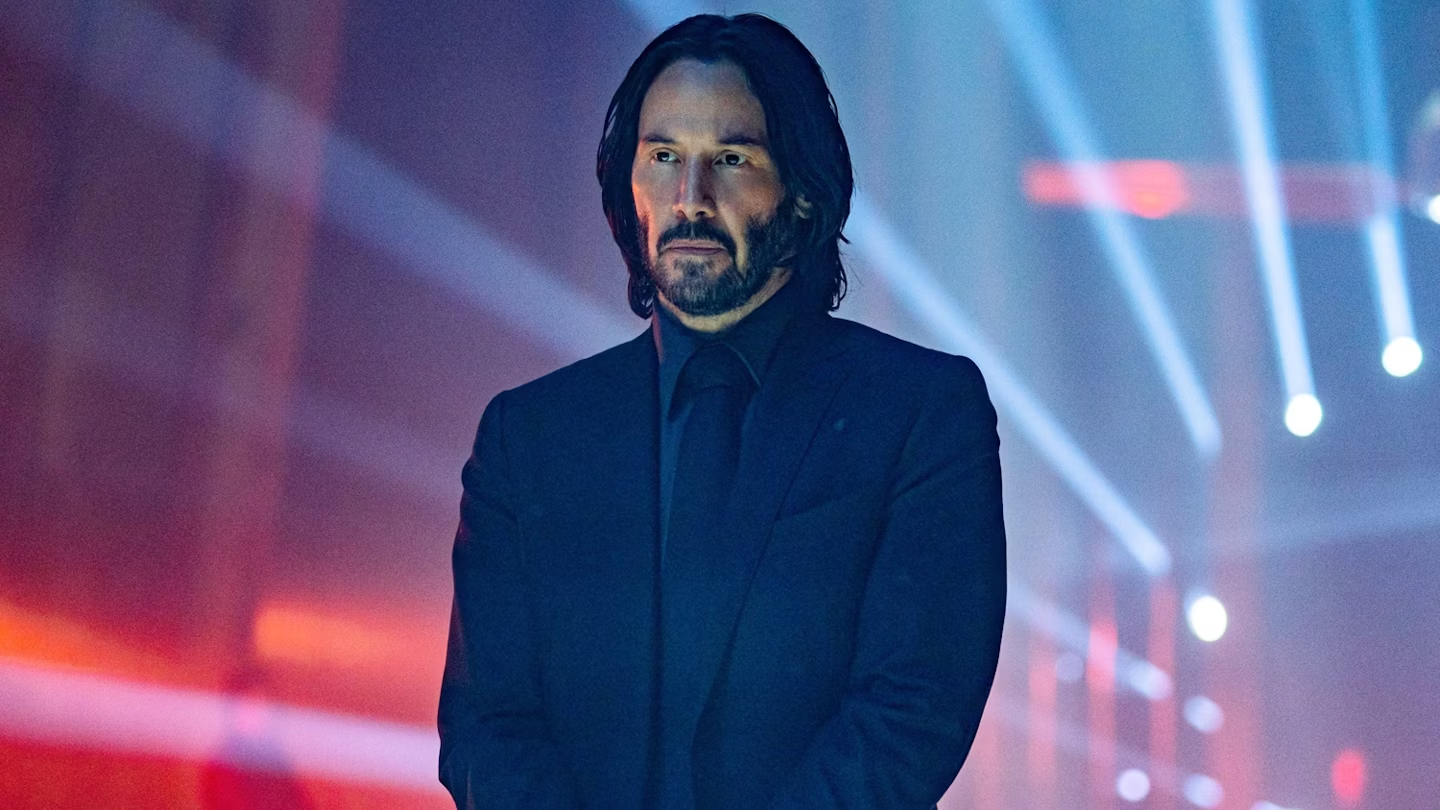
In a time when Hollywood seems to be struggling with fresh ideas, John Wick stands out as an unexpected playbook for creating original movie franchises. As John Wick celebrates its 10th anniversary, it’s remarkable how this $25 million film about a hitman’s journey to avenge his dog managed to build a billion-dollar empire—one that Hollywood surprisingly failed to replicate. This is how John Wick saved the movie studios.
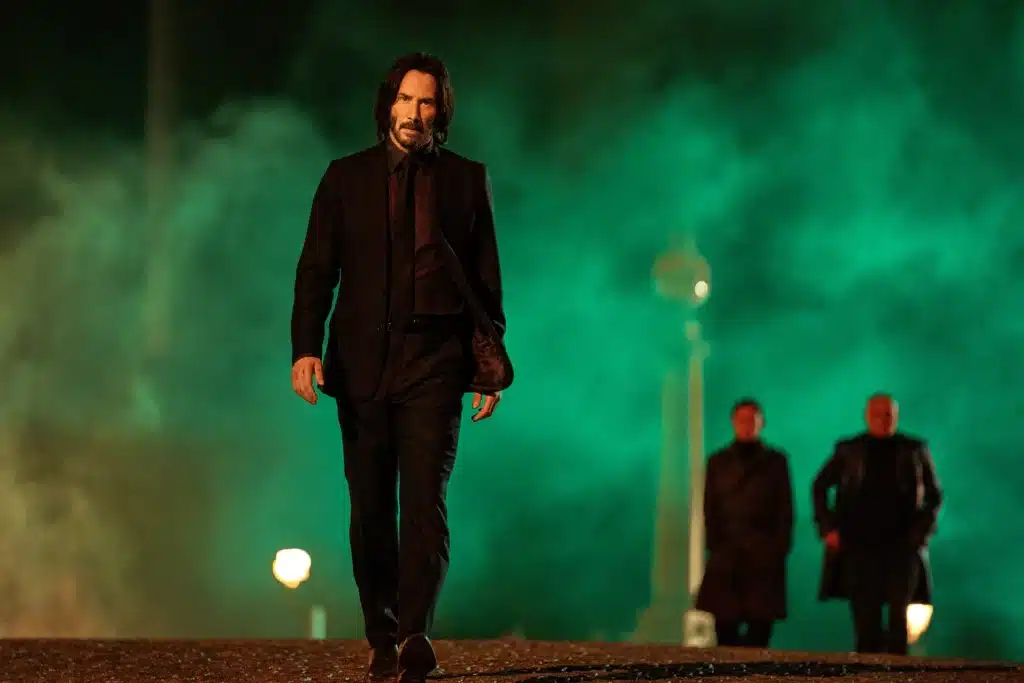
The industry continues to churn out costly, often repetitive IPs, which has led to the downfall of once surefire hits, from Marvel and DC projects to prestige films like Killers of the Flower Moon. But John Wick presented a solution for Hollywood: creating lower-budget, high-quality films with a unique premise that can grow organically. Here’s how John Wick redefined what it takes to build a profitable franchise.

A Simple Idea That Worked
In his book They Shouldn’t Have Killed His Dog, John Wick producer Basil Iwanyk explains his philosophy, “Action movies you could make for $25 million plus or minus five. It’s the most obvious thing in the world, but nobody seems to understand that.” Iwanyk’s strategy proved successful—four films later, the John Wick franchise has surpassed $1 billion in box office revenue. By keeping budgets manageable, John Wick demonstrated that modestly priced films could deliver impressive returns, offering both box-office revenue and potential for expansion through sequels and spin-offs.
However, it wasn’t just the budget that contributed to John Wick‘s success. A few crucial elements had to fall into place.
The Slump Breaker: Casting Keanu Reeves
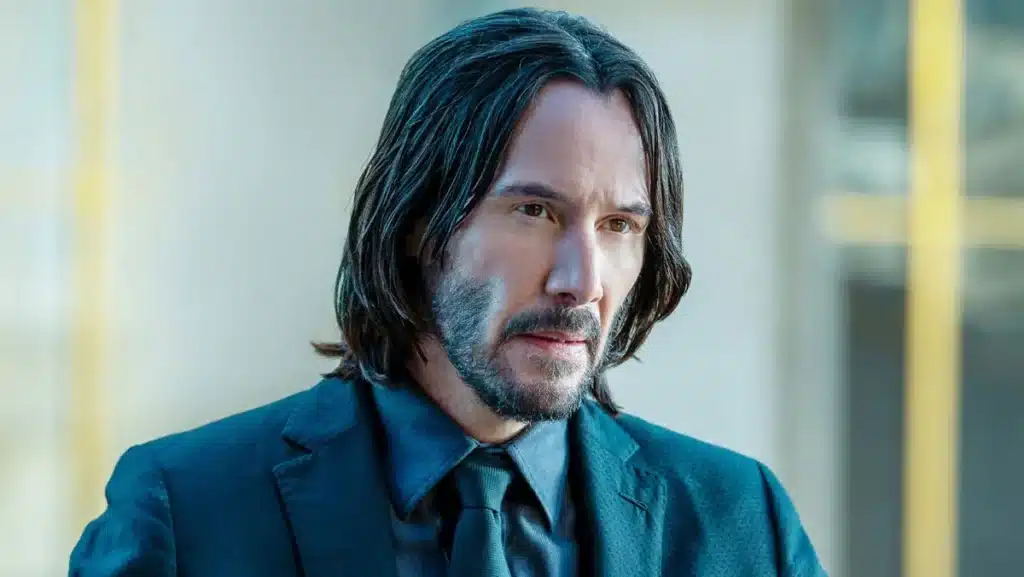
John Wick was released when Keanu Reeves was in need of a hit. His career was in a lull, with films like 47 Ronin and The Day the Earth Stood Still failing to resonate with audiences. When John Wick came along, it was the perfect project for Reeves—a disciplined actor experienced in action roles. Basil Iwanyk recalls sending Reeves a script originally written for a 75-year-old hitman, with a note: “Clearly, you’re not 75.” This role gave Reeves the opportunity to show off his martial arts and weapons training skills, which ultimately reinvigorated his career.

The 87Eleven Method: A Frugal Approach to Production
To make John Wick within budget, the filmmakers had to cut back elsewhere. Enter Chad Stahelski and David Leitch, the film’s directors, who had backgrounds in stunt work and founded 87Eleven Action Design, an action choreography company. They had a cost-effective method: choreographing and designing complex fight scenes in a gym using pre-visualization. This approach allowed them to plan every camera angle, movement, and sequence beforehand, reducing on-set expenses. By the time filming began, the entire cast and crew knew the fight sequences inside and out, minimizing wasted time and keeping costs low.
The 87Eleven method enabled them to focus the limited budget on making every scene dynamic. With Stahelski and Leitch, John Wick established a new model for cost-efficient action films, effectively prioritizing quality over quantity.
The Visual Aesthetic: Limitations Breed Innovation
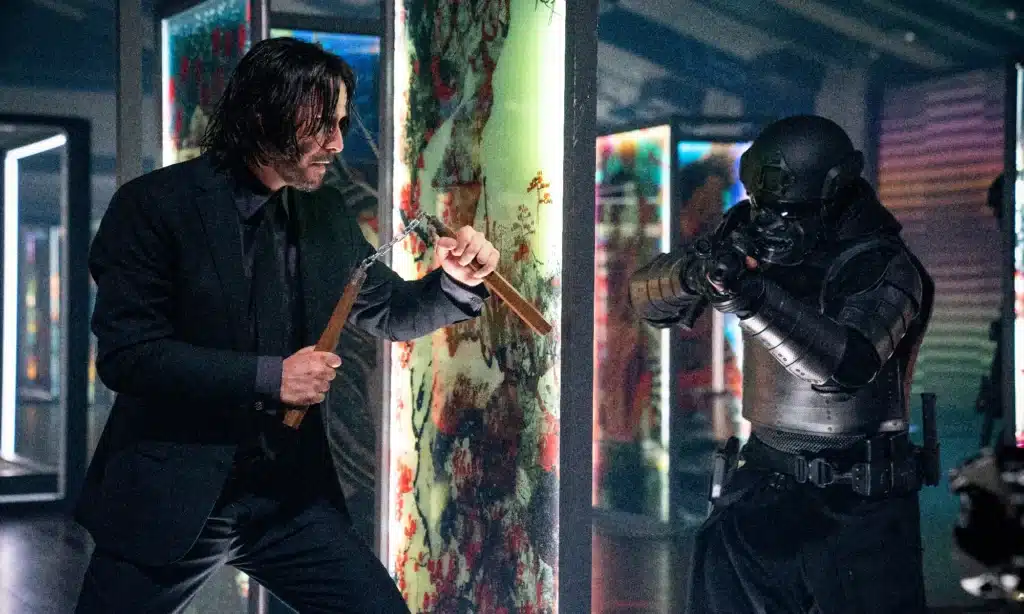
John Wick also set itself apart by embracing stylistic choices born out of necessity. The long, unbroken takes in the action sequences weren’t just a creative choice—they were a budget-friendly necessity. At the time, the production couldn’t afford multiple cameras, so Stahelski and Leitch opted for single, continuous shots that not only saved money but also became a signature style of the franchise. This creative workaround ultimately made the film’s fight scenes more visceral, a refreshing contrast to the rapid cuts typically seen in Hollywood action.

Car Chases on a Budget
The final act of John Wick features an iconic car chase that might look like a big-budget set piece, but it was actually produced on a tight budget. The team chose a single location—the Brooklyn Navy Yard—and filmed at night, saving money on securing multiple locations and permitting. Using everyday cars like Dodge Challengers and Chevy Tahoes, they avoided the expense of high-end vehicles while delivering a thrilling sequence that didn’t break the bank.

The Success Formula: Budget-Friendly with a Clear Focus
When John Wick hit theatres in 2014, it generated $86 million on its $25 million budget, a 4x return that guaranteed a follow-up. The formula was simple yet effective: prioritize action, keep the plot straightforward, and deliver everything with a stylized touch. This formula allowed the filmmakers to take the franchise forward, focusing more on creativity than financial constraints.

The Sequels: Doubling Down on Action and World-Building
With each new film, the John Wick series expanded in scope without losing sight of what made it work.
- John Wick: Chapter 2: With a $40 million budget, the filmmakers introduced more sophisticated fight choreography and innovative sets, including the iconic House of Mirrors. This sequel generated $171 million, proving that audiences were still hooked.
- John Wick: Chapter 3 – Parabellum: This time, the budget jumped to $75 million, which brought the franchise’s most impressive set pieces yet, including a scene with Belgian Malinois dogs attacking villains alongside Halle Berry. The film raked in $327 million, showcasing the franchise’s continued popularity.
- John Wick: Chapter 4: Boasting a $100 million budget, this film pushed the limits with an almost three-hour runtime packed with intense action scenes. The “car fu” fight sequence near the Arc de Triomphe demonstrated the franchise’s commitment to real stunts, even as CGI was sparingly used to enhance the visuals. The franchise peaked, delivering action that had grown in complexity without losing its gritty, grounded feel.

Lessons for Hollywood: Why Didn’t Anyone Follow Suit?
The John Wick series is a rare example of an original franchise succeeding in an era where reboots, sequels, and superhero films dominate. Its success shows that Hollywood can still produce profitable franchises without relying on established IPs or massive budgets. Yet, few studios have taken note.
Hollywood’s resistance to lower-budget original action films, despite John Wick’s success, could stem from the appeal of high-budget productions or the certainty that established franchises bring. However, John Wick exemplifies that well-crafted, lower-budget films with a unique vision can yield incredible returns.
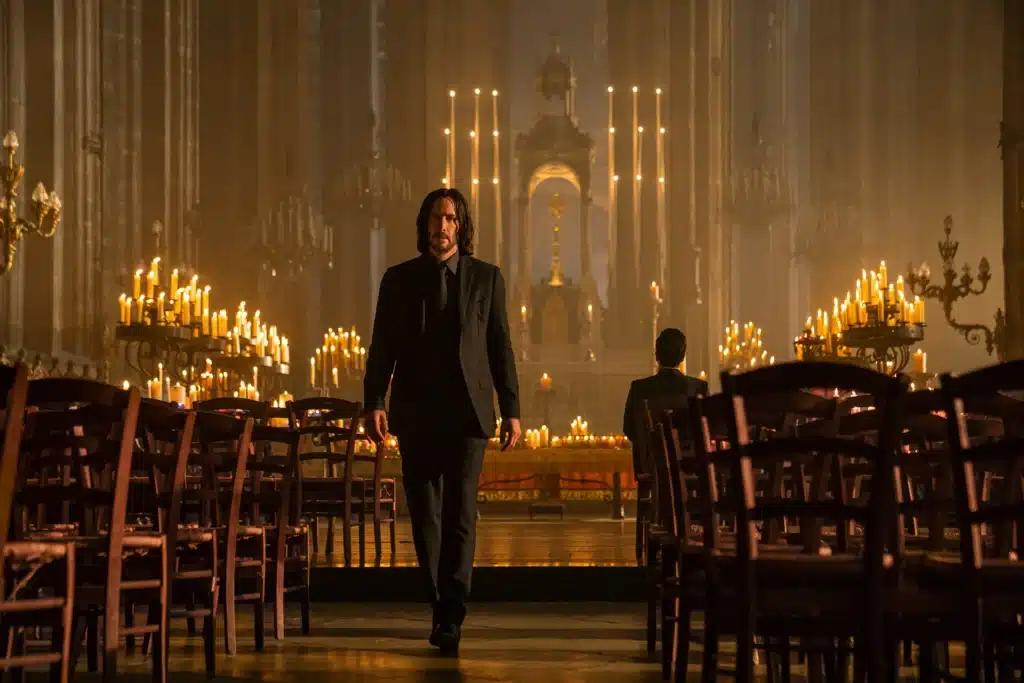
The Franchise’s Influence and the Future of Action Cinema
John Wick not only sparked sequels but also influenced a wave of similar films, from Sisu to Nobody. These films emulated John Wick’s aesthetic and approach, though few replicated its success. By emphasizing choreography, stylized visuals, and character-driven storytelling, John Wick paved the way for a new era in action cinema.
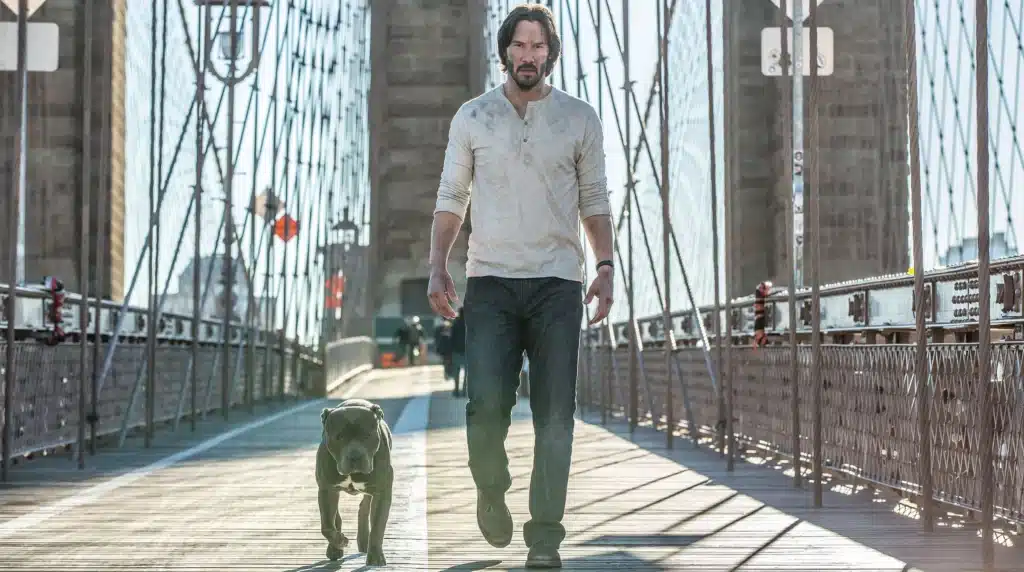
If Hollywood could heed the lessons of John Wick, it might be able to navigate a landscape where audiences increasingly seek originality and high-quality storytelling. As audiences grow tired of over-budgeted, underwhelming blockbusters, John Wick reminds us that a modestly priced, carefully crafted film can achieve both critical and commercial success.

What’s Next for the John Wick Franchise?
While John Wick: Chapter 4 marked the supposed end of the titular character’s journey, the franchise’s universe is far from over. With a spin-off TV series, The Continental, and a planned film focusing on Ana de Armas’ character from Parabellum, the John Wick universe continues to expand.

This success story highlights that with the right mix of vision, budget-consciousness, and dedication, Hollywood can create new franchises without relying solely on familiar faces and concepts. Ultimately, John Wick’s journey from a humble $25 million film to a billion-dollar franchise is a blueprint that Hollywood can’t afford to ignore if it hopes to evolve.