


Plan a first move to the UAE: confirm the visa and work route, prepare the right documents, compare housing and schools, and build a cash-flow budget before departure.
I would not sign an expensive lease on the strength of a salary headline. Before a first move to the UAE, I would settle three things: the permission to live and work here, the household’s real monthly cost, and the cash needed before the first salary arrives. A hotel photograph or a “tax-free” promise cannot answer those questions. Get them right and the exciting part of the move becomes much easier to enjoy.
This is the pre-move guide I would use before committing money: what to confirm with an employer, what to collect before departure, and how to choose a home-and-school arrangement the household can actually sustain. Once you arrive, use our separate 15-step Dubai arrival checklist for the sequence of ID, utilities and everyday setup. The two guides serve different stages of the move.

1. Confirm the route—not just the destination
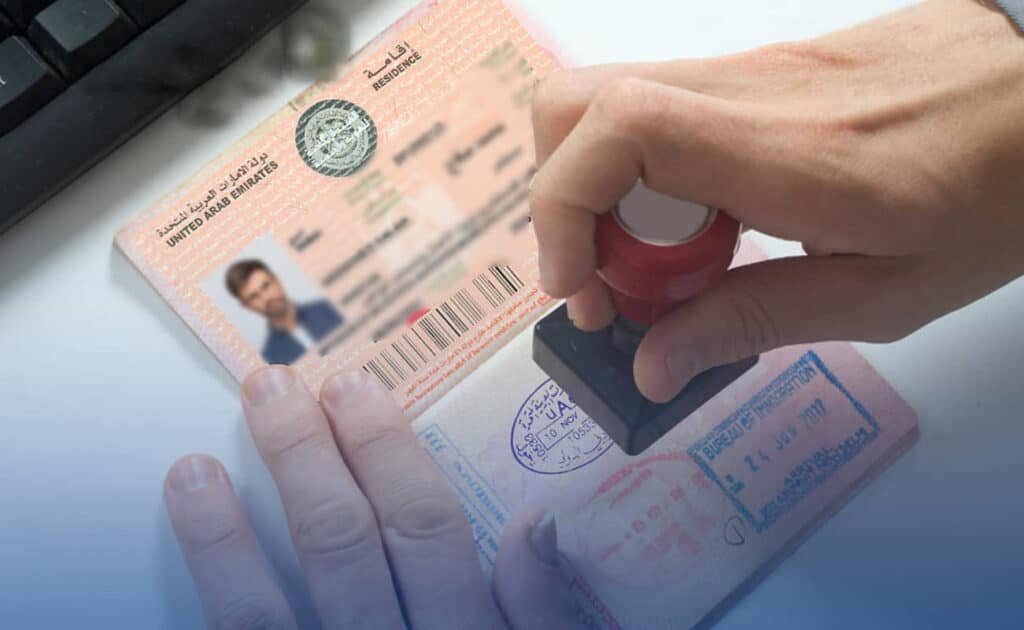
Start with the actual immigration category through ICP’s official service guidance or Dubai’s GDRFA, as applicable. Employment, family, study, investment and other residence routes have different conditions. Do not assume that a tourist or visit entry is permission to begin paid work.
The government work-permit overview distinguishes work authorisation from other arrangements. Ask who is responsible for each application, which documents are required and what happens if approval is delayed. A recruiter’s verbal assurance is not an issued permit. Verify the job, employer and written terms before resigning, shipping belongings or making a large non-refundable booking.
2. Read the whole employment offer
- Separate basic salary, allowances and variable pay.
- Identify who pays for relocation, temporary housing, flights and dependent arrangements.
- Get the insurance scope and start date, including family coverage if promised.
- Check probation, notice, working pattern, leave and any relevant restrictions.
- Confirm the first payroll date and what happens if onboarding slips.
Annual leave is not determined simply by nationality. The government’s private-sector leave guidance describes entitlements linked to service, including 30 days after a completed year and different treatment for part-time work. Public-sector, DIFC, ADGM or other arrangements may require separate rules. Read the framework that applies to the actual employment rather than assume one rule covers every job.
3. Build a document list with the receiving authority
Use MoFA’s attestation service to establish the route for documents that actually need it. A blanket instruction to “apostille everything” or attest every paper is not a sound relocation checklist. Requirements depend on the document, issuing country and the purpose for which it will be used. MoFA’s current service page says the digital or approved-courier route is determined by the issuing authority and document type. I would check that route before paying someone to process a pile of documents indiscriminately.
| Possible document | Question to resolve before departure |
|---|---|
| Passport and entry documents | What validity and category does this application require? |
| Qualification | Is attestation or recognition needed for the role or application? |
| Marriage or birth record | Is it required for the proposed dependent application, in what form? |
| School records | What does the receiving school need for placement and transfer? |
| Prescription and medical information | What is needed for continuity of care and lawful travel with this medicine? |
Keep secure copies and a record of where originals are held. Check names and transliterations for consistency. Do not send full identity documents to an unverified agent simply because a social-media message offers an urgent shortcut. The receiving authority, not a general moving checklist, must accept the individual document set.
Pets and belongings need their own travel plan
If you are bringing a cat or dog, start with MOCCAE’s current pet-import service before booking transport. It separates import permission from inspection and release at arrival, with animal-identification, health and vaccination requirements. Some checks depend on the exporting country and the animal. Your own residence approval is not the animal’s import permit.
- Eligibility: confirm the actual species, breed and route with MOCCAE and the exporting authority; do not assume every pet or transit is accepted.
- Dates: ask the responsible vet and authorities to align the required records, tests and issued permit’s expiry with the intended arrival.
- Transport: confirm the carrier’s acceptance, transit arrangements and suitable transport requirements for that animal, not just that the airline advertises pet travel.
- Arrival: settle who handles release, onward transport and pet-friendly accommodation if the permanent home is not ready.
For furniture and other belongings, ask each mover to price the same inventory and delivery scope. Separate collection, packing, freight, destination handling or clearance, storage, final delivery and insurance terms; ask which are included and who pays an excluded charge. Compare that complete quote with replacing the items locally, rather than compare a freight-only figure with a door-to-door service.
Put those payments and delivery dependencies into the household’s cash calendar. Our example below excludes shipping: an employer reimbursing a move later does not pay the carrier today. These are preparation questions, not a veterinary assessment, a completed import or a guarantee of clearance.

4. Choose a home around the household’s routes
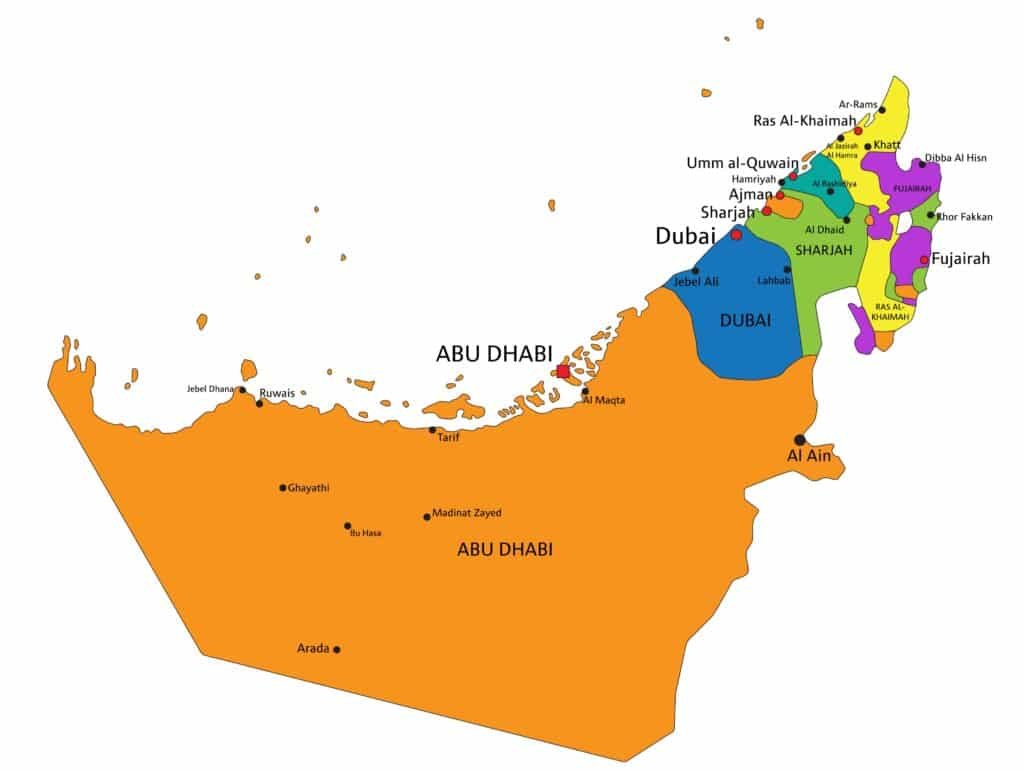
The seven emirates offer different work, school and daily-travel combinations. Abu Dhabi and Dubai are not interchangeable work destinations, and a lower advertised rent in another emirate can come with a longer journey. Sharjah, Ajman, Ras Al Khaimah, Fujairah and Umm Al Quwain should not be reduced to one “budget alternative” label.
Shortlist homes by the actual workplace, school, childcare and recurring appointments. Check the trip at relevant times, not just the distance on a map. Compare transport availability, parking, toll exposure and what happens when a family member needs the car. A neighbourhood that suits one household may be impractical for another.
A temporary base can buy time to inspect a property and test the routine. Compare its extra cost with the risk of signing a long lease remotely. Do not rush because a generic guide says quick decisions are always essential; establish the property, landlord or representative and written terms first.

5. Separate rent, deposits and fees
The DLD lease brokerage agreement between broker and tenant includes a commission arrangement. That is why I would not accept a blanket claim that every tenant-paid agency fee is illegal. Establish the agreed service, amount, payer and payment conditions in writing; do not infer them from a citywide percentage.
Rent payments, a refundable security deposit, an agency fee, registration and utility activation are different lines. A cheque schedule is not a deposit. Ask about cooling, parking, maintenance responsibilities and any building-specific move-in conditions. Dubai rental arrangements should not automatically be applied to another emirate.
Photograph and record the handover condition and meter information where relevant. Keep the signed tenancy and receipts. A refundable deposit is still cash you need upfront and money that may not be available to spend during the tenancy.

6. Work out cash flow—not only an annual total
The most useful relocation budget has dates. Put each payment in the week it is due and each confirmed reimbursement or salary in the week you expect to receive it. An employer repaying a flight next month does not fund the ticket today. A rent figure that looks affordable per month can still require a substantial first payment.
| Invented first-month planning example | AED |
|---|---|
| Temporary accommodation | 6,000 |
| First rent instalment | 20,000 |
| Refundable rental deposit | 4,000 |
| Agreed agency fee | 4,000 |
| Utility/registration/setup allowance | 3,000 |
| Household essentials and transport | 5,000 |
| Illustrative total before contingency | 42,000 |
These are hypothetical inputs, not a minimum UAE budget, a market quotation or a promise that the total covers a particular family. They exclude school fees, shipping and any other unlisted costs. Replace each line with actual quotes, mark what is refundable and test a delayed-salary scenario. I would use this as a worksheet, not turn it into a universal AED 30,000–50,000 rule or an unsupported city-versus-city percentage.
The delay test I would run before saying yes
An annual budget can look healthy while the first fortnight fails. Take the hypothetical AED 42,000 setup example above, with AED 45,000 cash available. Suppose a further AED 8,000 of expenses, not included in that setup total, falls due in the following period before an AED 8,000 employer reimbursement arrives on day 30. The timing, not the annual arithmetic, is the problem.
| Example timing | Cash movement | Balance from AED 45,000 |
|---|---|---|
| Setup payments due | −AED 42,000 | AED 3,000 |
| Additional expenses before reimbursement | −AED 8,000 | −AED 5,000: funding gap |
| Reimbursement arrives on day 30 | +AED 8,000 | AED 3,000, but too late to fund the earlier gap |
I would resolve that AED 5,000 gap before committing. That could mean agreeing an earlier documented employer payment, changing the timing of a cost or holding more available cash—not simply assuming a bank or a credit card will cover it. AED 50,000 covers only the AED 42,000 plus AED 8,000 inputs in this example; it is not a recommended universal reserve and includes no extra contingency. Replace the dates and amounts with the household’s real offers.
My priority order is permission, essential commitments, payment timing, then optional lifestyle upgrades. If a school place, treatment plan or work approval is unresolved, I would make that visible in the move decision rather than hide it beneath a more attractive monthly rent figure.
7. For families, confirm a school place before relying on the address
In Dubai, the KHDA School Fees Fact Sheet helps compare school costs beyond tuition. Ask the actual school about place availability, year-group placement, transport, materials and any additional costs. A curriculum label alone does not establish quality, affordability or admission.
Compare the school journey with both work journeys and the household’s daily schedule. For another emirate, use its relevant education authority and the school’s current records. Do not base a lease decision on an assumed place or an unsupported claim that named schools lead every ranking.
8. Arrange continuity of healthcare
Get the actual insurance schedule: network, start date, exclusions, copayments, authorisation rules and any dependent cover. An “enhanced” label does not automatically include the dental, maternity, optical or specialist service your household needs. Ask about ongoing treatment and prescriptions before the move rather than discover a gap after arrival.
For medicines brought into the country, check the official drugs and controlled-medicines guidance and the current relevant service requirements for the exact product. A foreign prescription, a medicine being legal at home or a short visit does not by itself settle the UAE requirements. Do not stop or change treatment based on a relocation article; obtain appropriate clinical and official guidance.
9. Plan banking, payments and international transfers
Compare accounts by the actual eligibility, minimum-balance or salary conditions, fees and documents. Do not assume a resident account, credit card or loan will be approved immediately. Ask how the first salary will be paid if the usual account is not yet active, and retain access to a lawful way of paying essential bills during setup.
For a transfer, compare the amount received after the exchange rate and charges, not the fee alone. Keep source-of-funds documentation available through the provider’s verified process. A low-cost remittance offer is not a reason to send money to an unknown intermediary.
10. Test transport and connectivity as part of the home decision
Dubai Metro, buses, taxis and a private car solve different journeys. Use a live route plan and check the last part between a station and the building, especially in hot weather. A district being “near the Metro” is not the same as a practical walk from the actual entrance. Licence exchange depends on the relevant eligibility and documentation; do not assume nationality alone settles it.
For internet calling, use TDRA’s published guidance and the current provider information. I would not rely on an unofficial workaround for an essential work or family call. Check the approved service needed for family calls or work meetings rather than assume every app works identically to another country.
11. Everyday life: leave room to learn
The practical rhythm varies with work, school, weather and the calendar. Check current public-holiday announcements, Ramadan operating arrangements and each venue’s actual policy. Avoid turning a general cultural introduction into blanket legal claims about every restaurant, public place or item of clothing.
Summer heat, humidity, dust and occasional severe weather affect travel and outdoor plans. Check official forecasts and warnings for a particular trip. A scenic wadi photograph is not evidence that swimming or driving there is safe that day. Keep indoor alternatives and do not make an unfamiliar off-road outing part of the first-week obligations.
12. Build community without buying an expensive lifestyle first
Schools, sports, professional groups, cultural and religious communities can offer ways to meet people. Choose a real activity you want to repeat, check the organiser and understand any cost or commitment. You do not need a premium beach membership or an “expat package” to begin feeling settled.
Keep optional shopping, dining, travel and investment spending separate from the setup budget. The UAE has many appealing leisure choices, but a move does not guarantee higher savings or a profitable property purchase. Likewise, a free-zone label does not provide a universal tax exemption. Obtain advice about business and cross-border tax obligations where relevant.
A pre-departure go/no-go check
- The entry/residence and work route is confirmed through the appropriate process.
- The offer and responsibility for major costs are in writing.
- Required documents are identified for the actual applications.
- The budget includes payment dates, refundable deposits and a delay allowance.
- School, healthcare and medicine needs have specific plans.
- The first accommodation and travel arrangements remain workable if the schedule changes.
I would move with a workable plan, not wait for a fantasy in which every future detail is settled. The non-negotiable part is knowing which unresolved item could make the first month unaffordable or prevent a dependent, job or treatment plan from working. Resolve those before spending on optional upgrades. That is the difference between a sensible leap and an avoidable cash squeeze.
The official-source framework was reviewed on 18 October 2026; the cash-flow decision example and MoFA attestation-route guidance were checked and added on 21 October 2026. This is a researched planning framework, not legal, tax, immigration or medical advice, a verified personal application or a first-hand survey of every emirate. Specific prices, rules and eligibility should be checked for the actual move.
Frequently asked questions
Is there one minimum budget for moving to the UAE?
No. Build a dated household budget from actual rent-payment terms, deposits, fees, school and healthcare needs, temporary accommodation and the first payroll date. The worked example here is hypothetical, not a universal minimum.
Do all documents need an apostille or attestation?
No blanket rule is given here. Ask the receiving authority which documents and authentication route are required for the specific application and issuing country.
Is it illegal for a Dubai tenant to pay agency commission?
Not necessarily. DLD publishes a lease brokerage agreement between broker and tenant with a commission arrangement. Establish the actual agreed terms rather than assume the landlord always pays.
Does entering on a visit visa let me start paid work?
Do not assume it does. Confirm the applicable work authorisation and immigration route through the relevant official process before beginning work.


