Is okra water a wellness miracle or just social media hype? We dive into the science behind the viral trend, from blood sugar claims to skin health myths.
Key Takeaways
- Okra water is trending for its perceived health benefits, but many claims lack scientific support and evidence.
- Preparing okra water involves soaking sliced okra pods, resulting in a liquid that has some nutrients but misses out on the whole vegetable’s benefits.
- Research includes supplements and some small infusion studies. None establishes that every homemade recipe is an effective or safe treatment.
- Animal findings and whole-food nutrient warnings should not be presented as measured human risks for every soaking-water recipe.
- For hydration, okra water can be enjoyable, but for health benefits, consuming the whole vegetable is recommended over relying solely on this trendy drink.
A glass of soaked okra is not a diabetes treatment, a fat-loss plan or a shortcut to glowing skin. That is the distinction the hype keeps losing. Studies of specified okra preparations do not validate every homemade drink. Our recommendation is straightforward: judge okra water as a drink, not medicine, and do not change prescribed treatment around a social-media recipe.
The verdict: the miracle claim does not earn your trust
There is no reason to make this a compulsory wellness ritual. Enjoying an ingredient and proving a treatment are different things. The useful question is what researchers actually tested, in whom, and for which outcome—not how convincing a before-and-after video looks. If you have a relevant condition or take medication, discuss regular use with your clinician or pharmacist rather than improvising around a trend.
For another case where wellness marketing needs close scrutiny, read the UAE’s illegal weight-loss products crackdown. Our Oura Ring styling guide likewise separates an accessory choice from unsupported health promises.
The Viral Trend: What is Okra Water?
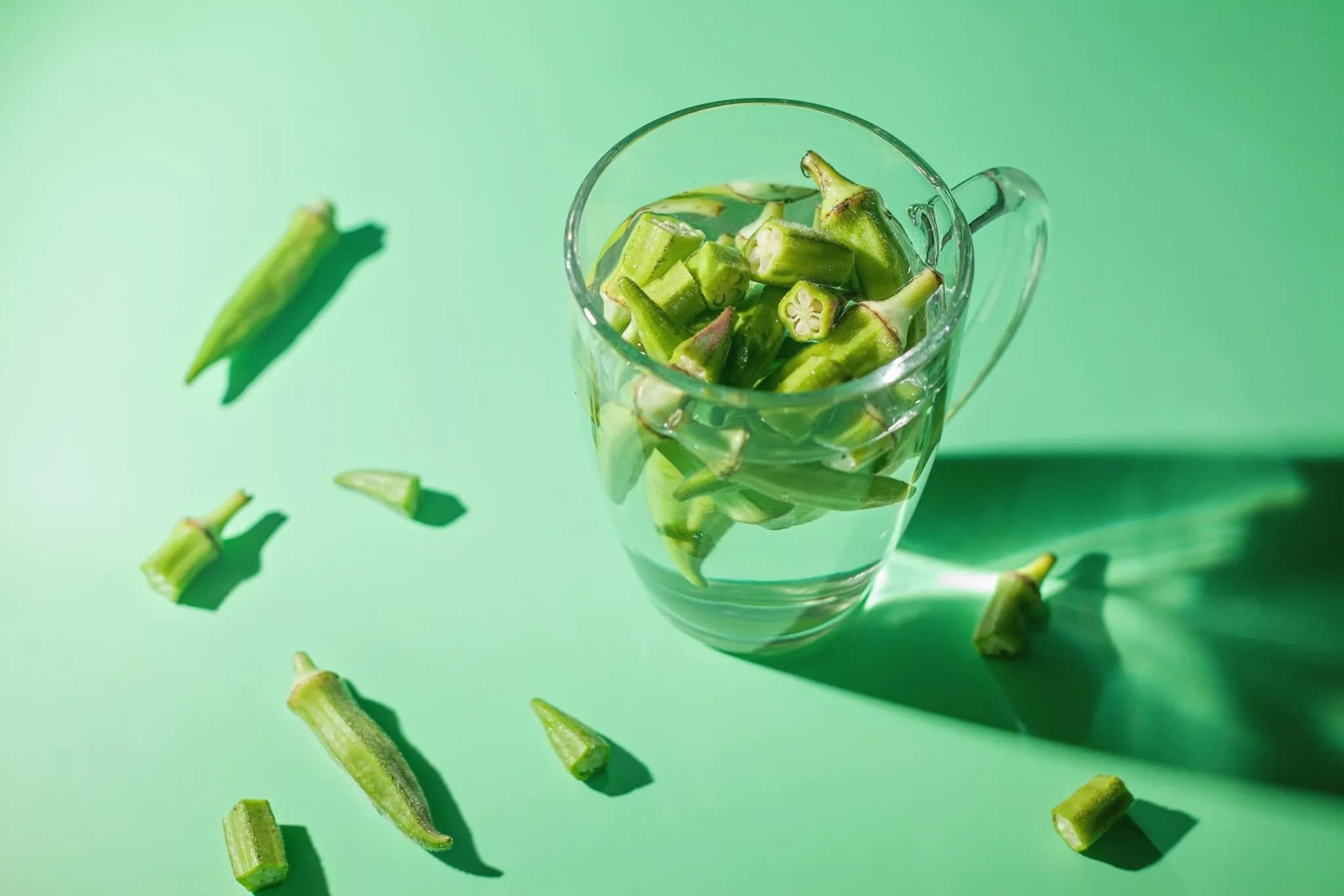
Okra water is made by soaking sliced pods in water, producing a cloudy liquid with the viscous texture associated with mucilage. Recipes vary in the amount of okra, water and soaking time. That matters when someone claims a health effect: there is no standard homemade dose or established clinical concentration. A glass prepared one way cannot automatically be compared with an extract or capsule used by researchers.
On social media, this texture is often framed as a sign of potency, with influencers suggesting that the “slime” is a concentrated dose of health-boosting nutrients. While the mucilage does contain bioactive compounds, the drink is essentially an aqueous infusion, meaning it is a liquid extract rather than a complete nutritional source.
The Science vs. The Hype: Does it actually work?
The important distinction is the form studied. Whole food, powdered pods, capsules, extracts and soaking water are not interchangeable. A study can support investigation of a particular preparation without validating every version of an ingredient sold on social media. For blood-sugar claims, also check whether participants continued their prescribed treatment; an adjunct study is not evidence that a drink can replace medicine.
A 2023 systematic review reported improved fasting-glucose results across clinical research into okra, but no statistically significant HbA1c difference. It is a dated snapshot, not the last word. A March 2026 review of 14 trials and 836 participants found improvements in several glycaemic outcomes, including HbA1c, while rating the certainty low or very low. Different study sets can produce different pooled answers. Neither result proves your home recipe has the same dose, effect or safety profile.
- The fibre gap: straining out the pods is not the same as eating the vegetable. The amount and types of fibre in the liquid depend on the preparation and are not established by its thick texture alone.
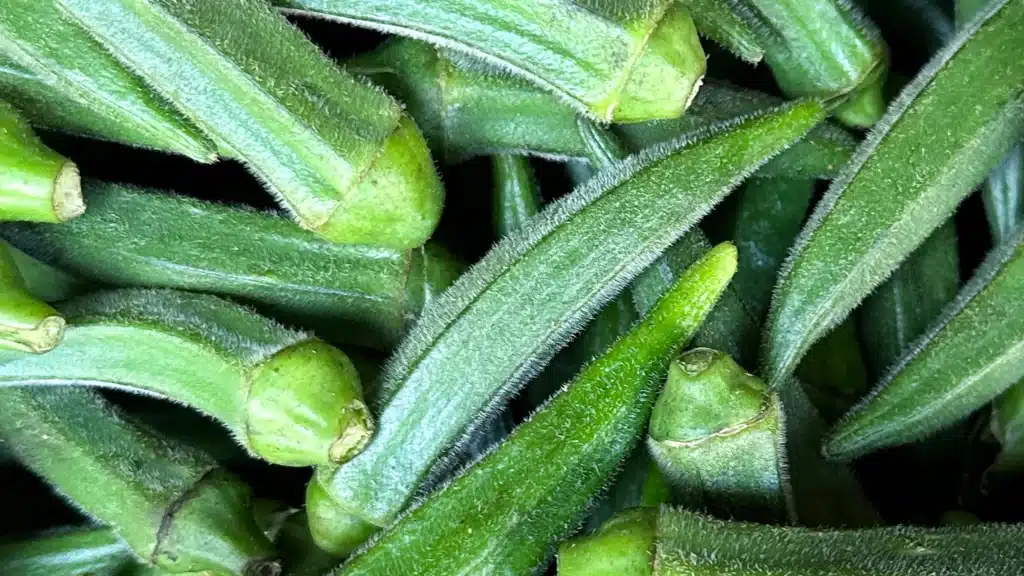
- The whole-food comparison: eating okra includes the edible pods and their nutrients. That is a nutritional distinction, not proof that food or water is a clinically effective substitute for prescribed treatment.
The distinction is clear in a 2023 randomised trial: it studied powdered okra fruit in capsules over three months while participants continued their standard antidiabetic therapy and nutritional regimen. It was not a test of a glass of soaked-pod water replacing medication. That makes the research interesting, but leaves the social-media recipe’s clinical claims unestablished.
What the cited evidence does—and does not—show
| Evidence | Useful result | Limit for a homemade drink |
|---|---|---|
| 2023 review: eight studies, 331 participants | Lower fasting glucose overall, but no statistically significant difference in HbA1c. | Different outcomes can give different answers; the pooled result does not certify your recipe or replace diabetes care. |
| 2011 rat experiment | An interaction signal when an okra fraction and metformin were given together. | Not a human trial or a dosing/timing instruction. |
Our evidence-reading rule is to match the preparation, participants and outcome to the claim. A blood-glucose result is not automatically proof of weight loss, clearer skin or a safe drug combination. This comparison adds context to the linked studies; it is not an independent clinical review or a claim of medical qualifications.
The 2026 update: some infusion research exists, but the leap is still too big
It would be too sweeping to say that researchers have only studied capsules. The study table in a June 2026 review includes a 2025 trial with 30 participants per group over 28 days using an okra-and-water preparation, plus an older 30-person quasi-experimental study. That establishes that some infusion research exists—not that a viral recipe is clinically validated. The review pools different preparations, and the older study was not randomised.
My objection is to the sales pitch, not the vegetable. I would not buy a “diabetes detox” promise on the strength of a short study in a particular patient group. A finding about a blood marker is not proof of fewer complications, reliable weight loss or better skin, and a small trial is not a universal safety test. Keep the exact preparation, population and outcome attached to any claim.
Three questions I’d ask before trusting an okra-water claim
- Was it this preparation? Ask for the study, not a screenshot of a headline. Powdered pods, an extract and soaked water are not the same intervention. No thickness or colour tells you a clinically tested dose.
- Was it this outcome? A glucose or cholesterol result does not establish a skin, fertility or fat-loss benefit. Nor does a result in people with type 2 diabetes automatically apply to everyone drinking it for “wellness”.
- What happened to usual care? In the cited 2023 capsule trial, participants continued their standard treatment. I would reject any promotion that uses that trial to tell people to replace prescribed medicine with a drink.
The ‘Beauty from Within’ Myth: Skin and Weight Loss
Social media often translates “gut health” into “skin glow” and “metabolic support” into “weight loss.” While these connections make for compelling content, they are often scientifically unsupported.
There is no established clinical basis here for promising clearer skin or a visible glow from this particular drink. MD Anderson’s dietitian-led explanation separates the whole vegetable’s nutritional value from claims for the soaking water. Antioxidants or a plant’s nutrient content do not by themselves show that an infusion treats a skin problem. A before-and-after social post is not a controlled comparison.
Okra water is not an established fat-loss treatment. Claims that fibre in the vegetable automatically makes the drink an effective appetite suppressant need evidence for the actual preparation and amount consumed. Replacing a sugary drink with an unsweetened one changes the overall diet, which is a different explanation from a special fat-burning ingredient. Judge a weight-loss claim by what was tested, not by how healthy the plant sounds.
Potential Risks and Side Effects
The relevant safety questions are your circumstances and what is actually in the preparation. Evidence about a supplement, an animal experiment or the whole vegetable does not measure every homemade drink. If you intend to use okra to manage a medical condition, discuss that use with your clinician rather than changing treatment around a trend. The points below explain the limits of common warnings as well as the limits of benefit claims.
Metformin: an animal finding, not a proven human interaction. A 2011 experiment in rats found that a water-soluble okra fraction reduced metformin’s glucose-lowering effect when given together. That does not establish the effect of a home recipe in people, or a safe interval between the drink and a tablet. If you take metformin, discuss regular okra-water use with your clinician or pharmacist; do not stop, reschedule or change the dose of your medicine based on this article.
Digestive sensitivity: MD Anderson’s dietitian guidance flags possible bloating or discomfort in people with food sensitivities or IBS. That is not a measured FODMAP classification for every infusion, nor a guarantee that every person with IBS will react. Discuss recurring symptoms or an existing dietary restriction with your dietitian rather than using the drink as a gut-health treatment.
Kidney-stone history: MD Anderson also advises people prone to kidney stones to check with their doctor. The amount of oxalate in your particular glass is not established here. Follow the dietary advice for your own stone history instead of assuming the drink either causes stones or is risk-free.
Warfarin: the NIH vitamin K guidance emphasises keeping intake consistent when taking warfarin. This is not a reason to remove all green vegetables or change medication yourself, and it should not be generalised to every medicine called a blood thinner. Ask your anticoagulation team before making the drink a regular dietary change; this guide has not measured how much vitamin K enters a homemade infusion.
The Verdict: Should You Drink It?
If you enjoy it, regard okra water as an optional drink, not a required health ritual. For the vegetable’s full nutritional contribution, eat the pods rather than assuming the strained liquid retains everything. This is not a promise that eating okra will treat diabetes or produce weight loss. For those goals, a food choice belongs within your overall diet and, where relevant, the care plan you already follow.
Our verdict: there is no good reason to buy into a miracle claim or replace treatment with soaking water. The useful comparison is between the evidence for the exact product and the claim being made. A vegetable can be nutritious without its infusion being medicine. Keep the preparation hygienic, consider your own dietary restrictions, and put variety and a sustainable eating pattern ahead of a single fashionable ingredient.
If making a fresh-produce drink, FDA produce-handling guidance recommends washing produce under running water, clean hands and utensils, and refrigeration of cut produce. Do not use soap to wash the pods. A long soak is not a reason to leave cut vegetables warm on a kitchen counter, particularly in UAE heat; preparation hygiene remains important even when a recipe is described as natural.