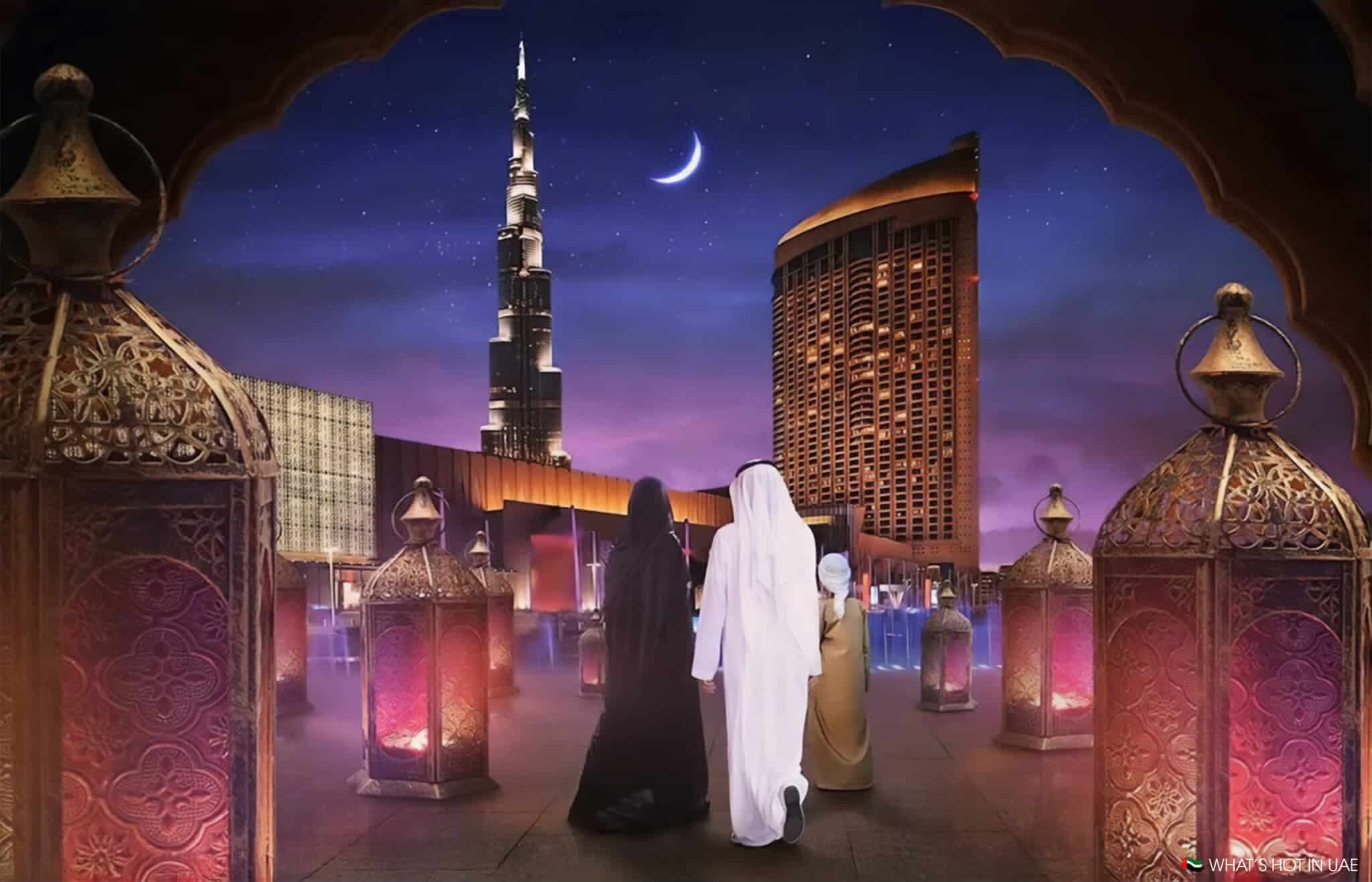
As the scent of anticipation fills the air, the countdown to Ramadan 2027 in the UAE has officially begun. This sacred month, a time for profound spiritual reflection, community connection, and personal growth, is fast approaching. For many, questions arise: When exactly will Ramadan 2027 start? How can I best prepare for a fulfilling fast?…
As the scent of anticipation fills the air, the countdown to Ramadan 2027 in the UAE has officially begun. This sacred month, a time for profound spiritual reflection, community connection, and personal growth, is fast approaching. For many, questions arise: When exactly will Ramadan 2027 start? How can I best prepare for a fulfilling fast? And what will the weather be like in the UAE?
This comprehensive guide from What’s Hot in UAE, your lively digital destination for all things local, aims to answer these critical questions and more. We’ll dig into the intricacies of the Islamic calendar, offer actionable preparation strategies, illuminate the spiritual practices of the holy month, and crucially, highlight the exceptionally favourable weather conditions expected for Ramadan 2027 in the UAE. Get ready to embrace a truly blessed and comfortable Ramadan experience.
Ramadan 2027 Countdown & Key Dates: Understanding the Islamic Calendar and Moon Sightings
The exact commencement of Ramadan is a moment keenly awaited by Muslims worldwide, determined by the sighting of the crescent moon. In the UAE, the process is diligently observed, with official astronomical bodies and religious authorities working to confirm dates.
The crescent of Rajab, sighted roughly two lunar months earlier, is the traditional early signal for the coming holy month. Counting forward from the Rajab sighting, Ramadan follows in approximately 60 to 61 days, setting the stage for a spiritual journey that will unfold with the arrival of February 2027. This initial estimation is a crucial part of the Ramadan countdown 2027, offering an early indication for those eager to plan. For the final, confirmed Ramadan 2027 start date, we always look to official UAE astronomical bodies for moon sighting predictions.
For a complete practical guide to life in the Emirates, explore our full Living in the UAE hub.
The Significance of Rajab: A Sacred Precursor to Ramadan
To really understand the Islamic calendar Ramadan connection, it’s essential to appreciate the month of Rajab. Rajab, one of the four sacred months in Islam, holds immense spiritual importance and is seen as a precursor to Ramadan. It is the seventh month of the Islamic lunar calendar, preceding Sha’ban and then Ramadan. During this month, many Muslims traditionally engage in increased worship, seeking forgiveness and drawing closer to Allah in preparation for the spiritual intensity of Ramadan. Islamic scholars emphasise its role as a time for planting seeds of goodness, which will then blossom in the blessed month of Sha’ban, and finally be harvested in Ramadan. Understanding Rajab in Islam helps us appreciate the holistic rhythm of spiritual readiness that defines the months leading up to fasting.
Predicting Ramadan 2027: How Moon Sightings Work in the UAE
The determination of the Ramadan 2027 calendar in the UAE, like elsewhere in the Islamic world, hinges on the practice of ru’yat al-hilal, or the visual sighting of the new crescent moon. While astronomical calculations provide precise predictions, the final declaration traditionally relies on confirmed visual sighting by a designated Moon Sighting Committee, comprising religious scholars and astronomers.
Based on the recent Rajab moon sighting, the current expectation places the start of Ramadan 2027 around 8 February 2027. While the 60-61 day estimate provides a strong indication, the exact UAE Ramadan dates will be officially announced by local UAE religious authorities after the confirmed sighting of the Shawwal crescent. This blend of scientific prediction and traditional observance ensures accuracy and adherence to Islamic jurisprudence regarding the moon sighting methodology. Travelers and residents are advised to keep an eye on official announcements as the time draws nearer for the definitive start date.

Preparing for a Meaningful Ramadan: Physical, Mental, and Spiritual Readiness
Ramadan is a marathon, not a sprint. To truly reap its rewards, getting ready in the round matters. This section offers practical and actionable advice on Ramadan preparation 2027, covering physical adjustments, mental fortitude, and spiritual intentions, transforming your fasting experience.
As advised by seasoned observers, it’s wise to start thinking about how we want to approach the month, dedicating more time to prayers, focusing on personal growth, or just enjoying the company of friends and family. This mindset of intentional readiness is central to a fulfilling Ramadan.
Physical Preparation: Diet, Sleep, and Hydration Strategies
Easing your body into the fasting routine is crucial for a comfortable Ramadan. Gradually adjusting your pre-Ramadan diet can make a significant difference. In the weeks leading up to the holy month, try to:
- Reduce Caffeine and Sugar: Gradually cut down on stimulants to mitigate withdrawal symptoms like headaches during the initial fasting days.
- Increase Water Intake: Prioritize hydration for fasting by consistently drinking more water throughout the day. This helps your body adapt to longer periods without fluids.
- Adjust Sleep Patterns: Begin shifting your Ramadan sleep schedule by waking up earlier for Suhoor (pre-dawn meal) and going to bed earlier. This helps synchronise your body clock.
- Eat Balanced Meals: Focus on nutrient-rich, complex carbohydrates, lean proteins, and healthy fats. A nutrition expert or medical professional might advise prioritizing whole grains, fruits, and vegetables to build up nutrient reserves.
Mental & Spiritual Preparation: Setting Intentions and Goals
Ramadan is a unique opportunity for introspection and spiritual growth. Setting clear Ramadan intentions (niyyah) is paramount. This involves:
- Clarifying Your Purpose: Before Ramadan begins, reflect on why you are fasting and what you hope to achieve spiritually. Is it closer proximity to God, self-discipline, empathy for the less fortunate, or overcoming specific challenges?
- Setting Spiritual Goals: Identify specific, attainable spiritual goals Ramadan allows for. These could include reading a certain portion of the Quran daily, consistently performing all five daily prayers, incorporating extra prayers like Taraweeh, or engaging in daily remembrance (dhikr).
- Cultivating a Positive Mindset: Approach Ramadan with optimism and enthusiasm. Understand that challenges may arise, but view them as opportunities for growth and spiritual refinement. Respected local Islamic scholars or community leaders often highlight the importance of intention as the foundation for all acts of worship in Ramadan. This positive Ramadan mindset is key to transforming your experience.
Practical Planning: Managing Work, Social Life, and Responsibilities
Ramadan requires careful time management and an understanding of shifting priorities. To navigate the month smoothly and avoid unnecessary stress:
- Communicate at Work: Inform your employer and colleagues about your fasting. Many workplaces in the UAE are accommodating, offering reduced hours or flexible schedules during Ramadan.
- Prioritize Tasks: Identify essential tasks and delegate or postpone non-urgent ones. Streamlining your routine can free up precious time for worship and rest.
- Manage Social Engagements: While community is central to Ramadan, be mindful of overcommitting to social gatherings that might deplete your energy or divert from your spiritual goals. Plan Iftars and Suhoors thoughtfully, ensuring they contribute to your spiritual well-being and not just social obligations.
- Shop Smart: Stock up on pantry essentials before Ramadan to minimize shopping trips during fasting hours. Plan your Suhoor and Iftar meals in advance to save time and reduce decision fatigue.
These practical preparations, alongside physical and spiritual readiness, form a comprehensive Ramadan beginner’s guide and an essential roadmap for a profound and less stressful Ramadan experience in 2027.

The UAE Weather Advantage for Ramadan 2027: Embrace a Cooler Fast
One of the most exciting aspects of Ramadan 2027 in the UAE is the expected weather. Unlike previous years where the holy month fell during the peak of summer, this year’s Ramadan is falling at a pretty sweet time weather-wise. The heat won’t be a major factor, so fasting should be a lot easier.
Local meteorological authorities for the favourable 2027 weather forecast predict that March will bring milder temperatures and more pleasant conditions. This means you can expect chill breezes, cooler evenings, and no sweaty midday fasts. This unique cool weather Ramadan UAE advantage will significantly enhance the fasting experience, addressing common concerns about fasting difficulty in hot climates and making for an easier fasting Ramadan.
Why Cooler Weather Matters for a More Comfortable Fast
The physiological benefits of cooler temperatures during fasting are substantial. Fasting in extreme heat significantly increases the risk of dehydration, heatstroke, and overall physical strain. When temperatures are moderate, your body expends less energy on cooling itself, which means:
- Reduced Dehydration Risk: Lower temperatures mean less sweating and slower fluid loss, making it easier to maintain hydration levels between Iftar and Suhoor.
- Less Physical Strain: The body doesn’t have to work as hard to regulate its core temperature, leaving more energy for daily activities and spiritual pursuits. This translates to less fatigue and a more comfortable fasting experience.
- Enhanced Spiritual Focus: With reduced physical discomfort, individuals can better concentrate on their prayers, Quran recitation, and acts of charity, deepening their spiritual connection. Cooler weather significantly contributes to the benefits of cool weather fasting, allowing for greater contemplation and devotion.
Leveraging the Chill: Tips for Staying Hydrated and Energized
Even with cooler weather, smart Ramadan hydration tips and energy management remain vital for a sustained and comfortable fast.
- Strategic Hydration: Drink plenty of water and fluid-rich foods during Iftar and Suhoor. Opt for soups, fruits (like watermelon and oranges), and vegetables. Avoid excessive caffeine and sugary drinks, which can lead to dehydration.
- Nutrient-Dense Suhoor: Focus on slow-releasing energy foods for your Suhoor. Complex carbohydrates (oats, whole-grain bread), protein (eggs, yogurt), and healthy fats (avocado, nuts) will provide sustained energy during fasting.
- Balanced Iftar: Break your fast gently with dates and water, followed by a balanced meal. Avoid overeating or indulging in overly rich or fried foods, which can cause indigestion and sluggishness. Tested tips suggest incorporating plenty of fresh salads and grilled proteins into your Suhoor and Iftar meals.
- Prioritize Rest: While the cooler weather might make you feel more energetic, remember to get adequate rest, especially during the early days of fasting, to help your body adapt.
By embracing these strategies, coupled with the UAE’s favourable weather, you’re set for a more manageable and spiritually enriching Ramadan fasting tips 2027 experience.
Fasting & Spiritual Practices: A Comprehensive Guide to Observing the Holy Month
Ramadan is one of the most sacred months in the Islamic calendar, a pillar of Islam, and a transformative period for millions worldwide. This section provides a foundational understanding of its core practices, helping to answer “What is Ramadan?” and “Why is Ramadan important?” by exploring the spiritual depth and practical aspects of fasting, prayer, charity, and reflection.
Respected local Islamic scholars and community leaders frequently emphasise that Ramadan is a month of immense blessings, an opportunity for spiritual reset, and a chance to purify the soul through devotion and good deeds.

Understanding Fasting (Sawm): Rules, Exemptions, and Intentions
Fasting, known as Sawm, is abstinence from food, drink, and other physical needs from dawn (Fajr) until sunset (Maghrib). The primary purpose of Sawm is to foster self-discipline, empathy for the poor, and a heightened awareness of God.
- Sawm Rules: Beyond abstaining from food and drink, fasting also requires abstaining from smoking, gossip, and engaging in arguments. Sexual intimacy is also prohibited during fasting hours.
- Who is exempt from fasting? Certain individuals are exempt from fasting, though they are usually required to make up the fasts later or offer fidyah (feeding a poor person for each missed day). This includes:
- Children who have not reached puberty.
- The elderly or those with chronic illnesses for whom fasting would be detrimental.
- Pregnant or breastfeeding women if fasting poses a risk to their health or that of their child.
- Travelers.
- Women during menstruation or postnatal bleeding.
- Ramadan Intention (Niyyah): The intention to fast must be made before dawn each day. This can be a simple mental affirmation, reinforcing the spiritual purpose behind the physical act.
Prayer & Quran Recitation (Salat & Tilawah): Deepening Your Connection
During Ramadan, Muslims are encouraged to increase their acts of worship, particularly prayer and Quran recitation.
- Ramadan Prayers: In addition to the five obligatory daily prayers (Salat), there’s a special nightly congregational prayer called Taraweeh prayer guide. Taraweeh prayers are performed after the Isha (night) prayer and offer a profound opportunity for spiritual connection. Many mosques in the UAE host lively Taraweeh sessions, often completing the recitation of the entire Quran over the month.
- Quran Recitation (Tilawah): Ramadan is famously the month in which the Quran was first revealed. Muslims strive for increased Quran recitation Ramadan, aiming to read the entire holy book or specific portions, reflecting on its meanings, and seeking guidance.
- Du’a (Supplication): The time of breaking fast (Iftar) and the pre-dawn meal (Suhoor) are considered especially auspicious for making personal supplications to God. Dedicating more time to prayers enhances one’s spiritual journey.
Charity & Giving (Zakat & Sadaqah): The Spirit of Generosity
Generosity is a hallmark of Ramadan. The emphasis on charity and giving back to the community is deeply ingrained in Islamic teachings.
- Zakat al-Fitr: This is an obligatory charity paid before Eid al-Fitr (the end of Ramadan), usually consisting of a small amount of food or its monetary equivalent, distributed to the needy. It ensures that everyone can celebrate Eid.
- Sadaqah in Ramadan: Voluntary charity (Sadaqah) is highly encouraged, with the rewards believed to be multiplied during this blessed month. The UAE is rich with opportunities for giving back, from official charities to local initiatives that distribute Iftar meals and aid to those in need. Many mosques and community centers organise food drives and donation campaigns, embodying the spirit of communal support.
Embracing the Spirit of Reflection and Self-Improvement
Beyond the outward acts of worship, Ramadan is a profound period for internal change. It’s an ideal time for Ramadan reflection and introspection, assessing one’s habits, character, and relationship with God.
- Spiritual Growth Ramadan: Use the discipline of fasting to break bad habits, cultivate good ones, and work on personal shortcomings. This is a journey of self-improvement in Islam, where patience, gratitude, and empathy are actively practiced.
- Connecting with the Quran: Deeply reflect on the verses of the Quran, allowing its wisdom to guide your thoughts and actions.
- Seeking Forgiveness: Engage in sincere repentance (Tawbah) and seek forgiveness for past mistakes, resolving to be a better person.
This holistic approach to Ramadan ensures that the holy month is not just a period of abstinence, but a transformative journey of spiritual purification and personal elevation.

Community, Connection, and Cultural Celebrations in the UAE
Ramadan in the UAE is a lively tapestry of spiritual devotion, community solidarity, and rich cultural traditions. It’s a time when cities come alive with shared meals, charitable endeavors, and family-friendly activities. This section addresses “What to do during Ramadan?” from a social and cultural perspective, offering unique insights into local traditions and how to best enjoy the company of friends and family.
Respected local Islamic scholars and community leaders frequently emphasise that Ramadan is a month of immense blessings, an opportunity for spiritual reset, and a chance to purify the soul through devotion and good deeds.
Iftar & Suhoor: Sharing Meals and Joy
The breaking of the fast (Iftar) and the pre-dawn meal (Suhoor) are central to the social fabric of Ramadan. These meals transcend mere sustenance; they are moments of togetherness, blessing, and joy.
- Iftar Meals UAE: Families and friends gather to break their fast, often inviting neighbors, colleagues, and even strangers to share the bounty. Restaurants across the UAE offer elaborate Iftar meals UAE menus, ranging from traditional Emirati dishes to international cuisines, creating a festive atmosphere. Popular choices often include Harees, Thareed, and Luqaimat.
- Suhoor Ideas: The Suhoor meal is crucial for sustaining energy throughout the fasting day. While often a quieter, family affair, many hotels and restaurants also host lavish Suhoor tents and gatherings, particularly towards the latter half of Ramadan. These events are perfect for “enjoying the company of friends and family” and often feature live music or traditional entertainment. A typical Suhoor might include fava beans (foul medames), labneh, eggs, and fresh bread.
- Ramadan Food Traditions: Beyond specific dishes, the act of sharing, gifting food, and distributing meals to the less fortunate is a cherished Ramadan food traditions practice.
Family Activities & Bonding During the Holy Month
Ramadan offers a unique opportunity for families to bond and grow together spiritually.
- Family Activities Ramadan: Engage in activities that foster spiritual learning and connection. This could include:
- Reading the Quran together.
- Attending Taraweeh prayers as a family.
- Participating in charitable initiatives.
- Decorating the home with Ramadan lights and crescent moons.
- Ramadan for Kids: Make Ramadan special for children by involving them in light fasting for a few hours, explaining the significance of the month through stories, and encouraging them to perform small acts of kindness.
- Bonding During Ramadan: The shared experience of fasting, breaking fast together, and engaging in worship strengthens familial ties and creates lasting memories.
Embracing Community Events & Giving Back
The spirit of generosity and community service thrives in the UAE during Ramadan.
- Ramadan Community Service UAE: Numerous initiatives spring up across the emirates, providing opportunities for volunteering and giving back. These can include packing and distributing Iftar boxes, supporting food donation drives, or assisting at local charities.
- Abu Dhabi Ramadan Events & Dubai Ramadan Initiatives: Major cities like Abu Dhabi and Dubai host a plethora of Abu Dhabi Ramadan events and Dubai Ramadan initiatives. These often feature Iftar tents where free meals are provided to workers and those in need, cultural festivals, traditional markets (souks), and educational sessions. Keep an eye on local government and community portals for a list of these enriching events. These initiatives foster a sense of solidarity and exemplify the true spirit of the holy month.
By participating in these lively community and cultural celebrations, residents and visitors alike can fully immerse themselves in the unique and enriching experience of Ramadan in the UAE.
As we’ve explored, Ramadan 2027 in the UAE promises to be a truly special time. With the exciting countdown now underway, the expected cooler weather offers a unique advantage for a more comfortable and manageable fast. We’ve armed you with the essential knowledge of key dates, holistic preparation strategies, profound spiritual practices, and the rich community celebrations that define this holy month.
Whether you’re focusing on personal growth, dedicating more time to prayers, or just enjoying the company of friends and family, this guide from What’s Hot in UAE is your definitive resource for a fulfilling Ramadan. The clock’s ticking! So, gear up and get ready for an amazing Ramadan. The countdown is officially on!