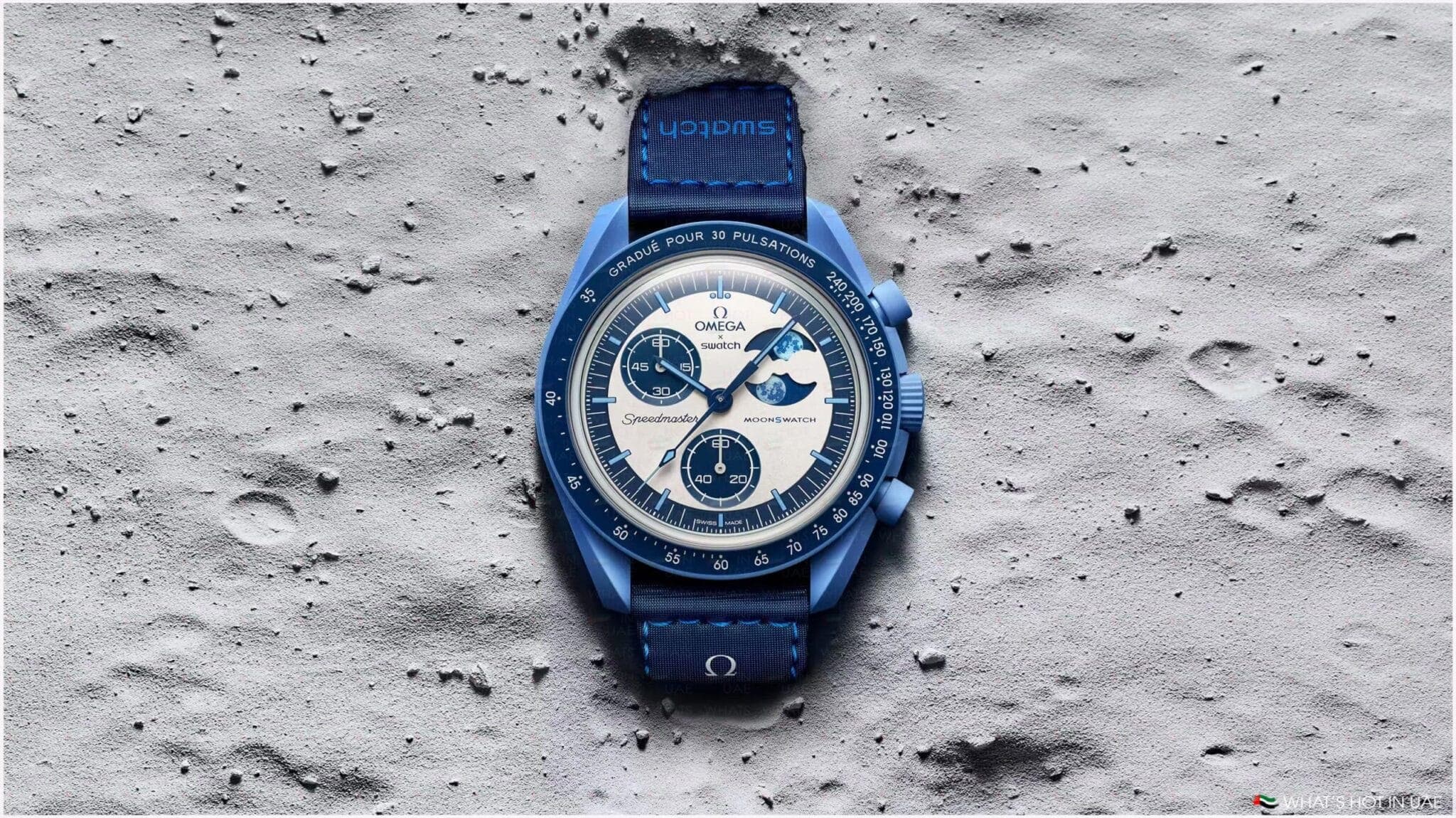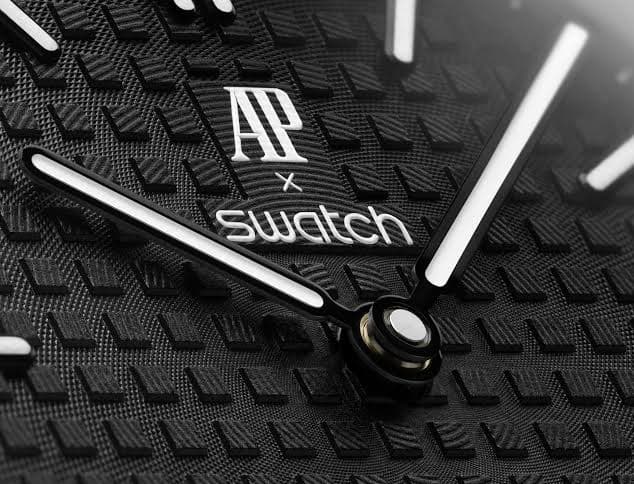
Explore how Swatch disrupted luxury horology through the MoonSwatch and the Audemars Piguet Royal Pop, turning mass-market watches into cultural icons.
Key Takeaways
- Swatch has transformed from a quartz brand to a cultural icon through collaborations like the MoonSwatch and Royal Pop.
- The strategy of ‘mischievous’ watchmaking allows Swatch to disrupt traditional Swiss watchmaking by engaging a broader audience.
- The Royal Pop references the Royal Oak, which debuted in 1972; the design relationship is distinct from a claim about the full history of licensing.
- Collaboration attention and luxury-product sales are different measures; unlinked traffic or percentage claims cannot establish a proven sales effect.
- An official retail listing, a reseller’s advertised ask and a completed sale are different references. Compare the same model, condition and date before inferring a premium.
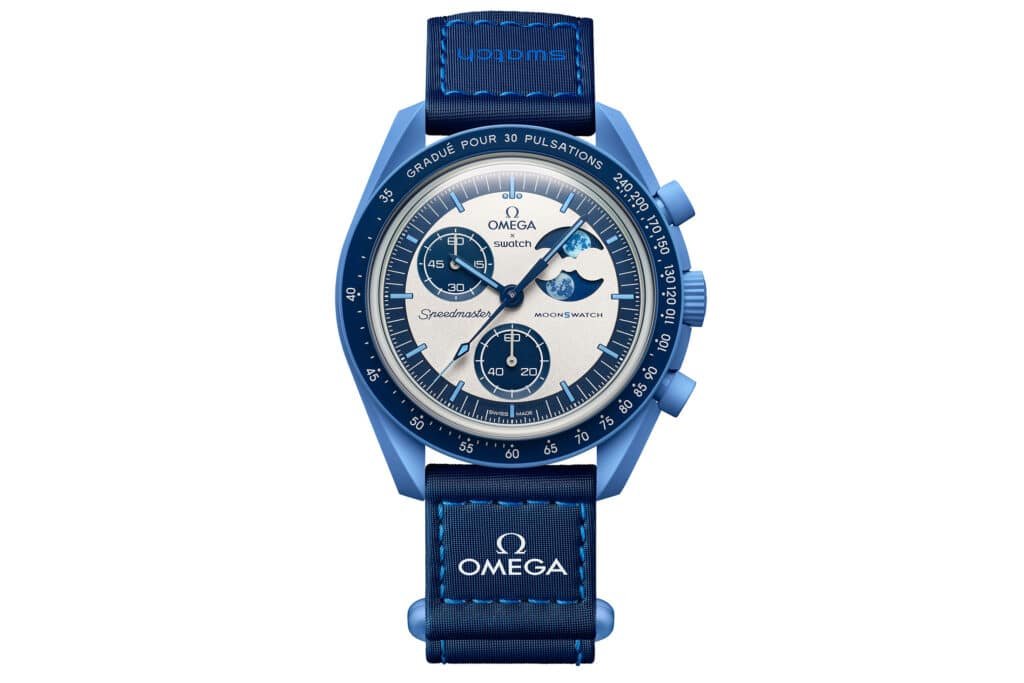
Swatch has transitioned from a mass-market quartz brand to a cultural disruptor by using high-profile collaborations—such as the MoonSwatch and the Audemars Piguet Royal Pop—to bridge the gap between affordable streetwear and high-end horology, creating a new generation of collectors.
Beyond the Hype: The Strategy of ‘Mischievous’ Watchmaking
While many view Swatch as a budget-friendly alternative to traditional Swiss brands, the company has spent decades cultivating a “mischievous” attitude, or what management describes as an enfant terrible approach. This strategy is designed to subvert the conservative, exclusive landscape of Swiss watchmaking, which has historically relied on closed workshops and generations-old techniques to maintain prestige.
Rather than simply producing cheap timepieces, Swatch uses its industrial scale—supported by the manufacturing power of the Swatch Group and its engine room, ETA—to turn cultural ideas into global phenomena. The goal is not to replace luxury icons but to introduce a new audience to the storytelling of watchmaking. By creating “cultural objects” that people want to be seen owning, Swatch has moved the conversation from technical specifications to social currency.
The Royal Pop: Reinterpreting Royal Oak Design
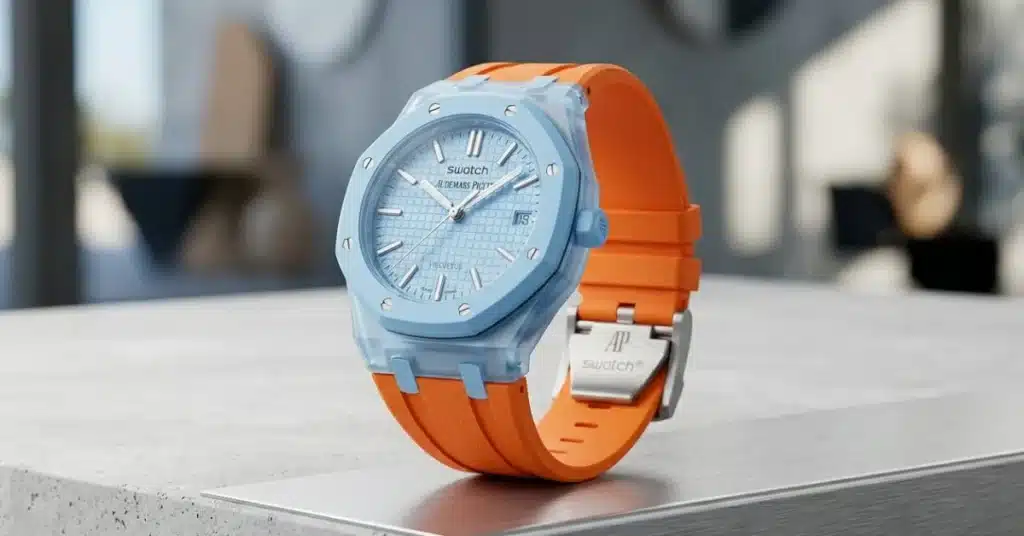
Swatch’s Royal Pop collaboration borrows the Royal Oak’s visual language, but the products are different watches with different constructions and uses. Swatch’s own description dates the Royal Oak to 1972 and explains the Royal Pop’s modular pocket-watch format. The Royal Oak’s original design and the newer pocket-watch interpretation should be compared as distinct products. The design relationship is supported; a claim that this was the first external licence in a particular span requires a separate documented licensing history.
There is a documented technical connection between the companies. On 28 August 2018, Swatch Group announced Nivachron, developed in collaboration with Audemars Piguet. That announcement concerns a balance-spring alloy. It does not mean that every later Swatch collaboration uses the same movement or carries an Audemars Piguet calibre. Keep the historic materials project separate from the specifications of the Royal Pop you intend to buy.
For those interested in the specific details of this release, you can find more information regarding Swatch x Audemars Piguet Royal Pop: UAE Price & Where to Buy.
The Halo Effect: How Collaborations Boost Luxury Partners
A collaboration can generate attention for both brands, but attention, website visits and sales of a luxury partner’s existing watches are different outcomes. To establish a “halo effect”, an assessment would need dated, comparable data and a clear definition of the change being measured. A launch spike alone does not show that a Swatch buyer later bought an Audemars Piguet or Omega. The following distinctions are more useful than unlinked percentage claims:
- Brand attention: A claim about tenfold web traffic needs a named source, measurement period and a valid comparison. A day’s traffic cannot be compared meaningfully with an undefined “annual average” and treated as a verified sales result.
- Product sales: A claimed 50% Speedmaster increase needs its period, geography and source. It does not automatically establish that MoonSwatch caused the increase or that the same effect applies to another collaboration.
The entry-point argument is plausible as a brand strategy, but it is an interpretation rather than a measured path followed by every buyer. Someone can enjoy a collaboration for its own design without later buying the luxury original. Assess the actual watch’s function, format, price and service terms independently. For a UAE reader, the practical difference between a product bought at the official retail price and one purchased at a reseller’s asking price can matter more than an unverified marketing percentage.
The Resale Reality: What the Royal Pop Costs Now
Because these collaborations often trigger intense demand and limited availability at retail, a robust secondary market has emerged. Much like the sneaker industry, the Royal Pop has become a target for resellers, with some individuals reportedly being paid to wait in lines for the chance to secure a piece.
Swatch’s UAE LAN BA page lists AED 1,720 for that model. This is an official retail reference, not confirmation of stock at every store or a market price for all colourways. A reseller’s ask, an accepted bid and a completed transaction measure different things. Compare them only for the same model, condition, currency and observation date:
| Price reference | What it establishes | What it does not establish |
|---|---|---|
| LAN BA official UAE listing: AED 1,720 | The listed retail reference for that model | Store stock or every resale value |
| Reseller asking price | A seller’s advertised price | A completed sale |
| Last transaction | A recorded sale under that platform’s method | Guaranteed future value or your final landed cost |
For resale, identify the model, condition, authenticity and return protection, then calculate shipping and any applicable fees before comparing with local retail. A platform quote needs an observation date and a clear distinction between asking price and completed trade before it can support a valuation. A price comparison is useful only when its underlying references are identifiable.
Conclusion: A New Era of Watchtelling
MoonSwatch and Royal Pop illustrate a way to bring recognisable luxury design references to a broader product audience. That is a strategic interpretation supported by the collaborations themselves, not proof that every buyer later enters the luxury segment or that long-term sales effects have been measured. For consumers, the format, specifications, service terms and final price remain the basis of the decision. A collector story can be compelling while future demand and resale outcomes still require separate evidence.
Buy the Watch, Not Just the Collaboration Story
The official Royal Pop page identifies a hand-wound SISTEM51 variant and a pocket-watch format that can be styled in several ways. That is different from assuming it is a conventional Royal Oak wristwatch at a lower price. Before buying in the UAE, compare the format you will actually use, what accessories are included and the after-sales terms. Swatch says purchase is through selected stores with a one-watch-per-person, per-day, per-store limit; that does not guarantee stock at your nearest location.
The commercial lesson is that an accessible collaboration can expand a design’s audience. The consumer lesson is separate: a compelling brand story does not establish investment value or justify any resale premium. Judge the specifications and final cost against your own use, then treat predictions about long-term collector demand as opinions requiring evidence.