The United Arab Emirates—a dazzling tapestry of ambition, innovation, and unmatched opportunity—beckons individuals and enterprises from across the globe. Renowned for its towering skylines, futuristic visions, and lively cultural mosaic, the UAE has solidified its reputation as a leading destination for those seeking a dynamic environment to live, work, and invest. Thriving in the Emirates…
The United Arab Emirates—a dazzling tapestry of ambition, innovation, and unmatched opportunity—beckons individuals and enterprises from across the globe. Renowned for its towering skylines, futuristic visions, and lively cultural mosaic, the UAE has solidified its reputation as a leading destination for those seeking a dynamic environment to live, work, and invest. Thriving in the Emirates is not just about experiencing its grandeur, but also demands a comprehensive understanding of the intricate interplay between its luxurious lifestyle, burgeoning technological advancements, and solid financial ecosystem.
Modern UAE Lifestyles: Beyond the Glitz and Glamour
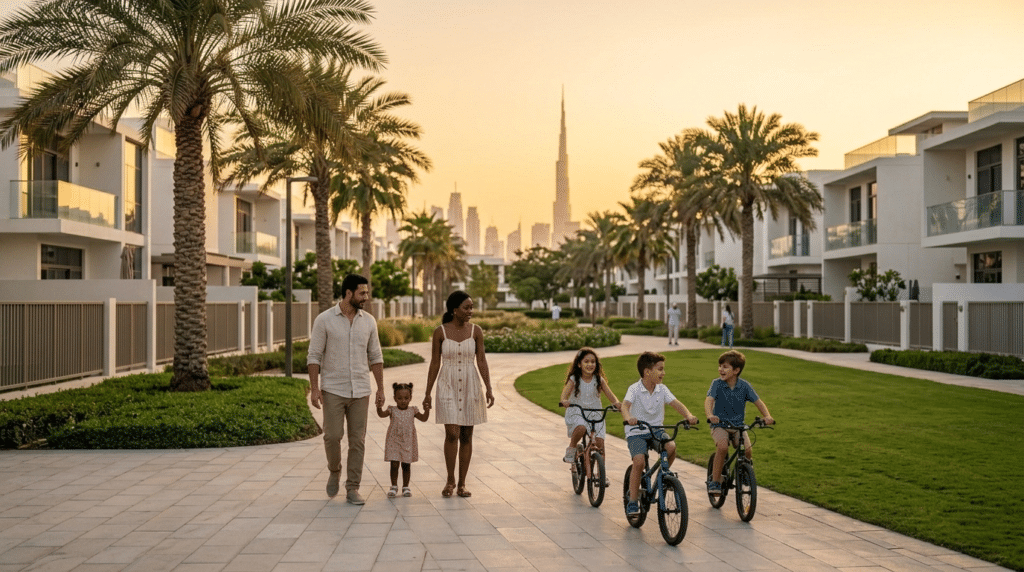
The UAE lifestyle is often a byword for opulence and grand experiences, but beneath the surface lies a diverse and evolving daily reality. Moving beyond stereotypes, residents discover a blend of traditional values and ultra-modern conveniences, offering a spectrum of living experiences from the luxurious to the surprisingly sustainable. Adapting to life in the Emirates involves understanding its unique rhythm, opportunities, and practical aspects like the cost of living in Dubai.
According to recent data, the UAE offers one of the highest qualities of life globally, with statistics from the UAE National Statistics Office highlighting high levels of resident satisfaction and safety. Expats frequently praise the country’s infrastructure, safety, and multicultural environment. As Sarah J., a long-term Dubai resident, shares, “Adapting was easier than I imagined. The multicultural environment means you’re never truly alone, and the focus on safety and family well-being comes first.”
The Allure of Luxury Living & Entertainment
The Emirates are a global benchmark for high-end experiences. From five-star dining and top-tier shopping to exclusive resorts and breathtaking architectural marvels, the UAE luxury lifestyle is undeniable. Dubai and Abu Dhabi, in particular, offer a concierge-level existence for those who desire it, providing access to exclusive amenities, private beaches, and international entertainment options.
Luxury trends in the UAE, as highlighted by What’s Hot in UAE, consistently feature tailored experiences, leading fashion, and a thriving arts and culture scene. Mr Omar Hassan, a Luxury Sector Strategist at MENA Research Group, notes, “The UAE continues to innovate in the luxury segment, moving beyond just products to offer unique, immersive experiences that appeal to a discerning global clientele. There’s a constant drive to redefine what ‘luxury’ truly means here.”
The Rise of the Digital Nomad & Remote Work Culture
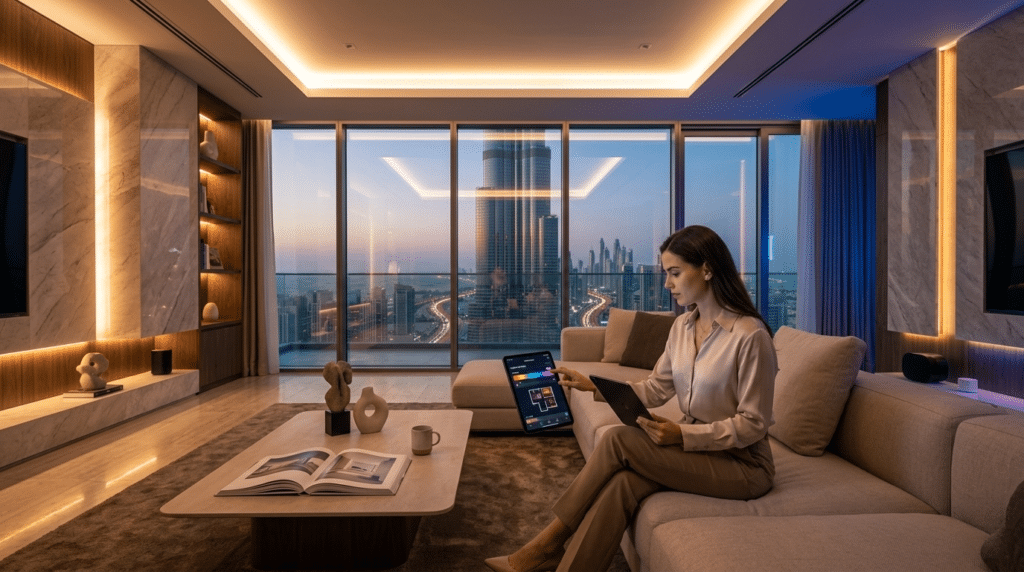
The UAE has emerged as a beacon for remote professionals, recognising the global shift towards flexible work models. The introduction of the UAE digital nomad visa has significantly boosted its appeal, making it easier for individuals to live and work remotely from major cities like Dubai. These visas offer a pathway for independent professionals to enjoy the country’s tax-friendly environment and high quality of life.
Official government announcements from the Dubai Department of Economy and Tourism (DET) detail the “Virtual Working Programme,” which allows eligible remote workers to reside in Dubai for up to one year. Co-working spaces are flourishing across the Emirates, providing top-tier facilities and lively communities for digital nomads. Liam P., a tech entrepreneur and digital nomad who relocated to Dubai, remarks, “The infrastructure here is incredible for remote work. Fast internet, a global mindset, and the digital nomad visa program made the move smooth, allowing me to focus on my business while enjoying a fantastic lifestyle.”
Sustainable Living: A Growing Priority
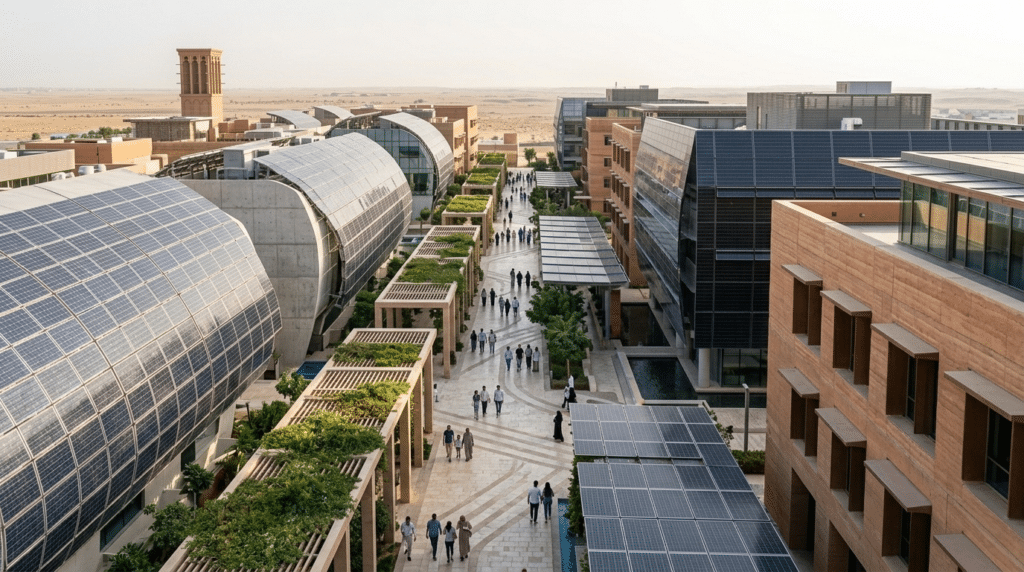
While often associated with extravagance, the UAE is making significant strides in sustainable living. The nation’s leadership has committed to ambitious environmental goals, with initiatives like the UAE Vision 2040 and specific projects in Masdar City spearheading eco-friendly urban development. This focus translates into a growing number of eco-conscious communities and increasing awareness around conscious consumerism.
From waste reduction programs to extensive solar energy projects, the UAE green initiatives demonstrate a long-term commitment. Dr Fatima Al-Mansoori, Director of Sustainable Urbanism at Masdar Institute, explains, “The drive for sustainable living in the UAE isn’t just about preserving resources; it’s about creating healthier, more resilient communities that are integrated with nature and technology.” Residents are increasingly seeking out eco-friendly housing options and supporting businesses aligned with these values.
Cost of Living Realities: What to Expect in Major Cities
Understanding the cost of living in Dubai and Abu Dhabi is crucial for new residents. While perceived as expensive, strategic budgeting can make the Emirates an accessible home for many. Housing constitutes the largest expense, with rental prices varying significantly by location, size, and amenities.
According to a recent “Cost of Living Survey” by Mercer, Dubai and Abu Dhabi rank among the more expensive cities globally, particularly for accommodation. However, other expenses can be managed effectively.
- Housing: A one-bedroom apartment in a popular expat area might range from AED 60,000 to 120,000 annually.
- Transportation: While private cars are popular, extensive public transport networks (metro, buses, taxis) offer more affordable options.
- Groceries: Generally comparable to Western cities, with a mix of local and imported goods.
- Education: International school fees can be substantial, a key consideration for families.
Ahmed Al-Farsi, a Certified Financial Planner at Emirates Wealth Solutions, advises, “Expats should create a detailed budget before arriving, factoring in potential hidden costs like initial setup fees for utilities. While some aspects of life are luxurious, everyday expenses can be managed smartly, especially by utilising public transport and cooking at home.”
Technological Innovation: Powering the Future of the Emirates
The UAE is not just adopting technology; it’s aggressively shaping its future through innovation, positioning itself as a global tech hub. The government’s ambitious vision integrates smart solutions into daily life, transforming urban landscapes and creating new paradigms for work and entrepreneurship.
Reports from the Dubai Future Foundation consistently highlight the UAE’s commitment to becoming a leader in emerging technologies, backed by significant investments in R&D and digital infrastructure. Prominent voices across the UAE’s tech and startup ecosystem consistently make a similar point: the UAE offers an unmatched sandbox for technological experimentation and deployment, with the government’s proactive stance on innovation creating an environment where ideas can rapidly scale from concept to reality.
UAE as a Global Tech Hub: Vision and Reality
The Emirates’ strategic vision, embodied by initiatives like UAE Vision 2071, places technology and innovation at its core. This forward-thinking approach has fostered the development of top-tier tech zones such as Dubai Silicon Oasis, Dubai Internet City, and Abu Dhabi’s Hub71, which attract global tech giants and burgeoning startups alike. These zones offer supportive ecosystems with incentives, infrastructure, and a talent pool designed to accelerate technological growth. The government’s “smart city” programs, in particular, showcase an integrated approach to urban development, using data and IoT to enhance public services and quality of life.
Smart Living & Connectivity: Integrating Tech into Daily Life
Smart home technology, advanced 5G connectivity, and the Internet of Things (IoT) are rapidly transforming daily life across the UAE. From smart apartment buildings that optimise energy consumption to sophisticated public services driven by data, technology is smoothly woven into the urban fabric. Popular smart home brands and solutions are widely available, catering to a tech-savvy population.
Telecommunication providers like Etisalat by e& have consistently expanded their 5G networks, achieving high adoption rates and providing ultra-fast, reliable connectivity that underpins the nation’s smart infrastructure. This solid digital backbone supports everything from autonomous vehicles and smart traffic management to remote healthcare and online education, making the UAE a pioneer in integrated, tech-enabled living.
The Future of Work in the UAE: Innovation & Opportunity
Technological advancements are profoundly reshaping the UAE job market, fostering new industries and creating unique career opportunities. The emphasis on AI, automation, blockchain, and digital skills is driving demand for a new generation of professionals. Reports from global consultancies like McKinsey & Company indicate that the GCC region, particularly the UAE, is at the forefront of adopting AI and automation to enhance productivity and create high-value jobs.
Mohammed Bin Zayed, HR Director at TalentLink UAE, observes, “The future of work here is exciting and dynamic. We’re seeing a rapid pivot towards roles that require strong digital literacy, critical thinking, and adaptability. The UAE is investing heavily in upskilling its workforce and attracting global talent in emerging fields like AI development, cybersecurity, and data science.” This proactive approach ensures a resilient and future-ready workforce.
Powering the UAE Startup Ecosystem
The UAE offers a lively and rapidly expanding startup ecosystem, fueled by strong government support, attractive funding opportunities, and a culture of entrepreneurship. Incubator programs, accelerators, and free zones dedicated to startups provide crucial mentorship, infrastructure, and access to capital. Government entities, alongside private venture capital firms, actively invest in promising ventures, driving economic diversification away from traditional sectors.
Khalid Al-Hajri, Managing Partner at Emirates Ventures, states, “The UAE is becoming a magnet for innovators. We see incredible potential in sectors like FinTech, HealthTech, and EdTech, driven by a supportive regulatory environment and access to a diverse talent pool. Funding is available for scalable ideas, and the ecosystem is maturing rapidly.” Success stories, from homegrown tech giants to innovative niche startups, demonstrate the fertility of the UAE’s entrepreneurial landscape.
Money Matters: Navigating Financial Growth & Investment in the UAE
The UAE’s solid and stable economy offers significant avenues for financial growth and investment. For residents and investors alike, understanding wealth management strategies and navigating the local financial landscape is key to maximising opportunities and achieving long-term financial security.
The UAE Ministry of Finance’s annual economic reports consistently highlight the nation’s economic resilience, driven by diversification efforts, strategic investments, and a pro-business environment. Licensed financial advisors based in the UAE emphasise the importance of personalised planning. “Whether you’re an expat building wealth or an investor seeking high returns, the UAE provides unique advantages. However, personalised guidance on local regulations and investment vehicles comes first,” advises Ahmed Al-Farsi.

Key Investment Opportunities in the UAE’s Dynamic Economy
The UAE presents diverse and promising sectors for investment. Real estate in Dubai and Abu Dhabi continues to be a magnet for foreign direct investment (FDI), offering attractive rental yields and capital appreciation in strategic locations. Beyond property, the technology sector (including FinTech, AI, and e-commerce), tourism and hospitality, and the rapidly expanding renewables and green energy industries are prime for growth.
Data on FDI into the UAE demonstrates consistent inflows, reflecting investor confidence in the country’s economic stability and growth prospects. Dr Sanjay Gupta, Chief Economist at Arabian Investment Bank, notes, “The government’s commitment to creating a business-friendly environment, coupled with tax incentives and strategic initiatives, makes the UAE a compelling investment destination. We’re particularly bullish on the tech and logistics sectors.”
Financial Planning for Expats & Residents: Budgeting to Retirement
Effective financial planning is crucial for the diverse resident population in the UAE. Strategies for managing income, controlling debt, and planning for long-term goals like retirement require careful consideration, especially given the typically high disposable income and the absence of personal income tax.
Practical advice from UAE-based financial planning experts focuses on several key areas:
- Budgeting: Tracking expenses and setting realistic spending limits.
- Saving: Prioritising emergency funds and setting clear saving goals.
- Debt Management: Avoiding high-interest personal loans and credit card debt.
- Retirement Planning: While no state pension exists for expats, private pension plans, offshore investments, and property acquisition are common strategies for long-term wealth building.
- Repatriation of Funds: Understanding the ease of sending money home is important for many expats.
Common financial challenges for expats include overspending due to the alluring lifestyle, underestimating education costs, and neglecting long-term retirement planning. Overcoming these requires discipline and professional guidance.
Wealth Management & Asset Growth Strategies
For high-net-worth individuals and those seeking to grow their assets, the UAE offers sophisticated wealth management services. Strategies typically involve portfolio diversification across various asset classes, including local and international equities, fixed income, real estate, and alternative investments. Professional wealth managers play a critical role in tailoring these strategies to individual risk profiles and financial objectives.
Noura Al-Ali, a Senior Wealth Manager at Prestige Wealth Management UAE, emphasises, “Diversification is key in any market, and the UAE is no exception. We often advise on a balanced portfolio that includes exposure to the region’s growth sectors while mitigating risks through international assets. The regulatory environment is robust, ensuring client protection and transparent service delivery.” The presence of numerous international and local financial institutions provides a competitive landscape for wealth management services.

Navigating Taxes and Financial Regulations
One of the UAE’s most attractive financial features is its favourable tax landscape. There is no personal income tax for individuals, making it a highly desirable location for earning and saving. However, other taxes and regulations are in place:
- VAT (Value Added Tax): A 5% VAT applies to most goods and services since 2018, impacting daily expenses.
- Corporate Tax: Introduced in 2023, a 9% federal corporate tax applies to business profits exceeding a certain threshold, with specific exemptions and relief for free zone businesses.
- Financial Regulations: The UAE Central Bank and various financial free zones (like the DIFC and ADGM) have solid regulatory frameworks that govern banking, investment, and financial services, ensuring stability and investor protection.
Referring to official guidelines from the Federal Tax Authority (FTA) is crucial for businesses and individuals to ensure compliance. David Chen, Tax Advisory Lead at Gulf Tax Solutions, advises, “While the personal tax environment is straightforward, businesses need to be fully aware of the new corporate tax regime and VAT compliance. Seeking expert tax consultation is highly recommended to avoid penalties and ensure efficient financial operations.”
The Interconnected Future: How Lifestyle, Money & Tech Synergize for UAE Success
The story of the UAE’s success is not merely about individual pillars of luxury, wealth, or technology, but rather their profound and increasingly vital interconnection. The nation’s unique trajectory is built on a holistic roadmap where lifestyle choices, financial prosperity, and technological advancements are mutually reinforcing, creating a dynamic ecosystem for unmatched opportunity. What’s Hot in UAE remains at the forefront of covering these integrated trends, offering insights into how these elements coalesce to define modern Emirati life. Predictions from authoritative economic and technology foresight reports consistently highlight this synergy as the bedrock of the UAE’s future growth.
How Lifestyle, Tech, and Money Converge for Enhanced Living
The UAE brilliantly illustrates how technological innovations enable more luxurious, efficient, and even sustainable lifestyles, while astute financial planning provides access to these leading technologies and elevated living standards.
- Smart Homes & Luxury: Advanced smart home technology, from AI-powered climate control to integrated security systems, offers convenience and personalised comfort, elevating the luxury lifestyle. Financial planning allows residents to invest in these sophisticated systems.
- Tech for Wellness: Wearable tech and digital health platforms, supported by solid connectivity, contribute to a healthier lifestyle, often facilitated by private healthcare options that financial stability affords.
- Sustainable Tech & Investment: Investments in green tech, such as solar power and sustainable infrastructure, don’t just align with eco-friendly lifestyles but also represent promising financial ventures. Dr Elena Petrova, Lead Futurist at Urban Futures Institute UAE, notes, “The UAE is designing future cities where technological infrastructure, sustainable practices, and economic vitality are intrinsically linked, creating a living laboratory for integrated urban development.”
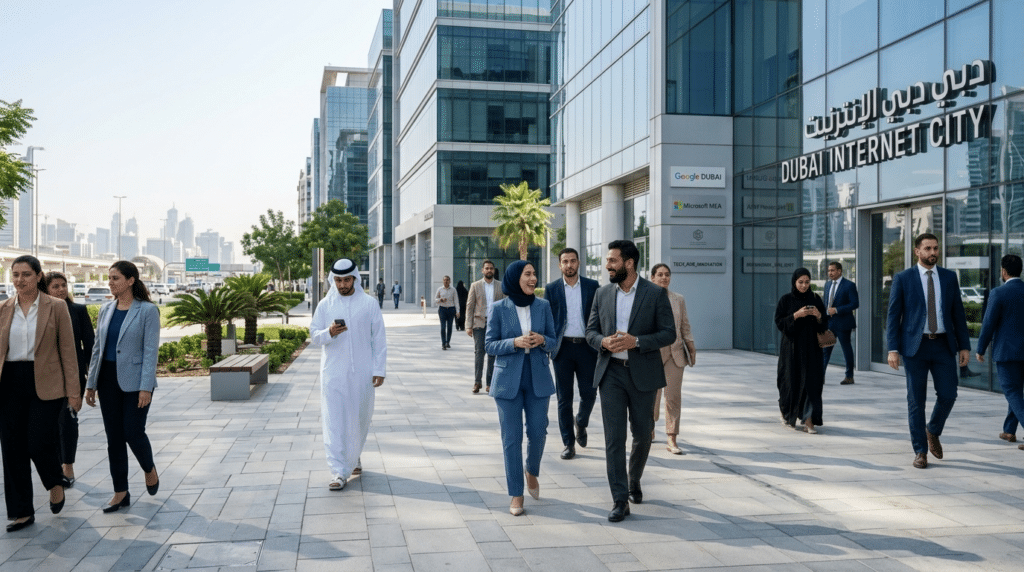
Case Studies: Individuals and Businesses Thriving in the UAE
The UAE ecosystem is ripe with success stories of individuals and businesses that have masterfully leveraged the synergy between lifestyle, money, and tech.
- Case Study 1: Anya Sharma, Digital Creator: Anya, a content creator from India, moved to Dubai on a digital nomad visa. She leveraged Dubai’s high-speed internet and multicultural backdrop (tech & lifestyle) to grow her global audience. Her strategic financial planning, utilising the UAE’s tax-free income, allowed her to invest in top-tier equipment and further expand her business, showcasing how the tech-enabled lifestyle directly fueled her financial growth.
- Case Study 2: GreenTech Solutions (GTS): A startup founded by two Emirati engineers, GTS developed smart water management systems for large-scale developments. They benefited from government incubator programs (tech & money), secured significant seed funding from UAE venture capitalists (money), and found a receptive market in eco-conscious real estate projects (lifestyle & tech). Their success is a sign of the UAE’s support for innovative solutions that enhance sustainable living.
Future Trends & Predictions for the Emirates
The interconnected future of the UAE promises even greater integration and innovation. Foresight reports from entities like the Dubai Future Foundation project a continued evolution in several key areas:
- Hyper-Personalised Living: AI and data analytics will enable increasingly personalised urban experiences, from tailored transportation to customised public services.
- Sustainable Super-Cities: Expect further development of eco-friendly, self-sufficient communities that integrate renewable energy, advanced waste management, and green spaces, driven by significant investments.
- Blockchain & Digital Economies: The widespread adoption of blockchain technology is anticipated to revolutionise financial transactions, smart contracts, and digital identity, fostering a more transparent and efficient digital economy.
- Space Economy & Advanced Mobility: Continued investment in space exploration and urban air mobility will open new industries and redefine future lifestyles and transportation.
Expert predictions suggest that over the next 5-10 years, the UAE will solidify its position as a global leader in AI governance, sustainable innovation, and digital-first governance, making it an even more attractive hub for those seeking a future-proof lifestyle and exponential growth opportunities.
Conclusion
The United Arab Emirates is far more than a glittering facade; it is a carefully planned and rapidly evolving ecosystem where opportunity abounds for those who understand its intricacies. To truly thrive in this extraordinary nation means recognising that lifestyle, money, and technology are not disparate elements but powerful forces that synergise to create unmatched possibilities. From embracing the diverse modern UAE lifestyles and using its leading technological innovations to navigating its dynamic financial landscape, this guide has illuminated the pathways to success.
The UAE’s commitment to progress, coupled with its strategic vision and welcoming environment, positions it as a definitive destination for ambitious individuals and businesses. As a comprehensive and consolidated resource, we hope this guide empowers you to envision and actively pursue your own prosperous future in the Emirates.
Disclaimer: This article is intended for informational purposes only and does not constitute financial, investment, or legal advice. Readers should consult with qualified professionals for personalised guidance. Information regarding regulations, visas, and economic conditions is subject to change.