

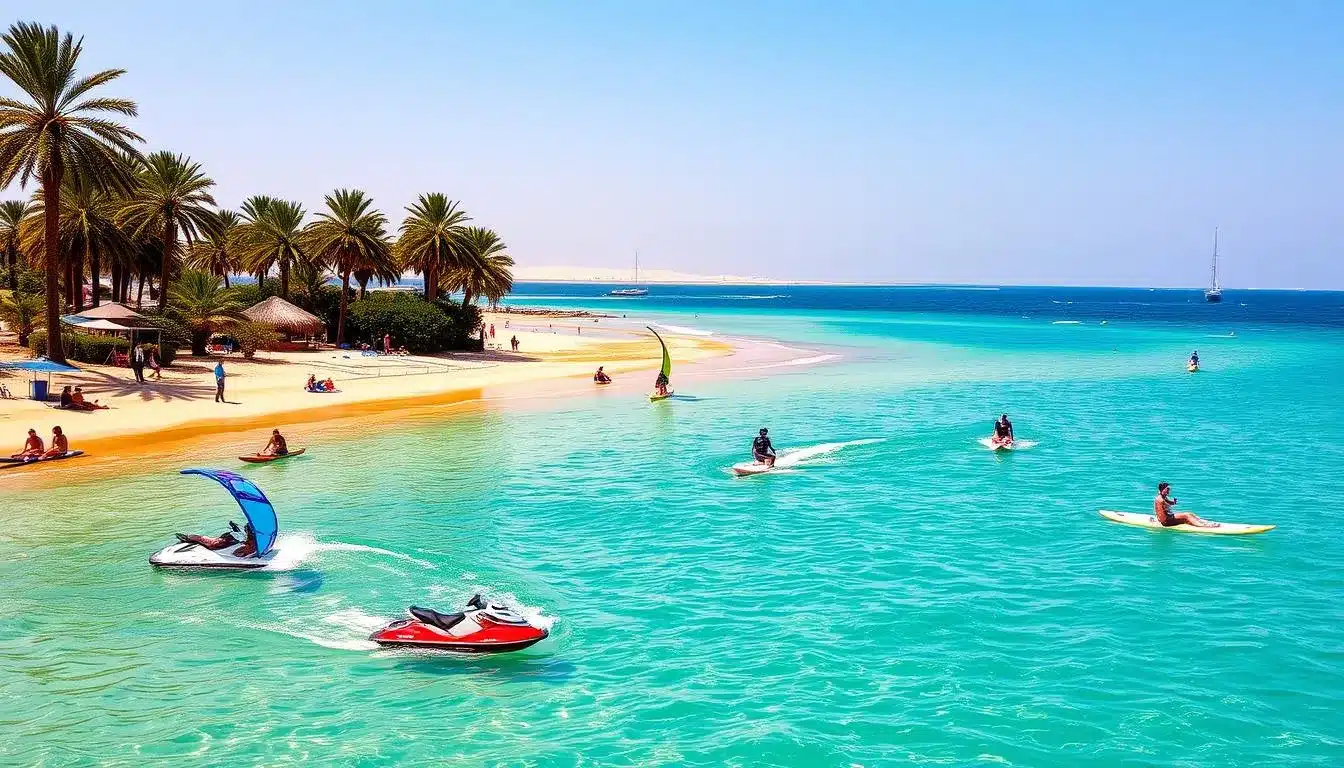
Umm Al Quwain is the UAE’s best-kept secret — and for once, that’s not just a marketing line. If you’re looking for up-to-date travel information, this Umm Al Quwain Guide 2026 will help you discover all the highlights of this unique emirate. The second-smallest emirate in the country has deliberately avoided the mass tourism and overdevelopment that have transformed its neighbours. As a result, it is one of the most naturally beautiful and genuinely peaceful corners of the UAE. Mangroves alive with flamingos, a medieval old town, ancient archaeological sites, an island wildlife reserve, and some of the most unspoiled coastline in the Gulf exist here. All are within 50 minutes of Dubai. UAQ rewards the curious.
Why UAQ Is the Most Surprising Emirate in the UAE
Umm Al Quwain (UAQ) has a population of around 50,000, by far the smallest of any UAE emirate. This small scale is its greatest asset. The old town sits on a narrow peninsula jutting into a lagoon. Moreover, the mangroves stretch for kilometres along the creek. The pace of life is genuinely different from that in any other part of the country. There are no mega malls, no tower blocks on the waterfront, no queues. What you get instead is a window into what the UAE’s smaller coastal towns looked like before the transformation of the past 50 years. If you’re looking for the road less taken, UAQ is it.
Top Things To Do in Umm Al Quwain
Al Siniyah Island & Nature Reserve
Al Siniyah Island is UAQ’s crown jewel — a protected nature reserve just offshore from the town, accessible only by boat. The island is home to a stunning variety of wildlife: flamingos, ospreys, turtles, and dugongs (sea cows) have all been spotted in the surrounding waters. The mangrove ecosystem around Al Siniyah is extraordinarily rich. Permits are required to visit the island itself (managed by UAQ’s environmental authority). However, boat tours around the island and through the mangroves are available from the UAQ marina area. These tours give excellent wildlife sightings without setting foot on shore.
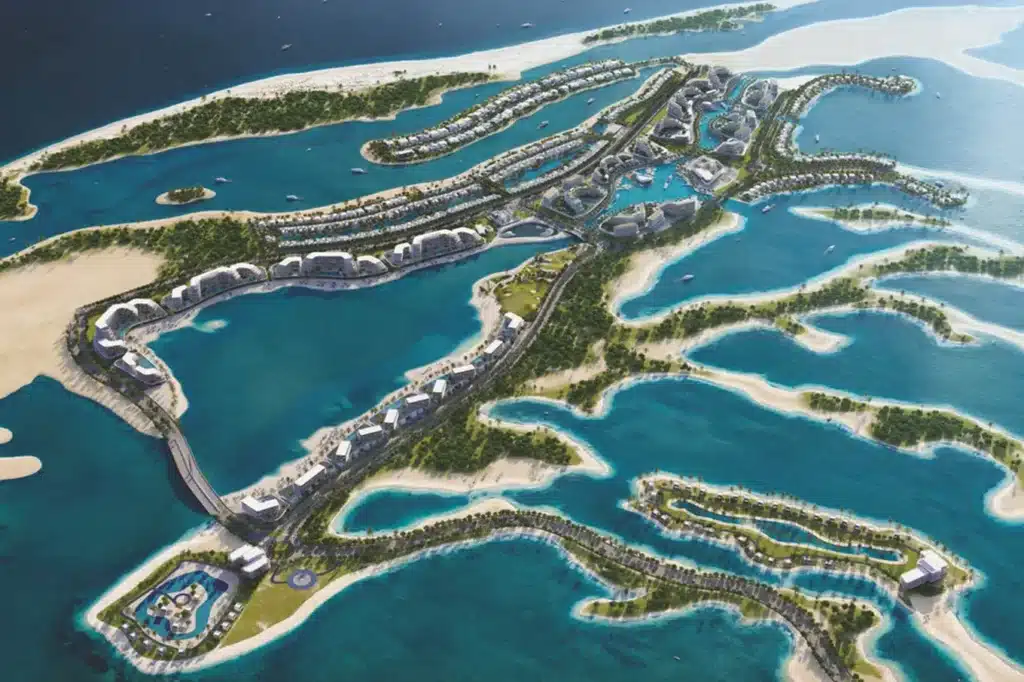
UAQ Mangroves & Flamingos
The mangrove forests around UAQ’s creek and lagoon are among the most extensive in the UAE. They host one of the country’s largest colonies of Greater Flamingos. Early-morning visits (6–9am) offer the best sightings — the birds feed in the shallow lagoon waters. Additionally, the light at that hour makes for spectacular photography. Kayak tours through the mangroves are available from several operators in UAQ. These tours are a genuinely special experience. The silence, broken only by bird calls and water, is unlike anything you’ll find in the rest of the UAE.

UAQ Fort & Old Town
The old town of UAQ occupies the tip of the peninsula on which the original settlement was built, and parts of it feel remarkably unchanged. The UAE Fort (also called the Old Fort) stands at the entrance to the old town. It is an unrestored but striking structure that has survived largely intact. The surrounding old town streets have traditional coral-block buildings and wind towers. Furthermore, they feature the atmospheric ruins of structures that predate oil. It’s not a manicured heritage district — it’s a genuinely old place that’s still inhabited and working. This makes it all the more interesting to walk through.

Dreamland Aqua Park
Dreamland Aqua Park is UAQ’s most commercially developed attraction — a large water park that has been a UAE institution for decades and remains popular with families looking for a full day of water slides and pools at prices far below what you’d pay at Atlantis or Wild Wadi in Dubai. The park covers a large beachfront site with dozens of slides and attractions, a private beach, and restaurants. It’s an older facility and not as polished as the Dubai equivalents, but the pricing (typically AED 80–120 per adult) and the beach access make it a good value for family days out.

UAQ Archaeological Sites
UAQ sits on some of the UAE’s richest archaeological grounds. Al Dour, located near the coast south of the city, is a significant ancient settlement dating back to around 300 BC — with ruins of temples, a glass-making workshop, and one of the most complete ancient town plans yet excavated in the UAE. Finds from Al Dour include incense burners, coins, and glass vessels. These finds confirm trading connections stretching from Rome to India. The site is less visited than it deserves. It gives a genuinely different perspective on the deep history of this part of the Gulf.

UAQ’s Coastline & Fishing Heritage
UAQ has a long coastline and a fishing tradition that remains very much alive. The harbour area in the morning has an active fish market where the day’s catch is brought in and sold — smaller than Ajman’s but equally authentic. The old fishing boats moored along the creek are colourful and photogenic. Boat hire for fishing trips or mangrove tours can be arranged informally through the harbour. The coastline south of the town has several quiet beaches that are free and virtually empty on weekdays. Thus, it is a stark contrast to Dubai’s crowded public beaches.

Where to Eat in UAQ
UAQ’s restaurant scene is small but characterful. The seafood here is spectacularly fresh — the fish comes off boats in the harbour and into kitchens within hours. Several simple restaurants near the corniche serve grilled hammour, kingfish, and prawns at prices that will make Dubai diners do a double-take (AED 25–60 for a full seafood meal). The Barracuda Resort has the emirate’s most established restaurant with Gulf views and decent international and Arabic food. There’s no dining scene to speak of — but the raw ingredient quality makes up for the lack of restaurant variety.
Where to Stay in UAQ
Accommodation options in UAQ are limited compared to other emirates, which is partly what keeps it so untouched. The Barracuda Beach Resort is the most established property — a laid-back, unpretentious beachfront resort that’s been a UAE institution for years, known for its outdoor restaurant and relaxed atmosphere. The UAQ Rotana (Flamingo Beach Resort) is the other main option. Expect to pay AED 250–450 per night. UAQ also works well as a day trip from Dubai. The emirate is compact enough that you can see the main highlights comfortably in a day.

Getting to UAQ from Dubai
UAQ is approximately 60 km from central Dubai — around 50–60 minutes via the E311 Emirates Road in normal traffic. It’s a straightforward drive on good roads. There’s no public transport worth considering for a day trip; a car is essential. UAQ’s compact size means that once you arrive, you can cover the main sights without much driving. The emirate is easily combined with Ajman or Sharjah in a single-day trip covering the northern coast.
Practical Tips for Visiting UAQ
UAQ is a liberal emirate — alcohol is served at licensed hotel venues. Cash is widely used, so carry AED. For the mangroves and Al Siniyah Island, early morning visits (before 9am) are strongly recommended for wildlife sightings and pleasant temperatures. Boat tours for the mangroves and island can be arranged through the Flamingo Beach Resort. Several informal operators at the harbour also arrange these tours. You should expect to pay AED 50–150 per person, depending on duration. The old town is best explored on foot. It takes around 45–60 minutes at a relaxed pace.