Dubai welcomed 5.18 million international overnight visitors in January–March 2024, up from 4.67 million in the same quarter of 2023. The Dubai Department of Economy and Tourism figures were published on 6 May 2024. This is an archive of that first-quarter announcement—not a running total for 2026 or the full-year result for 2024.
The reported increase was approximately 11%. The useful comparison is the same three months in each year, rather than a quarterly headline beside a full-year total. I would read this as a dated measure of international overnight tourism, not proof that every visitor attraction, hotel or tourism business grew at the same rate.
The same-period comparison
Dubai’s full-year totals put the Q1 2024 headline in context
Calendar years 2023–2025
Dubai recorded 18.72 million international overnight visitors across all of 2024, versus 17.15 million in 2023 and 19.59 million in 2025. These are annual totals, not quarterly counts.
Methodology
Like-for-like annual DET figures. Do not compare a single quarter directly with a full year or use the series as a current forecast.
Read chart data
| Comparison | International overnight visitors (millions) |
|---|---|
| 2023 | 17.15 |
| 2024 | 18.72 |
| 2025 | 19.59 |
| Period | International overnight visitors | How to use the figure |
|---|---|---|
| January–March 2023 | 4.67 million | The equivalent-quarter baseline |
| January–March 2024 | 5.18 million | The first-quarter result reported in May 2024 |
| January–December 2023 | 17.15 million | Full-year context, not the denominator for first-quarter growth |
Using the rounded published quarter totals, the difference is 0.51 million, or about 510,000. Dividing 0.51 by 4.67 gives approximately 10.92%, consistent with the announcement’s rounded 11%. This is a calculation from published rounded figures, not an additional arrivals dataset.

Retained aircraft illustration: it is not evidence of the aircraft type, passenger count or flights behind the tourism figures.
Where the announcement came from
The Government of Dubai Media Office’s 6 May 2024 release attributes the figures to DET’s Arabian Travel Market announcement. It also records Sheikh Hamdan bin Mohammed’s response as Crown Prince of Dubai and Chairman of The Executive Council at that time. The linked release—not an Instagram profile or a hotel guide—is the source for that account.
The release connects the tourism programme with the Dubai Economic Agenda D33 and its business-and-leisure ambitions. That is an official policy context, not an independent finding that a particular attraction or marketing campaign caused the whole increase. I would keep the reported result, the authority’s explanation and any future target separate.
Overnight visitors are not airport passengers or hotel nights
Dubai Airports’ separate 21 May 2024 first-quarter report records 23,052,060 passengers at DXB. That airport measure is not interchangeable with DET’s 5.18 million international overnight visitors. Do not subtract one from the other and label the remainder tourists who did not stay: the releases describe different measures and do not provide a matched individual-person dataset.
Hotel room nights are another measure again. One visitor can stay more than one night, while an occupancy percentage describes the use of the available room stock. Putting these numbers next to each other can help explain the industry, but adding them together would not produce a total number of tourists.
What the growth can—and cannot—tell a visitor
The original report discusses business events, hotel openings, connectivity and promotion as part of Dubai’s tourism offering. Those are plausible parts of the wider picture; the headline figures alone do not measure the individual contribution of Burj Khalifa, the historic districts, shopping or the beach. A popular destination can still offer very different experiences depending on dates, location and the visitor’s priorities.
I would choose a trip around the experiences actually wanted, then check opening arrangements, transport, timed admission and the full accommodation price for those dates. A citywide growth rate is not a promise that a particular attraction is open, an activity is included or a room is good value.

Retained desert-and-skyline illustration, not a documented 2024 visitor survey or a mapped route.
Choose the experience, not the growth slogan
Architecture, heritage, beaches, shopping and outdoor activities remain different reasons to visit. For historical context, our Dubai then-and-now guide connects the Creek’s trading history with later infrastructure and landmarks. It is background reading, not the statistical source for this article.
For a coastal or city hotel break, compare the actual room, occupancy, meal plan and cancellation conditions. Our UAE staycation guide can help frame that choice; its offers are not evidence for a government visitor total. Shopping, design fairs and cultural events need their own dated programmes rather than unrelated links embedded in a tourism statistic.
Outdoor plans also need a date-specific weather check. “Year-round sunshine” is not a safety assessment or a promise of comfortable conditions for every beach, desert or adventure outing. Leave enough time for the journey and avoid turning a city-break itinerary into a race between disconnected attractions.

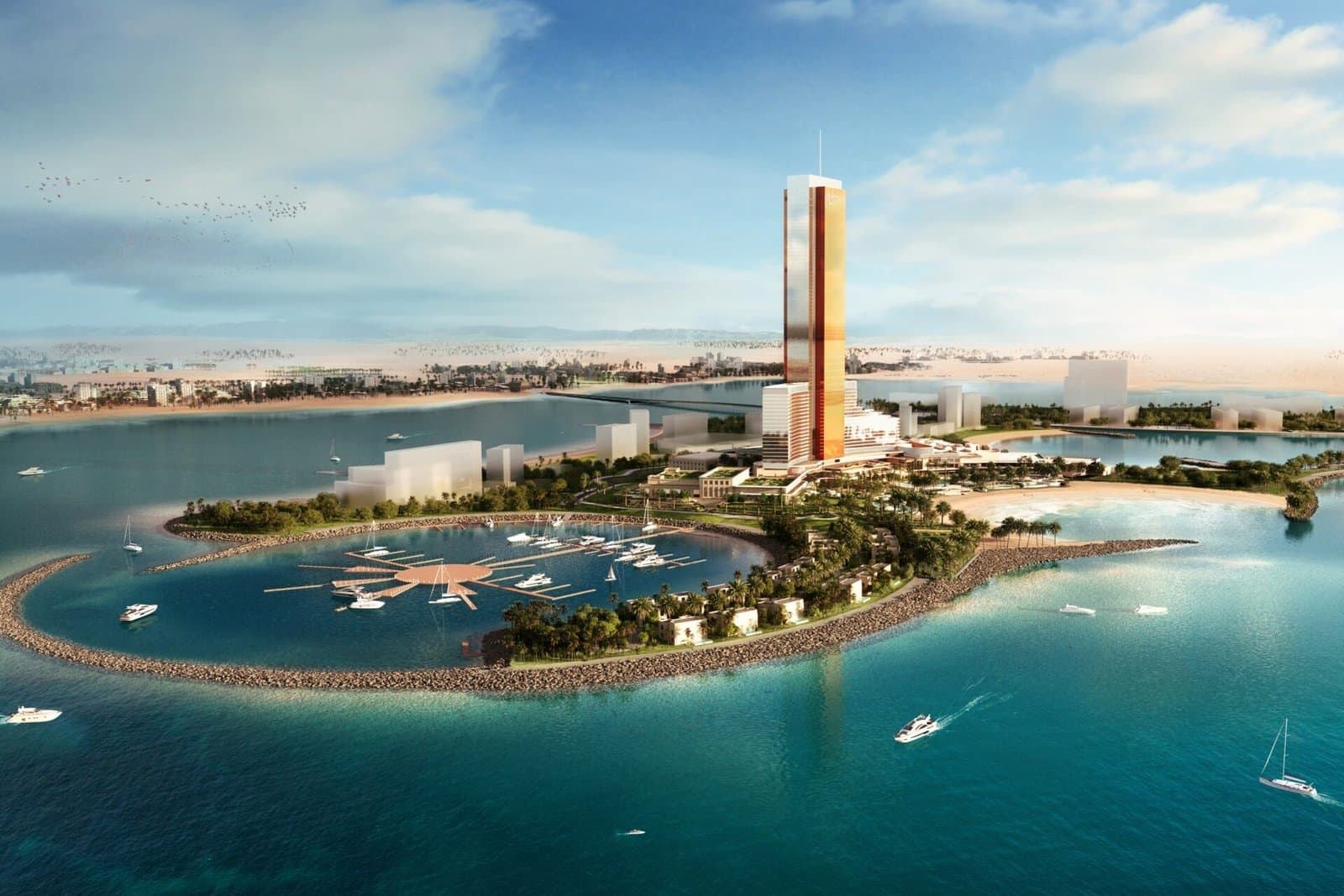
Retained resort photograph: no current room availability, package inclusion or price is established by this image.
What a business reader should check next
For a tourism business, total arrivals are context, not an occupancy forecast or guaranteed return. Compare the same period and definition in subsequent official reports, then test the customer segment, operating costs, seasonality and actual bookings relevant to the business. A quarter’s tourism growth does not establish a property return or make every hotel investment suitable.
Nor should four times the first-quarter result be presented as the full-year outcome. It would be an extrapolation that ignores seasonality, not a published annual total. Use the actual later DET report when answering a question about a later period; keep this article’s 2024 news date intact.
The takeaway
The first-quarter 2024 story was a rise from 4.67 million to 5.18 million international overnight visitors—roughly half a million more on the rounded totals. The stronger reading is specific: compare like periods, distinguish the metrics and separate reported growth from forecasts. That tells a reader more than repeating “five million visitors so far” without saying when or what was counted.
Archive figures and their original public releases checked 10 November 2026. This repair clarifies the historical period, source links and interpretation; it does not claim a current tourism census, a new visit, an investment assessment or a measured Google-ranking improvement. Original publication date, author and media are retained.