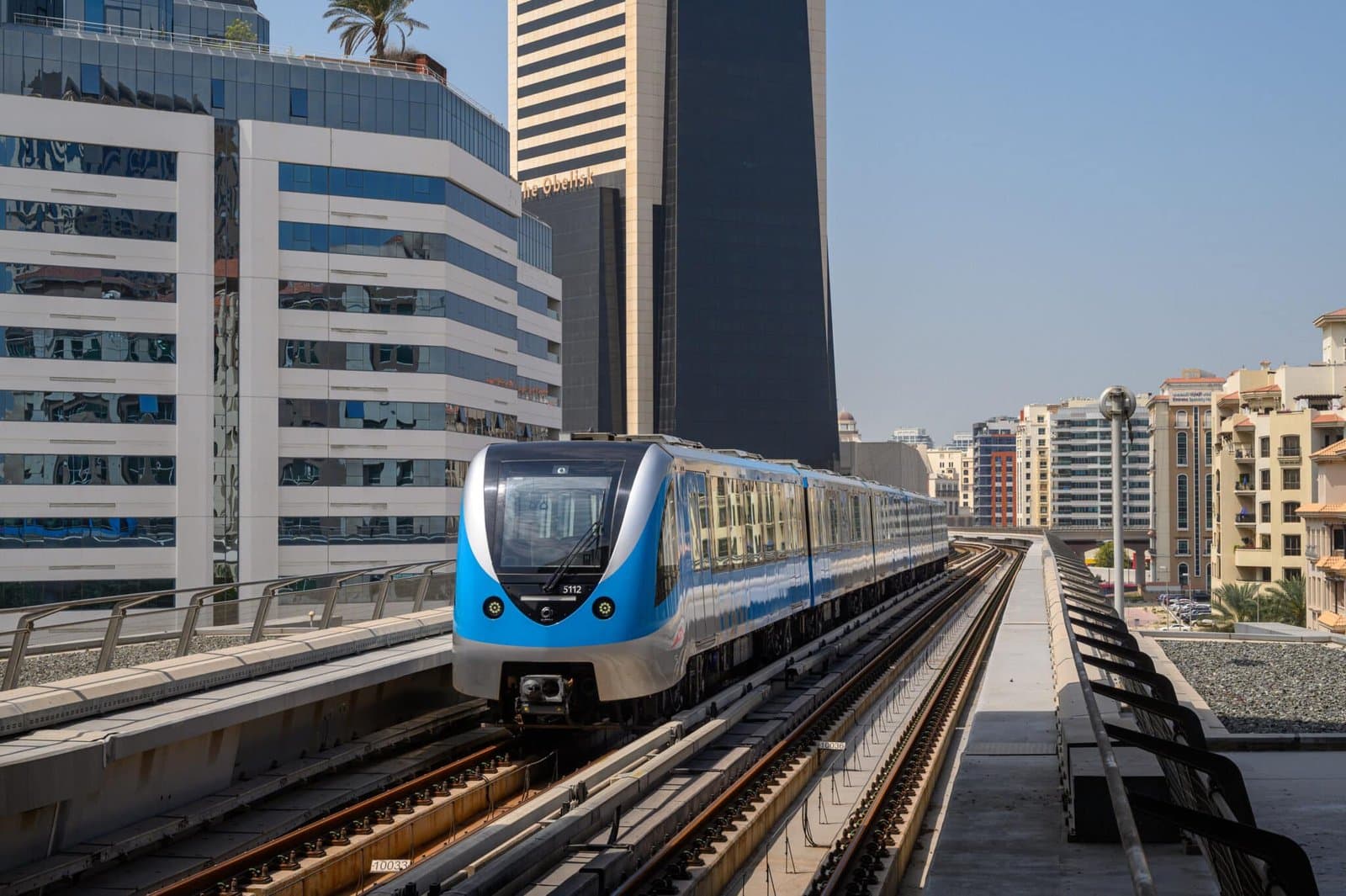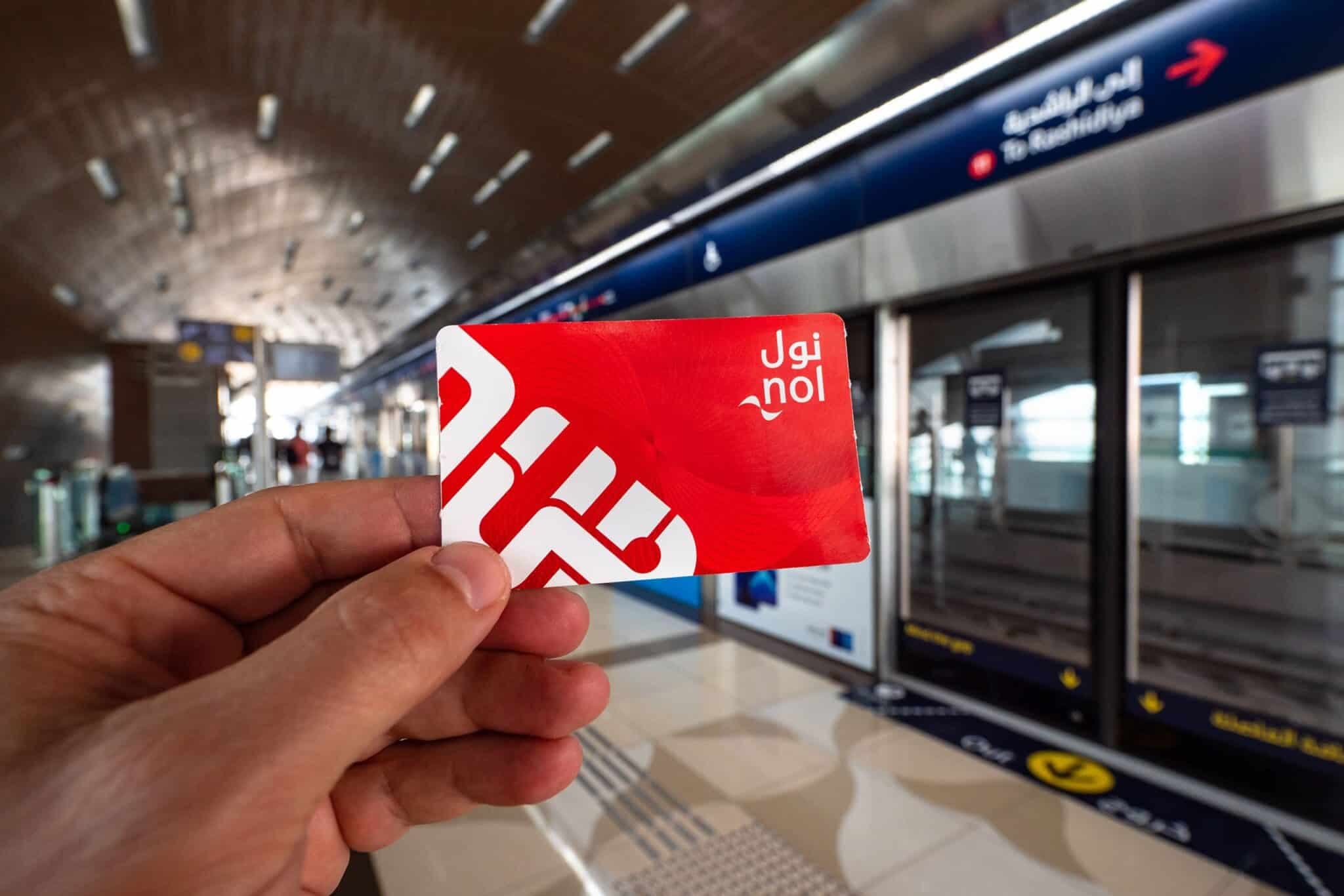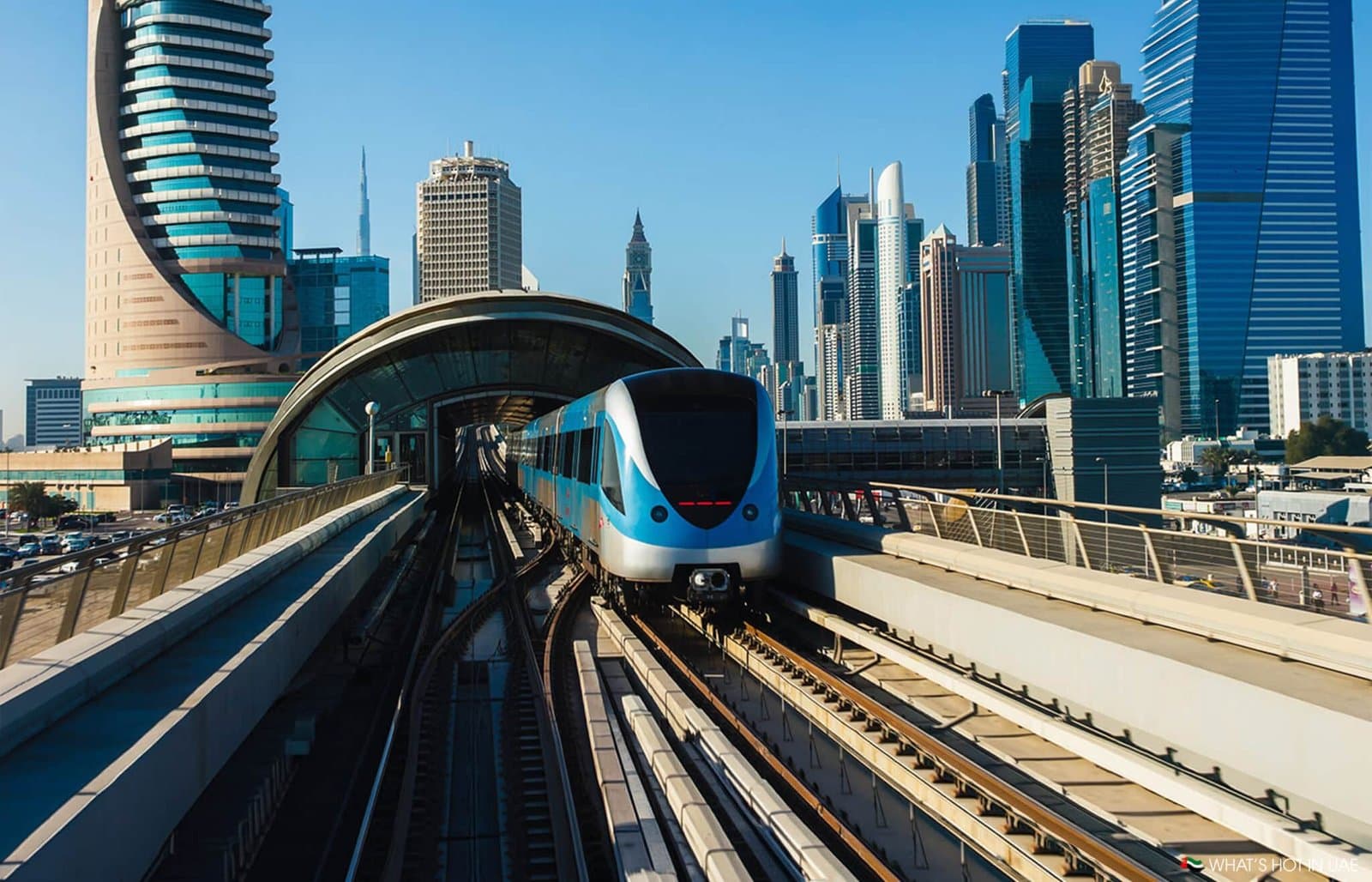
I’d choose Dubai Metro for a straightforward trip between stations—and check the final walk before calling it the best route. Silver nol fares are AED 3, AED 5 or AED 7.50 by zone, while Friday station hours start at 5am. Those are useful facts; the better decision also includes luggage, connections and the actual last train in your direction. A cheap fare is no bargain if the route leaves you with an impractical finish.
This Dubai Metro guide was rebuilt on 29 July 2026 from current RTA service pages, the live timetable, the official fare table and Dubai Airports guidance. It covers fares, operating hours, nol cards, airport travel, luggage, transfers, cabins, fines and the practical choices that make a journey easier. RTA recorded 295 million Metro riders in 2025, up 7% year on year, so small decisions about timing and carriage choice can make a noticeable difference.
Dubai Metro 2026: the essential facts
| Question | Current answer |
|---|---|
| Operating lines | Red Line and Green Line |
| Interchange stations | Union and BurJuman |
| Monday–Thursday | 5am–midnight |
| Friday | 5am–1am the following day |
| Saturday | 5am–midnight |
| Sunday | 8am–midnight |
| Silver/Personal nol fare | AED 3, AED 5 or AED 7.50 |
| Gold nol fare | AED 6, AED 10 or AED 15 |
| Minimum nol balance to enter | AED 7.50 |
| Official journey planner | S’hail app |
Important: station opening hours are not a promise that a train will depart your station at the closing time. First and last trains vary by station, direction and branch. Public holidays and major events can also bring special hours. Check the live RTA timetable or S’hail for the journey you intend to take.
Dubai Metro operating hours in 2026
The current official timetable is simple: Monday to Thursday and Saturday run from 5am to midnight; Friday runs from 5am until 1am the next day; Sunday starts later, at 8am, and ends at midnight. Several older guides still show Friday beginning at 10am or place Saturday on the 1am schedule. Those times are outdated.
If your journey is time-critical, search the exact origin and destination in S’hail before leaving. This matters particularly on the Red Line, where the direction and branch shown on the front of the train determine where it will go. Do not rely only on the system-wide closing time for an airport journey or a late connection.
Dubai Metro map, lines and interchange stations
Dubai currently has two operating passenger Metro lines:
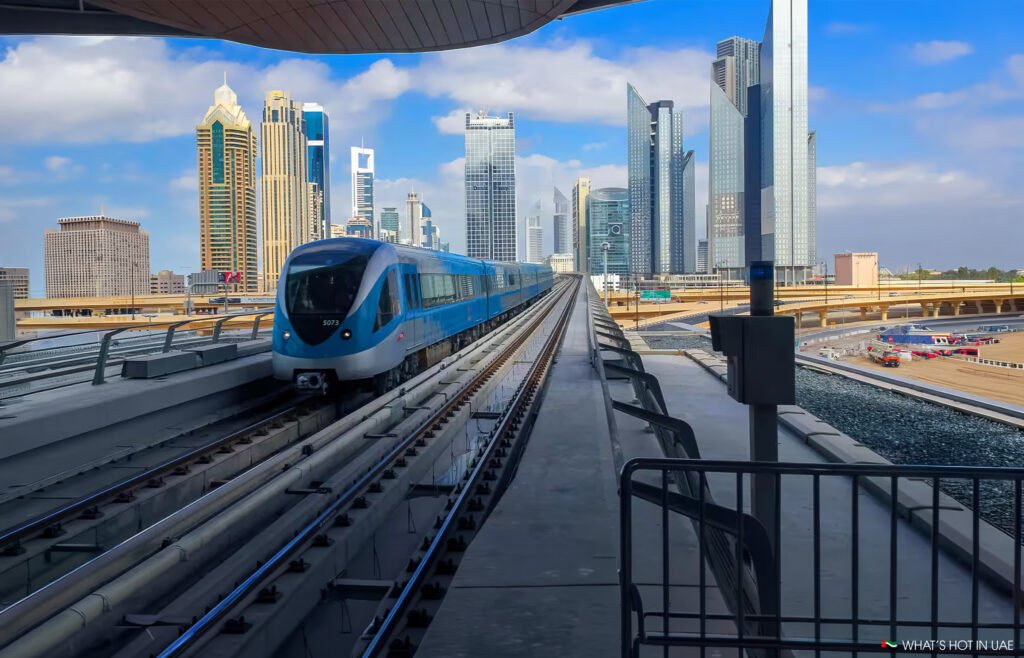
- Red Line: the main north–south corridor serving DXB Terminals 1 and 3, Deira, Bur Dubai, DIFC, Downtown, Business Bay, Dubai Marina and the southern branches.
- Green Line: the old-Dubai route linking e& station with Creek through Al Qusais, Deira, the souks, Bur Dubai and Dubai Healthcare City.
Union and BurJuman are the two transfer points between Red and Green. The current RTA map lists 35 Red Line station entries and 20 Green Line entries. Because the two interchange locations appear on both lines, that represents 53 distinct physical stations—not 47 Red stations plus 20 Green stations, as some guides claim.
Use the current RTA Metro map for station names. Sponsored names can change, so a screenshot saved years ago is less reliable than the live map.
Dubai Metro fares: what a journey actually costs
Budget for a change in Metro fare zones
Illustrative budget using guide’s dated rates
With the article’s Silver rates, two longer journeys instead of two adjacent-zone journeys add AED5 to a ten-trip budget.
Methodology
Ten hypothetical journeys, each either AED5 for two adjacent zones or AED7.50 for more than two zones. No pass, card fee or transfer assumption.
Read chart data
| Comparison | Silver travel spend |
|---|---|
| 0 longer trips | 50.00 |
| 2 longer trips | 55.00 |
| 4 longer trips | 60.00 |
| 6 longer trips | 65.00 |
| 8 longer trips | 70.00 |
| 10 longer trips | 75.00 |
RTA divides Dubai into seven public-transport zones. The fare is calculated from the number of zones crossed across the full linked journey, not the number of stations. Tap in and tap out every time so the system can calculate it correctly.
| Zones crossed | Silver or Personal nol | Gold nol | Red Ticket, regular |
|---|---|---|---|
| Within one zone | AED 3 | AED 6 | AED 4 |
| Two adjacent zones | AED 5 | AED 10 | AED 6 |
| More than two zones | AED 7.50 | AED 15 | AED 8.50 |
The frequently quoted AED 15 maximum is for a Gold nol card, not every Gold Class ticket: RTA lists AED 17 for a Gold Red Ticket covering more than two zones. The maximum standard Silver or Personal nol fare is AED 7.50. A regular Red Ticket costs AED 1 more than Silver at each tier, before any ticket issuance cost.
Children aged five and under travel free. Eligible students and senior Emiratis and residents receive a 50% concession through a Personal nol card, while eligible People of Determination travel free. These benefits are not attached automatically to every so-called “Blue card”; they require the appropriate Personal nol product and supporting eligibility.
Which nol card should you buy?
| Product | Upfront price | Best for | What to know |
|---|---|---|---|
| Silver nol | AED 25, including AED 19 balance | Most residents and repeat visitors | Lowest standard pay-as-you-go fares |
| Gold nol | AED 25, including AED 19 balance | Gold Class users | The card costs the same as Silver; each Metro/Tram fare is double |
| Personal nol | AED 70, including AED 20 balance | Balance protection and eligible concessions | Application and documents may be required |
| Red Ticket | AED 2 plus the chosen fare | Occasional visitors and day passes | Higher per-trip fare; limited reloads and modes |
My default is Silver for repeated journeys. I’d choose Gold only when access to its dedicated cabin matters enough to pay the higher Metro and Tram fare; I would not buy it expecting a guaranteed seat. For a one-off visit, compare the upfront ticket or card cost as well as the fare. “Cheapest journey” and “least cash paid today” can be different answers.
RTA’s physical-card service pages were updated on 16 July 2026 and confirm that Silver and Gold cards cost AED 25: AED 6 issuance plus AED 19 usable balance. Both are valid for five years, subject to RTA’s card and inactivity terms.
The nol balance and top-up traps
You need AED 7.50 on a nol card to enter the Metro. The old advice to maintain AED 15 is unnecessary for a single entry. It may be a sensible personal buffer, but it is not the RTA gate requirement.
Top-up rules vary by channel. As of the RTA’s 16 July 2026 service update:
- Metro ticket vending machines require a minimum AED 20 top-up.
- The nol Pay app, S’hail, RTA website, Mahboub chatbot and some other channels allow top-ups from AED 5.
- RTA Dubai has a AED 30 minimum; Dubai Now has a AED 20 minimum.
- A top-up at a Metro ticket-office machine can have a AED 50 minimum.
There is a less obvious failure point: some online top-ups remain pending until activated. At a Metro gate, a normal card needs AED 7.50 of existing balance to open the gate and activate that pending value; a Personal/Blue nol card needs AED 3.50. If the old balance is below that threshold, an online top-up may be visible but still not get you through. Use the nol Pay app’s NFC functions where supported or top up through a station channel before the balance becomes critical.
The 30-minute transfer rule can cut the fare
If you tap out of one RTA mode and tap into another within 30 minutes, the linked legs can count as one journey. Metro-to-bus and Metro-to-Tram connections are the obvious examples. The final charge is based on the total zones crossed rather than two independent fares.
The saving only works when every tap is recorded and the next leg begins inside the transfer window. Do not hold a gate open for another passenger or skip a validator: besides being against the rules, it breaks the journey record the fare system needs.
Three checks—not just a 30-minute gap
RTA’s published transfer table, checked on 9 November 2026, also sets a maximum journey duration of 180 minutes and a maximum of three transfers across the listed fare bands. A short gap alone is not enough if the whole journey or transfer count exceeds those limits. Apply the conditions for the actual mode and ticket; do not assume that a separate transport product uses the same fare.
For illustration, checking out of the Metro at 10:00 and into a connecting bus at 10:20 meets the 30-minute gap condition. That does not by itself prove the fare: the total journey duration, transfers already made and zones still matter. If the next tap is at 10:40, the gap condition is missed. These are worked clock examples, not rides we took or a promise about a particular account’s charge.
Are Dubai Metro passes worth the price?
Do the maths against the journeys you will actually make. Current Silver 7-day passes cost AED 50 for one zone, AED 80 for two zones and AED 110 for all zones. On pay-as-you-go Silver fares, the approximate break-even point is:
| 7-day Silver pass | Pass price | Equivalent single fares | Rough break-even |
|---|---|---|---|
| One zone | AED 50 | AED 3 each | 17 trips |
| Two zones | AED 80 | AED 5 each | 16 trips tie; 17 trips put the pass ahead |
| All zones | AED 110 | AED 7.50 each | 15 trips |
That means a commuter making two paid trips on seven days can still be slightly below the all-zone break-even point, while an extra weekend journey moves the pass ahead. The calculation changes if transfers make individual journeys cheaper than expected.
A regular one-day pass on a Red Ticket costs AED 20 and expires at midnight on its activation date, not 24 hours after purchase. For someone who already has Silver, two maximum-fare journeys cost AED 15, below that pass price. A first-time buyer must also compare the Red Ticket or card issuance cost and any usable balance left over; comparing fares alone can give the wrong cash-outlay answer. I’d buy a pass for a busy travel day, not automatically for an airport return.
Digital day pass: check your connection before relying on it
RTA also offers a digital QR 1-Day Pass through nol Pay and S’hail. Its current Regular price selector shows AED 20 plus an AED 2 transaction service fee, totalling AED 22 for the displayed purchase. The pass covers all zones on Dubai Bus, Metro and Tram; it is not a Dubai Taxi, ferry, parking or shopping balance.
The digital ticket refreshes in the app and cannot be downloaded. RTA says internet access is required throughout travel, including access to the ticket during transfers; its FAQ says a 1-Day Pass can be used multiple times until 23:59 on the activation day. That is not a rolling 24-hour ticket. If you cannot rely on a connected phone, compare a physical ticket or card before travelling rather than save a screenshot and assume it will work.
For an existing Silver user making three separate maximum-fare journeys, pay as you go totals AED 22.50 against the displayed AED 22 digital Regular pass—a saving of just AED 0.50. Two such journeys cost AED 15, so the pass would cost AED 7 more. These examples exclude buying a new card and assume the journeys are genuinely charged separately; linked transfers or cheaper zone bands change the answer. No ticket was purchased or gate transaction tested for this comparison.
Dubai Airport Metro: Terminals 1, 2 and 3
DXB Terminals 1 and 3 have direct Red Line stations. Dubai Airports confirms that tickets and nol cards are available from station offices and machines at both terminals.
Terminal 2 does not have a Metro station. Plan a bus or taxi connection rather than following signs for an airport Metro that is not there. For Dubai World Central (DWC), Dubai Airports recommends RTA bus or taxi connections from Ibn Battuta or Expo 2020 Metro stations.
Airport travellers should check their terminal, not just the airline name, and allow time for the walk between baggage reclaim and the station. If your arrival is close to the last train, compare the live route against a taxi before committing. Our Dubai taxi guide explains official booking channels, airport charges and ways to avoid unnecessary taxi costs.
Dubai Metro luggage rules
Each passenger may carry up to two suitcases:
- One large suitcase: no more than 81 × 58 × 30cm.
- One small suitcase: no more than 55 × 38 × 20cm.
Store luggage in the dedicated areas inside the cabin and keep doors, aisles, seats and emergency equipment clear. These limits make the Metro practical for normal airport luggage, but not for a household move or several oversized cases.
Can you take a bicycle or e-scooter on Dubai Metro?
RTA allows a folded bicycle or e-scooter when it fits within the permitted luggage size. Use the wide gate and lift, avoid the escalator, and place it in the assigned luggage area. An e-scooter must be switched off, clean and dry; it cannot be ridden or charged in stations, footbridges or trains.
This is different from permission to ride an e-scooter on Dubai streets. Riders aged 16 or over need the required permit unless covered by a valid-licence exemption, and riding is restricted to authorised areas and tracks. Carrying a folded scooter on the Metro does not waive those road rules.
Gold, Women and Children, and general cabins
Cabin positions can change with the train’s direction, so follow the coloured floor and platform signs rather than memorising “first” or “last”. Gold Class requires a Gold nol product and charges double the regular fare. The Women and Children cabin is reserved for the group stated on the signs; women are not required to use it and may travel in general cabins.
Entering or sitting in an area designated for another category can bring a AED 100 fine. That includes a Silver passenger remaining in Gold Class and an ineligible passenger using the Women and Children section.
Travelling with children or needing lift access
A child’s free-fare eligibility is not permission to travel alone. RTA’s published Metro policies, checked on 15 November 2026, distinguish these age groups:
| Age | Unaccompanied-travel rule |
|---|---|
| Under 8 | An adult must accompany the child. |
| 8–11 | RTA specifies a permit issued by the parents; its policy excludes inter-city buses from this provision. |
| 12 and over | Travel without an accompanying adult is permitted. |
The Women and Children cabin does not replace those rules. For an 8–11-year-old’s proposed journey, confirm the applicable parental-permit arrangements with RTA rather than assume a school card or fare payment is enough.
For access planning, the same RTA page lists lifts to every station level, dedicated wheelchair spaces on trains, tactile guidance paths and audible/visual platform alerts. Those are listed facilities, not a live guarantee that a particular lift is working. Check the station entrance, interchange and final walk against your needs, and ask station staff if a required facility is unavailable. We checked the published policy and facilities list, not a physical accessibility journey.
Dubai Metro fines riders should know
The most avoidable fine is AED 200 for using public transport or entering a fare-required area without paying the correct fare. RTA’s published schedule also includes:
- AED 100: accessing or sitting in an area reserved for a specific category.
- AED 100: eating or drinking where it is prohibited.
- AED 100: putting feet on seats, causing disturbance or blocking passenger movement.
- AED 200: smoking inside public transport facilities.
- AED 300: sleeping in passenger shelters or places where sleeping is prohibited.
- AED 2,000: damaging or vandalising transport equipment or seats.
Signs at the station and instructions from RTA staff take precedence. If a fine appears incorrect, RTA provides an official dispute service; the authority states that a decision is normally sent by SMS within 14 working days, although review can take longer.
12 practical Dubai Metro tips
- Check the exact last train, not only closing time. The station can be open after the final useful service in your direction has left.
- Keep at least AED 7.50 active balance. A pending online top-up may not rescue a card that has already dropped below the gate threshold.
- Use Silver as the default. It offers the lowest standard fare without an eligibility application.
- Buy Gold for the cabin, not for savings. The upfront card price matches Silver, but Metro and Tram fares are double.
- Tap every time. Missing an exit tap can create the wrong charge and ruin a linked transfer.
- Start the next mode within 30 minutes. That is the key to treating a Metro–bus or Metro–Tram connection as one journey.
- Read the destination display before boarding. On the Red Line, the correct branch matters as much as the direction.
- Let passengers exit first. It is faster and reduces the platform crush at busy stations.
- Move away from the doors once aboard. The centre of the carriage often has more standing room than the entrance.
- Allow room for crowds. I’d leave a buffer for a time-critical trip and avoid the busiest commuter periods where practical, rather than treat a generic peak-hour estimate as a guarantee of conditions at my station.
- Use Terminal 1 or 3 for DXB Metro access. Terminal 2 needs a bus or taxi connection.
- Recheck special-event hours. New Year, public holidays and major events can override the normal weekly timetable.
Blue and Gold Lines are not open yet
Dubai’s future line announcements can make a 2026 guide look more expansive than the network riders can actually use. The Blue Line is under construction and scheduled to open on 9 September 2029. RTA says it will run 30km with 14 stations. The newly approved Gold Line is scheduled for 9 September 2032, with 42km and 18 stations.
For journeys today, plan on the Red and Green lines only. Future stations should not be presented as live Metro options.
My quick decision: Metro, pass or taxi?
I’d use Metro when the stations and final walk fit the trip, choose pay as you go for a small number of journeys, and calculate a pass against the routes I actually expect to take. At the published Silver fares, fourteen all-zone journeys cost AED 105; fifteen cost AED 112.50. Against the AED 110 seven-day all-zone pass, that fifteenth maximum-fare journey is the first one that puts the pass ahead. Cheaper journeys change the calculation.
For an airport arrival close to the last useful train, an awkward onward connection or luggage outside the permitted limits, I’d compare an official Dubai taxi rather than force the cheapest-looking rail route. Dubai Airports confirms direct Red Line access at Terminals 1 and 3; it does not make every terminal or hotel a station-to-door journey.
Targeted update, 19 October 2026: RTA’s regular operating hours and fare/pass tables, plus Dubai Airports’ Metro access guidance, were rechecked for these recommendations. The earlier detailed rules, fines and top-up research below retains its stated July verification date; this is not a fresh full audit of every rule.
9 November follow-up: RTA’s fare/transfer table and its digital QR ticket fees, conditions and FAQs were additionally read for the limits and examples above. The other rules retain their earlier stated checks; no new journey, account, fare refund or accessibility test is claimed.
What this guide corrects
We compared the current article with RTA pages updated in July 2026, Dubai Airports, Google’s live mobile results in Dubai and the questions riders are currently shown. The largest corrections are: Friday begins at 5am, Saturday closes at midnight, Silver fares top out at AED 7.50, the gate balance is AED 7.50, Personal nol is not universally free, Gold uses a dedicated cabin rather than both ends of every train, and future Blue and Gold lines are not operating.
Primary references include the RTA timetable, RTA fare table, nol top-up service, Metro rules and fines, folded scooter guidance and Dubai Airports Metro guidance. Last full verification: 29 July 2026.