Lovin Dubai reported a wrong-way robotaxi incident on 21 September 2026. Here is what was reported, alongside checked booking, fare and support information.
Key Takeaways
- Lovin Dubai reported a wrong-way autonomous taxi incident on 21 September 2026; the report does not establish the technical cause or prove the system’s safety.
- The reported incident raises questions about how driverless taxis respond when a journey goes wrong; it does not establish the technical cause.
- To book an autonomous taxi in Dubai, use the Apollo Go app or Uber, but check eligibility based on location.
- Booking depends on the pickup, destination, operating hours and available vehicle. Do not assume a city-wide or airport service.
- RTA oversees the autonomous taxi rollout. Passengers can use the operator’s in-car or app support controls if they need assistance.
The reported wrong-way robotaxi incident deserves scrutiny, not a made-up explanation about what the software was thinking. For a passenger, the useful questions are simpler: can this service take my actual route, what fare does my booking channel show, and where is the assistance control? I would not build a time-critical airport transfer around an assumed autonomous route. Check the app and keep a workable alternative.
The passenger verdict: plan the trip, not the experiment
Trying a driverless ride is one thing; relying on an unconfirmed route when you have a flight to catch is another. My recommendation is to check eligibility and support before committing, then match the arriving car to the booking. One reported incident does not establish the technical cause or the safety record of an entire system. It does make clear passenger instructions worth having.
For conventional journey budgeting, use our Dubai taxi savings guide. Keep the valid identification relevant to your trip separate from the broader benefits discussed in our Emirates ID guide.
What was reported, and what remains unknown
The Lovin Dubai Show reported the wrong-side-of-the-road incident on 21 September 2026. Descriptions such as an AI “brain freeze” are interpretations of the incident, rather than a confirmed explanation of the vehicle’s internal systems.
A support response should not be taken as proof that someone remotely steered the taxi or that the incident was resolved within a particular number of seconds. If your own ride stops unexpectedly or takes an unfamiliar route, use the assistance controls provided in the vehicle or booking app, and follow the operator’s instructions. Contact emergency services if there is an immediate danger.
How to Book and Use Autonomous Taxis in Dubai
Despite the viral glitch, autonomous taxis are a legitimate commercial service in specific parts of the city. If you are looking to try a driverless ride, you cannot simply hail one on the street like a traditional taxi; you must use a compatible digital platform. Driverless Taxis in Dubai: Everything You Need to Know provides a broader overview of the technology, but for immediate booking, follow these steps:
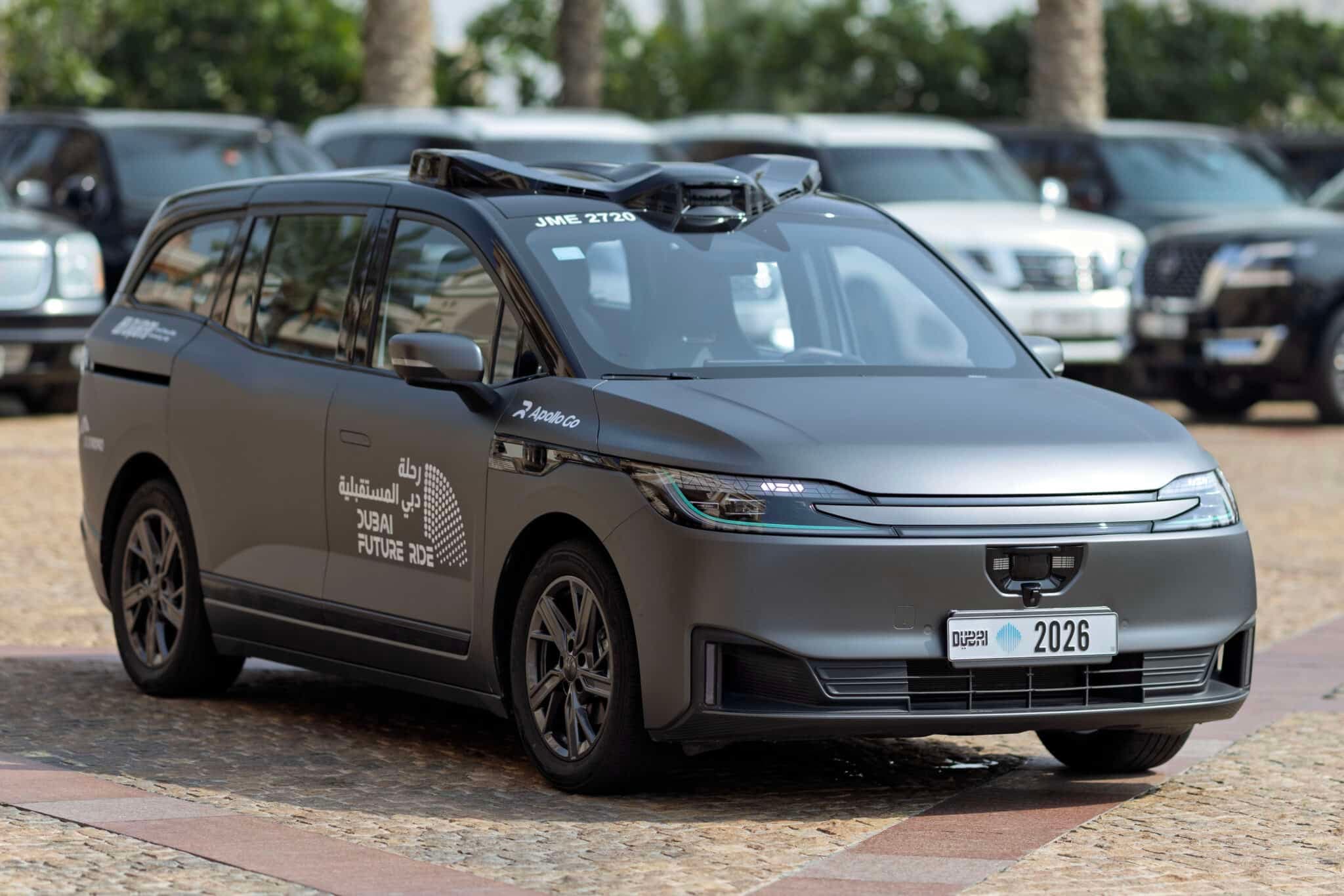
- Apollo Go App: This is the dedicated mobile application for Baidu’s Apollo Go service, which is the first international deployment of the app.
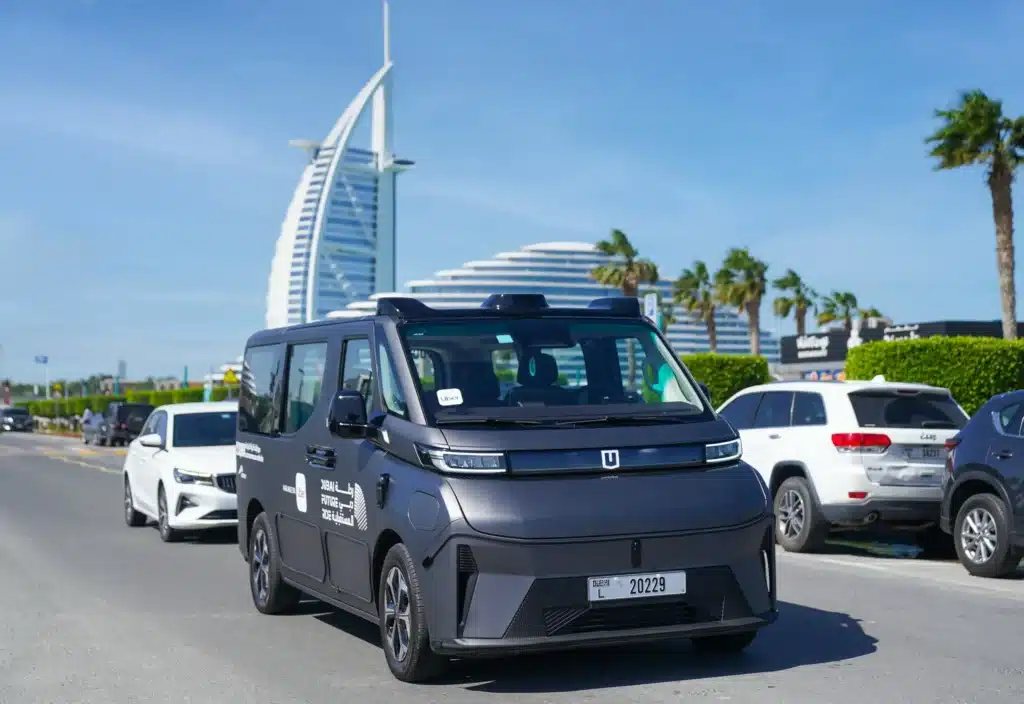
- Uber: Uber’s current Dubai guide lists both WeRide and Baidu. Select Autonomous for an eligible trip, or enable autonomous vehicles in Account → Settings → Ride Preferences for possible UberX or Uber Comfort matches. A request does not guarantee an available robotaxi or a particular brand.
Before confirming your ride, always check the vehicle model and licence plate in the app to ensure it matches the arriving robotaxi. Passenger capacity typically ranges from three to five people, depending on the specific vehicle model.
Cost and Coverage: Where Can You Ride?
It is important to manage expectations regarding where these taxis operate. The service is currently geographically limited and is not a city-wide solution. RTA’s March launch covered Jumeirah and Umm Suqeim. The current booking app, rather than that launch announcement, determines your eligible route and operating hours. A trial permit for another district is not proof of bookable passenger service there.
If you are planning a trip, keep the following limitations in mind:
- Airport planning: Do not build a DXB transfer around an assumed robotaxi route. Check the actual pickup and destination in the app and keep an alternative for a time-critical trip.
- Location-Based Eligibility: Even if you are in a residential area, the booking app will determine if your specific pickup and destination fall within the permitted “geofence.” For example, a trip from Jumeirah to Downtown Dubai may not be eligible for an autonomous ride.
- Pricing: A 15 July 2026 report quoting RTA announced Dh5 Apollo Go rides in Jumeirah and Umm Suqeim, following an introductory free phase. Check the fare shown in the Apollo Go app before confirming your journey, as prices and promotions can change.
Apollo Go and Uber: the fare is a booking-channel question
| Booking channel | What to check |
|---|---|
| Apollo Go app | The reported Dh5 fare dates from July. Read your current in-app quote; it is not a promised Uber fare. |
| Uber | Check the fare for your trip. Uber says assignment to WeRide or Baidu does not itself change that fare. |
At pickup: match the plate and model, then use Unlock car in the app. Uber’s Dubai guide gives riders five minutes to board. Confirm your party fits the assigned vehicle; the published three-to-five range is not a promise of five seats in every car. If assistance is needed, contact support through the app or in-car tablet. This identifies a support channel, not a guarantee of remote steering or a response time. Booking details checked on 18 October 2026; no test ride was taken.
Safety and Support: What Riders Should Know
The primary concern for many passengers is what happens if a driverless vehicle makes an error. Autonomous vehicles use sensing and navigation systems to operate within their approved service areas. RTA oversees the commercial rollout with Apollo Go and WeRide; that supervision should not be interpreted as a guarantee that individual journeys cannot encounter problems.
Before using the service, understand the support options and the scope of the rollout:
- Passenger support: Use the vehicle’s assistance controls or booking app to contact the operator if a journey stops unexpectedly. The reported incident does not establish how remote assistance worked in this case.
- RTA Oversight: The commercial rollout operates under RTA’s autonomous taxi programme in partnership with Apollo Go and WeRide.
- Strategic Goals: This rollout is part of a larger government vision to have 25% of all transport journeys in Dubai be autonomous by 2030.
For more on the future of Dubai transport, see our guide on Dubai’s Flying Taxi Service.